
In the vibrant world of travel, where every journey tells a story and every destination sparks inspiration, the art of crafting compelling narratives is paramount. Whether you’re a seasoned travel journalist, an aspiring blogger documenting your adventures, or an academic researcher delving into tourism trends, the integrity of your work hinges on robust, transparent sourcing. This is where Chicago Style citation becomes an invaluable tool, ensuring your travel insights are not only engaging but also credible and authoritative. For those charting voyages through history, culture, or geography, understanding how to properly credit your sources in Chicago Style is as essential as packing your passport.
The Indispensable Role of Citation in Travel Storytelling
The allure of travel writing lies in its ability to transport readers, sharing vivid descriptions and insightful analyses of places far and wide. Yet, behind every captivating article about the ancient ruins of Machu Picchu or the culinary delights of Kyoto, there’s often a wealth of research—historical documents, local interviews, geographic data, and existing travelogues. Proper citation, specifically using Chicago Style, elevates your travel narratives from mere anecdotes to well-researched, trustworthy resources.
Credibility in Travel Blogging and Journalism
In an era saturated with information, establishing credibility is crucial for any travel content creator. Imagine writing a comprehensive guide to the best hidden cafes in Paris or detailing the sustainable tourism initiatives in Costa Rica. If your recommendations are based on research from reputable culinary magazines, interviews with local baristas, or reports from environmental organizations, citing these sources strengthens your argument and builds trust with your audience. Chicago Style, with its detailed footnotes and comprehensive bibliography, allows readers to easily verify your claims, follow up on interesting tidbits, and appreciate the depth of your research. This meticulous approach is particularly vital when discussing sensitive topics such as local customs, historical contexts of landmarks, or the economic impact of travel on communities.
Navigating Research for Destination Guides
Crafting a definitive destination guide often requires synthesizing information from diverse sources—from historical texts about the Colosseum in Rome to contemporary reviews of luxury hotels in the Maldives. When you delve into the history of a specific region, cite the academic journals or scholarly books that provided context. If you’re comparing the features of different resorts, reference the official hotel websites or expert travel reviews. Chicago Style provides a clear, standardized method for managing these disparate sources, ensuring that your readers can trace the origins of your information, whether it’s an architectural detail about the Eiffel Tower or a recommendation for an authentic local eatery.
Understanding Chicago Style: Notes-Bibliography vs. Author-Date
Chicago Style offers two primary citation systems: the Notes-Bibliography (NB) system and the Author-Date system. While both are robust, their application often depends on the nature of your travel writing.
Choosing Your Method for Travel Narratives
The Notes-Bibliography (NB) system is generally preferred in the humanities, including history, literature, and the arts—fields that often intersect with travel writing. This system uses footnotes or endnotes within the text to cite sources, providing a less intrusive reading experience, which is often desirable for narrative-heavy travel pieces. A comprehensive bibliography at the end lists all sources in full. For a historical exploration of Venice’s canals or a cultural analysis of Japanese tea ceremonies, NB allows for rich, descriptive prose while ensuring all factual claims are discreetly supported.
The Author-Date system, on the other hand, is more common in the social sciences, such as anthropology or sociology, and is suitable for travel articles that lean more towards analytical reports or empirical studies—for example, an article on the economic impact of cruise tourism in the Caribbean. This system uses parenthetical citations within the text (e.g., Smith 2020, 45), directing readers to a reference list at the end of the document. While less common for purely narrative travel blogs, it can be effective for more academic or data-driven travel content. For most travel writers focused on storytelling and immersive experiences, the Notes-Bibliography system offers a more fluid integration of citations.
Essential Elements of a Travel Article Citation
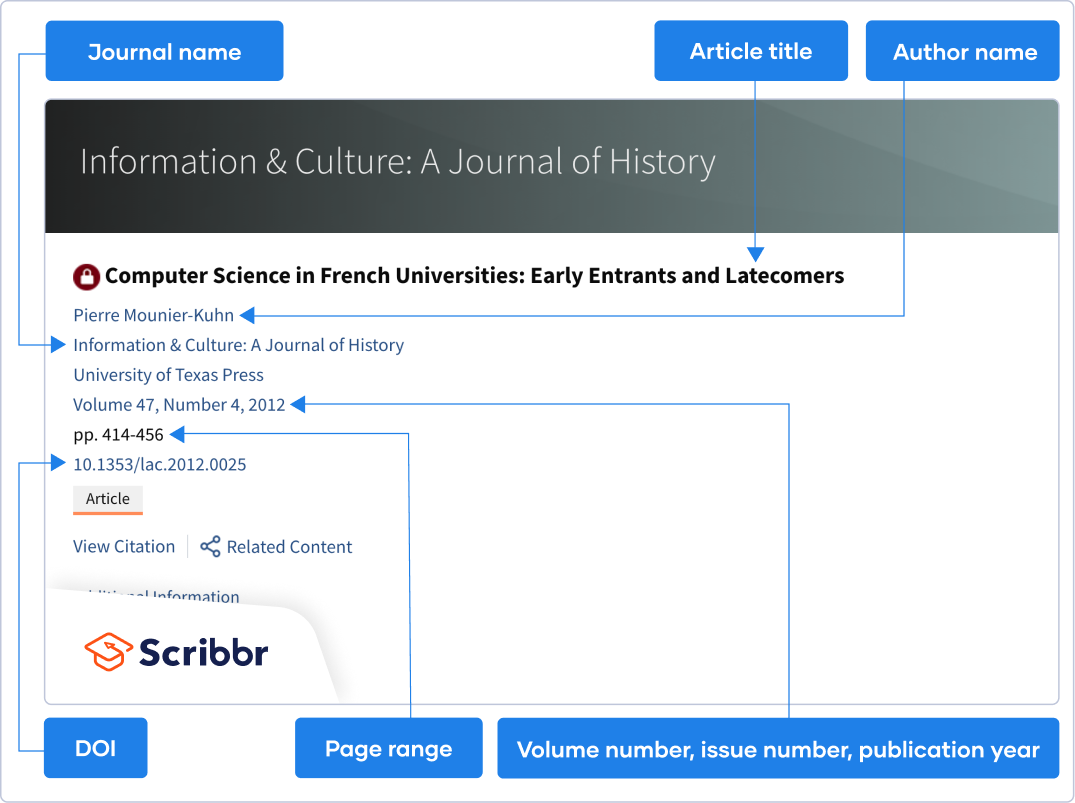
Regardless of the system chosen, the core information required for a citation remains consistent:
- Author(s): The writer(s) or creator(s) of the content.
- Title: The full title of the article, book, or webpage.
- Publication Details: For books, this includes the publisher and year of publication. For articles, it includes the journal or magazine title, volume, issue, and date. For online sources, a URL and access date are crucial.
- Page Numbers: Specific pages where the cited information can be found.
For example, when citing an article from “National Geographic Traveler,” you would include the author, article title, magazine title, date, and page numbers. For a blog post about Bangkok street food, you would include the author, post title, blog name, date of publication, and URL.
Citing Various Travel-Related Sources
The diverse nature of travel writing means you’ll draw information from a wide array of sources. Chicago Style provides clear guidelines for each.
Academic Journals on Tourism and Hospitality
When conducting in-depth research, such as an article on the sustainable practices of eco-lodges in the Amazon, you might consult academic journals.
Note format:
- Author First Name Last Name, “Article Title: Subtitle,” Journal Title Volume, no. Issue (Year): Page Number(s).
Example: 1. Maria Rodriguez, “Sustainable Practices in Amazonian Eco-Lodges,” Journal of Sustainable Travel Research 25, no. 2 (2022): 112-115.
Bibliography format:
Author Last Name, First Name. “Article Title: Subtitle.” Journal Title Volume, no. Issue (Year): Page Range.
Example: Rodriguez, Maria. “Sustainable Practices in Amazonian Eco-Lodges.” Journal of Sustainable Travel Research 25, no. 2 (2022): 101-120.
Online Travel Articles and Blog Posts
Many travel writers rely on other online resources, from reputable travel news sites to popular blog posts offering firsthand accounts. Citing these requires specific attention to URLs and access dates.

Note format:
- Author First Name Last Name, “Article Title,” Website/Blog Name, Publication Date, URL.
Example: 1. David Lee, “Exploring the Hidden Markets of Marrakech,” Wanderlust Chronicles, March 15, 2023, https://lifeoutofthebox.com/exploring-the-hidden-markets-of-marrakech.
Bibliography format:
Author Last Name, First Name. “Article Title.” Website/Blog Name. Publication Date. URL.
Example: Lee, David. “Exploring the Hidden Markets of Marrakech.” Wanderlust Chronicles. March 15, 2023. https://lifeoutofthebox.com/exploring-the-hidden-markets-of-marrakech.
Books and Guides on Destinations
Classic travel guides, historical accounts, or memoirs detailing journeys are foundational for many travel articles.
Note format:
- Author First Name Last Name, Book Title: Subtitle (City: Publisher, Year), Page Number(s).
Example: 1. Sarah Chen, A Culinary Journey Through Vietnam (New York: Travel Press, 2021), 78.
Bibliography format:
Author Last Name, First Name. Book Title: Subtitle. City: Publisher, Year.
Example: Chen, Sarah. A Culinary Journey Through Vietnam. New York: Travel Press, 2021.
Interviews with Local Experts or Tour Guides
Firsthand accounts from locals or experienced tour guides offer invaluable, unique insights into a destination’s culture, history, or hidden gems. These “personal communications” are cited differently as they are not recoverable by other readers.
Note format:
- First Name Last Name (Job Title/Description), interview by Author First Name Last Name, Location, Date.
Example: 1. Elena Petrova (Local Artisan), interview by Anya Sharma, Florence, Italy, October 20, 2023.
Bibliography format:
Personal communications are typically only cited in notes and are not included in the bibliography, as they are not published or archived. However, you might include a brief entry in a “References” or “Sources” section if permitted by your publication, clarifying it as a personal communication.
Formatting Notes and Bibliographies for Travel Content
The distinction between notes and bibliography entries is fundamental to the Chicago Style NB system.
Footnotes/Endnotes: Seamless Integration into Narratives
Footnotes appear at the bottom of the page where the reference occurs, while endnotes are gathered at the end of the document. Both use a raised (superscript) number in the text that corresponds to a numbered note. The first time you cite a source, provide a full citation. Subsequent citations of the same source can use a shortened format.
First Note:
- First Name Last Name, “Article Title,” Website/Blog Name, Publication Date, URL.
Subsequent Note:
- Last Name, “Shortened Article Title.”
Example: 2. Lee, “Hidden Markets.”
This method allows your reader to easily follow your narrative about exploring the Grand Bazaar in Istanbul without being interrupted by lengthy parenthetical citations, while still providing scholarly rigor.
The Bibliography: A Resource for Fellow Explorers
The bibliography, titled “Bibliography” or “Works Cited,” is an alphabetized list of every source cited in your article. It provides complete publication information for each source, allowing readers to find and consult them independently. This acts as a valuable resource for fellow explorers, researchers, or simply curious readers who want to delve deeper into the destinations and topics you’ve covered, from the history of Angkor Wat to the nuances of Peruvian textiles. The meticulous construction of your bibliography reflects the depth and breadth of your journey into knowledge.
Tools and Best Practices for Travel Writers
Mastering Chicago Style citation for travel writing requires attention to detail, but modern tools and practices can significantly streamline the process.
Citation Management Software for Travel Research
For travel writers handling extensive research for comprehensive guides or academic papers on global destinations, citation management software like Zotero, Mendeley, or EndNote can be invaluable. These tools help you organize your sources, generate citations in various styles (including Chicago Style) with ease, and create bibliographies automatically. Imagine you’re compiling information on ancient Roman roads or modern European rail travel; these tools can keep track of dozens of books, articles, and websites without manual fuss, saving precious time for your next adventure.

Consistency and Accuracy in Travel Writing
The golden rule of citation in Chicago Style (and any style) is consistency and accuracy. Once you choose the Notes-Bibliography or Author-Date system, stick with it throughout your travel article. Double-check every detail: author names, publication dates, page numbers, and URLs. Even a small error can undermine the professionalism of your travel writing. The Chicago Manual of Style Online is the definitive resource for any questions or unique citation challenges you might encounter. By meticulously applying Chicago Style, you not only honor the intellectual contributions of others but also significantly enhance the credibility and value of your own travel narratives, inviting readers to trust your journey and embark on their own informed explorations.
LifeOutOfTheBox is a participant in the Amazon Services LLC Associates Program, an affiliate advertising program designed to provide a means for sites to earn advertising fees by advertising and linking to Amazon.com. Amazon, the Amazon logo, AmazonSupply, and the AmazonSupply logo are trademarks of Amazon.com, Inc. or its affiliates. As an Amazon Associate we earn affiliate commissions from qualifying purchases.