
Arizona, a state synonymous with the stark beauty of the Sonoran Desert, iconic Grand Canyon, and vibrant Southwest culture, presents a unique quandary for travelers planning their visits: does Arizona observe Daylight Saving Time (DST)? The answer, intriguingly, is not a simple yes or no, and understanding this nuance is crucial for navigating your Arizona itinerary seamlessly. Unlike most of the United States, Arizona is a notable exception when it comes to the biannual clock adjustments. This decision, rooted in historical context and practical considerations, significantly impacts how visitors experience the state’s famously long daylight hours, particularly during the spring and summer months.
The Curious Case of Arizona and Daylight Saving Time
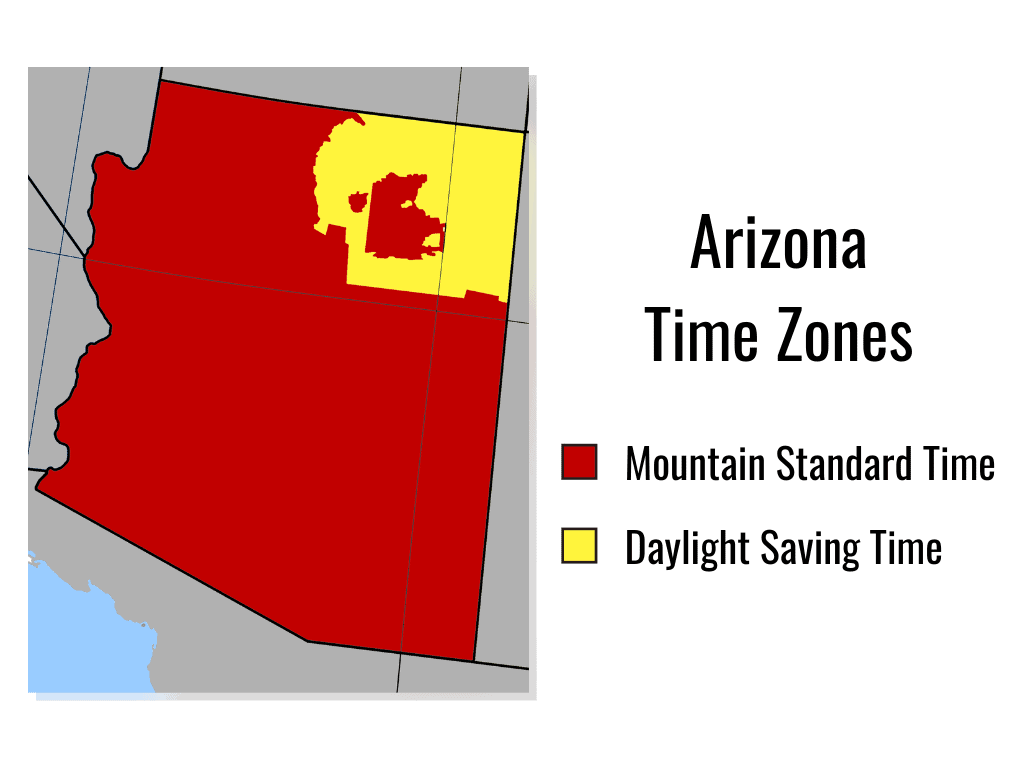
The most significant aspect of Arizona’s relationship with Daylight Saving Time is its exemption. With the exception of the Navajo Nation, the entire state foregoes the practice of adjusting clocks forward in the spring and backward in the fall. This means that Arizona operates on Standard Time year-round, maintaining a consistent temporal rhythm while much of the rest of the country springs forward and falls back.
Historical Roots of the Decision
Arizona’s decision to opt out of Daylight Saving Time is not a recent development. The practice of DST itself has a complex history, with various arguments for and against its implementation. In Arizona, the primary driver for eschewing DST was the significant heat experienced during the summer months. Proponents of remaining on Standard Time argued that extending daylight hours into the evening would only exacerbate the already extreme temperatures, leading to longer periods of oppressive heat and potentially increased energy consumption for cooling.
The logic was straightforward: if the sun sets later in the summer, temperatures remain higher for longer. By not engaging in DST, Arizona effectively experiences earlier sunsets during the warmer months, allowing the air to cool down more effectively in the evening. This was a practical consideration aimed at improving the quality of life and reducing strain on the power grid during peak demand periods.
The Navajo Nation Exception
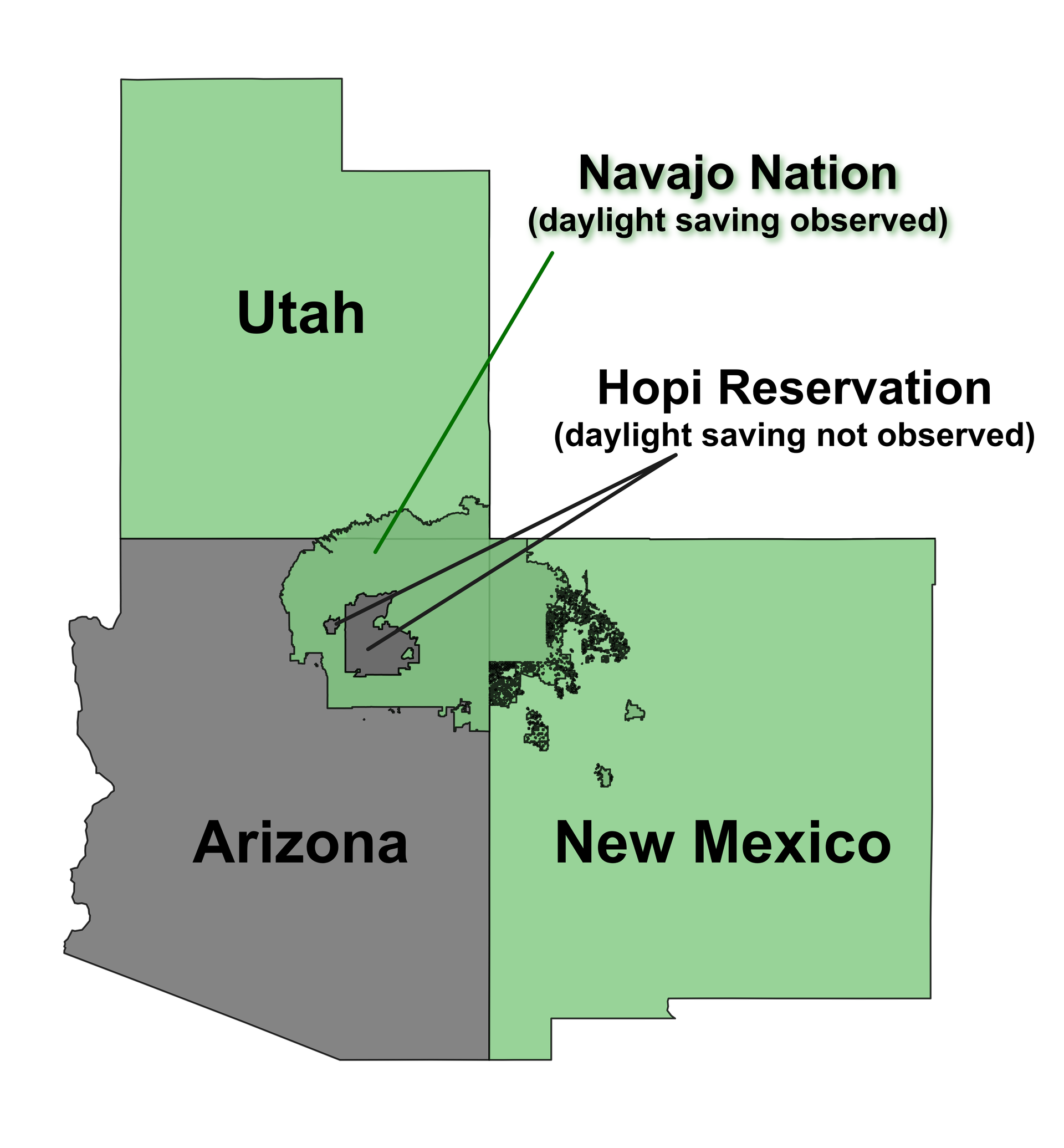
While the vast majority of Arizona remains on permanent Standard Time, there is a crucial exception: the Navajo Nation. This expansive tribal land, which spans parts of Arizona, New Mexico, and Utah, does observe Daylight Saving Time. This creates an interesting temporal anomaly for those traveling within the reservation boundaries.
When DST is in effect in most of the United States, the Navajo Nation will be one hour ahead of the rest of Arizona. This can lead to confusion for visitors, particularly when crossing into or out of the reservation for activities, dining, or staying at accommodations within the Navajo Nation, such as near Monument Valley. It is essential for travelers to be aware of this difference and to adjust their watches or phones accordingly, as many digital devices automatically update time zones, which can be misleading in this unique scenario. For instance, if you are attending a guided tour departing from a town on the reservation, understanding the local time is paramount to avoid missing your departure.
Implications for Travelers and Tourists
The temporal distinctiveness of Arizona has several practical implications for visitors planning their Arizona adventure. Understanding these can help you maximize your enjoyment and minimize any potential logistical hiccups.
Planning Your Itinerary
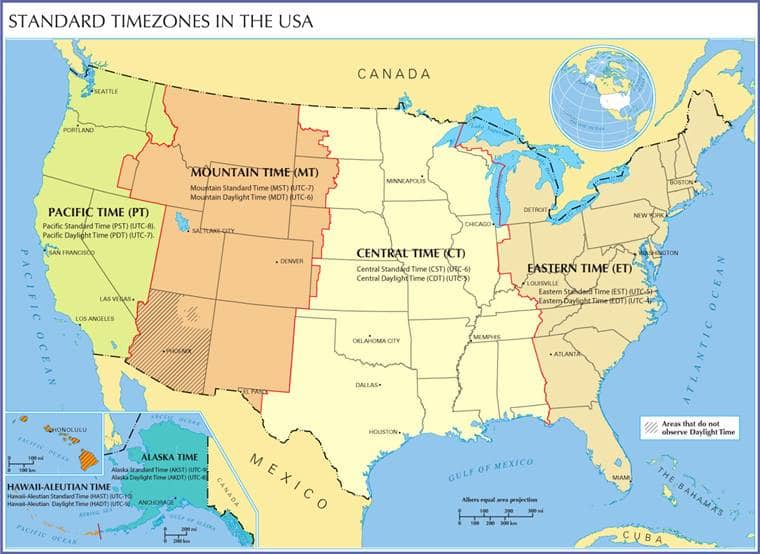
When scheduling activities, especially those that span across the Navajo Nation border or involve checking into accommodations in different time zones, careful planning is essential. For example, if you plan a day trip from Flagstaff (which does not observe DST) to visit a landmark within the Navajo Nation during DST, you will effectively gain an hour of daylight exploration time relative to Phoenix. Conversely, if you are departing from a location within the Navajo Nation to a part of Arizona that does not observe DST, you will lose an hour.
This temporal difference is particularly relevant for outdoor activities that rely on daylight, such as hiking in Sedona, exploring the Grand Canyon, or stargazing in the famously dark skies of Flagstaff. With Arizona remaining on Standard Time, you will experience earlier sunrises and sunsets compared to states that observe DST. This can be advantageous for early morning excursions, allowing you to beat the heat and enjoy the cooler temperatures. It also means that evenings cool down more swiftly, which can be a welcome relief for those seeking comfortable outdoor dining or enjoying the vibrant nightlife in cities like Phoenix or Tucson.
Accommodation and Booking Considerations
When booking hotels, resorts, or vacation rentals, it is always prudent to confirm the local time with your accommodation provider, especially if your stay is near or within the Navajo Nation. While most online booking platforms will list times in the local standard time of the property, a quick confirmation can prevent misunderstandings. For instance, if you have a 7:00 AM checkout from a hotel in Page, Arizona (just outside the reservation) and then need to drive into the Navajo Nation for a morning activity, you’ll need to account for the one-hour time difference if DST is in effect for the reservation.
Driving and Navigation
For drivers, the time difference can be a minor but persistent consideration. GPS devices and smartphones generally update automatically, but it’s wise to be aware of the underlying temporal mechanics. If you are relying on printed directions or relying on local advice, always clarify the time being referenced. For example, if a local recommends an activity for “sunset,” ensure you know which sunset they mean – the one in standard Arizona time or the DST-adjusted time of the Navajo Nation. This is particularly important for driving routes that might involve crossing between these two temporal zones.
Experiencing Arizona’s Unique Light and Heat
Arizona’s decision to forgo Daylight Saving Time is intrinsically linked to its climate and the way its residents and visitors experience the state. The perpetual Standard Time contributes to a distinct rhythm of daily life, especially during the scorching summer months.
Embracing the Heat
Arizona summers are legendary for their intensity. While many travelers might expect the prolonged daylight of DST to extend the heat of the day, Arizona’s early sunsets offer a slight reprieve. The cooler evening hours can be perfect for enjoying outdoor patios at restaurants in Scottsdale or taking a leisurely stroll through the historic streets of Tombstone. The golden hour, when the sun begins to dip below the horizon, casts a magnificent glow over the desert landscapes, creating breathtaking photographic opportunities. This is especially true in places like Antelope Canyon or along the Apache Trail, where the light plays dramatically on the rock formations.
Early Riser Advantages
For those who rise with the sun, Arizona’s year-round Standard Time is a boon. The earlier sunrises allow for ample time to explore attractions like the Petrified Forest National Park or to embark on a challenging hike up Camelback Mountain in Phoenix before the midday sun becomes unbearable. This also means that by late afternoon, when many other parts of the country are still basking in prolonged daylight, Arizona begins its descent into cooler, more comfortable evenings. This early onset of twilight can be particularly appealing for families with young children, allowing for more relaxed evening routines.
Navigating the Temporal Landscape
Ultimately, Arizona’s unique approach to time is a fascinating aspect of its identity. It’s a decision rooted in practicality and a deep understanding of the state’s environment. For travelers, the key is awareness and a willingness to adapt. By understanding that Arizona (minus the Navajo Nation) remains on Standard Time year-round, you can better plan your excursions, book your accommodations, and truly immerse yourself in the distinct rhythm of this captivating American Southwest destination. Whether you’re marveling at the geological wonders of the Grand Canyon or soaking in the vibrant culture of its cities, knowing Arizona’s time is an essential tool for a well-planned and unforgettable journey.
LifeOutOfTheBox is a participant in the Amazon Services LLC Associates Program, an affiliate advertising program designed to provide a means for sites to earn advertising fees by advertising and linking to Amazon.com. Amazon, the Amazon logo, AmazonSupply, and the AmazonSupply logo are trademarks of Amazon.com, Inc. or its affiliates. As an Amazon Associate we earn affiliate commissions from qualifying purchases.