
The Allure of Chicago as a Cinematic Backdrop
The bustling metropolis of Chicago has long captured the imagination of filmmakers and television producers alike, transforming its iconic skyline, diverse neighborhoods, and gritty urban charm into an unparalleled cinematic canvas. Far beyond its architectural marvels and deep-dish pizzas, Chicago offers a narrative richness that resonates with audiences worldwide, establishing itself as a prime destination for “set tourism.” This phenomenon, where fans travel to visit filming locations of their favorite shows and movies, has become a significant driver for local economies and cultural engagement.
From Silver Screen to Small Screen: Chicago’s Enduring Appeal
Chicago’s presence in popular culture dates back decades, with landmark films showcasing its distinctive character. From the thrilling car chases of “The Blues Brothers” to the profound narratives of “Ferris Bueller’s Day Off,” the city itself often plays a role as vital as any character. In the modern era, television has further cemented Chicago’s status as a star. The consistent presence of long-running series shot entirely within the city limits provides an ongoing, dynamic advertisement for its attractions, local flavor, and vibrant atmosphere. This consistent exposure helps viewers forge a personal connection with the city, inspiring them to experience it firsthand.
The “One Chicago” Franchise and Its Global Footprint
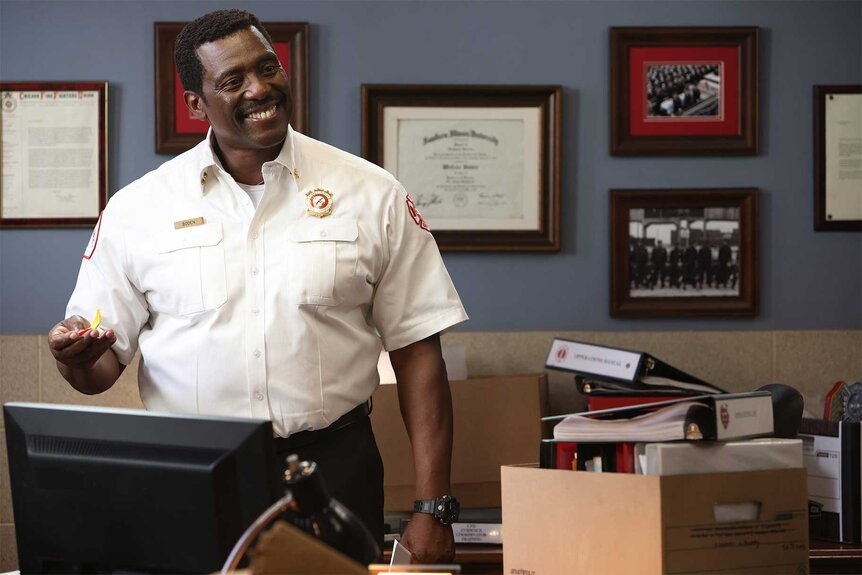
Among the most impactful examples of television’s influence on Chicago tourism is the “One Chicago” franchise. Spearheaded by the wildly popular series Chicago Fire, alongside its spin-offs like “Chicago P.D.” and “Chicago Med,” these shows have carved out a dedicated global fanbase. Chicago Fire, in particular, brings the heroic daily lives of firefighters and paramedics to millions, showcasing not just dramatic rescues but also the authentic spirit of Chicago communities. Fans often plan their visits to Chicago with the specific intent of seeking out recognizable filming locations, dining at establishments mentioned in the show, or simply soaking in the atmosphere that defines these beloved series. The steady rhythm of production also provides stable employment for local crews and contributes significantly to the city’s overall economic well-being, indirectly enhancing the visitor experience through a thriving local culture.
Decoding the Impact of Beloved Characters on Set Tourism
The success of any long-running television series hinges not only on compelling storylines but crucially on its characters. These fictional individuals become extensions of our lives, their journeys intertwining with our own viewing experiences. For shows like Chicago Fire, the bond forged between audiences and characters is particularly strong, making any potential shift in the cast a topic of fervent discussion and, surprisingly, a factor that can subtly influence tourism trends.
Lieutenant Christopher Boden: A Pillar of Firehouse 51’s Fictional and Real-World Presence
Lieutenant Christopher Boden, portrayed with gravitas and unwavering leadership, stands as one of the most iconic figures within the Chicago Fire universe. As the Battalion Chief of Firehouse 51, he embodies the courage, resilience, and community spirit central to the show’s appeal. For many fans, Boden is synonymous with the series itself, a steadfast presence whose departure would send ripples throughout the fan community. When discussions arise about a character like Boden potentially leaving, it’s not just a matter of plot speculation; it’s a perceived shift in the show’s very foundation. For “set tourists” eager to connect with the show’s authenticity, the idea of a beloved character’s exit can influence their perception of the show’s future and, by extension, their interest in visiting Chicago to experience its “real-world” counterpart.
How Character Arcs Influence Fan Engagement and Travel Choices

The emotional investment fans place in characters directly correlates with their engagement with the show’s world, both fictional and real. A character’s journey, their highs and lows, contributes to the overall narrative tapestry that makes a series compelling. If a major character departs, especially under dramatic circumstances, it can either reinvigorate interest (if the storyline is well-received) or cause a segment of the fanbase to disengage. For destinations like Chicago that benefit from film tourism, such shifts in fan engagement are noteworthy. While the allure of Chicago itself remains constant, the ongoing vibrancy of its associated TV narratives can serve as a continuous draw for repeat visitors or first-time travelers inspired by the show. A stable, beloved cast often signifies a strong, enduring narrative, which in turn fuels sustained interest in the real-world locations that bring that narrative to life.
Experiencing Chicago Through the Lens of Chicago Fire
For fans of Chicago Fire, visiting Chicago is not merely about seeing landmarks; it’s about stepping into the world they’ve come to love. The city becomes an open-air museum of the show, where every street corner and building can evoke a memory from an episode. This immersive experience is a cornerstone of “set tourism,” offering a unique perspective on Chicago’s local culture and everyday life.
Iconic Filming Locations: Beyond Firehouse 51
While the exterior of Firehouse 51 (Engine 18 on S. Blue Island Ave in the Near West Side neighborhood) is undoubtedly a pilgrimage site for fans, Chicago Fire utilizes a vast array of other real-world locations throughout the city. From bustling downtown streets where intense rescues unfold to quiet residential areas for character-driven scenes, the show paints a comprehensive picture of Chicago. Fans can embark on self-guided tours, identifying spots such as Molly’s Pub (Lottie’s Pub in real life), Grant Park, or even specific bridges and alleyways that have featured prominently. These excursions offer a fresh way to explore the city, steering visitors towards local gems they might otherwise overlook and encouraging interaction with the communities that serve as the show’s backdrop.
The Culinary Scene: A Taste of Chicago as Seen on Screen
Food and local culture are inextricably linked, and Chicago Fire often highlights Chicago’s renowned culinary landscape. From casual hangouts to celebratory dinners, food plays a role in the characters’ lives. Visitors can follow in their footsteps, sampling quintessential Chicago fare like deep-dish pizza from famous pizzerias, hot dogs from classic stands, or exploring the diverse ethnic cuisines featured in various episodes. Dining at establishments that either inspired those on the show or are popular with cast and crew (as well as locals) offers a deeper, more sensory connection to the city’s authentic pulse. It’s an opportunity to experience Chicago’s vibrant food scene not just as a tourist, but through the narrative lens of a cherished television series.
The Future of Chicago Fire and Its Tourism Legacy
The longevity of a show like Chicago Fire contributes significantly to Chicago’s ongoing appeal as a tourist destination. As the series evolves, so too does its potential to influence future travel trends. The question of significant character changes, such as the potential departure of a figure like Lieutenant Boden, naturally sparks conversation about the show’s future trajectory and its lasting impact on the city it calls home.
Sustaining Fan Interest and Tourist Influx
For film tourism to remain robust, the source material must continue to captivate its audience. A well-executed character arc, even one involving a departure, can inject new energy into a series, maintaining viewer engagement and, by extension, the motivation for fans to visit filming locations. The enduring appeal of Chicago Fire lies in its ability to balance intense drama with relatable human stories. As long as the show continues to deliver compelling narratives, regardless of cast changes, it will likely sustain its global fanbase and, consequently, the stream of tourists drawn to experience Chicago through its unique lens. The city itself is a character that never leaves, providing a consistent and powerful anchor for this form of tourism.

Chicago’s Unfolding Narrative for Visitors
Ultimately, Chicago’s role as a prominent television setting is a powerful component of its tourism strategy. The “One Chicago” franchise, with Chicago Fire at its heart, offers a dynamic and constantly updated narrative through which visitors can engage with the city. Whether it’s through tracking down famous filming spots, sampling local cuisine, or simply appreciating the cityscape that forms the backdrop to countless dramatic scenes, Chicago invites visitors to explore its depths. The discussion around characters like Boden is a testament to the show’s deep cultural penetration, reminding us that even fictional stories have tangible impacts on the real-world places they depict, influencing how we perceive and choose to explore them. Chicago’s narrative as a welcoming, vibrant, and cinematic destination continues to unfold, ensuring its place on the itineraries of travelers worldwide.
LifeOutOfTheBox is a participant in the Amazon Services LLC Associates Program, an affiliate advertising program designed to provide a means for sites to earn advertising fees by advertising and linking to Amazon.com. Amazon, the Amazon logo, AmazonSupply, and the AmazonSupply logo are trademarks of Amazon.com, Inc. or its affiliates. As an Amazon Associate we earn affiliate commissions from qualifying purchases.