
The question of employment law in Kansas is a frequent one for both employers and employees within the Sunflower State. Understanding the nuances of “at-will” employment is crucial for navigating the professional landscape, whether you are establishing a business, seeking new career opportunities, or simply aiming to comprehend your rights and responsibilities. This concept, deeply ingrained in the American labor system, dictates the terms under which an employment relationship can be terminated. For Kansas, like most other U.S. states, the default employment relationship is indeed “at-will.”
Understanding At-Will Employment in Kansas
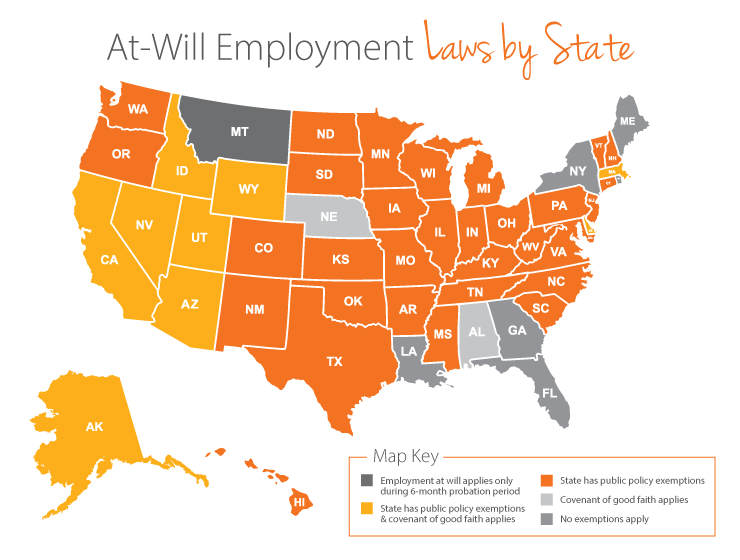
At its core, “at-will” employment means that either the employer or the employee can terminate the employment relationship at any time, for any reason, or for no reason at all, as long as the reason is not illegal. This principle is rooted in common law and has been adopted by the vast majority of states. In Kansas, this doctrine operates unless there are specific exceptions that modify or override it.
The Default Principle
The fundamental tenet of at-will employment is the lack of a fixed-term contract. Without a contract specifying a duration of employment or outlining specific conditions for termination, the understanding is that the job is open-ended. This allows for flexibility in the workforce, enabling businesses to adapt to changing market conditions and employees to pursue better opportunities. However, this flexibility comes with the inherent risk for employees that their job security is not guaranteed beyond the immediate present.
Historical Context and Legal Basis
The at-will doctrine emerged in the late 19th century, gaining traction as the industrial economy grew. It was seen as a way to promote business efficiency and adaptability. In Kansas, as in other states, this doctrine has been repeatedly affirmed by court decisions. While there have been legislative efforts and judicial interpretations that have introduced limitations, the underlying principle remains. The interpretation and application of these principles are often subject to ongoing legal debate and case law evolution.
Exceptions to the At-Will Doctrine
While Kansas is an at-will state, this does not mean that employers have unfettered power to terminate employment. Several important exceptions limit the at-will doctrine, providing crucial protections for employees. These exceptions are designed to prevent wrongful termination and ensure fair treatment in the workplace.
Public Policy Exception
One of the most significant exceptions to the at-will doctrine is the public policy exception. This exception prohibits an employer from terminating an employee for reasons that violate a clearly established public policy. This can include situations where an employee is fired for:
- Refusing to commit an illegal act: If an employer asks an employee to perform an illegal action, and the employee refuses, they cannot be terminated for that refusal. For instance, an employee cannot be fired for refusing to falsify company records or to violate environmental regulations.
- Reporting illegal activity: Employees who report illegal activities by their employer, either internally or to a government agency (whistleblowing), are generally protected from retaliation. This is a vital mechanism for ensuring corporate accountability and protecting the public interest.
- Exercising a legal right: This can include actions such as filing a workers’ compensation claim after a workplace injury or participating in a legally protected activity, such as jury duty. Terminating an employee for exercising such rights would be considered a violation of public policy.
- Performing a public duty: Employees cannot be fired for fulfilling civic duties, such as serving on a jury or performing military service.
The scope of the public policy exception can be complex and is often determined by specific state statutes and court rulings. In Kansas, courts have recognized this exception, and its application continues to be shaped by new legal interpretations.
Contractual Exceptions
While many employment relationships in Kansas are at-will, some employees may have employment contracts that alter the at-will status.
Express Contracts
An express contract is a formal agreement, either written or oral, that specifies the terms and conditions of employment, including the duration of employment and the grounds for termination. If such a contract exists and outlines specific conditions for dismissal (e.g., requiring “just cause”), the employer must adhere to those terms. A breach of this contract by the employer could lead to legal action.
Implied Contracts
Implied contracts are not explicitly stated but are created by the actions, statements, or policies of the employer. This can arise from:

- Employee Handbooks and Policy Manuals: If an employee handbook or policy manual contains language that suggests job security or outlines a specific disciplinary procedure that must be followed before termination, it could be interpreted as an implied contract. For example, a handbook that promises termination only for specific reasons or after a series of warnings might create an implied contract.
- Oral Assurances: In some limited circumstances, oral promises made by management regarding job security or termination procedures might also be construed as creating an implied contract, though these are typically harder to prove than written agreements.
It is important for employees to carefully review any employment agreements, handbooks, or policies provided by their employer to understand the terms of their employment and any potential contractual modifications to the at-will doctrine.
Statutory Exceptions
Beyond common law exceptions, federal and state statutes provide additional protections against wrongful termination. These laws prohibit employers from terminating employees for discriminatory reasons.
Anti-Discrimination Laws
Federal laws, such as Title VII of the Civil Rights Act of 1964, the Age Discrimination in Employment Act (ADEA), and the Americans with Disabilities Act (ADA), prohibit discrimination based on protected characteristics. These include:
- Race
- Color
- Religion
- Sex (including pregnancy, sexual orientation, and gender identity)
- National Origin
- Age (40 and over)
- Disability
- Genetic Information
Kansas has its own anti-discrimination laws, such as the Kansas Act Against Discrimination (KAAD), which often mirrors federal protections and may offer additional safeguards. Terminating an employee because of their membership in a protected class is illegal under these statutes.
Other Statutory Protections
Various other federal and state laws offer protections that can indirectly limit at-will employment. These include laws related to:
- Family and Medical Leave Act (FMLA): Protects employees who take approved leave for specific family and medical reasons from job loss.
- National Labor Relations Act (NLRA): Protects employees’ rights to organize and engage in concerted activities for their mutual aid or protection.
- Workers’ Compensation Laws: Prohibit retaliation against employees who file or intend to file a workers’ compensation claim.
Navigating Employment in an At-Will State
For both employers and employees in Kansas, understanding the implications of at-will employment is paramount. It fosters a framework for clear expectations and legal compliance.
For Employers
Businesses operating in Kansas should establish clear policies and procedures regarding hiring, discipline, and termination.
- Consistent Application of Policies: Ensure that company policies are applied consistently across all employees to avoid claims of discrimination or unfair treatment.
- Document Everything: Maintain thorough documentation of employee performance, disciplinary actions, and reasons for termination. This is critical if an employee challenges a termination.
- Review Employee Handbooks: Regularly review and update employee handbooks to ensure they accurately reflect current employment law and do not inadvertently create contractual obligations that contradict at-will principles.
- Train Managers: Provide comprehensive training to managers and supervisors on employment law, company policies, and best practices for handling employee relations to prevent legal pitfalls.
For Employees
Employees in Kansas should be aware of their rights and seek clarification on their employment status.
- Understand Your Employment Agreement: Carefully read any employment contracts, offer letters, and employee handbooks. Pay attention to any clauses that might modify the at-will status.
- Know Your Rights: Familiarize yourself with federal and state anti-discrimination laws and public policy exceptions to at-will employment.
- Document Performance and Interactions: Keep records of positive performance reviews, commendations, and any instances of potential discrimination or retaliation.
- Seek Legal Counsel: If you believe you have been wrongfully terminated or are facing unfair employment practices, consult with an employment attorney. An attorney can assess your situation and advise on potential legal recourse.
Conclusion: A Balancing Act of Flexibility and Protection
Kansas operates under the at-will employment doctrine, a foundational principle that allows for flexibility in the employer-employee relationship. However, this doctrine is not absolute. A robust set of exceptions, including those based on public policy, contractual agreements, and statutory protections against discrimination and retaliation, ensures that the at-will framework balances business needs with fundamental employee rights. For anyone working in or doing business in Kansas, a thorough understanding of these principles and their exceptions is key to navigating the professional environment successfully and equitably. This understanding empowers individuals and organizations to operate within the bounds of the law, fostering a more secure and just workplace.
LifeOutOfTheBox is a participant in the Amazon Services LLC Associates Program, an affiliate advertising program designed to provide a means for sites to earn advertising fees by advertising and linking to Amazon.com. Amazon, the Amazon logo, AmazonSupply, and the AmazonSupply logo are trademarks of Amazon.com, Inc. or its affiliates. As an Amazon Associate we earn affiliate commissions from qualifying purchases.