
Chicago, the “Windy City,” holds a prominent place on many travel wish lists, renowned for its stunning architecture, vibrant arts scene, and culinary delights. Yet, for many prospective visitors, the first question that arises is often about cost: Is Chicago expensive? The answer, like with any major global city, is nuanced, depending heavily on an individual’s travel lifestyle, priorities, and spending habits. While Chicago can certainly accommodate a lavish vacation, it also offers numerous avenues for an enriching experience on a more modest budget. Understanding the cost breakdown across various categories is key to determining if a trip to this iconic metropolis aligns with your financial comfort zone.

Decoding Accommodation Costs for Every Lifestyle
Accommodation is typically the largest variable expense in any travel budget, and Chicago presents a spectrum of options tailored to different financial inclinations. From budget-friendly hostels to opulent five-star resorts, the city caters to diverse lifestyle needs.
Budget-Conscious Stays
For the lifestyle traveler prioritizing savings, Chicago offers several wallet-friendly choices. Hostels, particularly those in vibrant neighborhoods like River North or near major transit hubs, can provide dormitory beds for as low as $30-$60 per night. Options like HI Chicago Hostel or Freehand Chicago combine affordability with social atmospheres. Budget hotels and motels, often found slightly outside the immediate downtown core but still accessible via public transport, can range from $80-$150 per night. These might include properties in areas like Lincoln Park or Pilsen, offering a more local experience. Airbnb and other vacation rental platforms also present opportunities for budget travelers, especially for longer stays or groups willing to share apartments, where a private room might start from $70-$120. Choosing accommodation with kitchen access can further reduce dining costs, aligning perfectly with a thrifty travel lifestyle.
Mid-Range Comfort
The majority of travelers fall into the mid-range category, seeking a balance between cost and comfort. Chicago’s mid-tier hotel market is robust, with numerous options providing excellent value. Hotels like Hyatt Centric Chicago Magnificent Mile, Hotel Julian Chicago, or Kimpton Gray Hotel typically offer rooms from $150-$300 per night, depending on the season and specific location. These properties often boast prime locations, comfortable amenities, and good service without the exorbitant price tag of luxury establishments. Many mid-range hotels are situated within easy walking distance of major attractions, reducing transportation costs. For business travelers, many corporate hotels also fall into this bracket, providing necessary services like business centers and meeting rooms. Families often find great value in these types of hotels, especially those offering connecting rooms or suites with a bit more space.
Luxury Indulgence
For the lifestyle traveler seeking unparalleled luxury and service, Chicago does not disappoint. The city is home to an array of world-class hotels known for their exquisite design, gourmet dining, and personalized service. Iconic institutions like The Peninsula Chicago, Four Seasons Hotel Chicago, Waldorf Astoria Chicago, or The Langham Chicago offer rooms starting from $400-$800 per night, with suites often commanding upwards of $1,000. These luxury properties are often located on the Magnificent Mile or in the Loop, placing guests at the heart of the city’s upscale shopping and cultural districts. For the business traveler, these hotels provide not just comfort but also a prestigious environment for meetings and networking. Luxury lifestyle extends beyond the room; it encompasses concierge services, spa treatments, fine dining within the hotel, and exclusive access, all contributing to a premium experience.
Navigating Dining: From Deep Dish to Fine Dining
Chicago’s culinary landscape is as diverse as its population, offering everything from iconic street food to Michelin-starred restaurants. The cost of eating depends entirely on your dietary preferences and lifestyle choices.
Affordable Eats and Street Food
Eating well on a budget in Chicago is entirely possible. The city is famous for its deep-dish pizza, and a slice or a small pie from establishments like Lou Malnati’s, Giordano’s, or Pequod’s Pizza can be a filling meal for $5-$20. Chicago-style hot dogs are another budget staple, with vendors and casual eateries offering them for around $4-$7. Ethnic neighborhoods like Chinatown, Pilsen (Mexican), or Devon Avenue (Indian/Pakistani) boast a plethora of affordable and authentic restaurants where a hearty meal can be had for $10-$20. Supermarkets and local markets also provide options for travelers who prefer to prepare their own meals, a common strategy for budget and family travelers.
Casual Dining and Local Favorites
For the mid-range lifestyle, Chicago abounds with casual dining establishments, gastropubs, and popular local spots offering excellent food in a relaxed atmosphere. A meal at a popular brunch spot, a trendy bistro in Wicker Park, or a craft brewery often costs $25-$50 per person, including a drink. Many restaurants around Navy Pier or in areas popular with tourists fall into this category. These options are perfect for families seeking diverse menus or business travelers looking for a less formal but still high-quality dining experience.
Upscale Culinary Experiences
Chicago is a gastronomic powerhouse, home to numerous Michelin-starred restaurants and celebrity chef establishments. For those whose lifestyle includes fine dining, the city offers an unparalleled culinary journey. Restaurants like Alinea, Smyth, Ever, or Oriole offer tasting menus that can range from $200-$500 per person, excluding drinks and gratuity. Even high-end steakhouses or renowned ethnic restaurants can easily amount to $100-$200 per person. These experiences are a splurge, typically reserved for luxury travelers, special occasions, or business entertainment, and are a key part of the high-end Chicago lifestyle.
Attractions and Entertainment: Value vs. Splurge
Chicago offers a wealth of attractions, from world-class museums to architectural wonders. Many experiences can be enjoyed affordably, while others represent a significant investment, allowing travelers to tailor their itinerary to their lifestyle and budget.
Free and Low-Cost Activities
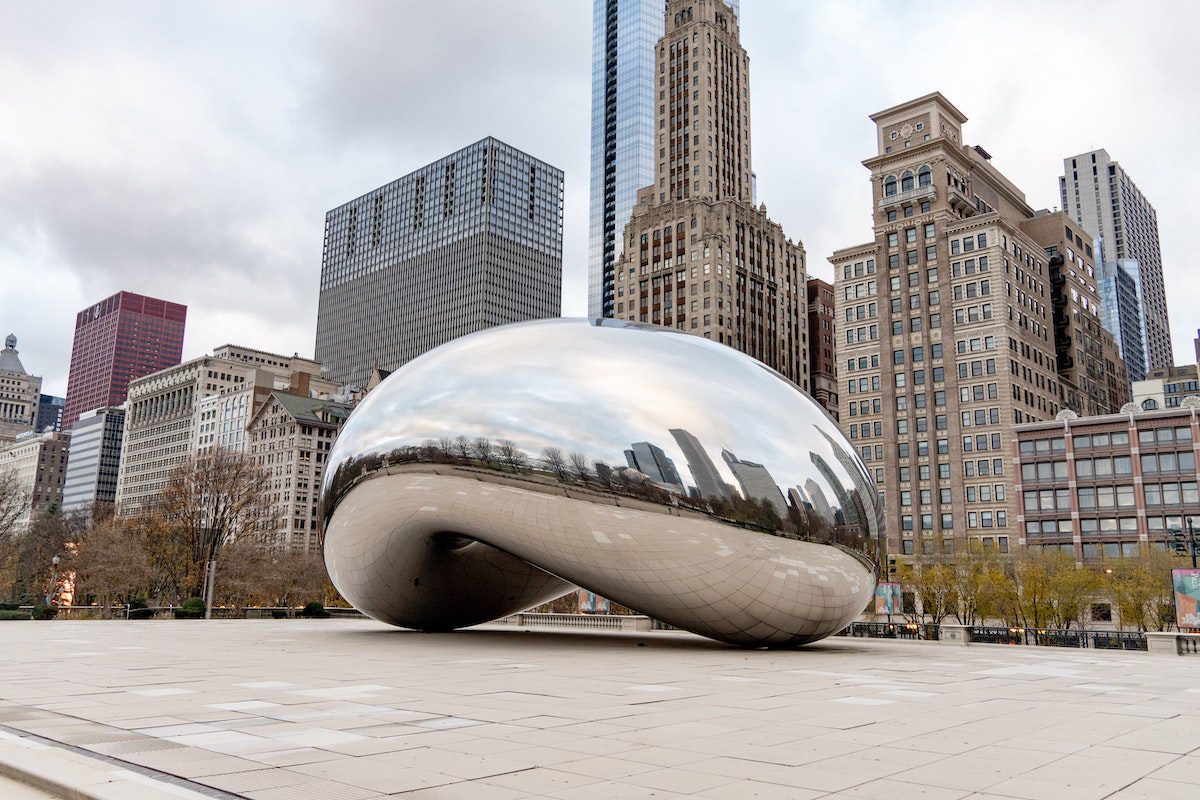
A budget-conscious lifestyle doesn’t mean missing out on Chicago’s best. Strolling through Millennium Park to see “The Bean” (Cloud Gate) and the Crown Fountain is free. Walking or biking along the Lakefront Trail offers stunning views of Lake Michigan and the city skyline. Visiting the free permanent collections at the National Museum of Mexican Art or the Lincoln Park Zoo are excellent no-cost options. Many neighborhood festivals and free concerts occur during the warmer months. Taking a free walking tour (tip-based) can also provide a rich introduction to the city’s history and culture, aligning perfectly with a cultural but budget-minded traveler.
Popular Paid Attractions
For most travelers, visiting some of Chicago’s marquee attractions is a must. Admission to major museums like the Art Institute of Chicago, Field Museum, or Shedd Aquarium typically ranges from $25-$40 per person. Observation decks like Skydeck Chicago at Willis Tower or 360 Chicago at the John Hancock Center cost around $30-$40. The renowned Chicago Architecture Foundation Center River Cruise is a highlight for many, priced at approximately $50-$60. To manage these costs, the Chicago CityPASS offers discounted bundled admission to several top attractions, providing significant savings for families or travelers planning to visit multiple sites. This appeals to the smart lifestyle traveler looking for value.
Evening Entertainment and Special Events
Chicago’s nightlife and entertainment scene can also contribute significantly to expenses. Tickets for a Broadway show in the Loop can range from $50-$200+. Live music venues, comedy clubs (like The Second City), and sports events (e.g., Chicago Cubs at Wrigley Field or Chicago Bulls at United Center) vary wildly in price, from $30 for a casual show to hundreds for premium seats. For luxury travelers or those celebrating special occasions, these experiences are an integral part of their Chicago lifestyle, while budget travelers might opt for a free concert in the park or a low-cost happy hour.
Transportation and Incidentals: The Hidden Costs
While often overlooked, daily transportation and miscellaneous expenses can accumulate quickly, impacting any travel budget. Chicago offers efficient public transport, but lifestyle choices affect final costs.
Public Transit vs. Rideshares
Chicago’s CTA (Chicago Transit Authority) ‘L’ train and bus system is comprehensive and affordable. A single ride costs $2.50, and multi-day passes (e.g., 3-day for $15, 7-day for $20) offer unlimited rides, making it the most economical choice for all lifestyle travelers. For business travelers or those prioritizing convenience, rideshares (Uber, Lyft) and taxis are readily available but significantly more expensive, especially during peak hours or for longer distances. A typical ride downtown might cost $10-$30. Airport transfers via the ‘L’ are about $5 from O’Hare International Airport or Midway International Airport, while a taxi or rideshare can cost $40-$70. Renting a car is generally not recommended for tourists staying primarily downtown due to parking costs ($30-$60 per day) and traffic, but might appeal to families planning day trips outside the city.
Shopping and Souvenirs
The Magnificent Mile is a renowned shopping destination, offering everything from high-street brands to luxury boutiques. For some lifestyle travelers, shopping is a core part of their experience, while for others, it’s an incidental expense. Budget travelers might stick to souvenir shops, while luxury travelers might explore designer stores like Gucci or Louis Vuitton. Don’t forget to factor in sales tax (currently around 10.25% in Chicago) on purchases.
Crafting Your Chicago Budget: A Lifestyle Perspective
So, is Chicago expensive? It absolutely can be, but it doesn’t have to be. The cost ultimately depends on your individual lifestyle and priorities.
Daily Averages for Different Travelers
- Budget Traveler ($70-$150/day): This includes a hostel bed or budget hotel, eating mostly street food and affordable ethnic meals, utilizing public transport, and focusing on free attractions or the Chicago CityPASS.
- Mid-Range Traveler ($150-$350/day): Expect a comfortable mid-tier hotel, a mix of casual dining and a nicer meal or two, some rideshares combined with public transport, and several paid attractions. This is ideal for most tourists, families, and many business travelers.
- Luxury Traveler ($400-$1000+/day): This budget allows for a five-star hotel, fine dining experiences, taxis/rideshares everywhere, exclusive tours, premium entertainment tickets, and potential high-end shopping.

Smart Saving Strategies
Regardless of your general lifestyle, there are always ways to optimize your spending in Chicago:
- Travel Off-Peak: Visiting during the shoulder seasons (spring or fall) or winter often yields lower hotel prices and fewer crowds.
- Utilize Public Transport: Invest in a multi-day CTA pass.
- Mix Dining Options: Balance a splurge meal with several budget-friendly options, especially from Chicago’s diverse ethnic food scene.
- Look for Free Activities: Chicago has an abundance of parks, free museums, and public art.
- Consider a CityPASS: If you plan to visit multiple major attractions, a bundled pass can save you money.
- Book in Advance: Especially for hotels and popular tours, booking early can secure better rates.
In conclusion, Chicago offers experiences for every budget and lifestyle. With careful planning and an understanding of where costs can fluctuate, you can tailor a trip that is both unforgettable and financially comfortable. It’s not about whether Chicago is inherently expensive, but rather how you choose to experience it.
LifeOutOfTheBox is a participant in the Amazon Services LLC Associates Program, an affiliate advertising program designed to provide a means for sites to earn advertising fees by advertising and linking to Amazon.com. Amazon, the Amazon logo, AmazonSupply, and the AmazonSupply logo are trademarks of Amazon.com, Inc. or its affiliates. As an Amazon Associate we earn affiliate commissions from qualifying purchases.