
When planning a visit to a vibrant metropolis like Chicago, understanding its underlying character and values can significantly enrich the travel experience. Beyond its iconic architecture, world-class museums, and culinary prowess, Chicago’s political identity plays a subtle yet pervasive role in shaping its local culture, public spaces, and the general atmosphere tourists encounter. For those seeking to immerse themselves fully in the spirit of the Windy City, recognizing its political leanings provides valuable context.
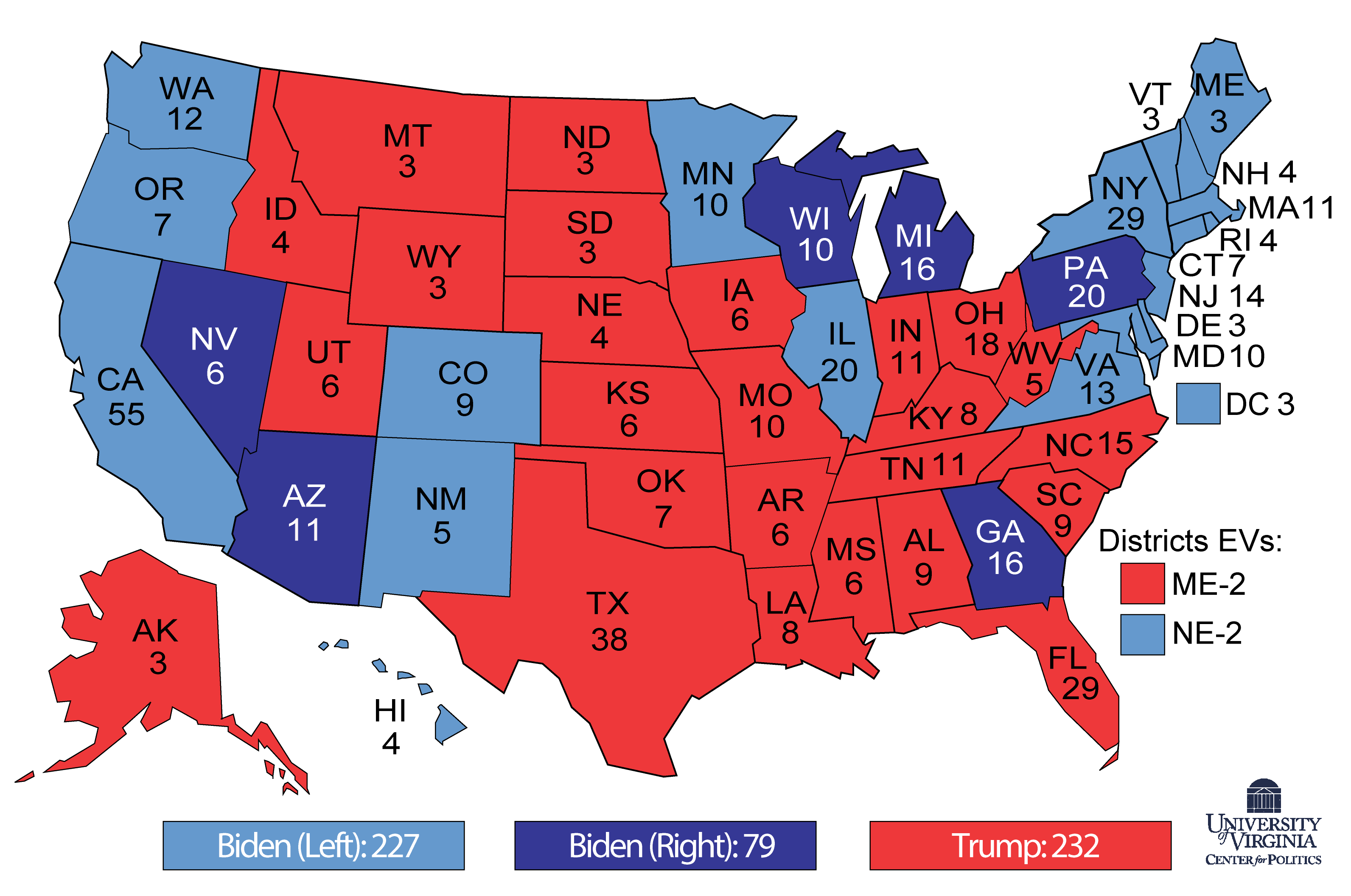
Chicago is, unequivocally, a historically Democratic stronghold. Both the city and Cook County, where it primarily resides, consistently vote overwhelmingly for Democratic candidates in local, state, and national elections. This deep-seated political identity is not merely a voting pattern; it is woven into the fabric of the city’s governance, social policies, and the collective ethos that defines its communities. For the tourist, this translates into a destination that champions progressive values, diversity, robust public services, and a strong emphasis on community and social welfare.
Understanding Chicago’s Political Identity through its Culture
The enduring Democratic alignment of Chicago isn’t a modern phenomenon; it’s rooted in a rich history of labor movements, immigrant communities, and urban development policies that have historically prioritized collective welfare and social equity. This political heritage profoundly influences the city’s cultural landscape, making it a destination where community engagement, artistic expression, and social progress are not just aspirations but tangible realities.
A Legacy of Progressive Urbanism
Chicago’s history is marked by visionary urban planning, often championed by leaders with progressive ideologies. The city boasts an extensive network of parks, public beaches, and green spaces, from the sprawling Lincoln Park to the magnificent Grant Park, which serves as Chicago’s front yard. These public amenities are a testament to a philosophy that values accessible urban green infrastructure for all residents and visitors, a hallmark of progressive governance. The development of the Chicago Riverwalk transformed an industrial waterway into a vibrant public promenade, offering free access to stunning city views and recreational opportunities. Such projects reflect a commitment to enhancing the public realm, an initiative often prioritized in Democrat-led administrations focused on urban improvement and quality of life.
How Politics Shapes Public Spaces and Services
The political identity of Chicago also directly impacts the quality and accessibility of its public services, which are often a boon for tourists. The city’s robust public transportation system, the CTA (Chicago Transit Authority), provides an efficient and affordable way to navigate the city, connecting diverse neighborhoods and major attractions. Investments in public art, like those found throughout Millennium Park with its iconic “Cloud Gate” sculpture, reflect a municipal commitment to enriching the urban environment for everyone. Even the presence of numerous public museums, many offering free or discounted admission days, showcases a dedication to making culture and education accessible. Institutions like the Art Institute of Chicago, the Field Museum, and the Shedd Aquarium within the Museum Campus benefit from strong public support and a vision that values cultural enrichment as a public good.
The Democratic Stronghold: What it Means for Tourists
For travelers, Chicago’s Democratic leanings translate into a specific kind of urban experience—one that often emphasizes inclusivity, social consciousness, and a rich tapestry of community-driven initiatives. This creates an environment where diversity is celebrated, and local businesses frequently align with socially progressive values.
Community-Focused Initiatives and Events
Chicago’s commitment to community welfare is visibly manifest in its calendar of public events and festivals. Throughout the summer, the city hosts numerous free outdoor festivals, such as the Chicago Blues Festival and the Chicago Jazz Festival in Grant Park, drawing hundreds of thousands of attendees. These events are often publicly funded or heavily supported by municipal grants, reflecting a governmental philosophy that values public access to culture and entertainment. Beyond the major festivals, numerous neighborhood-specific events, farmers markets, and community gatherings thrive, fostering a strong sense of local identity and welcoming visitors to partake in authentic Chicago life. These initiatives are characteristic of a political environment that seeks to strengthen social bonds and provide accessible recreation for all residents and visitors alike.

Embracing Diversity and Inclusion
A cornerstone of Democratic ideology is the celebration of diversity and the promotion of inclusive environments. Chicago embodies this principle through its vibrant multicultural neighborhoods, each offering unique cultural experiences, cuisines, and historical narratives. From the bustling streets of Pilsen with its Mexican heritage to the historic German roots of Lincoln Square, and the Polish presence in Jefferson Park, the city’s mosaic of communities is a testament to its long history as a welcoming destination for immigrants. This inclusive ethos creates a remarkably open and accepting atmosphere for tourists from all backgrounds. The city’s strong protections for LGBTQ+ rights, its diverse culinary scene featuring global flavors, and its commitment to public art reflecting various cultures all contribute to an experience that values and showcases a wide range of human experiences.
Culinary and Arts Scene: A Reflection of its Values
The Democratic leanings of Chicago also subtly influence its acclaimed culinary and arts scenes, fostering environments that are often socially conscious, innovative, and deeply connected to local sourcing and community support.
Local Business and Social Consciousness
Chicago’s restaurant scene is not just about deep-dish pizza and Michelin-starred dining; it’s also home to a burgeoning movement of socially conscious eateries, farm-to-table restaurants, and businesses committed to ethical sourcing, fair labor practices, and sustainable operations. Many local businesses, from independent coffee shops to artisanal boutiques, openly display their progressive values, whether through support for local artists, community initiatives, or environmentally friendly practices. For the tourist interested in supporting businesses that align with these values, Chicago offers abundant opportunities. Neighborhoods like Wicker Park and Logan Square are particularly known for their independent, progressive-minded establishments, offering unique shopping and dining experiences that reflect the city’s broader ethos.
Cultural Institutions and Progressive Narratives
Chicago‘s cultural institutions often reflect and promote progressive narratives. The Art Institute of Chicago, while global in its scope, often features exhibitions that challenge traditional perspectives and celebrate diverse artistic voices. The city’s numerous theaters, from the grand stages downtown to intimate storefront venues in neighborhoods like Lakeview, frequently showcase works that engage with social issues, explore diverse identities, and foster critical thought. The presence of significant historical sites like the future Obama Presidential Center in Hyde Park further solidifies Chicago’s connection to national Democratic leadership and its ongoing legacy. Visiting these institutions offers more than just entertainment; it provides insight into the city’s intellectual and cultural currents, which are often shaped by its prevailing political leanings.
Navigating the City: Tips for the Conscious Traveler
Understanding Chicago’s Democratic identity can enhance a traveler’s ability to connect with the city on a deeper level, allowing for more informed choices about activities, interactions, and local engagement.
Engaging with Local Perspectives
As a tourist in Chicago, you’ll find that conversations with locals, whether a CTA operator, a barista, or a museum guide, often reflect the city’s progressive outlook. People tend to be open to discussing social issues and community initiatives. Engaging respectfully with these perspectives can offer richer insights into the challenges and triumphs of urban life in a major American city. Participating in walking tours that focus on specific neighborhoods, public art, or historical movements can also provide valuable context, often highlighting stories of activism, community building, and social change that resonate with the city’s Democratic identity. Exploring neighborhoods beyond the immediate downtown core, such as Hyde Park, Andersonville, or Pilsen, offers a chance to experience the authentic fabric of diverse communities.

Supporting Aligned Values
For travelers who wish to support businesses and organizations that align with Chicago’s general ethos, there are many opportunities. Seek out locally owned restaurants, shops, and cultural venues, as they are often deeply integrated into their communities and contribute to the local economy in ways that reflect shared values. Many small businesses proudly highlight their commitment to fair wages, sustainable practices, and community engagement. Attending local events, visiting community centers, or even exploring the public art initiatives supported by the city can be meaningful ways to experience Chicago’s character. From visiting the free Lincoln Park Zoo to exploring public libraries or community gardens, a visitor can easily find ways to engage with the city’s resources that embody a collective-first approach. This conscious approach to tourism allows visitors to not only enjoy the city’s attractions but also to connect with its heart and soul, understanding how its political identity shapes the vibrant, welcoming, and culturally rich destination it is today.
LifeOutOfTheBox is a participant in the Amazon Services LLC Associates Program, an affiliate advertising program designed to provide a means for sites to earn advertising fees by advertising and linking to Amazon.com. Amazon, the Amazon logo, AmazonSupply, and the AmazonSupply logo are trademarks of Amazon.com, Inc. or its affiliates. As an Amazon Associate we earn affiliate commissions from qualifying purchases.