
Logan Square, a vibrant and evolving neighborhood on Chicago’s Northwest Side, has undergone a significant transformation in recent decades. Once considered a gritty, working-class enclave, it has blossomed into one of the city’s most desirable destinations, celebrated for its historic boulevards, thriving culinary scene, independent boutiques, and artistic flair. This rapid gentrification, however, often prompts questions from potential visitors and new residents alike regarding its current safety profile. Understanding the safety of Logan Square requires a nuanced perspective, moving beyond anecdotal evidence to examine statistics, community efforts, and practical considerations for those exploring its unique charm.
Understanding Logan Square’s Evolving Safety Landscape
The perception of safety in any urban area is complex, often influenced by historical context, media representation, and individual experiences. Logan Square’s journey from a relatively high-crime area in the late 20th century to its current status as a sought-after neighborhood is a testament to significant community investment and demographic shifts. Today, it is largely considered safe for residents and visitors, though like any major metropolitan area, it is not entirely immune to crime. The neighborhood’s safety profile is dynamic, characterized by ongoing efforts from local law enforcement and active community groups working to maintain its appeal.
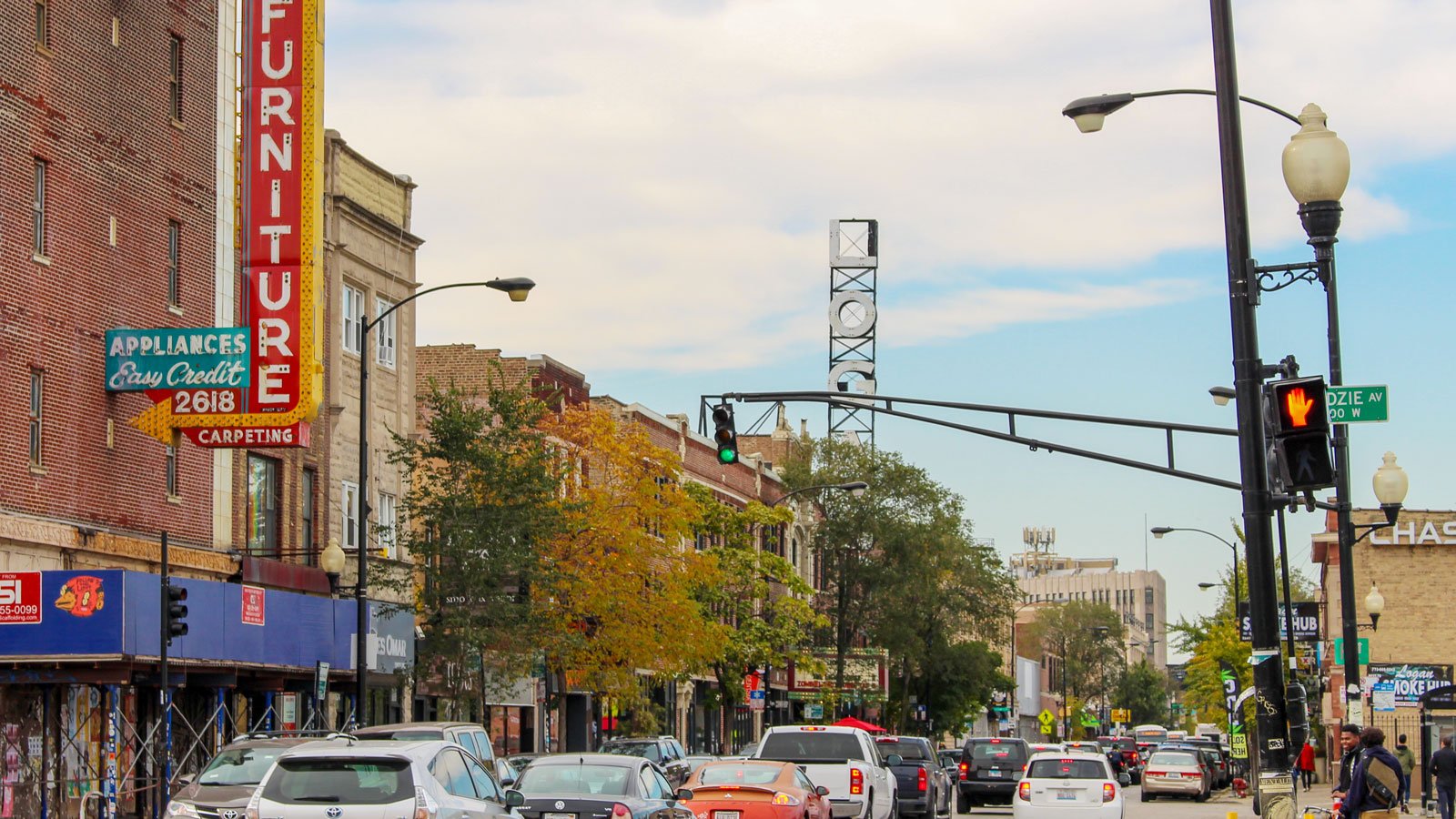
The central artery of Logan Square is Milwaukee Avenue, which cuts diagonally through the neighborhood, connecting it to other trendy areas like Wicker Park and Bucktown. This corridor, especially around the Logan Square Blue Line station and the iconic Logan Square Monument, is bustling with activity day and night, contributing to a sense of liveliness and natural surveillance. The presence of numerous restaurants, bars, and shops ensures constant foot traffic, which generally deters opportunistic crime. However, the vibrancy also means crowds, which can sometimes present opportunities for petty theft if one is not vigilant.
Adjacent areas also play a role in the overall perception. To the west, the neighborhood borders Humboldt Park, an area that historically has had higher crime rates. While Logan Square itself benefits from its own distinct community policing and revitalization, awareness of surrounding areas is always prudent for travelers venturing further afield. The Logan Square community, however, is largely self-contained and experiences lower crime rates than many of its immediate neighbors, particularly within its core residential and commercial zones.
Crime Statistics: A Deeper Dive
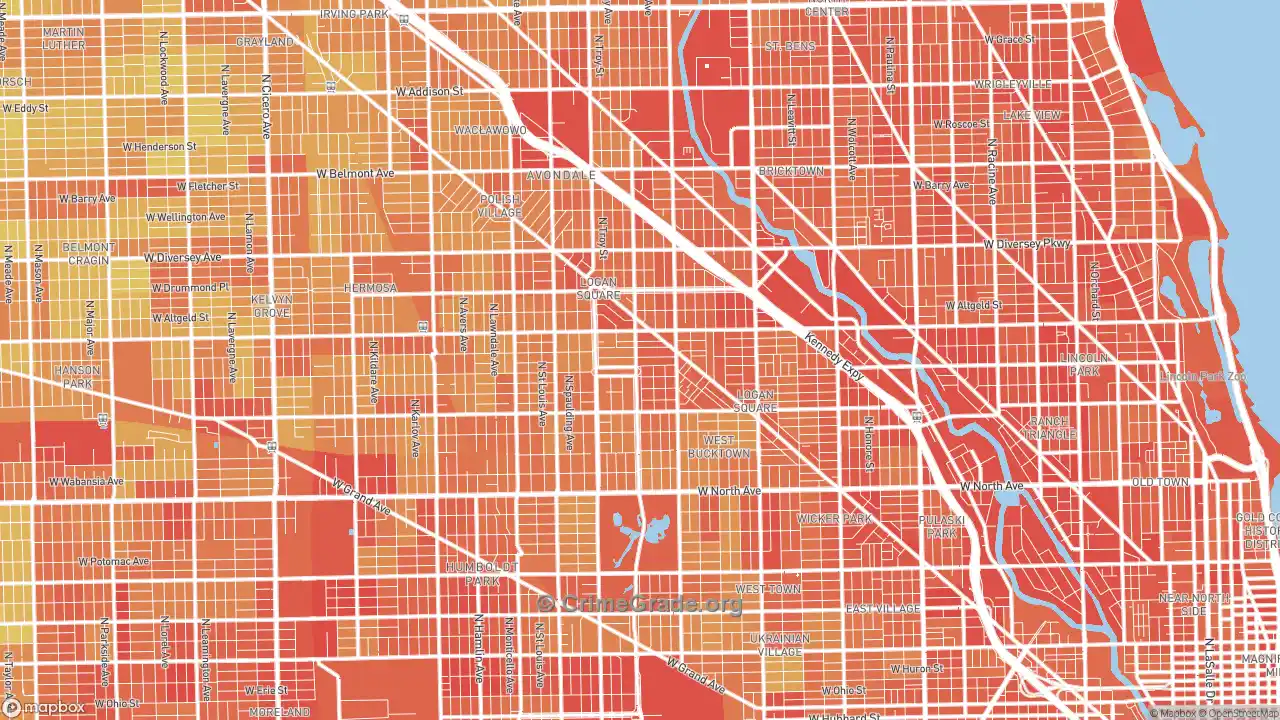
When evaluating safety, consulting official crime statistics provides an objective foundation. Data from the Chicago Police Department generally shows that Logan Square maintains a moderate crime rate compared to the city average, with property crimes being more prevalent than violent crimes. Like many urban areas undergoing gentrification, there can be fluctuations, but the trend over the past decade indicates a generally safer environment.
Common Types of Crime
The most common types of crime reported in Logan Square largely mirror those found in other affluent or rapidly developing Chicago neighborhoods:
- Property Crime: This category includes vehicle break-ins, bicycle theft, package theft, and occasional burglaries. Travelers should be mindful of leaving valuables visible in parked cars and securing bicycles with robust locks. Package theft, while frustrating for residents, is less of a direct concern for short-term visitors but highlights the need for general awareness.
- Theft from Person (Pickpocketing/Mugging): In crowded areas, especially late at night near bars or public transportation hubs like the Blue Line stations, there can be isolated incidents of pickpocketing or muggings. These are typically crimes of opportunity.
- Violent Crime: While violent crimes (assaults, robberies with force, shootings) are significantly less common than property crimes, they do occur. These incidents are often isolated and rarely target tourists specifically, but maintaining situational awareness, especially after dark, is always recommended.
It is important to note that crime rates are not uniform across the entire neighborhood. Areas immediately surrounding the CTA Blue Line stations at Logan Square and California might experience a slightly higher incidence of petty crime due to increased foot traffic and late-night activity. Residential streets farther from these hubs tend to be quieter and exhibit lower crime rates. The beautiful boulevards, such as Logan Boulevard, Palmer Square, and Kedzie Boulevard, which are popular for walking and jogging, are generally very safe during daylight hours.
Safety Tips for Visitors and Residents
Whether you’re a first-time visitor or considering a move to Logan Square, adopting sensible safety practices will enhance your experience. These tips are largely universal for urban exploration but bear repeating for any discerning traveler.
General Awareness
- Stay Alert: Be aware of your surroundings, especially when walking alone, using public transportation, or in crowded areas. Avoid distractions like constantly looking at your phone.
- Secure Valuables: Keep wallets in front pockets, carry purses securely across your body, and avoid displaying expensive jewelry or electronics overtly.
- Trust Your Instincts: If a situation or area feels unsafe, remove yourself from it.
- Emergency Services: Know how to contact local emergency services (dial 911 in the United States).
Navigating Logan Square
- Public Transportation: The CTA Blue Line is generally safe and a convenient way to get to and from Logan Square and other parts of Chicago. However, exercise caution late at night, especially when waiting at stations or transferring. Utilize crowded cars if possible.
- Ride-Sharing & Taxis: Services like Uber and Lyft are widely available and a good option for late-night travel, particularly if you’re traveling alone. Always confirm your driver and vehicle details before entering.
- Walking at Night: Stick to well-lit, busy streets when walking after dark. Avoid cutting through alleys or dimly lit parks. If you’re out late, consider walking with a companion or using a ride-sharing service.
- Parking: If driving, park in well-lit areas and ensure no valuables are visible inside your vehicle. Car break-ins, while not rampant, can occur anywhere in a large city.

The Community Perspective: Beyond the Numbers
Beyond statistics, the true fabric of a neighborhood’s safety often lies in its community engagement. Logan Square boasts a highly engaged and active community, with numerous neighborhood associations, resident groups, and business collectives that actively work to improve the area. Events like the Logan Square Farmers Market, art walks, and local festivals foster a strong sense of community and collective responsibility, contributing to overall safety.
The presence of families, young professionals, and long-term residents creates a diverse and watchful environment. Businesses also play a critical role, often staying open late and contributing to the neighborhood’s active street life. This “eyes on the street” phenomenon, as coined by urban planner Jane Jacobs, is a significant deterrent to crime. Residents are invested in their neighborhood’s well-being and are often quick to report suspicious activity or offer assistance when needed.
Furthermore, the revitalization efforts in Logan Square have brought about infrastructure improvements, including better street lighting, cleaner public spaces, and maintained parks like Logan Square Park and Palmer Square Park. These improvements not only enhance the aesthetic appeal but also contribute to a safer environment by eliminating potential hiding spots and creating welcoming public areas.
In conclusion, Logan Square is generally considered a safe and enjoyable neighborhood for travelers and residents alike. While no urban area is entirely risk-free, its vibrant community, active street life, and continuous efforts to maintain public safety make it a welcoming destination. By practicing common-sense urban safety tips and maintaining situational awareness, visitors can confidently explore the unique charm and dynamic offerings of this distinctive Chicago gem.
LifeOutOfTheBox is a participant in the Amazon Services LLC Associates Program, an affiliate advertising program designed to provide a means for sites to earn advertising fees by advertising and linking to Amazon.com. Amazon, the Amazon logo, AmazonSupply, and the AmazonSupply logo are trademarks of Amazon.com, Inc. or its affiliates. As an Amazon Associate we earn affiliate commissions from qualifying purchases.