
Understanding Chicago’s Urban Tapestry
For visitors exploring the dynamic metropolis of Chicago, understanding its diverse districts is key to unlocking an authentic and enriching travel experience. Far from being a monolithic urban expanse, Chicago is a patchwork of distinct neighborhoods, each with its own character, history, culinary scene, and cultural offerings. Knowing “what district you live in,” or more accurately, where you are staying and what that area represents, transforms a simple visit into an immersive journey through a series of vibrant urban villages. This guide aims to demystify Chicago’s geography, empowering tourists to navigate the city with confidence and choose districts that best align with their travel interests.

The Importance of Neighborhoods for Tourists
Chicago’s neighborhoods are more than just geographical markers; they are the heartbeats of the city’s local culture. For the discerning tourist, selecting a district or understanding the district your accommodation is located in can fundamentally shape your perception of Chicago. Are you seeking the bustling energy of the commercial core, the artistic flair of a creative enclave, the historic charm of a tree-lined street, or the culinary innovation of a foodie paradise? Each district offers a unique blend of local culture, specific food experiences ranging from Michelin-starred dining to beloved deep-dish pizza joints, and activities that cater to every whim, from exploring world-class museums to enjoying lakeside recreation. By focusing on districts, visitors can craft a travel itinerary that delves deep into the soul of Chicago, moving beyond mere sightseeing to truly living like a local, even if just for a few days. This localized approach allows for a richer appreciation of the city’s multifaceted identity, providing invaluable tips on where to eat, what to see, and how to authentically engage with the city’s diverse communities.
Iconic Districts and Their Tourist Appeal
Chicago is renowned for its distinct neighborhoods, each offering a unique flavor of the city. For tourists, identifying these districts is crucial for tailoring an itinerary that matches specific interests, whether it’s architecture, food, nightlife, or green spaces.
The Loop: Downtown Delights
The Loop is Chicago’s bustling central business district and a prime destination for first-time visitors. Named for the elevated train tracks that form a literal loop around its perimeter, this district is a nexus of activity. Here, you’ll find iconic architectural marvels like the Willis Tower (formerly Sears Tower), offering breathtaking panoramic views from its Skydeck. Millennium Park and Grant Park are the Loop’s green heart, hosting famous public art installations such as “The Bean” (Cloud Gate) and the Crown Fountain. The Art Institute of Chicago, one of the world’s leading art museums, is also located here, alongside the Chicago Cultural Center, often referred to as “the nation’s most complete civic art palace.” For those interested in performing arts, the Loop is home to numerous historic theaters, hosting Broadway shows and live performances. Dining options range from upscale steakhouses to quick-service eateries catering to the office crowd.
Magnificent Mile & Streeterville: Shopping and Skyline
Stretching along Michigan Avenue, the Magnificent Mile is Chicago’s premier shopping district, lined with luxury boutiques, department stores, and flagship retailers. Adjacent to it, Streeterville extends eastward towards Lake Michigan. This area is characterized by its towering skyscrapers, including the 875 North Michigan Avenue (formerly John Hancock Center), offering an observation deck with stunning city and lake views. Navy Pier, a popular family-friendly attraction with rides, restaurants, and boat tours, anchors the eastern edge of Streeterville. Beyond shopping, visitors can explore the Museum of Contemporary Art Chicago or enjoy leisurely strolls along the Chicago Riverwalk or the lakefront trail. The area boasts a wide array of dining options, from casual cafes to fine dining establishments with impressive views.
River North: Art, Dining, and Nightlife
Just north of the Chicago River, River North has transformed from an industrial hub into one of Chicago’s most fashionable districts. It’s a nexus for art galleries, upscale restaurants, and vibrant nightlife. Once home to numerous warehouses, many have been converted into stunning loft spaces and art studios, making it a great place to explore contemporary art. The concentration of diverse restaurants, from steakhouses and sushi bars to innovative new American cuisine, makes River North a culinary hotspot. As evening approaches, the district comes alive with numerous bars, lounges, and clubs, catering to a sophisticated crowd. Architectural boat tours often depart from the Riverwalk in this area, offering a unique perspective on Chicago’s famed skyline.
Lincoln Park & Old Town: Green Spaces and Historic Charm
Lincoln Park is an affluent residential neighborhood known for its vast green spaces, beautiful architecture, and vibrant cultural institutions. The centerpiece is Lincoln Park itself, one of the largest urban parks in the United States, which includes the free Lincoln Park Zoo, the Peggy Notebaert Nature Museum, and beautiful conservatory. Visitors can enjoy jogging, biking, or simply relaxing by Lake Michigan on its eastern border. Just south of Lincoln Park lies Old Town, a historic district famous for its Victorian-era architecture and charming, tree-lined streets. This area is home to The Second City improv theater, a legendary institution that has launched the careers of countless comedians. Both neighborhoods offer a plethora of boutique shops, cozy cafes, and excellent restaurants, providing a more relaxed and local experience compared to the downtown hustle.

Wicker Park & Bucktown: Bohemian Vibes and Boutique Finds
Located northwest of downtown, Wicker Park and Bucktown are adjacent neighborhoods celebrated for their bohemian atmosphere, independent spirit, and thriving arts scene. Once a haven for artists and musicians, these districts retain their creative edge with numerous art galleries, live music venues, and street art. Division Street and Milwaukee Avenue are the main thoroughfares, bustling with vintage shops, independent boutiques, and an eclectic mix of restaurants and bars. From trendy brunch spots to gastropubs and international cuisine, the food scene is diverse and dynamic. These neighborhoods are perfect for travelers seeking unique finds, a vibrant nightlife, and a glimpse into Chicago’s alternative culture. The elevated 606 Trail, a repurposed railway line, offers a scenic path for walking and biking through both areas.
West Loop: Culinary Hotspot
The West Loop has undergone a dramatic transformation from its industrial roots to become Chicago’s undisputed culinary capital. Centered around Restaurant Row on Randolph Street, this district boasts an unparalleled concentration of award-winning restaurants, including several Michelin-starred establishments. Beyond fine dining, the West Loop offers a diverse range of eateries, from casual bistros and gastropubs to artisanal bakeries and vibrant food halls. The area is also home to the United Center, where the Chicago Bulls and Chicago Blackhawks play. Art galleries and chic boutiques have also found a home in repurposed warehouses, adding to the district’s trendy, sophisticated vibe. For food enthusiasts, the West Loop is a must-visit, offering an array of gastronomic adventures.
Hyde Park: Intellectual and Cultural Hub
Located on Chicago’s South Side, Hyde Park is a historically significant and culturally rich neighborhood. It is most famous as the home of the prestigious University of Chicago, whose gothic architecture dominates the landscape. The district’s intellectual atmosphere is complemented by its numerous cultural attractions. The Museum of Science and Industry, one of the largest science museums in the world, is a major draw for families and curious minds. Visitors can also explore the Robie House, a masterpiece of Frank Lloyd Wright‘s Prairie style architecture, or stroll through the Osaka Garden in Jackson Park. Hyde Park offers a more relaxed pace and a different perspective on Chicago, steeped in academic excellence and historical significance, including the former residence of President Barack Obama.
Pilsen & Little Village: Vibrant Latin American Culture
For an immersive cultural experience, Pilsen and Little Village on the Lower West Side offer a vibrant glimpse into Chicago’s rich Latin American heritage, predominantly Mexican. Pilsen is renowned for its colorful murals and street art, which adorn buildings throughout the neighborhood, showcasing the area’s artistic spirit and cultural narratives. The National Museum of Mexican Art, offering free admission, is a must-visit for its extensive collection of Mexican art and cultural artifacts. The culinary scene is a delight for foodies, with authentic Mexican restaurants, bakeries, and taquerias on nearly every corner. Little Village continues this cultural immersion, serving as a bustling commercial and cultural center for Chicago’s Mexican community. Here, you’ll find vibrant street markets, traditional shops, and more opportunities to savor regional Mexican cuisine. These districts provide a profound sense of community and a rich tapestry of sights, sounds, and flavors distinct from the rest of the city.
Navigating Chicago’s Districts: Tips for Visitors
Understanding Chicago’s districts is the first step; effectively navigating them enhances the travel experience. The city is designed for ease of movement, offering multiple options for exploring its varied landscapes and cultural hubs.
Public Transportation and Walkability
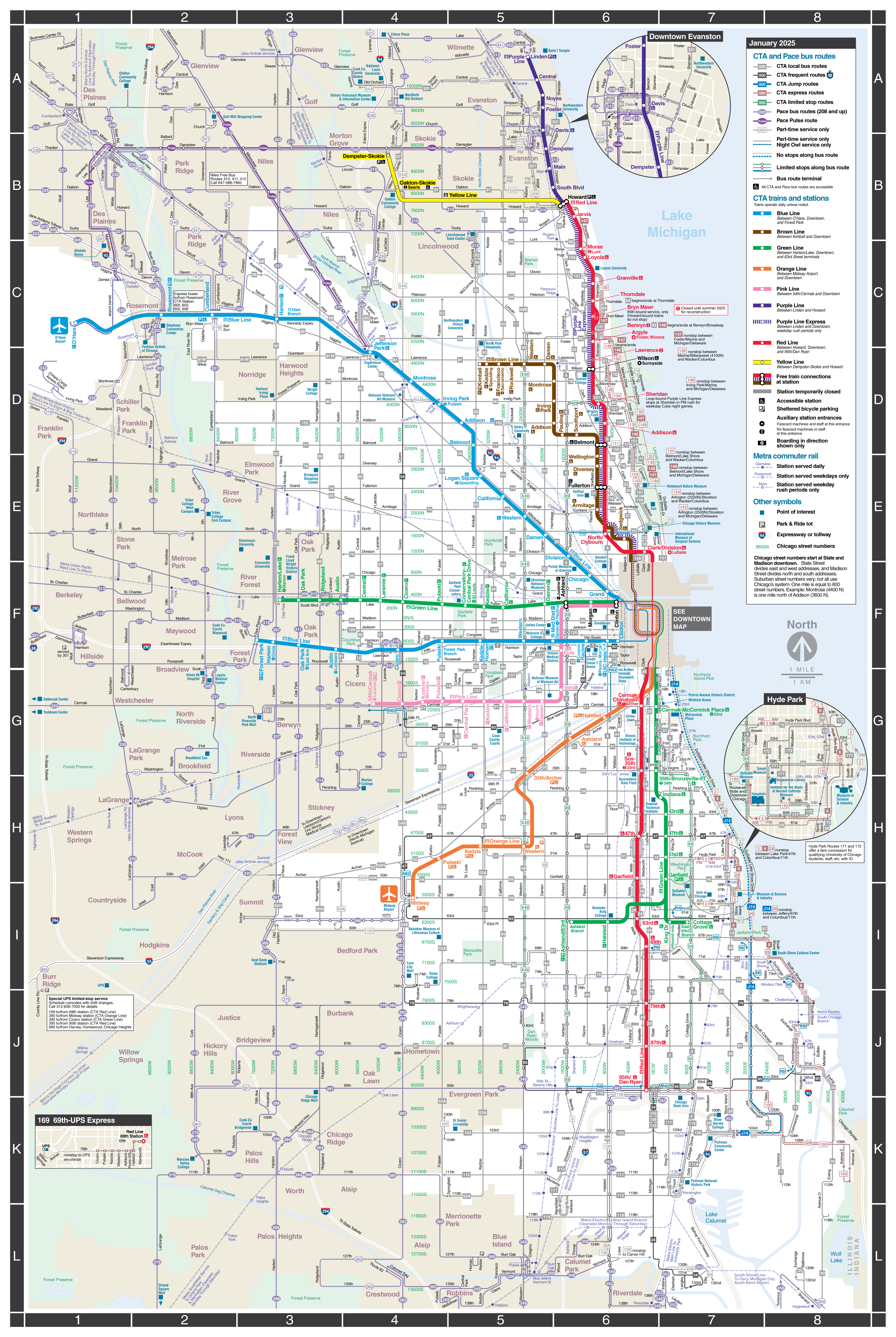
Chicago boasts an excellent public transportation system, primarily operated by the Chicago Transit Authority (CTA). The “L” train (elevated train) and extensive bus network connect virtually every district, making it easy and affordable to travel between neighborhoods. Purchasing a Ventra card for unlimited rides or using contactless payment directly on buses and trains simplifies travel. Many of Chicago’s districts, especially the Loop, Magnificent Mile, River North, and parts of Lincoln Park and Old Town, are highly walkable, encouraging exploration on foot. This allows visitors to truly soak in the street-level culture, discover hidden gems, and appreciate the city’s renowned architecture up close. For those who enjoy cycling, Divvy bike-sharing stations are ubiquitous, offering another convenient way to traverse the city’s bike-friendly paths and streets. Taxis and ride-sharing services are also readily available for quick and direct transportation.
Safety and Awareness
Like any major urban center, exercising general safety precautions in Chicago is advisable. While the primary tourist districts are generally safe, it’s wise to remain aware of your surroundings, especially at night or when venturing into less familiar areas. Stick to well-lit and populated streets, and if uncertain about a particular area, consult your hotel concierge or local guides. Using public transportation during peak hours is usually very safe. Keeping valuables out of sight and being mindful of your belongings in crowded places will contribute to a stress-free visit. Chicagoans are generally friendly and willing to help with directions, so don’t hesitate to ask if you get disoriented.
Embracing Local Experiences
The true essence of Chicago lies in its diverse local experiences, often found by stepping off the main tourist paths into the heart of its neighborhoods. Beyond the famous landmarks, seek out local festivals, farmers’ markets, independent coffee shops, and community events within each district. Engage with local shop owners, strike up conversations with residents at a neighborhood bar, or join a walking tour focused on a specific area’s history or food scene. Trying Chicago’s famous deep-dish pizza, a Chicago-style hot dog, or exploring the vibrant murals of Pilsen are not just activities but cultural immersions. By actively seeking out these localized interactions and delving into the unique character of each district, you’ll move beyond being a mere visitor to truly living and experiencing the rich, multifaceted life of Chicago, one neighborhood at a time.
LifeOutOfTheBox is a participant in the Amazon Services LLC Associates Program, an affiliate advertising program designed to provide a means for sites to earn advertising fees by advertising and linking to Amazon.com. Amazon, the Amazon logo, AmazonSupply, and the AmazonSupply logo are trademarks of Amazon.com, Inc. or its affiliates. As an Amazon Associate we earn affiliate commissions from qualifying purchases.