
Navigating the vibrant landscapes and diverse experiences Florida offers often requires more than just a sense of adventure; it demands proper identification. Whether you’re a long-term visitor planning an extended stay, a new resident establishing roots, or even a tourist looking to fully engage with local activities that require age verification, understanding the nuances of obtaining official identification in the Sunshine State is paramount. This guide delves into the costs, processes, and types of IDs available, providing essential insights for a seamless experience in Florida.
Understanding Florida’s Identification Landscape for Visitors and Newcomers
For anyone spending significant time in Florida, a state-issued ID can be an invaluable asset. While a passport or out-of-state driver’s license typically suffices for most short-term tourist activities, an official Florida ID becomes crucial for various scenarios. This includes renting a car for longer periods, opening a bank account, establishing utility services, applying for certain jobs, or even verifying age for entry into nightlife venues and purchasing alcohol in tourist hotspots like Miami or Orlando. It also serves as a reliable form of identification for domestic air travel, aligning with REAL ID Act standards.
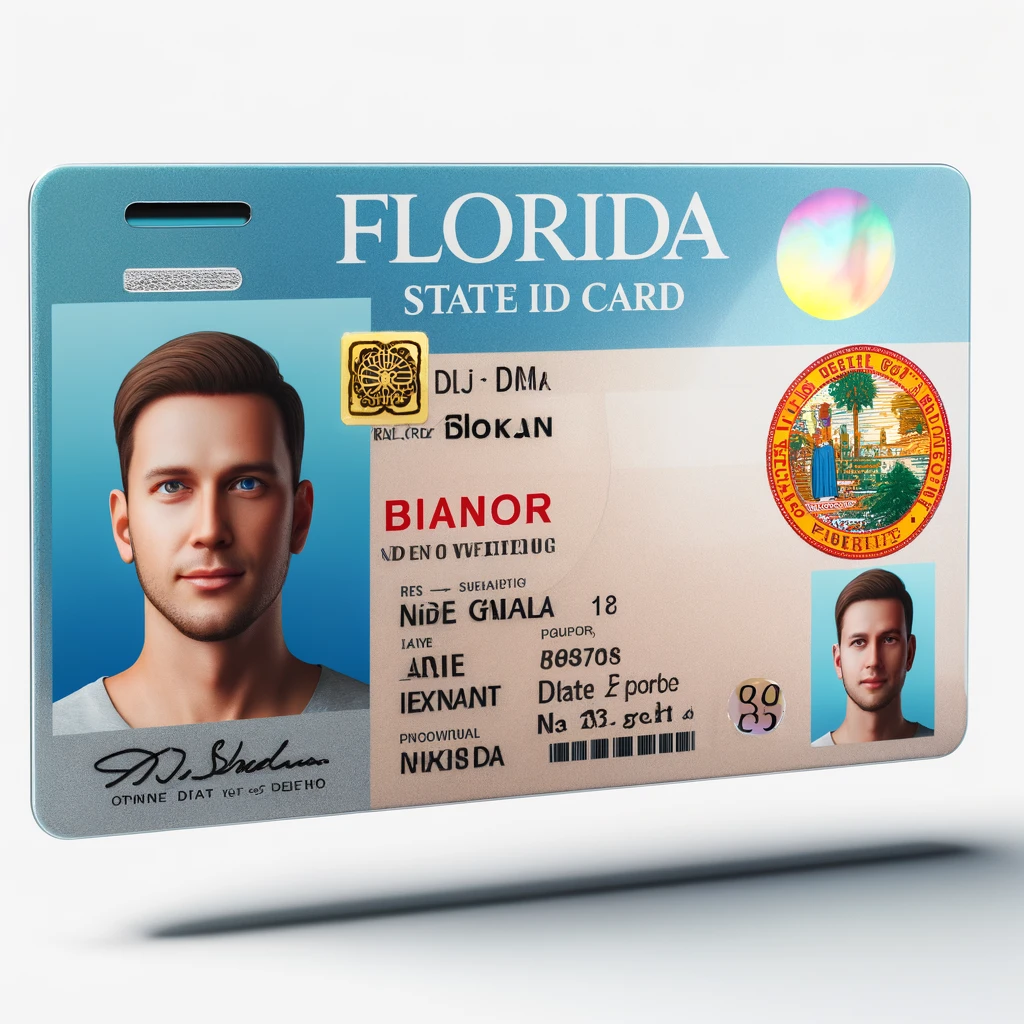
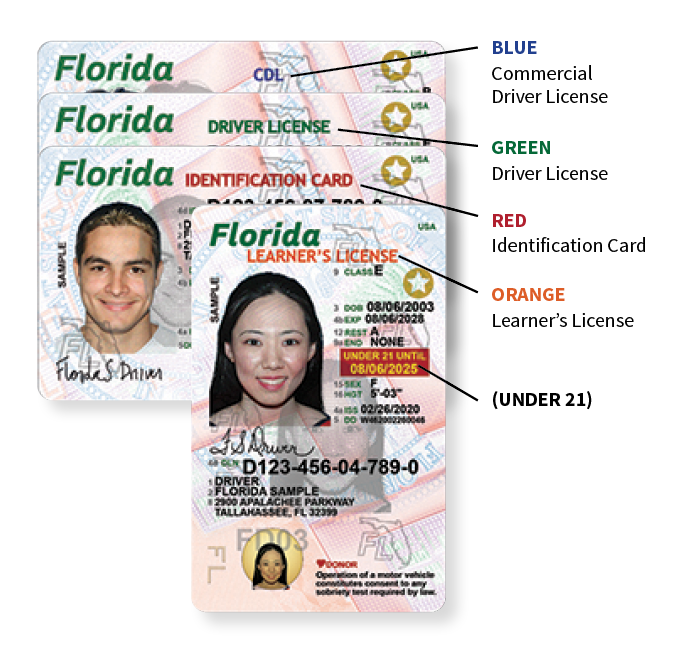
Florida primarily offers two main types of state-issued identification through the Florida Department of Highway Safety and Motor Vehicles (DHSMV): a driver’s license and a state identification card. While a driver’s license permits you to legally operate a vehicle, an ID card serves as proof of identity for non-driving purposes. Both follow similar application procedures and documentation requirements but cater to different needs, and their costs vary accordingly. Understanding which one best suits your situation is the first step in the process.
Florida Driver’s Licenses: Costs and Requirements for Operating a Vehicle
For those planning to drive in Florida, obtaining a Florida Driver’s License is necessary if you establish residency. New residents are generally required to obtain a Florida driver’s license within 30 days of becoming a resident. The costs associated with acquiring and maintaining a driver’s license are standardized across the state.
Initial Driver’s License Fees
The most common driver’s license for non-commercial vehicles is a Class E license. The initial issuance fee for a Class E driver’s license is typically $48.00. This fee covers the processing and production of your license, which is valid for eight years for most individuals. For those seeking to obtain a motorcycle endorsement, an additional fee is usually applied, often incorporated into the initial license cost or added upon separate application.
For new drivers, a Learner’s Permit is the first step. The cost for an initial Learner’s Permit is also $48.00. Before applying for a learner’s permit, applicants must complete a Traffic Law and Substance Abuse Education (TLSAE) course, which has its own separate cost charged by third-party providers, typically ranging from $20 to $40. This course is mandatory for all first-time driver’s license applicants in Florida, regardless of age.
Renewal and Replacement Costs
Driver’s licenses in Florida are generally valid for eight years. The renewal fee for a Class E license is typically $48.00. This renewal can often be completed online, saving a trip to a DHSMV office, provided there are no changes to your information or a new photo is not required.
If your driver’s license is lost, stolen, or mutilated, you will need to apply for a replacement. The fee for a duplicate or replacement Class E driver’s license is $25.00. It’s important to report a lost or stolen license immediately to the authorities and apply for a replacement to prevent potential identity theft.
Documentation Needed for a Florida Driver’s License
Obtaining a Florida driver’s license requires presenting several original documents to prove your identity, social security number, legal presence, and residential address. This is a critical step, especially for new residents and international visitors.
- Proof of Identity: One primary document, such as an original or certified U.S. birth certificate, valid U.S. passport, or Consular Report of Birth Abroad. For non-U.S. citizens, a valid foreign passport with an appropriate visa or an Alien Registration Card (Green Card) may be accepted, along with other supporting documents to prove legal presence.
- Proof of Social Security Number (SSN): Your original Social Security card or a W-2 form, pay stub, or 1099 form displaying your full SSN.
- Proof of Residential Address: Two different documents showing your name and Florida residential address. Examples include a utility bill, lease agreement, bank statement, or mail from a government agency.
- Proof of Legal Presence: For non-U.S. citizens, documents proving legal presence in the U.S. are essential. This could include a valid visa, I-94 form, Employment Authorization Card (EAD), or other immigration documents. The DHSMV typically verifies legal presence through the Systematic Alien Verification for Entitlements (SAVE) program, which can sometimes cause delays.
- Vision and Hearing Tests: Administered at the DHSMV office.
- Written and Driving Tests: Required for first-time drivers or those transferring a license from certain countries.
Florida Identification Cards: A Non-Driving Alternative
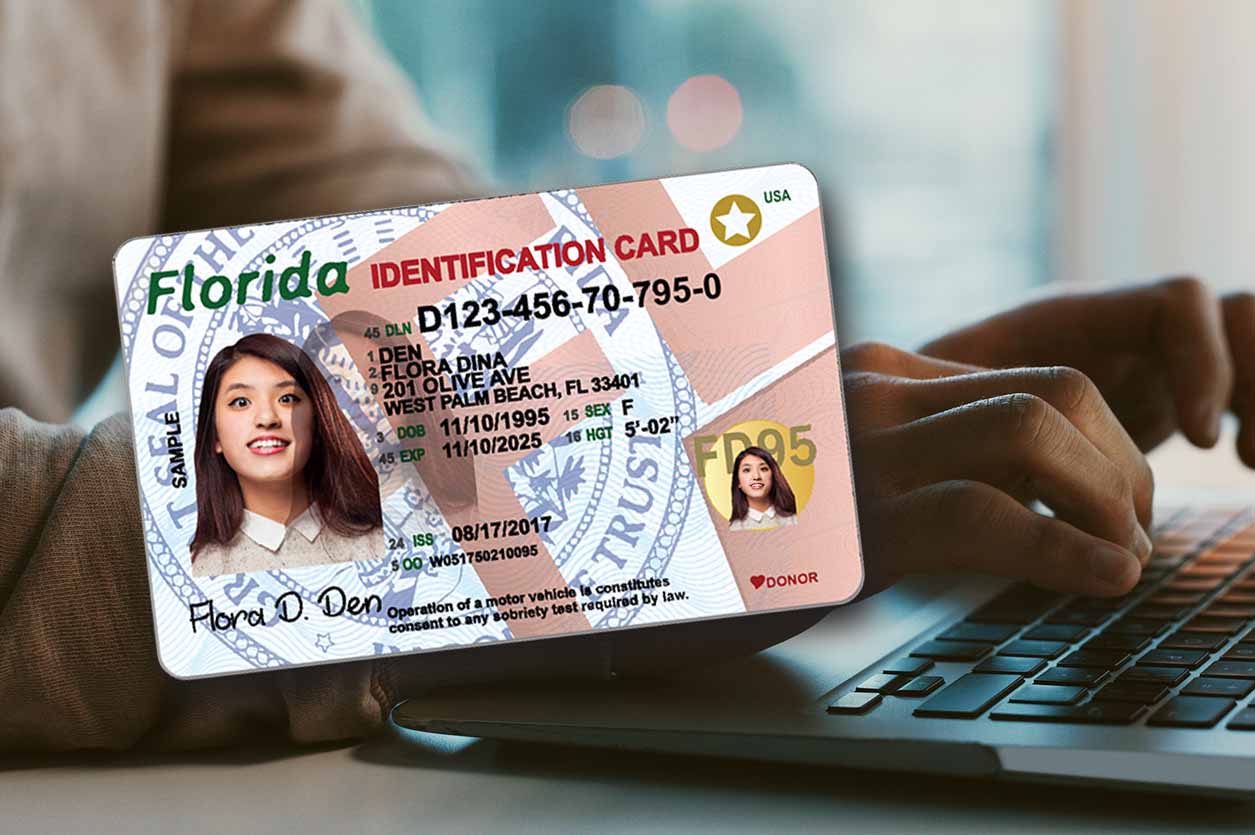
For individuals who do not drive, or who possess an out-of-state or international driver’s license but require an official Florida identification for other purposes, a Florida Identification Card is the ideal solution. It serves as a valid photo ID for various transactions and situations where proof of identity is needed, but not necessarily driving privileges.
Florida ID Card Fees
The cost for an initial Florida ID card is typically $25.00. This card is also generally valid for eight years.
The renewal fee for a Florida ID card is $25.00.
If your Florida ID card is lost, stolen, or mutilated, the fee for a duplicate or replacement card is also $25.00.
Who Needs a Florida ID Card?
A Florida ID card is beneficial for a wide range of individuals:
- Non-Drivers: Those who do not operate a motor vehicle but require official state-issued identification.
- Seniors: Many seniors prefer an ID card once they stop driving.
- Minors: Parents may obtain an ID card for their children to use as proof of age or identity.
- Individuals Needing State-Issued ID: For banking, applying for social services, domestic travel (REAL ID compliant), or simply as a readily available form of identification within the state.
- Tourists on Extended Stays: If you are an international visitor on a long-term visa (e.g., student visa, work visa) and reside in Florida for several months or years, a Florida ID card can simplify daily life and interactions, as it is often more readily accepted locally than a foreign passport or driver’s license for routine transactions.
Documentation Needed for a Florida ID Card
The documentation requirements for a Florida ID card are nearly identical to those for a driver’s license, emphasizing the state’s commitment to secure identification. You will need:
- Proof of Identity: (e.g., U.S. birth certificate, valid U.S. passport, foreign passport with valid visa, Alien Registration Card).
- Proof of Social Security Number (SSN): (e.g., Social Security card, W-2, pay stub, 1099).
- Proof of Residential Address: Two different documents (e.g., utility bill, lease, bank statement, government mail).
- Proof of Legal Presence: (especially for non-U.S. citizens).
Where and How to Apply: Navigating Florida’s DHSMV Services
The application process for both Florida driver’s licenses and identification cards is managed by the Florida Department of Highway Safety and Motor Vehicles (DHSMV) and its authorized service centers, typically local Tax Collector’s offices.
The Application Process
- Gather Required Documents: This is the most critical step. Ensure you have all original documents needed for proof of identity, SSN, residential address, and legal presence. Photocopies are generally not accepted.
- Locate a Service Center: Find your nearest Florida Department of Highway Safety and Motor Vehicles (DHSMV) office or Tax Collector’s office that provides driver’s license and ID card services. You can use the DHSMV’s online service center locator.
- Make an Appointment: While walk-ins are sometimes accepted, it is highly recommended to make an appointment online. This significantly reduces wait times, especially in busy tourist areas like Orlando, Tampa, or Miami.
- Complete the Application: At the office, you will fill out an application form.
- Present Documents and Pay Fees: Hand over your original documents for verification and pay the applicable fee using cash, credit/debit card, or check.
- Photo, Vision, and Hearing Tests: Your photo will be taken, and for driver’s license applicants, vision and hearing tests will be administered.
- Receive Temporary ID: You will typically receive a temporary paper ID. Your permanent card will be mailed to your residential address within a few weeks.
Essential Tips for International Visitors and New Residents
- Translate Foreign Documents: If your identification documents are not in English, you may need to provide certified English translations. Check with the DHSMV directly for specific requirements.
- Grace Periods for New Residents: While Florida gives new residents 30 days to obtain a Florida driver’s license, it’s wise to start the process as soon as possible. Your out-of-state or international driver’s license might be valid for a short period, but local laws and insurance requirements will eventually necessitate a Florida license.
- KEEP Originals Safe: The DHSMV will return your original documents. Keep them in a safe place.
- Proof of Legal Presence Delays: For non-U.S. citizens, the SAVE program verification can sometimes take longer than expected. Plan accordingly and allow for potential delays.
Beyond the Costs: Practical Considerations for Your Florida Journey
While the monetary cost of obtaining a Florida ID card or driver’s license is relatively modest, the true value lies in the convenience and security it provides. Having a local, state-issued identification simplifies countless interactions, from verifying your identity for domestic air travel to facilitating mundane tasks like renting a bicycle or accessing age-restricted services.
A Florida ID also contributes to your personal security by allowing you to keep valuable documents like passports safely stored when not explicitly needed. The standard validity period of eight years means that once you’ve gone through the process, you won’t need to repeat it for a considerable amount of time, offering peace of mind. For those planning an extended stay or relocation to Florida, obtaining the appropriate identification card or driver’s license is not just a formality; it’s a practical step towards fully immersing yourself in the Florida lifestyle and ensuring a smooth, hassle-free experience in the Sunshine State.
LifeOutOfTheBox is a participant in the Amazon Services LLC Associates Program, an affiliate advertising program designed to provide a means for sites to earn advertising fees by advertising and linking to Amazon.com. Amazon, the Amazon logo, AmazonSupply, and the AmazonSupply logo are trademarks of Amazon.com, Inc. or its affiliates. As an Amazon Associate we earn affiliate commissions from qualifying purchases.