
Montana, often lauded as “Big Sky Country,” is synonymous with untamed wilderness and abundant wildlife. Among its most iconic inhabitants are the grizzly bears, powerful symbols of the American West. For visitors and residents alike, understanding the presence and distribution of these magnificent animals is crucial for safe and responsible enjoyment of the state’s natural wonders. The question of “How Many Grizzly Bears Are In Montana?” is not just a matter of curiosity but a key element in appreciating the ecological health and conservation efforts within its vast landscapes.
Understanding Grizzly Bear Populations in Montana
Estimating the precise number of grizzly bears in any given area is an inherently complex undertaking. These are elusive, wide-ranging animals whose territories can span hundreds of square miles. Conservation agencies and wildlife biologists employ a variety of sophisticated methods to gather data, but exact counts are practically impossible. Instead, population estimates and trends provide the most reliable information.
The Greater Yellowstone Ecosystem
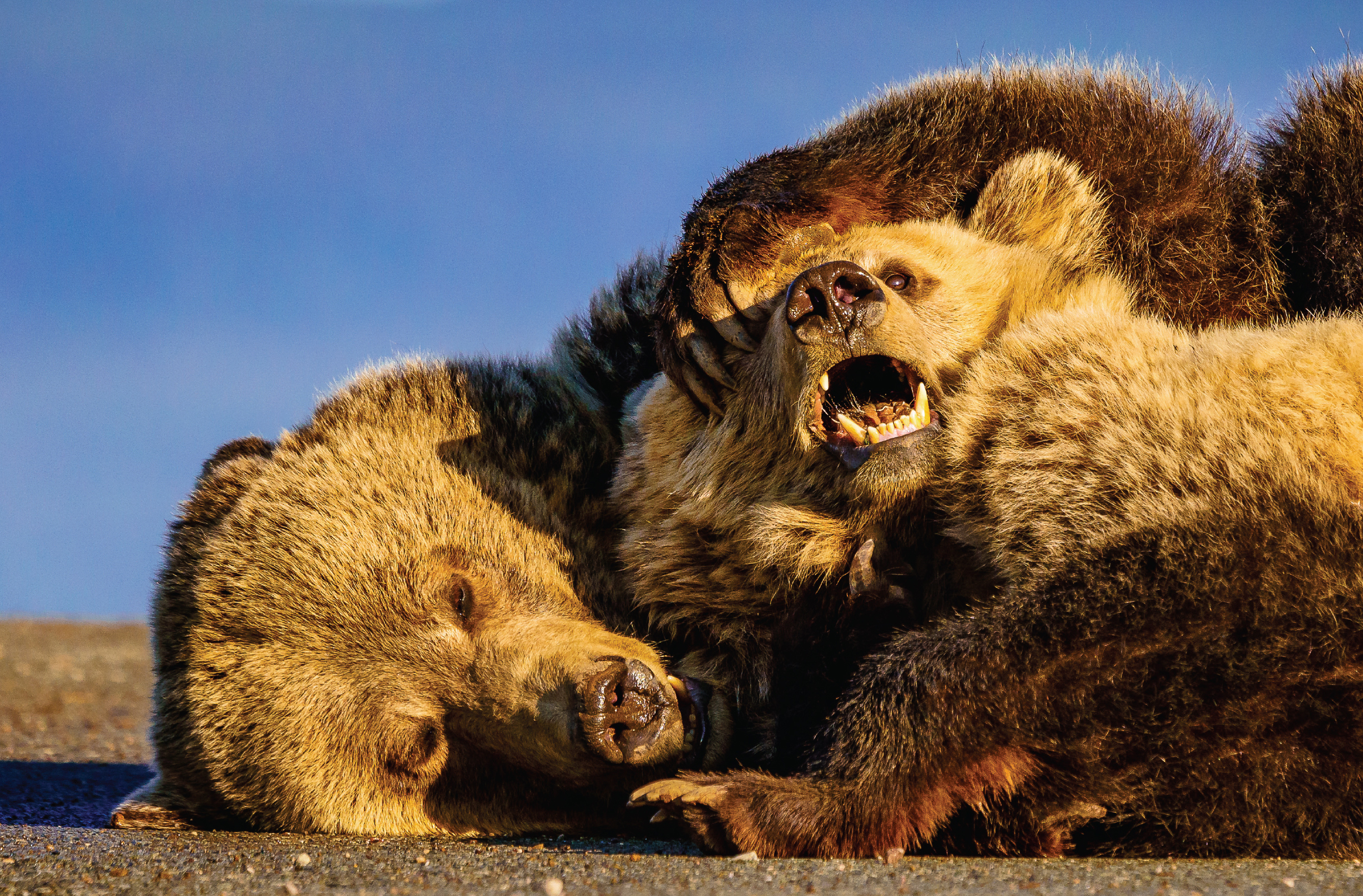
A significant portion of Montana’s grizzly bear population resides within and around the Greater Yellowstone Ecosystem. This ecosystem, which includes Yellowstone National Park, Grand Teton National Park, and surrounding national forests and wilderness areas, is one of the last large, intact temperate ecosystems on Earth. It provides critical habitat for a thriving grizzly bear population.
Within this ecosystem, which extends into Wyoming and Idaho, Montana plays a vital role in providing foraging grounds and migration corridors. Bears may move freely between these states, making population management a cooperative effort. Early estimates for the Greater Yellowstone Ecosystem suggested a critically low number of bears, but dedicated conservation efforts have led to a remarkable recovery.
The Northern Continental Divide Ecosystem
Another major stronghold for grizzly bears in Montana is the Northern Continental Divide Ecosystem. This area encompasses the Bob Marshall Wilderness, the Glacier National Park region, and surrounding national forest lands. This is perhaps the most iconic grizzly bear habitat in Montana, characterized by rugged mountains, alpine meadows, and vast forests.
This ecosystem is home to the largest single population of grizzly bears in the contiguous United States. The rugged terrain and extensive wilderness areas offer excellent protection and abundant food sources, including berries, roots, insects, and carrion. The health of this population is a strong indicator of the broader ecological well-being of the northern Rocky Mountains.
Population Estimates and Trends
Wildlife biologists typically use methods such as mark-recapture studies, DNA analysis from hair and scat, and aerial surveys to monitor grizzly bear populations. These studies help estimate population size, survival rates, and reproductive success.
For the Greater Yellowstone Ecosystem, estimates have shown a steady increase over the years, moving from a few dozen bears in the 1970s to well over 700 individuals currently estimated across the entire ecosystem. Montana’s portion of this population contributes significantly to that figure.
In the Northern Continental Divide Ecosystem, population estimates are generally higher. While precise numbers fluctuate, recent estimates suggest several hundred grizzlies inhabiting this region, with the population considered stable and potentially growing. Some estimates place the total number of grizzlies in Montana at around 1,000 to 1,500 individuals, though this includes bears that may range into adjacent states. It is important to remember these are estimates, and the actual number is a dynamic figure.
Factors Influencing Grizzly Bear Numbers
Several factors influence the population dynamics of grizzly bears in Montana, from habitat availability to human interaction. Understanding these elements provides a clearer picture of why population numbers are what they are and how they might change in the future.
Habitat Quality and Connectivity
The availability of suitable grizzly bear habitat is paramount. This includes areas with adequate food sources (berries, rodents, ungulates), water, and denning sites. Large, contiguous blocks of wilderness are ideal, as they minimize human disturbance.
Connectivity between these habitat blocks is equally crucial. Grizzly bears require large home ranges and often need to travel considerable distances to find mates, food, and new territories. Wildlife corridors, both natural and human-facilitated, are essential for maintaining genetic diversity and allowing populations to expand or recolonize areas where they were once extirpated. Montana’s vast network of national forests and wilderness areas provides significant, albeit sometimes fragmented, connectivity.
Food Availability
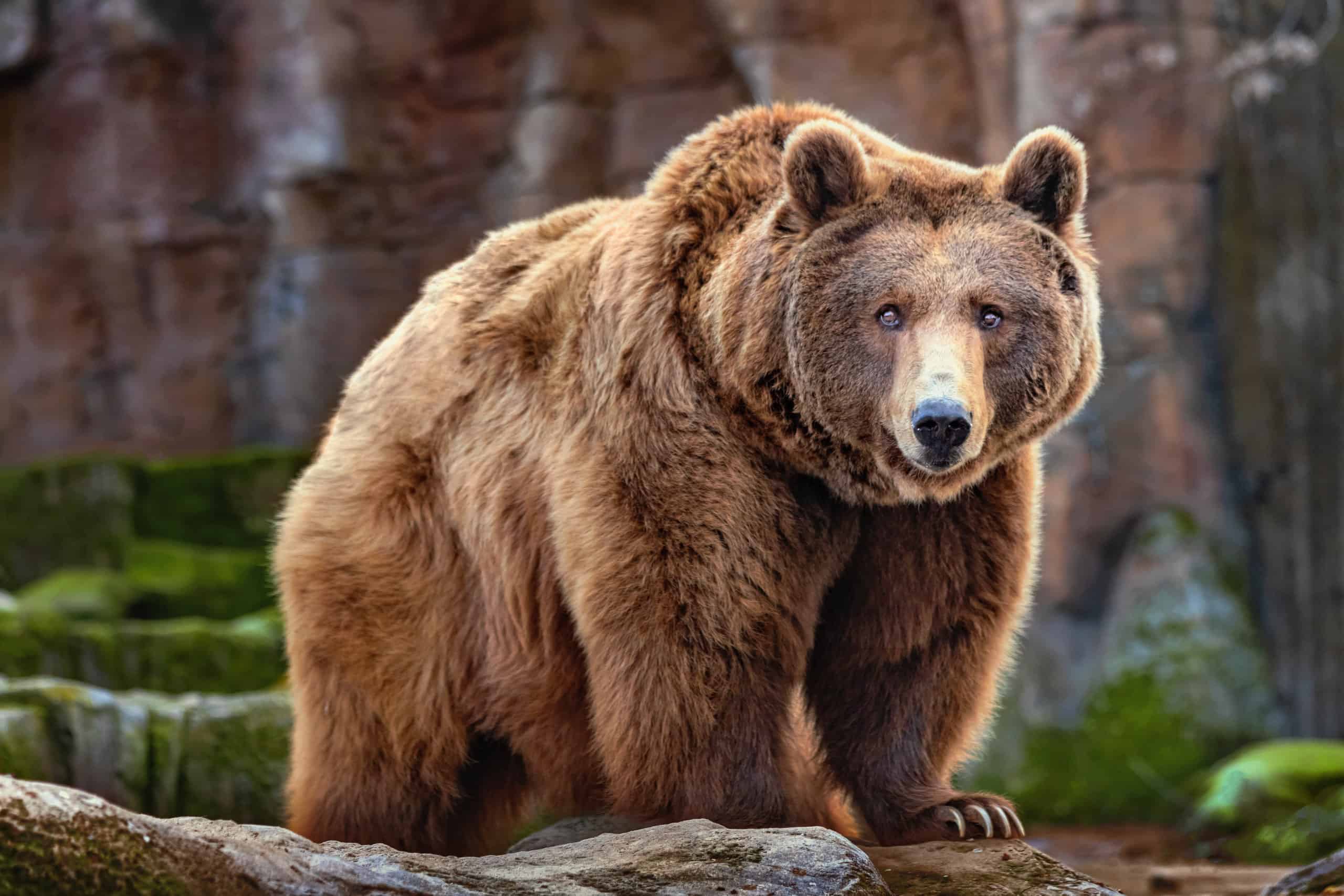
The diet of grizzly bears is diverse and opportunistic, changing with the seasons. In spring, they may feed on ungulate carcasses left from winter or dig for roots and bulbs. Summer brings an abundance of berries, which are a vital calorie source. In the fall, they may hunt young ungulates or continue to forage on remaining berries and roots.
The success of their foraging directly impacts their reproductive success and cub survival. Factors like drought, insect infestations affecting berry crops, or changes in ungulate populations can therefore influence grizzly bear numbers.
Human-Bear Conflict and Management
Human-bear conflict is an unfortunate reality in grizzly bear country. As human populations expand and recreational use of wild areas increases, encounters between people and bears become more frequent. These conflicts can lead to bears being relocated, habituated to human food sources, or, in severe cases, euthanized for public safety.
Conversely, effective management strategies, including bear-resistant food storage requirements, public education on bear safety, and the proper disposal of attractants, can significantly reduce conflicts and help bears thrive. Montana Fish, Wildlife & Parks, in collaboration with federal agencies, plays a crucial role in monitoring bear populations, responding to conflicts, and implementing conservation strategies.
Why the Number Matters: Conservation and Ecotourism
The population status of grizzly bears in Montana is not merely an academic exercise; it has profound implications for conservation, ecological health, and the burgeoning field of ecotourism.
Conservation Success Stories and Challenges
The recovery of grizzly bear populations in both the Greater Yellowstone Ecosystem and the Northern Continental Divide Ecosystem represents one of the most significant conservation successes under the Endangered Species Act. These populations were once on the brink of extinction. The dedicated efforts of federal and state agencies, along with numerous conservation organizations and the public, have been instrumental in their resurgence.
However, challenges remain. Habitat loss and fragmentation due to development, climate change impacting food sources, and ongoing human-bear conflicts continue to exert pressure on these populations. The debate over delisting grizzly bears from federal protection, which has occurred and been revisited, highlights the ongoing discussions about whether these populations are truly self-sustaining and secure for the long term.
The Role of Ecotourism
Montana’s majestic landscapes and abundant wildlife are a major draw for tourists. Ecotourism, which focuses on responsible travel to natural areas that conserves the environment and improves the well-being of local people, plays a significant role in the state’s economy.
The presence of healthy grizzly bear populations is a powerful draw for ecotourists. Visitors from around the world come to Montana hoping for a glimpse of these iconic animals in their natural habitat. Responsible wildlife viewing tours, guided hikes in bear country, and scenic drives through bear habitats are popular activities.
For ecotourism to be sustainable and beneficial to both bears and people, it must be managed carefully. This includes promoting bear safety, minimizing disturbance to wildlife, and ensuring that tourism revenue supports conservation efforts and local communities. Understanding where bears are likely to be found, and the general population numbers, helps inform these tourism strategies and ensures visitor safety.
Experiencing Montana’s Wilds Responsibly
For anyone planning a trip to Montana with the hope of encountering its wildlife, including grizzly bears, safety and respect for the natural environment are paramount.
Safe Wildlife Viewing
When in grizzly bear country, especially in areas like Glacier National Park or the Bob Marshall Wilderness, always be aware of your surroundings. Make noise while hiking to avoid surprising a bear. Carry bear spray and know how to use it. Never feed bears or leave food unattended. Maintain a safe distance if you do see a bear, and never approach them.

Supporting Conservation
Visitors can support grizzly bear conservation by patronizing businesses that adhere to responsible tourism practices, donating to wildlife conservation organizations, and educating themselves and others about the importance of protecting these magnificent animals and their habitats.
The question of “How Many Grizzly Bears Are In Montana?” ultimately leads to an appreciation for the intricate web of life that defines this wild state. It underscores the success of conservation efforts and the ongoing need for vigilance in preserving these iconic predators for generations to come.
LifeOutOfTheBox is a participant in the Amazon Services LLC Associates Program, an affiliate advertising program designed to provide a means for sites to earn advertising fees by advertising and linking to Amazon.com. Amazon, the Amazon logo, AmazonSupply, and the AmazonSupply logo are trademarks of Amazon.com, Inc. or its affiliates. As an Amazon Associate we earn affiliate commissions from qualifying purchases.