
Chicago, often celebrated as one of America’s most iconic cities, boasts a rich tapestry of history, world-class architecture, a vibrant arts scene, and an unparalleled culinary landscape. From the gleaming towers of the Loop to the tranquil shores of Lake Michigan, the Windy City offers an abundance of attractions that draw millions of visitors annually. Yet, like any sprawling metropolis, Chicago presents its own set of challenges and less-than-ideal aspects for the discerning traveler. Identifying the “worst part” is subjective, often depending on individual priorities, budget, and travel style. However, several common concerns frequently arise, encompassing everything from safety perceptions to the city’s notoriously extreme weather and urban inconveniences. Understanding these potential drawbacks allows travelers to better prepare, manage expectations, and ultimately, enhance their overall experience in this dynamic destination.

Navigating the Perception of Safety: A Traveler’s Concern
One of the most frequently discussed, and often exaggerated, challenges associated with visiting Chicago is the perception of crime and safety. Media narratives can sometimes paint a broad, unsettling picture, leading travelers to wonder about the risks involved in exploring the city.
Understanding Chicago’s Complexities
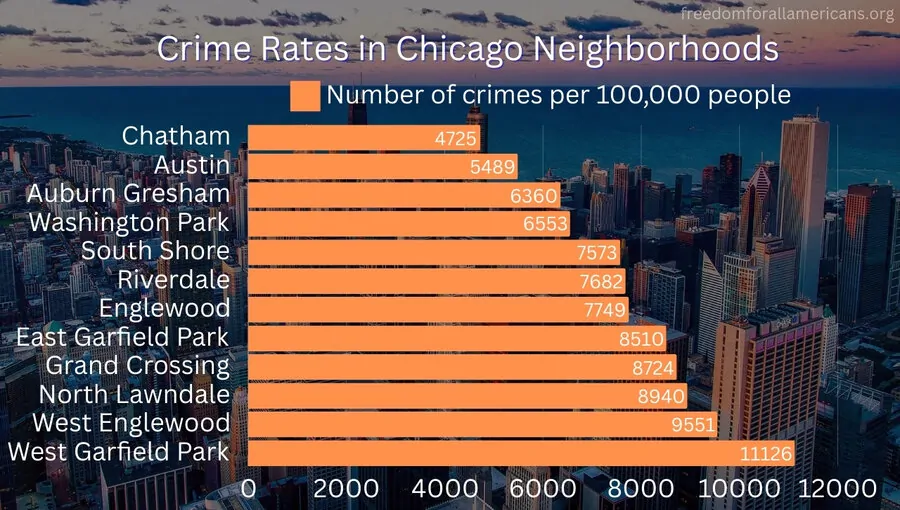
It is crucial for travelers to differentiate between the reality of local crime statistics and the general safety within popular tourist areas. Like most major cities, Chicago has specific neighborhoods with higher crime rates. However, these areas are typically far removed from the bustling downtown Loop, the Magnificent Mile, River North, or the cultural institutions in Museum Campus. The areas where tourists spend the vast majority of their time are generally well-policed, densely populated, and remarkably safe during both day and evening hours. Incidents directly affecting tourists are rare, though common urban precautions are always advisable. The city government and local tourism boards actively work to ensure visitors have a secure and enjoyable stay, deploying resources to maintain safety in high-traffic visitor zones.
Key Areas for Traveler Vigilance
While sensational headlines might suggest widespread danger, the practical advice for travelers in Chicago mirrors that for any large urban destination worldwide. The primary concerns typically involve petty crime, such as pickpocketing or purse snatching, which can occur in crowded places like public transportation, popular attractions, or busy markets. Travelers should exercise situational awareness, especially in crowded areas, and avoid openly displaying large amounts of cash or expensive electronics. Walking alone late at night in unlit or unfamiliar areas, particularly outside of the main tourist corridors, is generally not recommended. Utilizing reputable ride-sharing services or licensed taxis, especially after dark, provides an added layer of security. Staying within well-trafficked, well-lit districts and being mindful of your belongings significantly mitigates most perceived risks.
Prioritizing Personal Safety While Exploring
To ensure a worry-free trip, travelers should adopt a few simple strategies. Research the neighborhoods you plan to visit, particularly if venturing beyond the central tourist hubs. Keep important documents and excess cash secured in your hotel. Consider leaving expensive jewelry at home. If using public transport, particularly the CTA trains or buses, be aware of your surroundings, especially during off-peak hours. Many visitors find that once they arrive and experience the city firsthand, their initial safety concerns quickly dissipate, replaced by an appreciation for Chicago’s vibrant and welcoming atmosphere.
The Financial Footprint: Costs of Visiting the Windy City
Beyond safety, the financial aspect of a trip can sometimes be a deterrent. Chicago is a major global city, and its appeal often comes with a price tag comparable to other premier American destinations like New York City or San Francisco.
Accommodation Expenses
One of the most significant expenditures for any traveler is accommodation. Hotels in prime downtown locations, such as those along the Magnificent Mile, in River North, or near the Loop, can command premium prices, especially during peak seasons, major conventions, or popular festivals. Luxury hotels offer world-class amenities but can quickly deplete a budget. To mitigate costs, travelers might consider staying in slightly less central but well-connected neighborhoods like Fulton Market, Lincoln Park, or Wicker Park, which often have more affordable boutique hotels or vacation rentals, with easy access to the core via public transportation. Booking well in advance can also secure better rates.
Dining and Entertainment
Chicago’s acclaimed dining scene, from Michelin-starred restaurants to iconic deep-dish pizza joints, offers incredible culinary experiences, but it can be expensive. A meal at a high-end restaurant can easily run into hundreds of dollars per person. Even casual dining in tourist areas can add up. Savvy travelers can balance their budget by exploring diverse neighborhoods for more authentic and affordable eateries. Grabbing a classic Chicago-style hot dog, enjoying a Giordano’s deep dish, or frequenting local cafes and delis can offer delicious experiences without breaking the bank. Many museums and attractions also have expensive entrance fees; purchasing a CityPASS or Go Chicago Card can offer significant savings if you plan to visit multiple sites like Skydeck Chicago, 360 Chicago, or the Art Institute of Chicago.
Transportation and Attractions
While Chicago has an excellent public transportation system (CTA) that is relatively affordable, daily fares can accumulate. Relying on taxis or ride-shares frequently can become very costly, especially during surge pricing. For those planning to visit many attractions, the cumulative cost of tickets can be substantial. For example, observatory decks, architectural boat tours, and admission to various world-class museums quickly add up. Budget-conscious travelers should prioritize a few must-see attractions, look for free activities like exploring Millennium Park and Lincoln Park Zoo, and utilize the CTA pass for unlimited rides.
Battling the Elements: Chicago’s Extreme Weather
Perhaps the most universally acknowledged “worst part” of Chicago, especially for those unaccustomed to continental climates, is its weather. The city experiences dramatic seasonal shifts, with both winter and summer extremes posing unique challenges for visitors.
The Brutal Chicago Winter
Chicago’s winters are legendary for a reason. From late November through March, the city can be gripped by bitterly cold temperatures, often dropping well below freezing, accompanied by significant snowfall and strong winds off Lake Michigan, earning it the moniker “Windy City.” These conditions can make outdoor exploration uncomfortable, if not downright challenging. Walking between attractions becomes an exercise in endurance, and outdoor activities like strolling through parks or along the lakefront are often curtailed. Travelers visiting during this period must come prepared with heavy-duty winter gear—thermal layers, waterproof coats, hats, gloves, and warm boots are essential. While indoor attractions like museums, theaters, and excellent dining provide respite, the harshness of winter can limit spontaneous outdoor discovery.
Sweltering Summer Heat and Humidity
Conversely, Chicago summers, typically from July to August, can be surprisingly hot and humid. Temperatures often soar into the 90s (Fahrenheit), and with the humidity from the lake, the “feels like” temperature can be even higher. This oppressive heat can make sightseeing tiring, especially for those sensitive to high temperatures. Walking extensively or waiting for public transport outdoors can be uncomfortable. Visitors during summer should prioritize hydration, wear light and breathable clothing, seek shade whenever possible, and plan activities during cooler morning or late afternoon hours. Fortunately, the city offers numerous ways to cool off, from air-conditioned museums to boat tours on the Chicago River and the lake.
Spring and Fall: A Brief Respite
The silver lining is that Chicago truly shines during its relatively brief spring (April-May) and fall (September-October) seasons. These periods offer milder, more pleasant temperatures, making outdoor activities incredibly enjoyable. Fall brings stunning foliage colors to the city’s parks and tree-lined streets, while spring ushers in blooming flowers and a vibrant atmosphere. These shoulder seasons often present the best conditions for exploring Chicago on foot, taking advantage of its beautiful architecture and vibrant street life, though even then, unexpected weather shifts can occur, so packing layers is always a wise choice.
Urban Inconveniences: Traffic, Crowds, and Infrastructure
Like any major urban center, Chicago comes with its share of practical inconveniences that can impact a traveler’s experience, ranging from getting around to navigating popular sites.
Navigating Chicago’s Traffic and Parking
For travelers considering driving in Chicago, be prepared for significant traffic congestion, especially during rush hours, on expressways, and in the downtown area. Navigating the grid system can be challenging for those unfamiliar with it, and parking is notoriously difficult and expensive. Finding street parking is often a futile endeavor, and garage parking can cost upwards of $50 per day in many central locations. For this reason, many visitors opt to forgo a rental car entirely. The extensive CTA system (trains and buses) provides an efficient and cost-effective alternative for getting around the city, connecting major attractions and neighborhoods effectively. Ride-sharing services are also widely available, offering a convenient door-to-door option when public transport isn’t ideal.
Peak Season Crowds
During peak tourist seasons, particularly summer holidays, major conventions, or popular events, Chicago’s’s most famous attractions can become incredibly crowded. Landmarks like Millennium Park, Navy Pier, and popular museums can see long lines and packed exhibition halls. This can sometimes detract from the experience, making it harder to fully appreciate the sights or move at a leisurely pace. To mitigate this, travelers should consider visiting popular attractions early in the morning, late in the afternoon, or during weekdays if possible. Purchasing tickets online in advance, often with timed entry slots, can also save valuable time and minimize queuing.
Construction and Infrastructure Maintenance
As a continually evolving city, Chicago is often undergoing various construction and infrastructure maintenance projects. While essential for urban development, these can sometimes lead to unexpected detours, road closures, noise pollution, or temporary disruptions to public spaces. Travelers might encounter scaffolding around historic buildings, rerouted pedestrian paths, or construction noise near their accommodation or planned attractions. While typically minor, these unforeseen elements are a common reality of visiting any large, dynamic city and require a degree of flexibility and patience from visitors. Staying updated on local traffic and public transport advisories can help travelers navigate these temporary inconveniences.
In conclusion, while Chicago offers an undeniably rich and rewarding travel experience, awareness of its potential downsides—from managing the perception of safety to budgeting effectively, enduring extreme weather, and navigating urban practicalities—allows for better planning and a more enjoyable trip. By understanding and preparing for these elements, travelers can focus on the myriad of positive experiences that truly define the spirit of this magnificent Midwest gem.
LifeOutOfTheBox is a participant in the Amazon Services LLC Associates Program, an affiliate advertising program designed to provide a means for sites to earn advertising fees by advertising and linking to Amazon.com. Amazon, the Amazon logo, AmazonSupply, and the AmazonSupply logo are trademarks of Amazon.com, Inc. or its affiliates. As an Amazon Associate we earn affiliate commissions from qualifying purchases.