
The Allure of the California Wilderness: Why Become a Park Ranger?
For many, the idea of an office job pales in comparison to a life spent amidst towering redwoods, sun-drenched deserts, or along the rugged Pacific Ocean coastline. California, with its unparalleled diversity of landscapes and ecosystems, offers a dream opportunity for those drawn to conservation, public service, and an active, outdoor lifestyle. Becoming a park ranger in California isn’t just a career; it’s a commitment to a way of life that blends adventure, education, and dedicated stewardship of some of the world’s most precious natural and cultural resources.
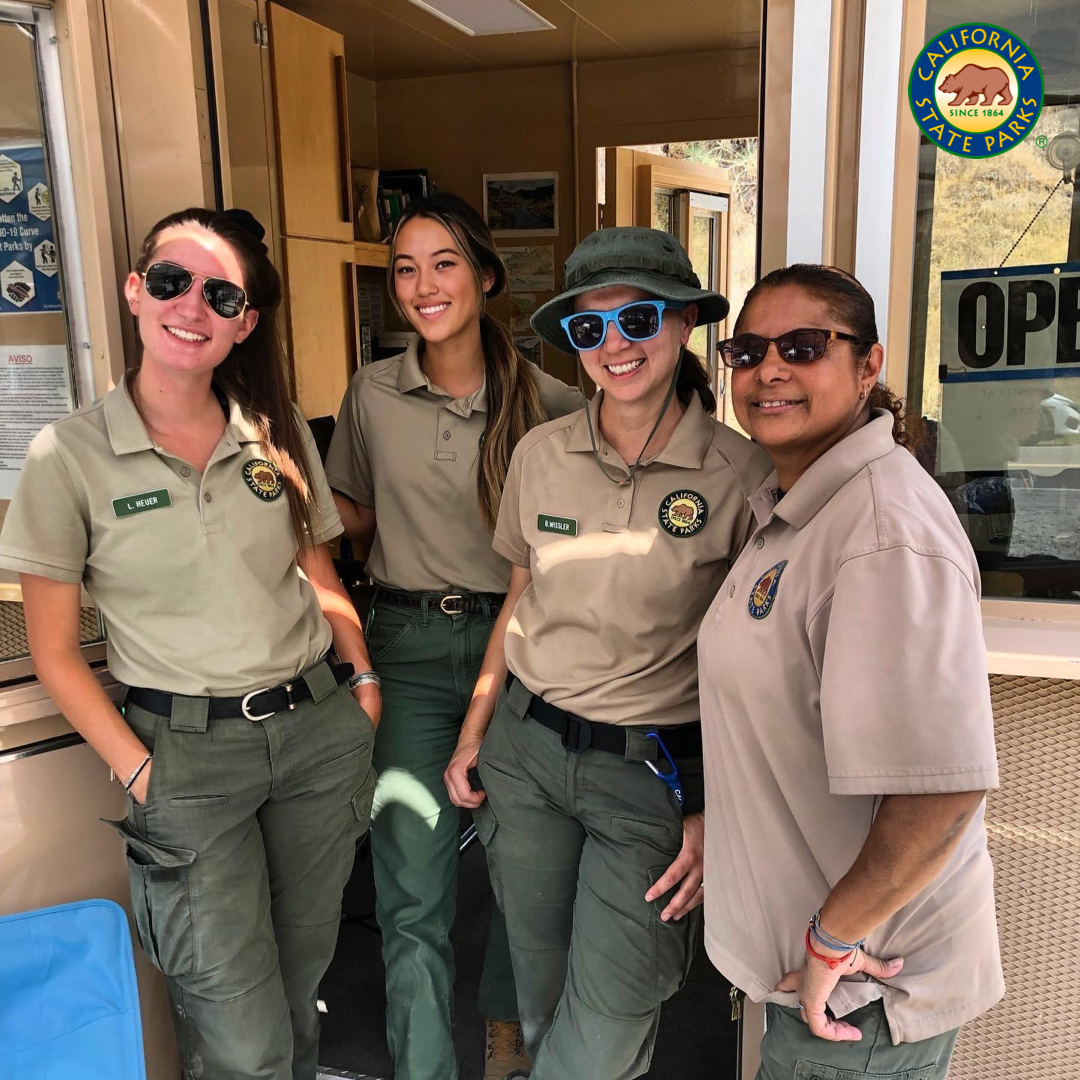
A park ranger’s life is defined by variety and purpose. One day might involve patrolling remote trails in Yosemite National Park, the next leading an interpretive program for schoolchildren at a state beach, and another responding to an emergency in Death Valley National Park. It’s a role that demands resilience, adaptability, and a deep passion for nature and people. This profession offers a unique balance of solitary contemplation in vast wilderness and active engagement with visitors, fostering a sense of community and shared appreciation for the environment. The lifestyle is inherently active, often requiring physical stamina and a willingness to work in diverse weather conditions and remote settings. It’s a vocation for those who find fulfillment in protecting wild places, educating the public, and upholding the laws that safeguard these treasures for future generations. Embracing this path means accepting a daily adventure and contributing meaningfully to the preservation of California’s iconic natural heritage.
Essential Qualifications and Educational Paths
Embarking on the journey to become a park ranger in California requires a strategic approach to education, experience, and skill development. The requirements can vary significantly between federal agencies like the National Park Service and state agencies such as California State Parks, but a solid foundation is universally critical.
Educational Background
A bachelor’s degree is typically the minimum educational requirement for most ranger positions, particularly those involving law enforcement or advanced interpretive duties. Relevant fields of study include:
- Natural Sciences: Biology, Ecology, Environmental Science, Forestry, Wildlife Management. These degrees provide a strong understanding of the ecosystems rangers protect.
- Recreation and Parks Management: Focuses on the administrative and visitor management aspects of park operations.
- Law Enforcement/Criminal Justice: Essential for positions with law enforcement responsibilities, often combined with natural resource courses.
- History/Anthropology: Important for rangers working in cultural or historical parks, offering insights into heritage preservation and interpretation.
While a bachelor’s degree is often preferred, some entry-level or seasonal positions may accept an associate’s degree combined with substantial relevant experience. Postgraduate degrees can enhance competitiveness for specialized roles or leadership positions.
Experience and Skills
Beyond formal education, practical experience is paramount. Rangers are expected to be multi-talented individuals with a broad skill set:
- Resource Management: Experience in habitat restoration, trail maintenance, wildlife monitoring, or fire management. Volunteer work with conservation groups, land trusts, or outdoor education programs is highly valuable.
- Visitor Services & Interpretation: Guiding tours, leading educational programs, public speaking, and customer service skills. Prior roles in education, tourism, or youth leadership can be beneficial.
- Law Enforcement & Emergency Response: For law enforcement ranger positions, completion of a Peace Officer Standards and Training (POST) certified academy is often a mandatory prerequisite for state roles. Federal roles require completion of a specific federal law enforcement training program. First aid, CPR, and wilderness first responder certifications are highly recommended for all ranger types.
- Outdoor Skills: Proficiency in map reading, GPS navigation, wilderness survival, and outdoor equipment operation.
Volunteer work, internships, and seasonal positions within parks (federal, state, or local) are excellent ways to gain relevant experience and network. Programs like AmeriCorps or the Student Conservation Association can offer invaluable hands-on training.
Physical Requirements and Certifications
Park ranger work is physically demanding. Candidates must typically pass a rigorous physical fitness test, including requirements for running, swimming, and carrying weight. Vision, hearing, and overall health standards must also be met, especially for law enforcement roles. Possession of a valid driver’s license is standard, and commercial driver’s licenses may be required for certain equipment operation. Specific certifications in areas like wildland fire suppression, search and rescue, or swiftwater rescue will significantly enhance an applicant’s profile.
Navigating the Application Process: State vs. Federal Roles
The path to becoming a park ranger in California requires understanding the different hiring entities and their unique application processes. The two primary employers are California State Parks and the National Park Service.
California State Parks Ranger Positions
California State Parks manages 280 park units, encompassing diverse natural and cultural resources, from state beaches to historic sites and wilderness areas across Northern California and Southern California. The “State Park Ranger” classification in California typically combines law enforcement, interpretation, and resource management duties.
The application process usually involves:
- Meeting Minimum Qualifications: As discussed, a bachelor’s degree is generally preferred, along with specific experience.
- Taking the State Civil Service Exam: Applicants must pass an examination that assesses knowledge relevant to park operations, public relations, and law enforcement. This exam determines eligibility for a hiring list.
- Peace Officer Standards and Training (POST) Academy: For full-time ranger positions with law enforcement duties, successful completion of a POST-certified academy is often required. Some candidates may attend a basic academy independently, while others are sponsored by the department.
- Hiring Process: This includes a comprehensive background investigation, psychological evaluation, medical examination, and an oral interview. The process is thorough due to the sensitive nature of law enforcement duties.
Job openings are posted on the CalCareers website, the official job portal for California state government.

National Park Service Ranger Opportunities
The National Park Service (NPS) manages nine national parks in California, including iconic sites like Yosemite National Park, Redwood National Park, Joshua Tree National Park, and Sequoia National Park. NPS ranger positions are typically divided into two main categories:
- Interpretive Rangers: Focus on education, visitor services, and historical/natural interpretation.
- Law Enforcement Rangers: Responsible for public safety, resource protection, and enforcing federal laws within park boundaries. These roles require specific federal law enforcement training.
The application process for the National Park Service is conducted through USAJOBS, the official employment site for the U.S. federal government. Key steps include:
- Creating a Comprehensive Resume: Federal resumes are typically longer and more detailed than private sector resumes, explicitly addressing all qualifications outlined in the job announcement.
- Meeting OPM Qualification Standards: Federal jobs adhere to Office of Personnel Management (OPM) standards, which specify education and experience requirements for each job series (e.g., GS-0025 for Park Ranger).
- Completing Assessments: Applicants may need to complete online assessments or questionnaires.
- Interview and Background Check: Similar to state roles, federal positions involve interviews, extensive background investigations, and medical/physical assessments.
Seasonal positions are an excellent entry point for the National Park Service, allowing individuals to gain experience and potentially transition into permanent roles.
Local and Regional Parks
Beyond state and federal systems, numerous regional and local park agencies throughout California employ rangers. These often have slightly different requirements and focus more on community engagement and local resource management. Exploring opportunities with county parks (e.g., in the San Francisco Bay Area) or city park departments can provide an alternative entry point into the ranger lifestyle.
A Day in the Life: The Diverse Responsibilities of a Ranger
The allure of the park ranger lifestyle lies in its dynamic nature. No two days are exactly alike, reflecting the multifaceted responsibilities essential to protecting California’s natural and cultural heritage. Rangers serve as guardians, educators, and first responders, embodying a broad spectrum of critical functions.
Law Enforcement and Public Safety
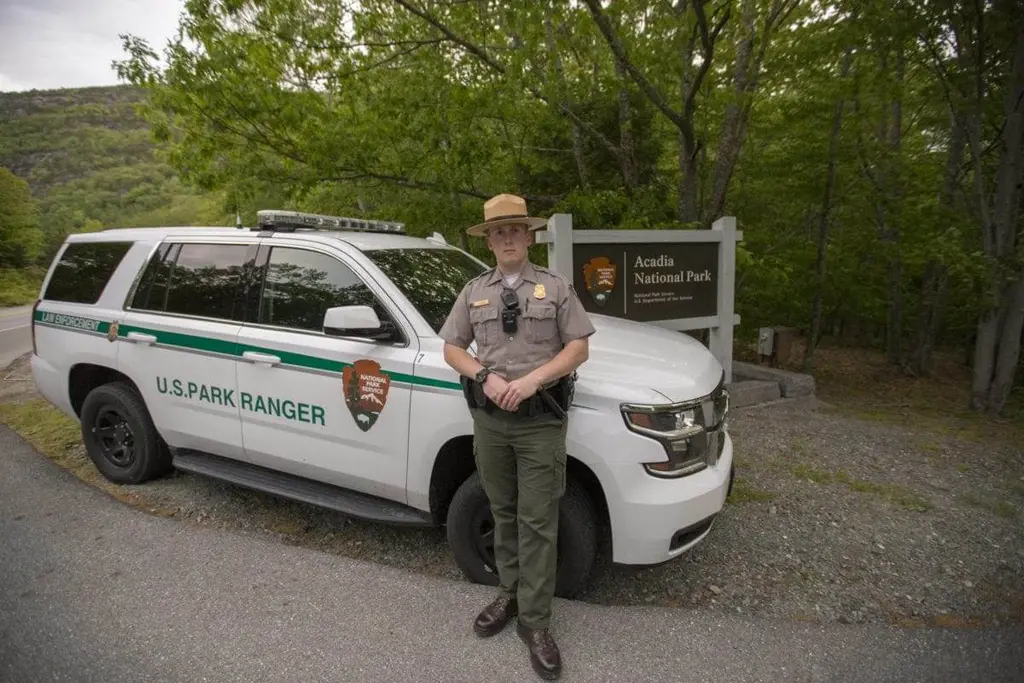
A significant portion of a ranger’s duty involves ensuring public safety and enforcing park regulations. This can range from addressing minor infractions like illegal camping or littering to responding to serious emergencies and conducting investigations. Rangers are often the first on the scene for medical emergencies, search and rescue operations in rugged terrain, or wildfires. They are trained in wilderness first aid, advanced life support, and tactical operations, making them vital components of the emergency response network within parks. This aspect of the job requires acute judgment, physical fitness, and the ability to remain calm and decisive under pressure. It’s a role that demands vigilance and a proactive approach to maintaining peace and order within park boundaries, ensuring a safe and enjoyable experience for all visitors.
Interpretation and Education
Another core responsibility is fostering appreciation and understanding of the parks’ natural and cultural resources. Interpretive rangers design and deliver educational programs, guided hikes, campfire talks, and visitor center presentations. They share knowledge about geology, wildlife, botany, and the history of the land and its people. This educational component is crucial for building public support for conservation and promoting responsible outdoor ethics. The lifestyle of an interpretive ranger often involves significant public interaction, requiring strong communication skills, creativity, and a genuine passion for storytelling. They connect visitors to the park’s essence, transforming a simple visit into a profound learning experience and inspiring a new generation of environmental stewards.
Resource Management and Conservation
Park rangers are on the front lines of conservation, actively participating in the management and protection of park ecosystems. Their duties can include monitoring wildlife populations, managing invasive species, conducting prescribed burns to maintain forest health, restoring degraded habitats, and maintaining trails and facilities. They might assist researchers, collect scientific data, or participate in long-term ecological restoration projects. This hands-on involvement with the land is often what draws individuals to the ranger profession. It offers the satisfaction of directly contributing to the health and resilience of natural systems, ensuring that the unique biodiversity and scenic beauty of California’s parks endure. Whether it’s removing non-native plants from the delicate ecosystems of the Channel Islands National Park or patrolling the vastness of the Sierra Nevada, resource management is a constant, evolving task.
Cultivating a Ranger Lifestyle: Beyond the Badge
Becoming a park ranger in California is more than securing a job; it’s an embrace of a unique lifestyle that comes with its own set of challenges, profound rewards, and a strong sense of community. It demands a particular mindset and a dedication that extends far beyond a typical 9-to-5 workday.
The ranger lifestyle often means living within or very close to the parks themselves. This immersion offers unparalleled access to nature, with the Redwood National Park’s ancient groves or the Pinnacles National Park’s unique rock formations becoming your backyard. While this offers incredible quality of life for nature enthusiasts, it can also mean living in remote areas, away from major urban centers. Community within the park service is strong, however, with rangers and their families often forming tight-knit bonds, sharing the unique experiences and challenges of park life. This camaraderie is a significant aspect of the lifestyle, providing a support system in often isolated environments.
Challenges are inherent to the role. Rangers frequently work long, irregular hours, including weekends, holidays, and nights, especially during peak seasons or emergencies. Exposure to extreme weather conditions, demanding physical labor, and the emotional toll of critical incidents are realities of the job. Salary, particularly for entry-level positions, may not be as high as in some urban professions, but the benefits of living and working in such extraordinary environments are often considered priceless.
However, the rewards are equally profound. The satisfaction of protecting pristine wilderness, educating visitors about its importance, and directly contributing to conservation efforts offers immense personal fulfillment. Witnessing a rare wildlife sighting, guiding someone to discover the wonders of nature, or successfully completing a search and rescue operation provides an unparalleled sense of purpose. Rangers often speak of the deep connection they form with the land they protect and the lasting impact they have on the visitors they encounter. It’s a career that fosters continuous learning, resilience, and a profound appreciation for the natural world.
For those committed to a life of service, adventure, and deep connection to California’s majestic landscapes, the park ranger lifestyle offers an inspiring and enduring career path. It’s a calling for individuals who seek meaning in their work and are prepared to dedicate themselves to preserving the beauty and legacy of these incredible places for generations to come.
LifeOutOfTheBox is a participant in the Amazon Services LLC Associates Program, an affiliate advertising program designed to provide a means for sites to earn advertising fees by advertising and linking to Amazon.com. Amazon, the Amazon logo, AmazonSupply, and the AmazonSupply logo are trademarks of Amazon.com, Inc. or its affiliates. As an Amazon Associate we earn affiliate commissions from qualifying purchases.