
Navigating Firearm Regulations for Colorado Tourists
Colorado stands as a premier destination for outdoor enthusiasts, drawing visitors with its majestic Rocky Mountains, vast national forests, and diverse recreational opportunities. For many, these opportunities extend to shooting sports and hunting, activities deeply ingrained in the state’s culture and heritage. As tourists plan their adventures, understanding the specific legal landscape concerning firearms and accessories becomes paramount. The legality of silencers, often technically referred to as suppressors, is a common inquiry, and navigating the federal and state regulations surrounding them is crucial for any responsible visitor.
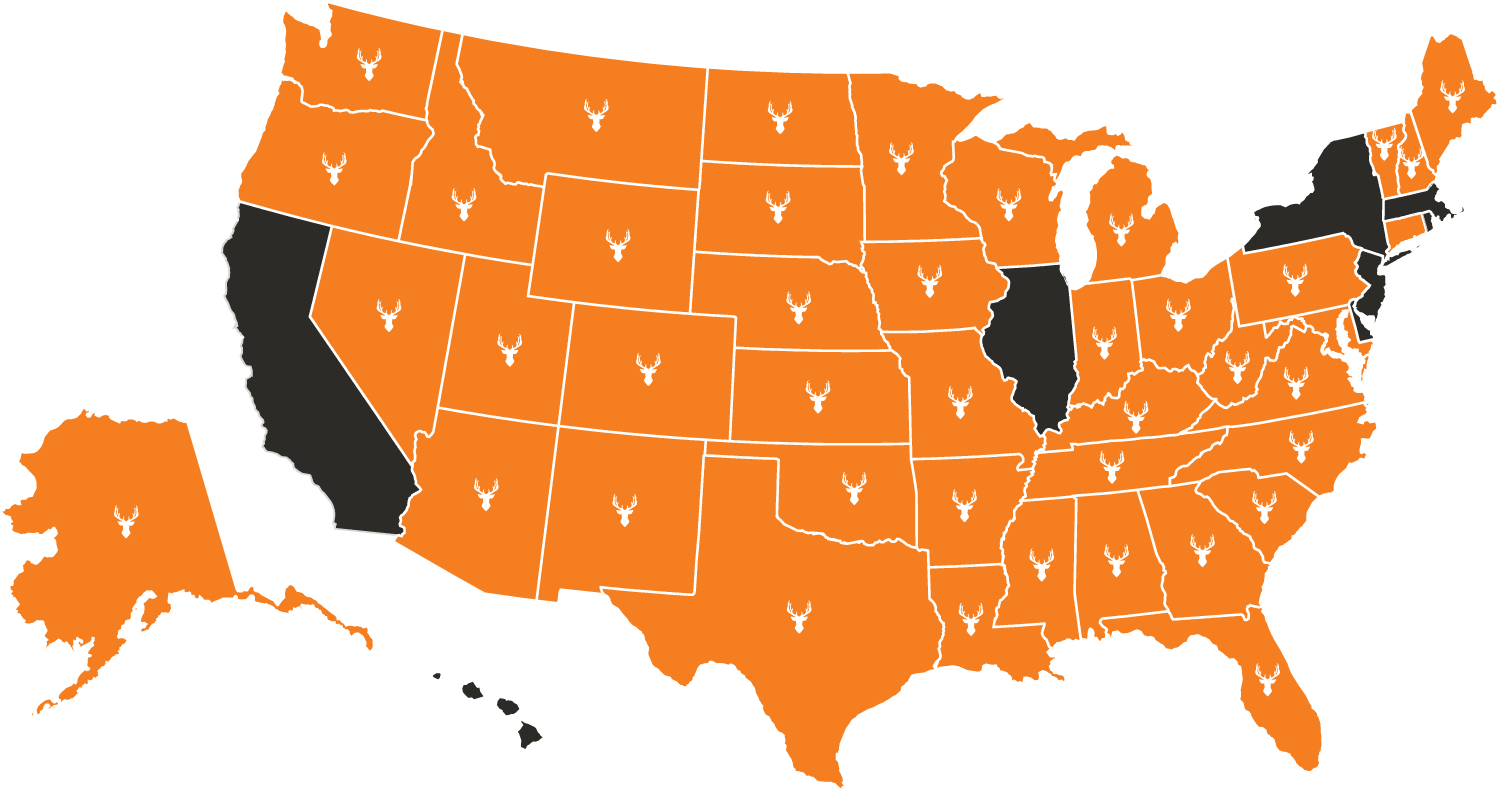
Unlike some states with outright bans, Colorado has a more nuanced approach, largely aligning with federal guidelines. However, simply knowing they might be legal isn’t enough; understanding the process, restrictions, and practical implications is essential for anyone considering bringing a silencer into the state or acquiring one while here. This detailed guide aims to demystify the topic, providing vital information for tourists looking to engage responsibly in Colorado’s vibrant shooting and hunting scenes. By understanding these regulations, visitors can ensure their trip is not only enjoyable but also compliant with all applicable laws, protecting themselves and preserving the integrity of their Colorado experience.
The Legality of Silencers (Suppressors) in Colorado
The question of silencer legality in Colorado is primarily answered by federal law, with the state generally deferring to these regulations. This means that if an individual legally owns a silencer under federal statutes, it is also considered legal for them to possess and use it in Colorado, subject to specific local ordinances or venue rules.
Federal Framework: The National Firearms Act (NFA)
Silencers are classified as “Title II” firearms under the National Firearms Act (NFA) of 1934, a comprehensive federal law that regulates certain weapons and accessories. This classification places them in the same category as machine guns, short-barreled rifles, short-barreled shotguns, and destructive devices. The NFA doesn’t prohibit ownership but rather establishes a strict registration and taxation process.
To legally own a silencer in the United States, including Colorado, an individual must:
- Be at least 21 years old to purchase from a licensed dealer (or 18 to possess under certain circumstances, but buying from an FFL requires 21).
- Pass a stringent background check, which involves submitting fingerprints and a photograph to the Bureau of Alcohol, Tobacco, Firearms and Explosives (ATF).
- Complete an ATF Form 4 application for the transfer and registration of the silencer. This form can be submitted as an individual, through a trust, or a corporation.
- Pay a one-time federal tax stamp fee of $200 for each silencer. This fee is non-refundable, regardless of application outcome.
- Await ATF approval. The approval process can be lengthy, often taking several months to over a year, depending on current ATF processing times.
Crucially, possession of the silencer is only legal after the ATF has approved the Form 4 application and returned the approved tax stamp. Possessing a silencer without this approved documentation is a serious federal felony.
Colorado State Law
Unlike some other states that have enacted their own bans on silencers despite federal legality, Colorado does not have any state laws prohibiting the ownership or possession of silencers. This means that if a silencer is legally owned under the federal NFA process, it is legal to possess and use within the state of Colorado. There are no additional state-level permits or registrations required beyond the federal process.
However, it’s vital to remember that while the state does not prohibit them, local municipalities or specific venues (such as private shooting ranges or hunting grounds) may have their own rules regarding their use. Therefore, always verify local regulations or venue policies before use.
Practical Considerations for Tourists and Visitors
For tourists visiting Colorado who legally own silencers, understanding the practical aspects of transport and use is just as important as knowing the legality. A misstep in these areas could lead to significant legal issues, even if the silencer is federally registered.
Transporting Silencers Across State Lines
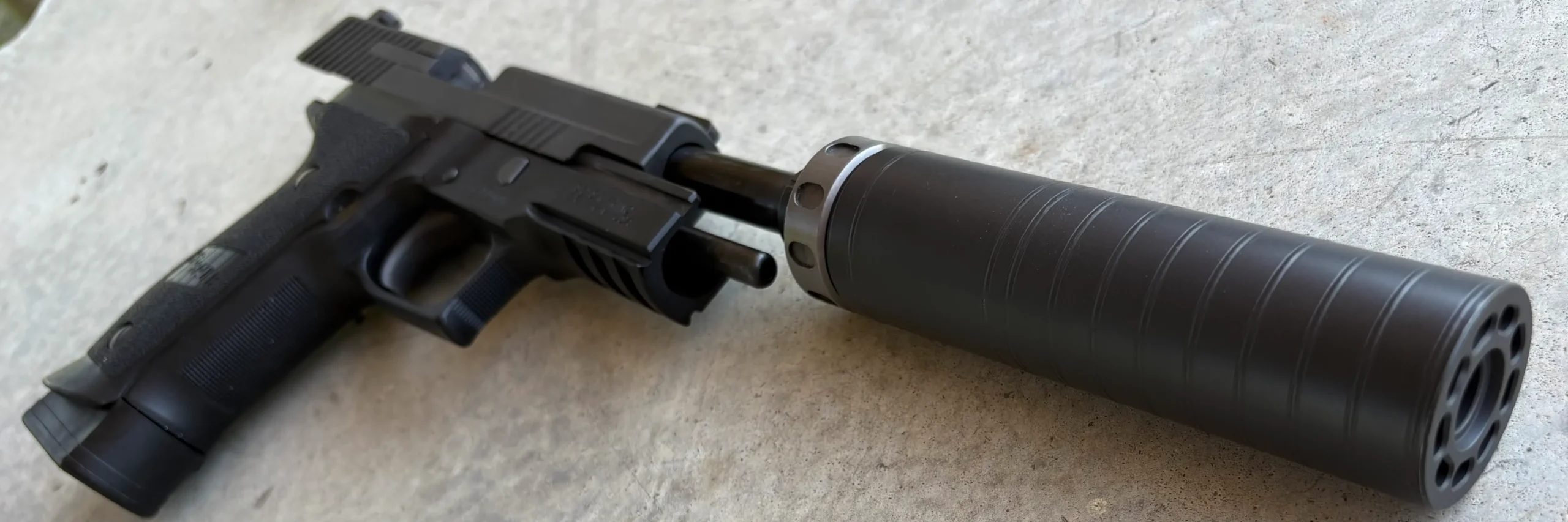
Interstate travel with NFA items, including silencers, requires careful adherence to federal and state laws. While silencers do not typically require a Form 5320.20 (Application for Transport of NFA Firearms) for temporary interstate transport, unlike other NFA items such as machine guns or short-barreled rifles, it is still imperative that the silencer is legal in both the state of origin and the destination state, as well as any states through which you might pass. Since Colorado permits federally legal silencers, visitors from other states where silencers are legal can generally transport them into Colorado.
Always ensure that the silencer is transported securely and discreetly, preferably in a locked case, separate from ammunition, and not readily accessible. Keep all federal registration documents (the approved ATF Form 4 with the tax stamp) with you, as proof of legal ownership.
Use at Shooting Ranges in Colorado
Many shooting ranges in Colorado not only permit but often encourage the use of silencers. Suppressors significantly reduce noise pollution, making the shooting experience more comfortable and safer for ears, both for the shooter and those nearby. This aligns with many ranges’ goals of being good neighbors and promoting hearing safety. Ranges like the Ben Lomond Gun Club or the Pikes Peak Gun Club are generally welcoming of NFA-compliant firearms.
However, it is always best practice to contact any specific range beforehand to confirm their individual policies regarding silencers. Some private ranges or those located near residential areas might have specific rules or restrictions. Verify their stance to avoid any misunderstandings upon arrival.
Hunting Regulations and Silencers
Colorado hunting regulations, overseen by Colorado Parks and Wildlife (CPW), generally permit the use of legally owned silencers for hunting. In fact, many hunters advocate for their use, citing benefits such as reduced noise impact on wildlife and fellow hunters, enhanced hearing protection, and improved accuracy due to reduced muzzle blast and recoil.
Hunters must, however, strictly adhere to all other hunting regulations, including possessing valid licenses and tags, observing season dates, using appropriate weapon types for specific game, and understanding restricted areas. The legality of a silencer does not exempt a hunter from any other established rule. Always consult the current Colorado Parks and Wildlife hunting brochures and regulations for the most up-to-date information, as rules can change annually.
Responsible Tourism and Firearm Ownership
Engaging in firearm-related activities as a tourist in Colorado requires a high degree of responsibility and a commitment to understanding and following all laws. The state’s open approach to federally legal firearms and accessories like silencers is a privilege that comes with significant duties.
Due Diligence and Expert Consultation
For any nuanced questions or specific scenarios, it is always advisable to consult with local legal counsel specializing in firearm law or directly contact the ATF or Colorado Parks and Wildlife. Relying solely on internet forums or anecdotal advice can lead to severe legal consequences. The complexity of firearm laws, especially when crossing state lines or dealing with NFA items, means that precise, authoritative information is invaluable.
Safety First
Beyond legality, safety should always be the paramount concern. This includes following all universal firearm safety rules: treat every firearm as if it’s loaded, never point a firearm at anything you’re not willing to destroy, keep your finger off the trigger until your sights are on target, and be sure of your target and what’s beyond it. When using a silencer, always continue to use appropriate hearing and eye protection, as silencers only reduce, not eliminate, noise.
Respect for Local Norms
While silencers are legal, public perception can vary. When participating in activities like hunting or shooting, be mindful of your surroundings and the comfort of others. Respect private property, adhere to posted signs, and always ensure your actions align with responsible and ethical firearm ownership, upholding the positive image of shooting sports and hunting in Colorado.

Where to Engage: Colorado’s Shooting Sports and Hunting Opportunities
Colorado offers an abundance of settings for firearm enthusiasts to enjoy their passion responsibly. For those with legally owned silencers, these can enhance the experience significantly, particularly in sensitive outdoor environments or at busy ranges.
The state boasts numerous public and private shooting ranges. Public ranges, often managed by the Bureau of Land Management (BLM) or the United States Forest Service, offer accessible opportunities for target practice. However, these often have specific rules regarding target types, shooting distances, and safety protocols that must be strictly followed. Private ranges, on the other hand, typically provide more amenities, structured environments, and often have staff on hand to ensure safety and offer guidance. Many private ranges actively promote suppressor use due to the noise reduction benefits.
For hunters, Colorado’s diverse landscapes, from the plains to the high country of the Rocky Mountains, provide vast opportunities for pursuing various game species. Big game hunting for elk, deer, and bear is particularly popular, requiring meticulous planning, adherence to draw systems, and a deep understanding of the specific game management unit regulations. The use of a silencer in these settings can make for a more comfortable hunt, reducing the startling effect of gunfire on the hunter and nearby wildlife, while preserving the tranquility of the wilderness experience.
In conclusion, for the responsible tourist, silencers are indeed legal in Colorado, provided they are acquired and possessed in strict accordance with federal NFA regulations. By understanding these laws and exercising due diligence, visitors can safely and legally enjoy Colorado’s world-class shooting and hunting opportunities.
LifeOutOfTheBox is a participant in the Amazon Services LLC Associates Program, an affiliate advertising program designed to provide a means for sites to earn advertising fees by advertising and linking to Amazon.com. Amazon, the Amazon logo, AmazonSupply, and the AmazonSupply logo are trademarks of Amazon.com, Inc. or its affiliates. As an Amazon Associate we earn affiliate commissions from qualifying purchases.