
The Modern Lifestyle: Navigating Personal Responsibilities From Afar
In an increasingly interconnected yet mobile world, many individuals embrace a dynamic lifestyle that might involve frequent travel, remote work, or even living abroad. This “life out of the box” offers unparalleled freedom and diverse experiences, but it doesn’t exempt us from fundamental personal responsibilities and the need to stay connected with loved ones. There are moments when crucial information becomes necessary, even when geographically distant. One such critical need might be locating an incarcerated individual in California. Whether it’s a family member, a friend, or someone for whom you bear legal responsibility, accessing accurate information promptly is paramount. This guide is tailored for those whose lifestyle demands efficient access to such details, offering a clear, professional pathway through the state’s inmate lookup systems. Understanding these processes ensures that even when life takes you far afield, you remain empowered to navigate complex personal affairs with confidence and peace of mind.

Essential Digital Pathways: State and County Search Tools
For those managing personal responsibilities remotely, digital resources are invaluable. California offers robust online systems designed to help locate individuals within its correctional facilities, though the specific portal you use depends on where the individual is held: state prison or county jail.
The California Department of Corrections and Rehabilitation (CDCR) Inmate Locator
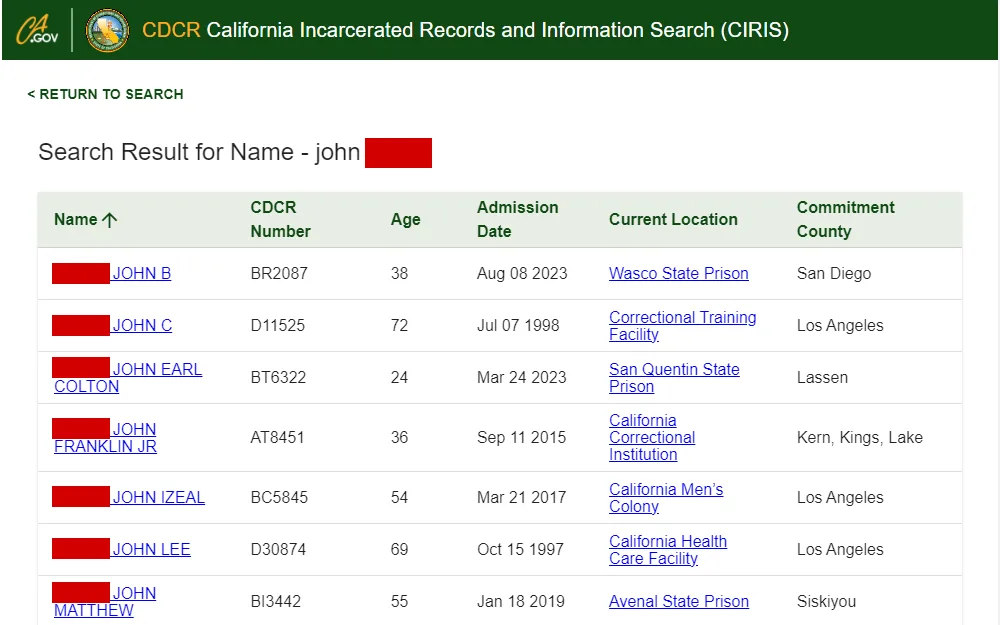
The California Department of Corrections and Rehabilitation (CDCR) oversees all state prisons within California. If the individual you are searching for has been sentenced to a state prison term, the CDCR’s online inmate locator is your primary tool. This system is designed for public access and is relatively straightforward to use, making it ideal for those who need to quickly retrieve information from a distance.
To utilize the CDCR Inmate Locator, you will typically need one of the following pieces of information:
- Last Name and First Name: This is the most common and often sufficient search criterion. Ensure correct spelling.
- CDCR Number: A unique identification number assigned to each inmate within the state prison system. If you have this number, it provides the most precise search results.
- California Parolee Number (CPN): Used for individuals currently on parole.
Once you enter the available information, the system will return results that include the inmate’s full name, CDCR number, current location (the specific state prison), and potentially their commitment offense. It’s important to note that the CDCR system primarily provides information on individuals currently incarcerated in state facilities or on parole. It does not cover individuals held in county jails awaiting trial or serving shorter sentences.
County Jail Inmate Search Systems
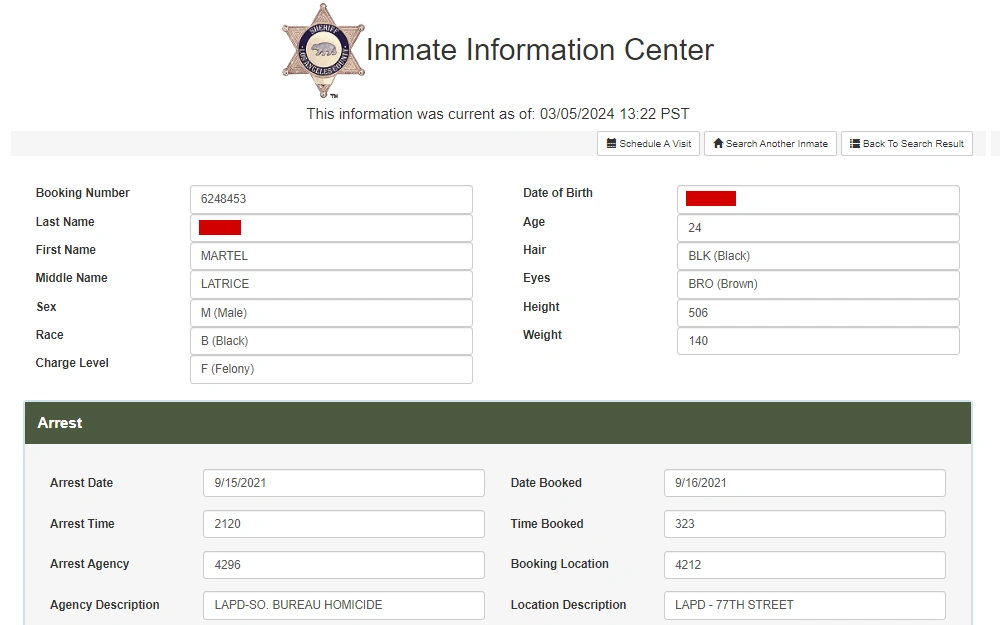
Unlike the centralized CDCR system for state prisons, individuals held in county jails fall under the jurisdiction of the respective county’s Sheriff’s Department. This means there isn’t one single statewide database for county jail inmates. Instead, each of California’s 58 counties maintains its own online inmate search portal, usually accessible through the county Sheriff’s Department website.
For individuals with a dynamic lifestyle, this decentralized system requires an extra step: identifying the correct county. If you are unsure of the county where the individual might be held, you might need to try multiple county searches or gather more information through other means.
Here’s a general approach for using county jail inmate search systems:
- Identify the County: Determine the most likely county where the individual was arrested or is being held.
- Navigate to the County Sheriff’s Website: Use a search engine to find the official website for that county’s Sheriff’s Department (e.g., “Los Angeles County Sheriff Inmate Search,” “San Diego County Sheriff Inmate Info,” “San Francisco County Jail Inmate Search”).
- Locate the Inmate Search Portal: Most sheriff’s websites will have a clearly labeled section for “Inmate Information,” “Custody Search,” or “Who’s In Jail.”
- Enter Search Criteria: Similar to the CDCR system, you’ll typically need the inmate’s full name and possibly their date of birth. Some systems may also accept booking numbers or case numbers.
It’s important to be aware that the information available on county inmate search systems can vary. Some may provide booking photos, charges, bail amounts, and next court dates, while others offer more limited details. Additionally, these systems are updated frequently, so information can change rapidly, especially for individuals awaiting trial or transfer.
Beyond Digital: When a Personal Touch is Necessary
While digital tools offer unparalleled convenience for those living a dynamic lifestyle, there are instances where online searches may not yield the desired results, or more nuanced information is required. In such cases, a more direct approach becomes necessary.
Direct Contact with Facilities
If you’ve exhausted online resources without success, or if you need to clarify specific details not available publicly, directly contacting the correctional facility is the next logical step. This method is particularly useful if you have a strong suspicion about which facility might be holding the individual.
- For State Prisons: Identify the specific CDCR state prison based on your online search or other information. Visit the prison’s official webpage on the CDCR site for their general information phone number.
- For County Jails: After identifying the county, find the direct phone number for the specific jail facility via the county Sheriff’s Department website.
When calling, be prepared with as much identifying information about the inmate as possible (full name, date of birth, estimated date of arrest, etc.). Understand that staff members are bound by privacy regulations and may only be able to provide limited information. Be polite, clear, and concise with your questions. Avoid calling during peak hours (like meal times or shift changes) if possible, as staff availability may be limited. For those operating across different time zones, planning these calls strategically is key.
Legal Counsel and Third-Party Assistance
In complex situations, or when an individual’s “life out of the box” means they are simply too far removed or too time-constrained to manage these searches themselves, engaging legal counsel or a third-party service can be invaluable.
- Legal Professionals: If the search is related to an active legal case, or if you need to understand legal implications of the incarceration, retaining a lawyer in California is advisable. Attorneys have access to legal databases and can often obtain information more efficiently and comprehensively, respecting all legal boundaries. They can also represent your interests and advise on communication protocols.
- Private Investigators: For highly sensitive or challenging searches, a licensed private investigator can be hired. They specialize in locating individuals and gathering information through various legal channels, potentially providing a solution when public searches are insufficient. This option is a consideration for those whose lifestyle allows for outsourcing such tasks to maintain focus on their core pursuits.
Ethical Considerations and Maintaining Your Lifestyle’s Integrity
While the ability to look up inmates in California is a public service, it comes with important ethical considerations, especially for those who value integrity and respect in their personal and professional lives. A “life out of the box” implies not only freedom but also responsibility, and this extends to how we utilize public information.
Firstly, always approach this process with respect for privacy. While inmate information is publicly accessible, it pertains to individuals in vulnerable situations. The information gathered should be used responsibly, primarily for legitimate purposes such as maintaining family contact, legal support, or verifying facts. Avoid using such information for harassment, exploitation, or any malicious intent, as this undermines the very integrity of your own lifestyle and relationships.
Secondly, ensure the accuracy of the information you obtain. Public databases are generally reliable, but errors can occur, or updates might be delayed. Cross-reference information when possible, especially if critical decisions depend on it. Misinformation can lead to undue distress for both the inquirer and the incarcerated individual’s family.
Finally, consider the emotional toll. Engaging with the correctional system, even remotely, can be emotionally taxing. For those living a dynamic lifestyle, it’s crucial to maintain a balance between attending to these responsibilities and protecting your own mental and emotional well-being. Recognize your limits, utilize support networks, and if needed, delegate aspects of the search or communication to trusted individuals or professionals. Maintaining a healthy and sustainable lifestyle means acknowledging and managing all facets of life, including the difficult ones.
Fostering Connections: Support Systems for Inmates and Families
Successfully locating an inmate is often just the first step. For those whose lifestyle emphasizes connection and support, the subsequent goal is usually to establish or maintain communication and provide assistance. A “life out of the box” doesn’t mean disconnecting from those who need you most; it means finding creative ways to stay engaged.
Once an inmate’s location is confirmed, understanding the specific facility’s communication protocols is essential. Each state prison and county jail in California has its own rules regarding:
- Visitation: While online searches provide location, detailed visitation schedules, rules, and procedures (including any necessary pre-registration or background checks) must be obtained directly from the facility’s website or by phone. For those traveling long distances, planning these visits meticulously is crucial.
- Mail: Guidelines for sending letters, photos, and approved publications vary. Adhering strictly to these rules prevents mail from being returned.
- Phone Calls: Inmates typically cannot receive incoming calls but can make outgoing calls during designated hours. Setting up an approved phone account is usually required, often through a third-party service contracted by the correctional facility.
- Sending Money: Information on how to deposit funds into an inmate’s trust account for commissary purchases is usually available through the facility’s website or a designated third-party service.
Beyond direct communication, numerous organizations in California offer support to incarcerated individuals and their families. These resources can be invaluable for navigating the challenges of incarceration, providing emotional support, legal guidance, and community for family members. Connecting with these groups can reinforce the community aspect of your lifestyle, providing a network of understanding and assistance. Staying connected with incarcerated loved ones, even from a distance, plays a vital role in their rehabilitation and maintaining familial bonds, reflecting a compassionate and responsible approach to a dynamic life.
LifeOutOfTheBox is a participant in the Amazon Services LLC Associates Program, an affiliate advertising program designed to provide a means for sites to earn advertising fees by advertising and linking to Amazon.com. Amazon, the Amazon logo, AmazonSupply, and the AmazonSupply logo are trademarks of Amazon.com, Inc. or its affiliates. As an Amazon Associate we earn affiliate commissions from qualifying purchases.