
A Geopolitical Twist of Fate
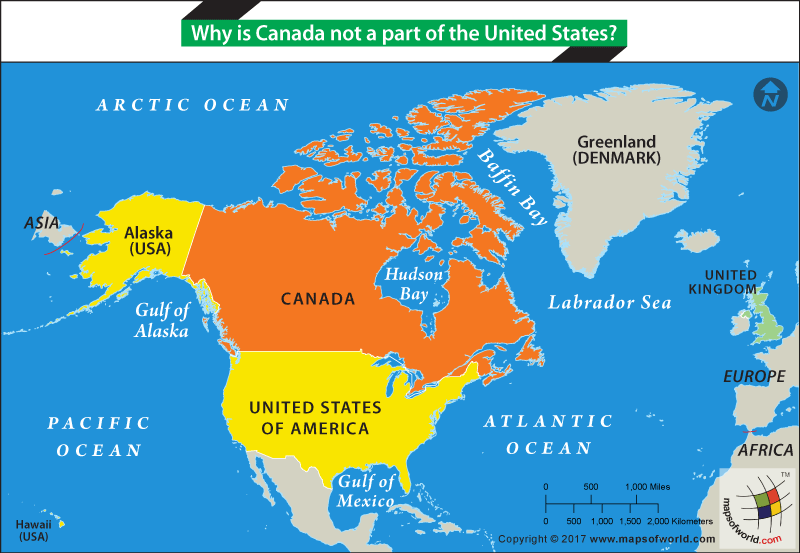
The vast, rugged, and resource-rich expanse of Alaska presents a compelling geographical puzzle. Situated at the northwestern extremity of North America, it shares a lengthy border with Canada, yet it remains an integral part of the United States. This seemingly counter-intuitive arrangement is not the result of a recent border dispute or a natural geographical anomaly, but rather a product of deliberate historical decisions, strategic considerations, and a touch of historical serendipity. Understanding how Alaska became American requires delving into the mid-19th century, a period of shifting geopolitical landscapes and imperial ambitions.
The Russian Chapter
Before its acquisition by the United States, Alaska was a territory of the Russian Empire. From the early 18th century, Russian explorers and fur traders began to venture into the region, establishing a presence and engaging in the lucrative fur trade, particularly with sea otters. By the mid-19th century, however, Russia faced a precarious situation. The Crimean War (1853-1856) had drained its resources and highlighted the vulnerability of its distant North American possessions. Russia feared that in the event of another conflict, particularly with Great Britain (which controlled Canada), Alaska would be easily captured. Furthermore, the fur trade had diminished, and the cost of administering and defending the vast territory was becoming a significant burden.
The American Interest and the Seward Purchase
It was against this backdrop that the idea of selling Alaska to the United States gained traction. The primary proponent of this sale was William H. Seward, the U.S. Secretary of State under President Andrew Johnson. Seward was a fervent expansionist and saw immense strategic and economic potential in acquiring Alaska. He believed it would serve as a crucial stepping stone for American trade with Asia and provide valuable natural resources.
Despite facing considerable skepticism and even ridicule from some quarters in the United States – the purchase was derisively nicknamed “Seward’s Folly” or “Seward’s Icebox” – Seward relentlessly pursued the deal. On March 30, 1867, the Treaty of Cession was signed, with the United States agreeing to purchase Alaska from Russia for $7.2 million, a sum equivalent to about $130 million today. This amounted to less than two cents per acre, a remarkably low price for such a vast territory. The U.S. Senate ratified the treaty on April 9, 1867, and the formal transfer of ownership took place on October 18, 1867, in Sitka, Alaska.
Why Not Canada?
The question then arises: why did Canada, or rather the British Empire at the time, not acquire Alaska? Several factors contributed to this.
British Imperial Concerns and Priorities

In the mid-19th century, the British Empire was at its zenith, with vast territories and global interests. While Canada was a significant dominion, British imperial priorities often extended beyond North America. The British government was heavily invested in maintaining its colonial holdings in India, Africa, and the Caribbean. Furthermore, as mentioned, Russia and Great Britain were historically rivals, and the prospect of further territorial acquisition in a region bordering Russian territory might have been viewed with caution.
The Cost and Perceived Value
The prospect of acquiring Alaska was not an attractive one for the British. Like the initial American perception, the territory was largely perceived as frozen wasteland with little immediate economic value beyond furs. The administrative and logistical challenges of incorporating such a remote and undeveloped region into the existing British North America (which would eventually become Canada) would have been substantial. The financial outlay, even if potentially less than the American purchase price, would have been a significant consideration.
American Strategic Drive
Crucially, the United States possessed a more immediate and pressing strategic interest in the region. Seward’s vision was not merely about acquiring land; it was about securing a vital geopolitical position in the Pacific and establishing a broader continental presence. The U.S. was in a period of post-Civil War expansion and consolidation, and the acquisition of Alaska fit neatly into this nationalistic and expansionist agenda. The U.S. also had a more established presence and trade relations in the Pacific Northwest, making the acquisition of Alaska a more natural extension of its influence.
Lack of Direct Negotiation
There is little evidence to suggest that Russia actively approached the British government with an offer to sell Alaska. The negotiations were primarily, if not exclusively, conducted with the United States. The American administration, driven by Seward’s initiative, was the party actively seeking to purchase the territory.
The Long-Term Impact and Discovery of Resources
In the decades following the purchase, the initial skepticism surrounding “Seward’s Folly” began to dissipate. The discovery of vast gold reserves in the late 19th century, most famously during the Klondike Gold Rush (though the primary rush was in the Yukon, it significantly impacted Alaska), brought unprecedented attention and economic activity to the region. Later, the discovery of immense oil reserves, particularly the Prudhoe Bay oil field in the 1960s, cemented Alaska’s economic importance to the United States.
Today, Alaska is a state renowned for its stunning natural beauty, abundant wildlife, and critical strategic location. Its inclusion within the United States is a testament to the foresight of William Seward and the historical currents that favored American acquisition over potential British or Canadian interest. The story of how Alaska became part of the U.S. is a fascinating case study in international relations, strategic decision-making, and the enduring power of geographical proximity coupled with political will.
A Modern Perspective: The Shared North
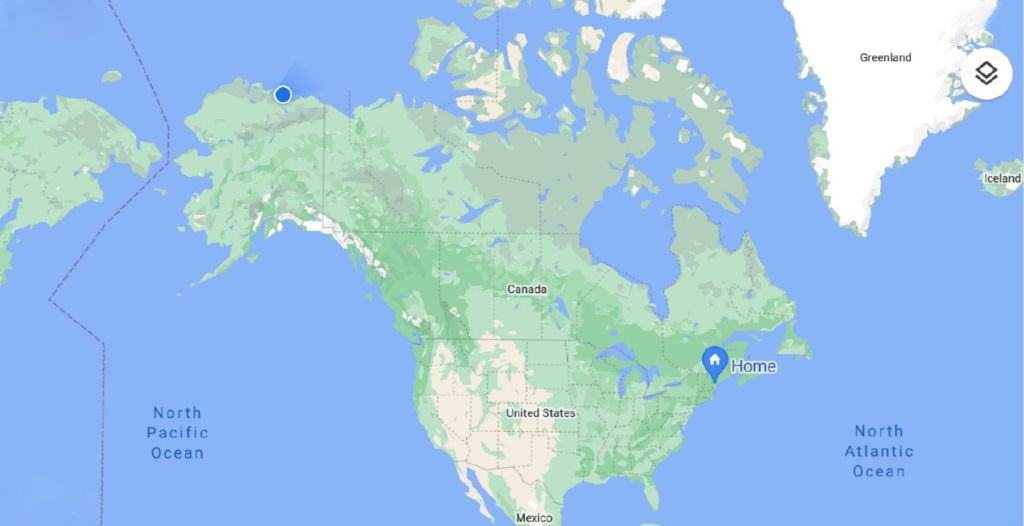
While the historical reasons for Alaska’s separation from Canada are clear, modern geopolitics and shared interests in the Arctic region foster a sense of cooperation and mutual respect between the two nations. Both Canada and the United States recognize the unique environmental, economic, and security challenges and opportunities presented by the circumpolar north. Through various international forums and bilateral agreements, they work together on issues ranging from environmental protection and sustainable resource management to scientific research and search and rescue operations. This collaboration underscores that despite historical borders, the peoples and governments of North America share a common destiny and a responsibility to the vast northern territories they inhabit. The majestic landscapes of Denali National Park and the rugged coastlines of British Columbia serve as reminders of the shared natural heritage that transcends national boundaries.
LifeOutOfTheBox is a participant in the Amazon Services LLC Associates Program, an affiliate advertising program designed to provide a means for sites to earn advertising fees by advertising and linking to Amazon.com. Amazon, the Amazon logo, AmazonSupply, and the AmazonSupply logo are trademarks of Amazon.com, Inc. or its affiliates. As an Amazon Associate we earn affiliate commissions from qualifying purchases.