
Re-engaging with civic life after a felony conviction is a crucial aspect of a holistic personal lifestyle. For many, the ability to participate in the democratic process, particularly in federal elections, is a profound step towards full reintegration and a testament to their journey of rehabilitation. In the United States, the question of whether felons can vote varies significantly from state to state, creating a complex patchwork of laws that can often be confusing. This article delves into the specifics for Colorado, illuminating the path back to the ballot box and emphasizing the broader implications for an engaged and responsible citizenry. Understanding these rights is not just a matter of law, but a fundamental component of rebuilding a meaningful and active lifestyle within the community.
Understanding the Landscape of Voting Rights for Felons in Colorado
The journey to civic participation for individuals with past felony convictions is often fraught with historical complexities and varying legal frameworks. Nationally, the landscape is diverse, but Colorado stands out for its relatively progressive approach to felon voting rights. This stance reflects a commitment to reintegration and recognizes the value of every citizen’s voice in shaping the state’s future. For those striving to live a full and engaged lifestyle after conviction, knowing these rights is paramount.
A National Perspective: Varying State Laws
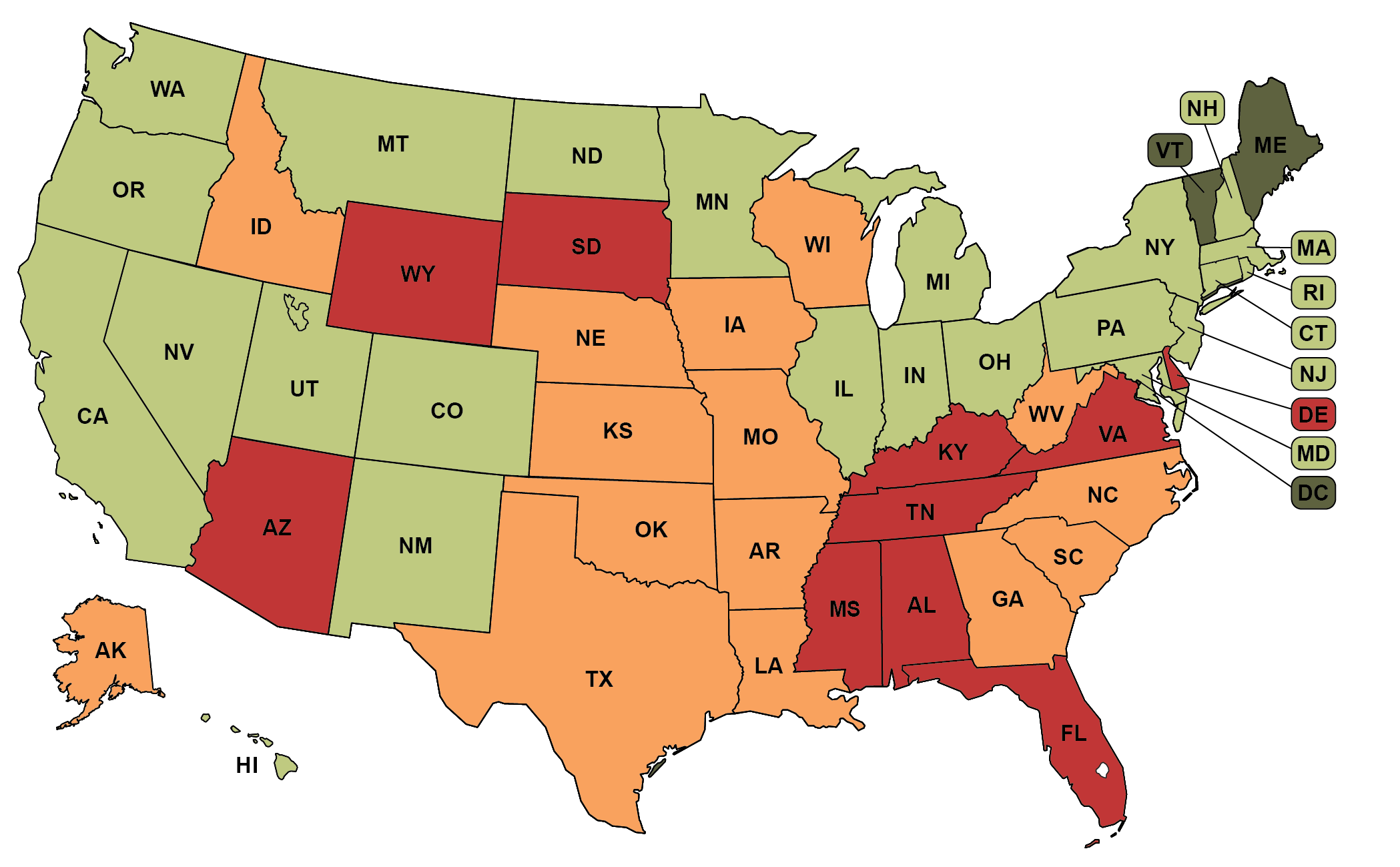
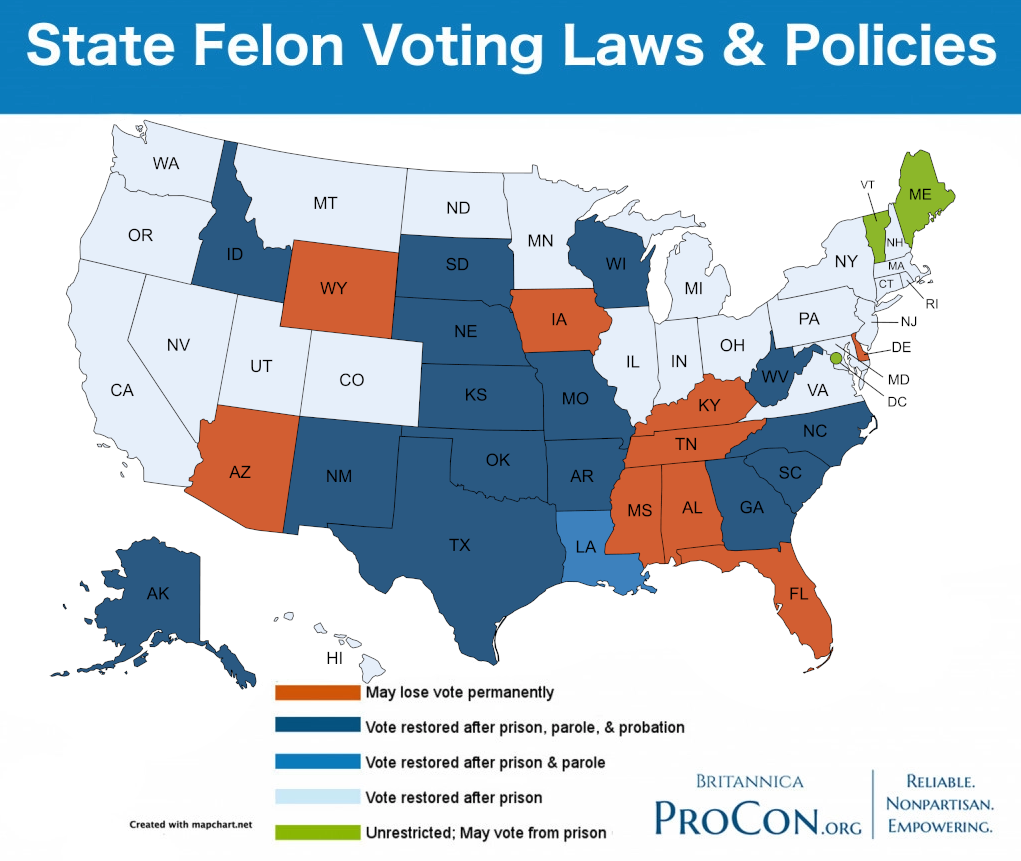
Across the United States, the rules regarding felon voting rights range from complete disenfranchisement to full restoration upon release from incarceration. Some states require individuals to complete their parole or probation, pay all fines and fees, or even apply for a special pardon before their voting rights are restored. This intricate tapestry of laws can make it challenging for individuals to understand their eligibility, especially if they have moved between states. The lack of uniformity underscores the importance of local knowledge and the need for clear guidance to navigate these often opaque regulations. This national context highlights Colorado’s distinct approach, which prioritizes a more immediate return to civic participation.
Colorado’s Progressive Stance
In Colorado, the law is clear and generally considered more lenient than in many other states. A person convicted of a felony loses their right to vote only while incarcerated. Once released from prison, even if still on parole, probation, or under community supervision, their voting rights are automatically restored. This automatic restoration is a cornerstone of Colorado’s approach, removing many of the bureaucratic hurdles found elsewhere. This progressive policy reflects a belief in redemption and the importance of allowing individuals to contribute to society through their vote as they rebuild their lives. For those seeking to integrate fully into community life and embrace a responsible lifestyle, this legal clarity provides a significant advantage.
The Core Principles of Civic Reintegration
The philosophy behind Colorado’s voting rights policy aligns with broader principles of civic reintegration. It recognizes that the right to vote is a fundamental aspect of citizenship and that its restoration is essential for successful re-entry into society. Denying the vote post-incarceration can create a permanent underclass, hindering efforts at rehabilitation and fostering alienation. By automatically restoring voting rights, Colorado encourages individuals to re-engage with democratic processes, take ownership of their communities, and exercise their voices responsibly. This empowerment is a vital ingredient in developing a stable and productive post-conviction lifestyle, fostering a sense of belonging and agency.
The Journey Back to the Ballot Box: Eligibility and Restoration
Understanding the specific conditions for eligibility and the process of rights restoration is key to ensuring that individuals can exercise their right to vote effectively. For many, the period immediately following release is a delicate balance of re-establishing a stable lifestyle, securing housing and employment, and navigating the complexities of their legal status. Knowing precisely when and how one’s voting rights are restored simplifies this process and encourages earlier civic engagement.
Automatic Restoration Upon Release
The defining feature of Colorado’s law is the automatic restoration of voting rights immediately upon release from physical incarceration. This means that as soon as an individual leaves a state or federal prison facility, they are eligible to register to vote and participate in federal elections (as well as state and local elections). There is no waiting period, no special application, and no requirement to fulfill additional conditions related to their conviction, such as paying outstanding fines or fees. This streamlined process is designed to minimize barriers and facilitate prompt re-engagement with the electoral system, emphasizing that an active civic lifestyle should be accessible without undue delay.
Probation and Parole: Navigating the Nuances
A common misconception in many states is that voting rights are suspended while an individual is on probation or parole. In Colorado, this is not the case. An individual on probation or parole is considered “out of prison” and therefore has their voting rights restored. This nuance is critical, as many people may mistakenly believe they are still ineligible to vote during these supervisory periods. It’s important for individuals to understand that their supervisory status does not equate to incarceration for the purposes of voting rights in Colorado. This understanding empowers them to take control of their civic lifestyle even while under supervision.
The Importance of Knowing Your Status
Given the automatic nature of rights restoration in Colorado, the primary step for a formerly incarcerated individual is to ensure they are properly registered to vote. This involves confirming their eligibility based on their release from incarceration and then proceeding with voter registration. It’s crucial not to assume continued disenfranchisement but rather to actively verify one’s current status. Organizations dedicated to civil rights and voter advocacy often provide resources and assistance to help individuals confirm their eligibility and complete the registration process, supporting their journey towards an engaged lifestyle.
Beyond the Vote: Cultivating a Civic Lifestyle Post-Conviction
While the act of voting is a powerful expression of civic duty, cultivating a comprehensive civic lifestyle extends far beyond casting a ballot. For individuals with felony convictions, re-engaging with their communities and actively participating in democratic processes can be transformative, offering avenues for personal growth, advocacy, and positive social impact. This holistic approach supports their rehabilitation and enriches the fabric of their communities.
Active Participation in Community Life
An engaged civic lifestyle means more than just showing up on election day. It involves active participation in community life, volunteering for local initiatives, joining neighborhood groups, or contributing to causes that matter. For individuals post-conviction, these activities can be instrumental in rebuilding social ties, fostering a sense of purpose, and demonstrating commitment to their community. From attending town hall meetings in Denver to volunteering at a local food bank in Colorado Springs, every act of community involvement reinforces their role as valuable members of society and strengthens their personal lifestyle.
Advocacy and Education
Individuals who have navigated the justice system bring unique perspectives and invaluable insights to public discourse. By sharing their experiences and advocating for reforms, they can play a critical role in shaping policies that affect not only themselves but also future generations. This can involve speaking at public forums, writing letters to elected officials, or joining advocacy organizations focused on criminal justice reform, voting rights, or prisoner re-entry. Educating others about the challenges and triumphs of reintegration helps dismantle stigma and builds a more empathetic and inclusive society. Embracing this role of advocate and educator is a powerful component of a civic-minded lifestyle.
The Power of Your Voice in a Democratic Society
The ability to vote and engage civically is a powerful reminder of one’s agency and influence within a democratic society. Each vote, each voice, contributes to the collective decision-making process that shapes laws, elects leaders, and determines the future direction of the state and nation. For individuals who may have felt marginalized or silenced, exercising this power is a profound act of self-determination and empowerment. It reinforces the belief that their experiences and perspectives matter, ultimately strengthening their personal lifestyle and the democratic process itself.
Practical Steps for Re-engaging with the Electoral Process
For those ready to embrace their renewed civic rights, practical steps are essential to ensure a smooth and successful re-engagement with the electoral process. Knowing where to start and what resources are available can make a significant difference, transforming the intention to vote into actual participation. Colorado’s commitment to accessible elections further supports this process.
Verifying Voter Registration Status
The first and most crucial step for any eligible voter, especially those with past convictions, is to verify their voter registration status. Even with automatic restoration, individuals must still be registered to vote. If they were previously registered before their conviction, their registration might have been inactivated. The Colorado Secretary of State’s website provides an online tool where individuals can easily check their registration status, update their address, or register for the first time. This online accessibility exemplifies Colorado’s efforts to make voting as straightforward as possible, facilitating an engaged civic lifestyle.
Understanding the Colorado Voter Information System
Colorado employs a robust mail-ballot system, meaning registered voters automatically receive their ballots in the mail for most elections. This system significantly enhances convenience and accessibility, removing the need to physically go to a polling place. Understanding how the system works, including key dates for ballot mailing, return deadlines, and drop-off locations, is vital for successful participation. The Colorado Secretary of State’s office and local county clerks’ websites offer comprehensive information and resources tailored to assist voters, helping them seamlessly integrate voting into their daily lifestyle.
Resources for Support and Guidance
Numerous non-profit organizations and community groups in Colorado are dedicated to helping formerly incarcerated individuals understand and exercise their voting rights. These organizations often provide voter registration drives, educational workshops, and one-on-one assistance to clarify any uncertainties. Seeking out these resources can provide invaluable support and ensure that no eligible voter is left behind due to a lack of information or understanding. Engaging with these support networks is not just about voting; it’s about building a supportive community that fosters a positive and civically engaged lifestyle for all.
LifeOutOfTheBox is a participant in the Amazon Services LLC Associates Program, an affiliate advertising program designed to provide a means for sites to earn advertising fees by advertising and linking to Amazon.com. Amazon, the Amazon logo, AmazonSupply, and the AmazonSupply logo are trademarks of Amazon.com, Inc. or its affiliates. As an Amazon Associate we earn affiliate commissions from qualifying purchases.