
The seamless transition from a bustling hotel lobby to the sanctuary of a private guest room is a defining moment of any stay. At the heart of this transition is a small, often unassuming piece of plastic or a digital token: the hotel key card. Whether you are checking into a luxury suite at The Ritz-Carlton in New York City or a chic boutique apartment in London, the technology behind that card governs your security, convenience, and overall guest experience. Understanding how these devices work reveals a sophisticated intersection of data management, radio physics, and hospitality operations.
The Evolution of Access: From Metal Keys to Magnetic Stripes
For over a century, the standard for securing a room in a hotel involved a physical metal key and a mechanical lock. While charming and nostalgic, this system presented significant logistical challenges for large-scale operations. If a guest lost a key at a massive resort like the MGM Grand in Las Vegas, the hotel would theoretically need to rekey the entire lock to ensure security—a costly and time-consuming process.
The Legacy of Mechanical Locks
In the mid-20th century, hotels relied on heavy brass keys, often attached to large fobs to discourage guests from accidentally taking them home. However, as the industry expanded across North America and Europe, the need for a more flexible solution became apparent. Mechanical keys offered no “audit trail,” meaning hotel management had no way of knowing who entered a room or at what time.
The Rise of Magnetic Stripe Technology
The first major technological leap occurred with the introduction of the magnetic stripe (magstripe) card in the 1970s and 1980s. This technology, similar to what is found on the back of a credit card, stores data by modifying the magnetism of tiny iron-based particles on a band of magnetic material. When you swipe a magstripe card through a reader at a Hilton Hotels & Resorts property, the reader detects the changes in the magnetic field and converts them into a digital code. If the code matches the one stored in the lock’s memory, the door opens.
Understanding Modern Key Card Technologies
As technology progressed, the limitations of magnetic stripes—such as their susceptibility to demagnetization when placed near cell phones or magnets—led to the adoption of more robust systems. Today, most modern hotels, from the high-tech towers of Tokyo to the coastal villas of Dubai, utilize Radio Frequency Identification (RFID).
Radio Frequency Identification (RFID) and Proximity Cards
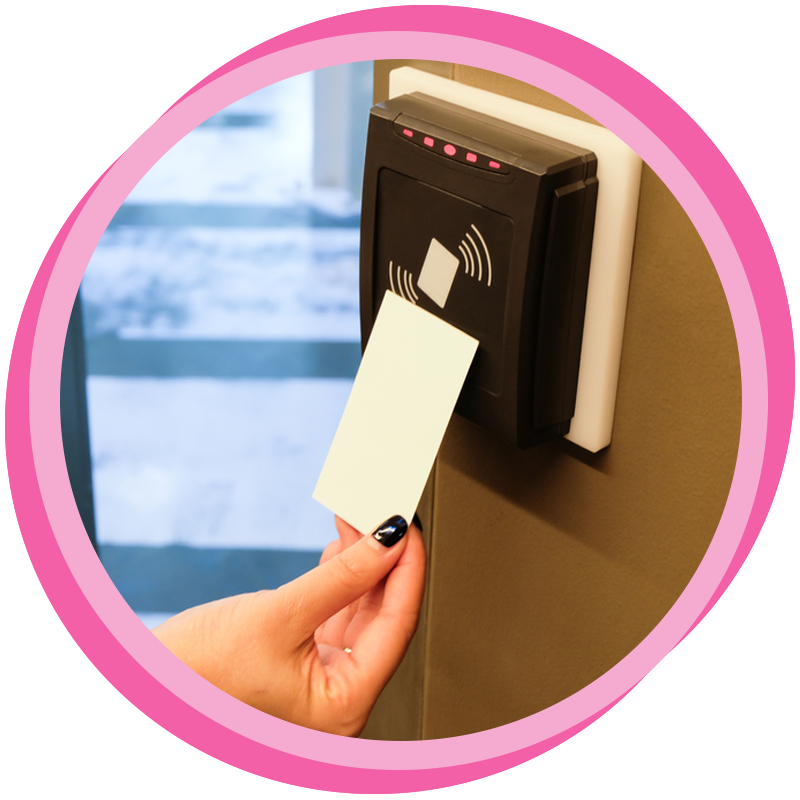
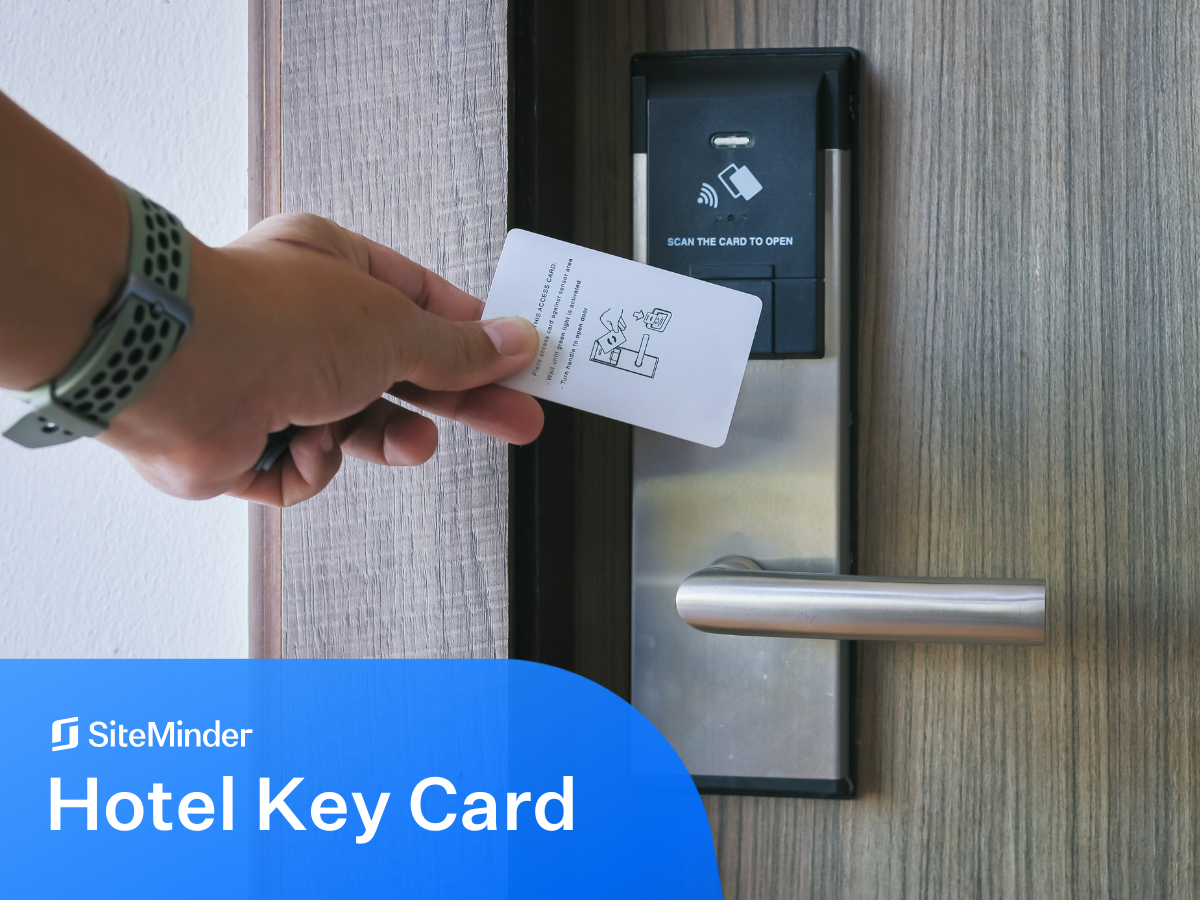
RFID is the gold standard in contemporary hospitality. Unlike magstripe cards, RFID cards do not require a physical “swipe.” Instead, they use radio waves to communicate with the lock. Inside each card is a tiny chip and an antenna. When the card is held near the reader, the reader emits a low-power radio signal that powers the chip, allowing it to transmit a unique identification code back to the lock.
This technology is incredibly durable and guest-friendly. At iconic properties like Marina Bay Sands in Singapore, RFID cards allow for “tap-and-go” entry. Because there are no moving parts or exposed magnetic strips, these cards are less likely to fail and can be integrated into various form factors, including wristbands for water parks or key fobs for luxury resorts in Mexico.
Smart Cards and Integrated Circuits
Beyond basic RFID, some “smart cards” contain more complex integrated circuits. These cards can store more data and even perform basic processing. In high-end establishments like the Burj Al Arab, smart cards may not only open the room door but also store information regarding guest preferences, access levels for VIP lounges, and even pre-loaded credits for on-site dining.
The Mechanics Behind the Lock: How the System Communicates
A hotel key card does not work in isolation; it is part of a complex ecosystem that includes the front desk, the hotel’s central server, and the individual door hardware. This ecosystem ensures that a key card issued at a Marriott International property in Paris only works for a specific room and only for the duration of the guest’s stay.
The Encoder and Property Management Systems (PMS)
The process begins at check-in. When a front desk agent confirms your reservation, they use a device called an encoder. This encoder is linked to the hotel’s Property Management System (PMS). The PMS tells the encoder which room number to program onto the card and when the “access window” should expire.

For instance, if you are staying at the Bellagio for three nights, the card is programmed to automatically deactivate at check-out time on the final day. This prevents former guests from re-entering rooms after their stay has concluded, a level of security that mechanical keys could never provide.
The Lock’s Internal Logic
Most hotel locks are battery-powered and operate offline, meaning they are not constantly connected to the hotel’s central Wi-Fi. This is a deliberate design choice to ensure that the locks continue to function even during a power outage or a network failure.
When you tap your card, the lock compares the data on the card—such as the room number and the encrypted “site code”—with its internal clock and logic. If the card’s “start date” has passed and the “end date” has not yet arrived, the lock engages a small motor that retracts the latch, allowing you to enter.
On-site vs. Cloud-Based Software
While the locks themselves are often offline, the management of these systems is increasingly moving to the cloud. Modern hospitality groups, such as Hyatt or InterContinental, often use centralized software to manage access across multiple properties. This allows security teams to remotely deactivate lost cards or update access permissions for staff members across an entire resort complex instantly.
Security, Privacy, and Data Integrity
A common concern among travelers visiting cities like Hong Kong or Sydney is whether their personal information is stored on their hotel key card. There is a persistent urban legend that key cards contain credit card numbers, home addresses, or social security data.
Debunking the Key Card Data Myth
In reality, hotel key cards are remarkably minimalist. To ensure guest privacy and security, the data on the card is typically limited to an encrypted room number, a site code (identifying the specific hotel), and the expiration date. Personal identifying information is kept securely on the hotel’s encrypted servers, not on the card itself. If a guest loses their card while exploring the Eiffel Tower in France, anyone who finds it would have no way of knowing which hotel it belongs to or who the guest is, provided the card is not in a branded sleeve.
Encryption and Cloning Prevention
Modern RFID systems use sophisticated encryption to prevent “cloning” or “sniffing.” When the card and the reader communicate, they perform a “handshake” using encrypted keys. This ensures that even if someone were to intercept the radio signal, they would not be able to replicate the access code. Companies like Assa Abloy (the parent company of VingCard) spend millions on R&D to stay ahead of potential security breaches.
The Future of Guest Access: Mobile Keys and Beyond
As we look toward the future of the hospitality industry in China, Canada, and the United States, the physical key card is beginning to share the stage with digital alternatives. The “Mobile Key” is the next major frontier in guest convenience.
The Shift to Bluetooth Low Energy (BLE)
Many major brands, including Four Seasons and Fairmont, now offer guests the ability to use their smartphones as a key. This technology utilizes Bluetooth Low Energy (BLE). Once a guest checks in via the hotel’s app, a digital “token” is sent to their phone. When the guest approaches their room at a property like Wynn Las Vegas, the phone communicates with the lock via Bluetooth, unlocking the door without the guest ever needing to visit the front desk.
Sustainability and Environmental Impact
The hospitality industry is also addressing the environmental impact of millions of discarded plastic key cards. In eco-conscious regions like California or Scandinavia, many hotels are switching to cards made from sustainable materials. Grand Hyatt and other forward-thinking brands have begun trialing key cards made from bamboo, wood, or recycled FSC-certified paper. These alternatives work identically to their plastic counterparts but significantly reduce the plastic waste generated by large-scale resorts.
Biometrics and the Next Frontier
In some of the most technologically advanced markets, such as South Korea and Macau, the industry is even experimenting with biometric access. This could eventually allow guests to access their suites using facial recognition or fingerprint scanning, eliminating the need for any physical or digital device. However, until these technologies address global privacy concerns and standardization, the reliable and efficient RFID key card will remain the cornerstone of the hotel experience.
The journey of the hotel key card—from the heavy brass keys used in the grand hotels of the 19th century to the encrypted digital tokens of the 21st—is a testament to the industry’s commitment to security and guest comfort. Whether you are staying at a Westin in Italy or an apartment-style hotel in Australia, that simple “tap” of your card is the result of decades of engineering designed to make your stay as seamless as possible.
LifeOutOfTheBox is a participant in the Amazon Services LLC Associates Program, an affiliate advertising program designed to provide a means for sites to earn advertising fees by advertising and linking to Amazon.com. Amazon, the Amazon logo, AmazonSupply, and the AmazonSupply logo are trademarks of Amazon.com, Inc. or its affiliates. As an Amazon Associate we earn affiliate commissions from qualifying purchases.