
The Colorado River, an iconic natural landmark traversing the arid landscapes of the southwestern United States and northwestern Mexico, holds a paradoxical position in the global hydrological narrative. While its historical journey culminated in a vibrant delta emptying into the Gulf of California (also known as the Sea of Cortez), the modern reality is significantly more complex. For much of the year, and indeed for most of the past half-century, the majestic Colorado River no longer consistently reaches the ocean. This profound transformation is a stark testament to the intricate interplay between natural forces, human ingenuity, and the relentless demands of a growing population in an increasingly water-stressed region.
The Majestic Journey of a North American Icon
The Colorado River begins its monumental journey high in the Rocky Mountains of Colorado, fed by snowmelt from towering peaks. Over its roughly 1,450-mile course, it carves through some of the most spectacular landscapes on Earth, including the awe-inspiring Grand Canyon, before eventually flowing into Mexico and historically, the Gulf of California, an arm of the Pacific Ocean.
From Rocky Mountains to the Gulf of California
Originating at La Poudre Pass in Rocky Mountain National Park, the river descends through a mosaic of climates and ecosystems. It winds its way through seven U.S. states—Colorado, Wyoming, Utah, New Mexico (via a tributary), Arizona, Nevada, and California—before crossing the international border into the Mexican states of Baja California and Sonora. This extensive basin encompasses an area of approximately 246,000 square miles, making it one of the most vital natural landmarks in North America. Its path is characterized by dramatic canyons, vast deserts, and fertile valleys, each shaped by the river’s ceaseless flow over millennia.
A Lifeline for Arid Lands
For millennia, the Colorado River has been the primary water source for an extraordinarily arid region. Its waters supported thriving indigenous civilizations, fertile agricultural lands, and diverse ecosystems. The river’s annual spring floods, fueled by snowmelt, historically brought rich sediments to its delta, sustaining vast wetlands, estuaries, and riparian forests that were home to an incredible array of plant and animal species. This natural rhythm was the lifeblood of the entire basin, providing water for drinking, irrigation, and supporting unique biodiversity in an otherwise inhospitable landscape. The very existence of major cities and agricultural powerhouses in the American Southwest and northwestern Mexico is inextricably linked to the reliable, albeit finite, flow of the Colorado River.
The Vanishing Delta: A Modern Phenomenon
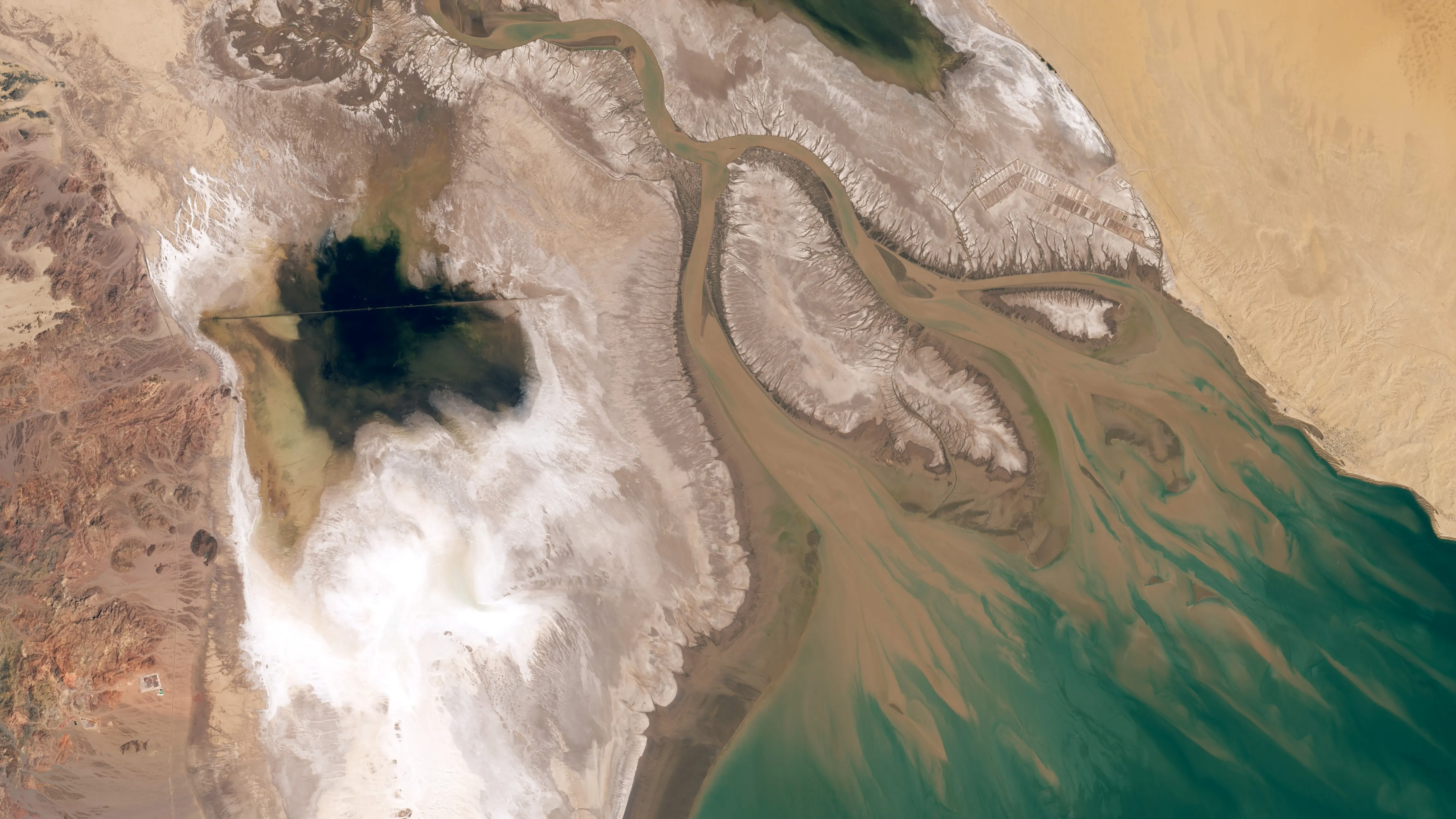
The contemporary state of the Colorado River’s terminus is a dramatic departure from its historical reality. What was once a sprawling, ecologically rich delta is now largely a parched expanse of salt flats and sparse vegetation, a clear indication that the river’s waters rarely complete their full journey to the ocean.
The Historical Flow to the Sea of Cortez
Prior to the 20th century, the Colorado River Delta was one of the largest desert estuaries in the world, covering an area estimated at 3,000 square miles. Explorers and early settlers documented a vibrant ecosystem teeming with wildlife, including jaguars, deer, and countless bird species, supported by vast wetlands, marshes, and lagoons. The river’s strong current and abundant flow maintained a clear path to the Gulf of California, constantly refreshing the brackish waters and supporting a thriving marine life. Fish, shrimp, and other aquatic species flourished, providing sustenance for both indigenous communities and the broader marine food web. The delta was a dynamic interface where freshwater met saltwater, creating a unique ecological niche vital for migratory birds and numerous endemic species.
The Rise of Diversion and Dams
The turning point for the Colorado River’s direct connection to the ocean began in the early to mid-20th century with ambitious engineering projects designed to harness its power and water resources. The construction of massive dams and extensive canal systems fundamentally altered the river’s natural flow regime. These monumental structures, built to provide flood control, generate hydroelectricity, and supply water for agriculture and urban centers, effectively put a chokehold on the river, preventing it from reaching its natural outlet. The vision was one of control and utility, transforming a wild river into a highly managed system to support rapid development across the desert Southwest. This era marked a shift from allowing the river to dictate its course to imposing human will upon its flow, with profound and often unforeseen environmental consequences.
The Human Fingerprint: Engineering and Agriculture
The primary reason the Colorado River often fails to reach the ocean is the overwhelming demand placed upon its waters by human populations and economic activities throughout its basin. This demand is met through an extensive network of dams, reservoirs, and canals, representing one of the most complex water management systems globally.
Major Infrastructure: Hoover Dam and Beyond

Key to controlling the Colorado River’s flow are colossal engineering marvels such as the Hoover Dam on the border of Nevada and Arizona, and the Glen Canyon Dam in Arizona. These dams created enormous reservoirs, Lake Mead and Lake Powell respectively, which store vast quantities of water, regulating its release downstream. Further downstream, structures like the Imperial Dam near Yuma, Arizona, divert nearly all remaining river flow into a network of canals, primarily the All-American Canal and the Coachella Canal, serving agricultural fields and urban areas in California.
These projects, while critical for human settlement and economic prosperity in the arid Southwest, fundamentally disrupt the river’s natural hydrology. They trap sediment, alter water temperatures, prevent natural flood cycles, and, most significantly, capture virtually all of the river’s volume before it can reach its historical terminus. The water that does make it past these points is often so depleted and saline that it bears little resemblance to the freshwater that once sustained the lower river and its delta.
Agricultural Demands and Urban Growth
The largest share of the Colorado River’s water—around 80%—is allocated to agriculture. The fertile Imperial Valley in California, for example, relies entirely on Colorado River water to grow a significant portion of the nation’s winter vegetables. Similarly, vast tracts of land in Arizona and Mexico are irrigated by the river. Beyond agriculture, burgeoning urban centers such as Los Angeles, San Diego, Phoenix, and Las Vegas depend heavily on the Colorado River for municipal and industrial uses. This intense competition for a limited resource means that by the time the river reaches the last diversion point in Mexico, there is typically no water left to continue its journey to the Gulf of California. The collective “thirst” of cities and farms effectively siphons the river dry.
Ecological Consequences and Conservation Efforts
The disappearance of the Colorado River’s flow to the ocean has had profound ecological consequences, turning a once-vibrant natural landmark into a symbol of environmental struggle. However, this dire situation has also spurred significant conservation efforts and international cooperation.
Impact on the Colorado River Delta Ecosystem
The most dramatic impact is seen in the near-total desiccation of the Colorado River Delta. Without freshwater inflow, the extensive wetlands, riparian forests, and lagoons that once characterized the delta have largely vanished. This has led to a catastrophic loss of biodiversity, including endangered species that relied on the delta’s unique habitat. Migratory bird populations, once numbering in the millions, have dwindled significantly due to the destruction of critical stopover and nesting sites. The disruption of freshwater flows has also led to increased salinity in the remaining delta areas, further degrading habitats and threatening the survival of native plants and animals adapted to brackish or freshwater conditions. The fishing industry in the northern Gulf of California, historically nourished by the river’s nutrients and freshwater plume, has also suffered considerably. The land itself has undergone desertification, transforming fertile floodplains into barren, dusty tracts.
Collaborative Efforts for Restoration
Recognizing the immense ecological and cultural loss, conservation organizations, local communities, and the governments of the United States and Mexico have initiated collaborative efforts to restore parts of the Colorado River Delta. Landmark agreements, such as Minute 319 (signed in 2012) and its successor Minute 323 (signed in 2017) to the 1944 U.S.-Mexico Water Treaty, have been pivotal. These agreements allow for pulse flows—temporary, controlled releases of water from upstream dams—and sustained base flows designed to mimic historical flood events and recharge groundwater, aiming to revive specific ecological areas within the delta. Additionally, they establish mechanisms for water conservation and environmental water transfers to ensure a more consistent supply for restoration projects. These initiatives represent a groundbreaking effort to reintroduce water to a river that was largely written off as perpetually dry at its mouth, demonstrating a growing recognition of the value of ecosystem health alongside human water demands.
A Future of Fluctuation: Reaching the Ocean Once More?
The question of whether the Colorado River reaches the ocean today cannot be answered with a simple “yes” or “no.” It is a conditional “sometimes,” and a subject of ongoing scientific and political debate.
Pulse Flows and Managed Releases
Thanks to international agreements and conservation efforts, the Colorado River has, on occasion, literally reached the Gulf of California again. The 2014 “pulse flow” under Minute 319 was a historic event, sending an artificial flood wave through the dried-up delta, briefly reconnecting the river with the ocean and bringing signs of life back to parched lands. Subsequent “base flows” have also provided continuous, smaller amounts of water to designated restoration sites. These managed releases are not a return to historical conditions but rather strategic interventions to restore patches of riparian vegetation, improve groundwater levels, and create habitat for birds and other wildlife in specific areas of the delta. They are carefully negotiated and represent a delicate balance between meeting human water needs upstream and addressing the ecological needs downstream.
The Role of Climate Change and Water Management
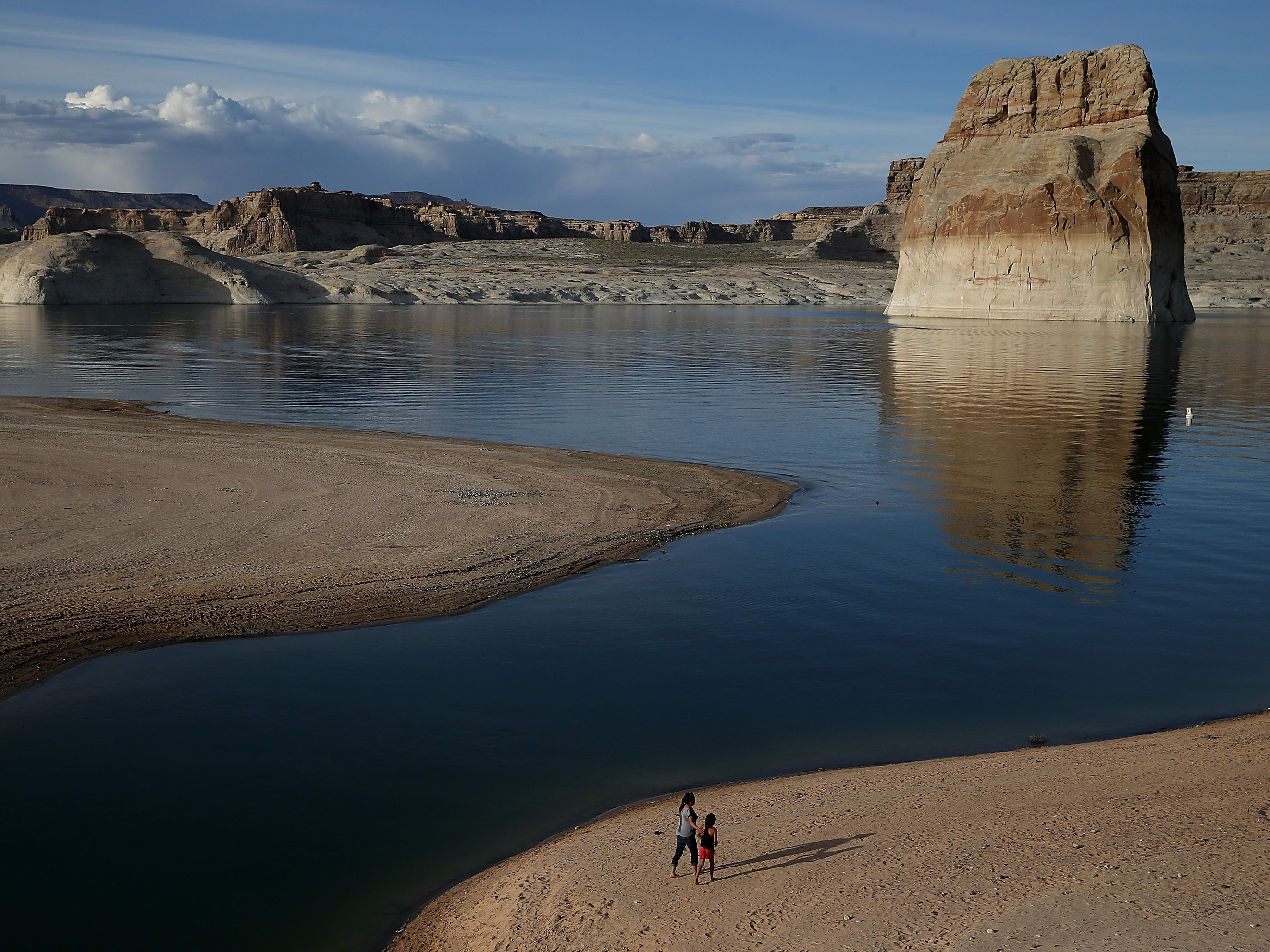
The long-term future of the Colorado River’s flow to the ocean remains uncertain, heavily influenced by two critical factors: climate change and future water management decisions. The Colorado River Basin is experiencing a severe megadrought, exacerbated by rising temperatures, leading to reduced snowpack and increased evaporation from reservoirs. This climate-driven aridification means less water is entering the system, intensifying the competition for the dwindling supply.
Future water management strategies will need to adapt to this new reality. This involves exploring solutions such as greater water conservation in agriculture and urban areas, innovative water recycling technologies, and potentially new agreements for water sharing and environmental flows. The hope is that through continued international cooperation, innovative water management, and a commitment to conservation, this monumental natural landmark can once again establish a more consistent connection with the ocean, ensuring its ecological health and its vital role in the region for generations to come. The effort to bring water back to the mouth of the Colorado River is a powerful symbol of humanity’s evolving relationship with its most critical natural resources.
LifeOutOfTheBox is a participant in the Amazon Services LLC Associates Program, an affiliate advertising program designed to provide a means for sites to earn advertising fees by advertising and linking to Amazon.com. Amazon, the Amazon logo, AmazonSupply, and the AmazonSupply logo are trademarks of Amazon.com, Inc. or its affiliates. As an Amazon Associate we earn affiliate commissions from qualifying purchases.