
California, renowned for its sun-drenched beaches, vibrant cities, and iconic landmarks, also sits atop one of the most seismically active regions in the world. For travelers planning a visit, understanding the reality of earthquakes is a natural and prudent concern. While the thought of seismic activity can be daunting, the truth is far more nuanced than sensational headlines often suggest. Earthquakes are a frequent occurrence in California, but the vast majority are minor tremors barely perceptible to residents, let alone visitors. Major, destructive quakes are relatively rare events. This guide aims to provide a clear, practical perspective for tourists, helping to demystify the phenomenon and equip them with essential knowledge for a safe and enjoyable trip.
Understanding California’s Seismic Landscape for Tourists
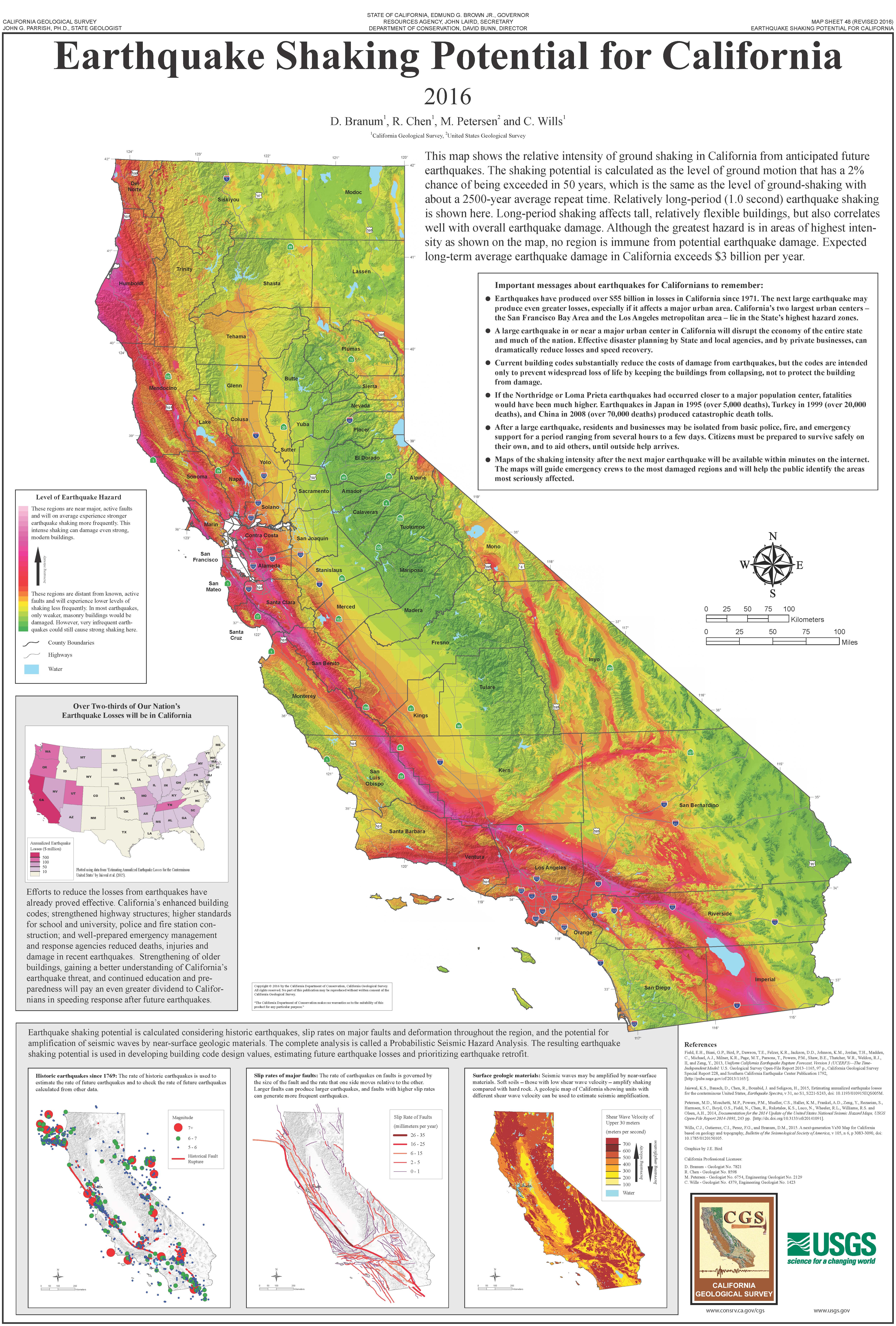
California’s position makes it a hotspot for seismic activity. It’s located on the eastern edge of the Pacific Ring of Fire, a horseshoe-shaped zone of frequent earthquakes and volcanic eruptions that encircles the Pacific Ocean basin. This geographical reality means that the state experiences constant tectonic plate movement, particularly along the infamous San Andreas Fault system.
The Pacific Ring of Fire and California’s Position
The Pacific Ring of Fire is a direct result of the movement and collision of several tectonic plates. In California’s case, the Pacific Plate is grinding northwest past the North American Plate, creating immense stress along their boundary. This stress is periodically released in the form of earthquakes. The San Andreas Fault is the longest and most active of these fault lines, stretching approximately 800 miles through the state. While it is the most well-known, California is crisscrossed by hundreds of other smaller, less famous faults, all contributing to the state’s seismic tapestry. This constant geological activity is simply a part of the natural environment, much like blizzards in the Northeast or hurricanes in the Southeast. For tourists, understanding this context helps to frame the discussion of earthquake frequency and impact.
The Reality of Daily Quakes vs. Notable Events
When people ask “how often,” they often imagine large, damaging events. The reality is that the United States Geological Survey (USGS) records thousands of earthquakes in California every year. The vast majority of these are magnitude 2.0 or less, often occurring deep underground or in remote areas, and are rarely felt by anyone. Even quakes up to magnitude 3.0 or 4.0 are generally only felt by those very close to the epicenter and typically cause no damage.
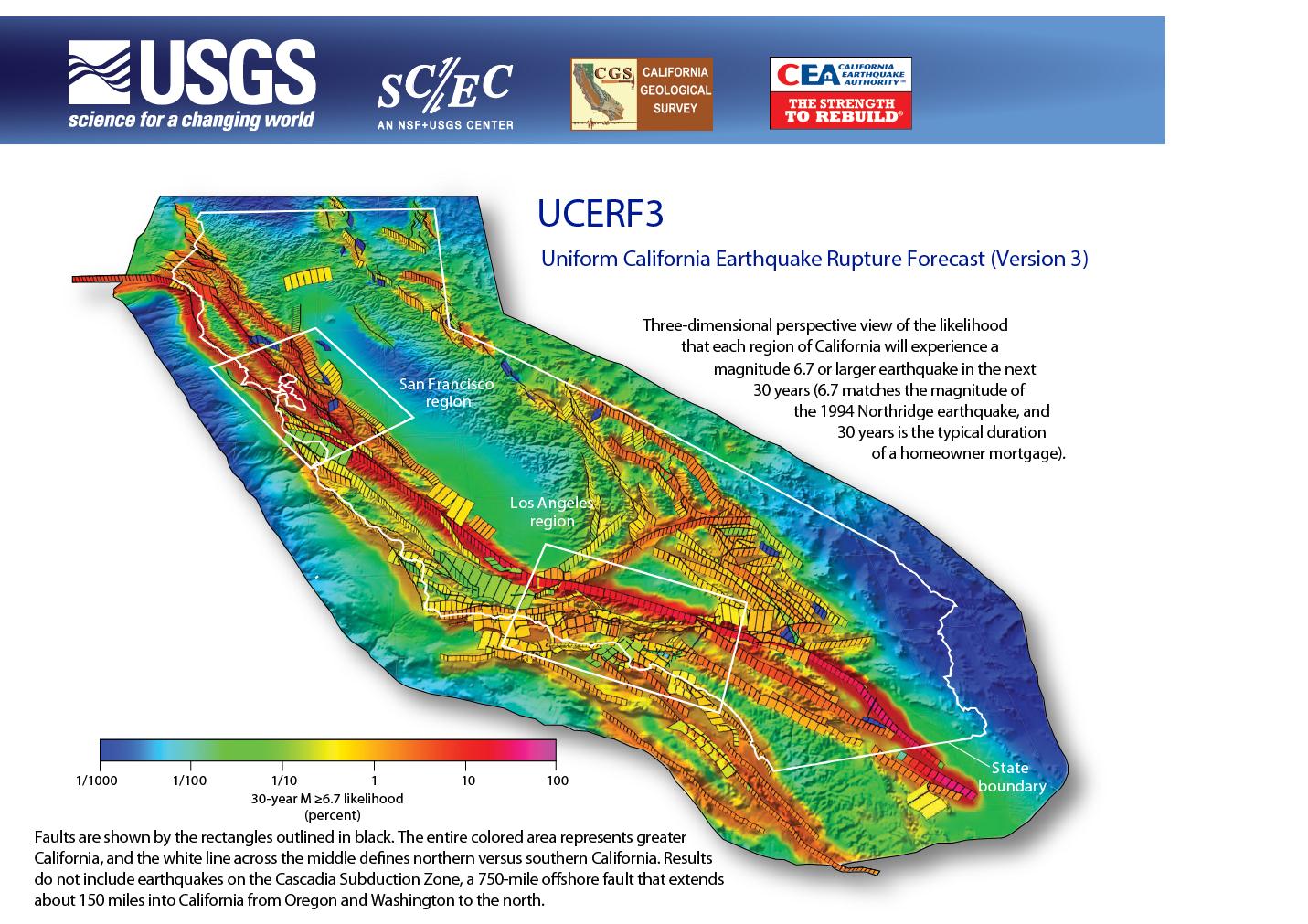
Notable earthquakes, those strong enough to be widely felt and potentially cause minor damage (magnitude 5.0 and above), occur less frequently, perhaps several times a year across the entire state. Significant, damaging earthquakes (magnitude 6.0 and above) are much rarer, occurring on average once every few years. Major, catastrophic earthquakes (magnitude 7.0 and above), the kind that garner international headlines and cause widespread disruption, are historically spaced decades apart. For instance, the infamous 1906 San Francisco earthquake and the 1994 Northridge earthquake in Los Angeles represent the far end of the spectrum and are outliers in the state’s seismic history, not daily occurrences. Tourists visiting for a week or two are statistically very unlikely to experience a significant earthquake.
Preparing for Your California Trip: Earthquake Safety Tips for Visitors
While the odds of experiencing a major earthquake during your trip are low, preparedness is key to peace of mind and safety. California is one of the most prepared regions in the world for seismic activity, with robust building codes and extensive public education.
Before You Arrive: Research and Planning
Before you even board your flight, a few proactive steps can enhance your preparedness. Familiarize yourself with the general earthquake safety advice. Many hotels and tourist attractions in California have their own emergency plans, which are often available upon request or posted within the premises. Consider checking your travel insurance policy to understand its coverage regarding natural disasters; some policies offer specific provisions for trip interruptions or cancellations due to such events. Knowing where to find local emergency information online or via social media (e.g., official city accounts, local news) can also be useful for staying informed once you arrive. Downloading an emergency app that provides alerts or information can also be beneficial, though many cell phones in California are configured to receive Wireless Emergency Alerts (WEA) for significant events.
During Your Stay: Drop, Cover, and Hold On
The fundamental safety protocol during an earthquake is “Drop, Cover, and Hold On.” This universally accepted method is designed to protect you from falling debris, the primary cause of injury during an earthquake.
- Drop: Immediately drop to the ground before the earthquake drops you. This prevents you from being thrown off your feet.
- Cover: Seek cover under a sturdy table or desk. If no shelter is available, cover your head and neck with your arms. Stay away from windows, exterior walls, and anything that could fall, such as light fixtures or heavy furniture.
- Hold On: Hold onto your shelter until the shaking stops. Be prepared to move with it if it shifts.
If you are outdoors, move to an open area away from buildings, power lines, and trees. If you are driving, pull over to a clear location, stop, and stay inside your vehicle until the shaking stops. Do not stop under bridges, overpasses, or power lines. After the shaking stops, proceed cautiously, watching for hazards.
Post-Quake Protocols and Communication

Once the shaking subsides, immediate priorities include checking for injuries to yourself and those around you. If you are in a building, be prepared for aftershocks. These are smaller earthquakes that follow the main shock and can cause further damage to already weakened structures. Avoid using elevators. If there’s a fire, try to put it out if it’s small, or evacuate if it’s larger. If you smell gas, open windows, shut off the main gas valve if you know how and it’s safe to do so, and evacuate.
For communication, use text messages or social media to connect with family and friends rather than phone calls, as phone lines may be overwhelmed. Keep your cell phone charged throughout your trip, and consider carrying a small portable power bank. Listen to local news for emergency information and instructions from authorities. Remember, official emergency services will prioritize critical response efforts, so non-essential calls should be avoided.
The Impact on Tourism: What to Expect and How it Affects Your Itinerary
California’s tourism industry is vast and resilient. While major earthquakes can cause temporary disruptions, the state’s infrastructure and emergency response systems are designed to minimize long-term impact on visitors.
Resilience of Infrastructure and Attractions
California boasts some of the strictest building codes in the world, specifically designed to withstand seismic activity. Modern high-rises, bridges, and critical infrastructure are engineered with earthquake resistance in mind. Historic buildings and landmarks often undergo retrofitting to improve their structural integrity. Consequently, the vast majority of hotels, museums, theme parks, and other tourist attractions are built to stringent safety standards. In the unlikely event of a significant quake, emergency services are highly organized and trained to respond swiftly, ensuring the safety of both residents and visitors. Many major attractions, such as Disneyland Park in Anaheim or the Golden Gate Bridge in San Francisco, have detailed disaster preparedness plans and staff training protocols.
Minor Disruptions vs. Major Incidents
For the typical tourist, the experience of an earthquake will likely be minimal. If you do feel a tremor, it’s most likely a brief, mild shaking that causes no damage and quickly passes. Such minor events rarely impact travel itineraries. Hotels and public transport systems are accustomed to these occurrences and usually resume normal operations within minutes, if at all disrupted.
In the extremely rare event of a major earthquake, there could be more significant disruptions. This might include temporary closures of certain roads, bridges, or public transport lines for inspection. Some attractions might close for safety assessments. Depending on your location and the quake’s intensity, there could be temporary power outages. However, these situations are typically managed efficiently, with authorities working quickly to restore services and provide alternative arrangements. Information would be widely disseminated through official channels, advising tourists on safe routes and operational status of services.
Travel Insurance and Contingency Planning
Considering travel insurance that covers natural disasters is a prudent measure for any trip, especially to a seismically active region. Carefully review the policy details to understand what is covered in terms of trip cancellation, interruption, medical emergencies, and emergency evacuation. While unlikely, a major earthquake could lead to unforeseen expenses or require changes to your travel plans.
Beyond insurance, simple personal contingency planning can be beneficial. Keep important documents (passport, travel insurance details) easily accessible. Have a small amount of cash on hand, as electronic payment systems might be temporarily unavailable after a power outage. Share your itinerary with family or friends back home, and establish a communication plan. Knowing what steps you would take if your plans are disrupted can significantly reduce stress and enhance your overall travel experience.
Debunking Myths and Fostering Confidence
Misinformation surrounding earthquakes can often cause unnecessary anxiety for travelers. It’s important to approach the topic with a balanced perspective, acknowledging the natural phenomenon while appreciating California’s robust safety measures.
Overcoming Misconceptions About Earthquakes
One common misconception is that all earthquakes are devastating. As established, the vast majority are not. Another myth is that California will someday “fall into the ocean”; this is geologically impossible. Earthquakes involve horizontal movement along strike-slip faults like the San Andreas Fault, not vertical subduction that would lead to such a dramatic event. Furthermore, while animals may react unusually before quakes, there is currently no reliable scientific method to predict the exact timing, location, or magnitude of an earthquake. Tourists should therefore be wary of any unverified claims or sensationalized reports. Relying on official scientific and emergency management sources, such as the United States Geological Survey (USGS) and the Federal Emergency Management Agency (FEMA), provides the most accurate and reassuring information.
California’s Commitment to Safety and Preparedness
California’s long history of seismic activity has fostered a culture of preparedness that is second to none. The state continuously invests in earthquake research, early warning systems, and public education campaigns. Building codes are regularly updated, and infrastructure projects prioritize seismic resilience. Emergency services and first responders are highly trained and equipped for earthquake scenarios. This proactive approach ensures that while earthquakes are a natural part of the California experience, the risks to residents and visitors are mitigated to the greatest extent possible. Tourists can travel with confidence, knowing they are visiting a destination that is exceptionally well-prepared for its unique geological environment. Focus on enjoying the myriad attractions and experiences California has to offer, armed with the knowledge that safety is a top priority.
LifeOutOfTheBox is a participant in the Amazon Services LLC Associates Program, an affiliate advertising program designed to provide a means for sites to earn advertising fees by advertising and linking to Amazon.com. Amazon, the Amazon logo, AmazonSupply, and the AmazonSupply logo are trademarks of Amazon.com, Inc. or its affiliates. As an Amazon Associate we earn affiliate commissions from qualifying purchases.