
Embarking on a journey from the vibrant city of Colorado Springs to the picturesque mountain town of Breckenridge is a quintessential Colorado experience, blending urban landscapes with stunning alpine vistas. While both destinations boast unique charms and appeal to outdoor enthusiasts, understanding the distance and travel nuances between them is crucial for a smooth and enjoyable trip. This guide delves into the various aspects of this popular route, offering insights for planning your adventure.
The Scenic Journey: Distance and Drive Time
The direct route connecting Colorado Springs to Breckenridge typically spans approximately 100 to 110 miles, depending on the specific starting point in Colorado Springs and your destination within Breckenridge. This distance, while not excessively long, translates into a drive time that can vary significantly based on a multitude of factors.
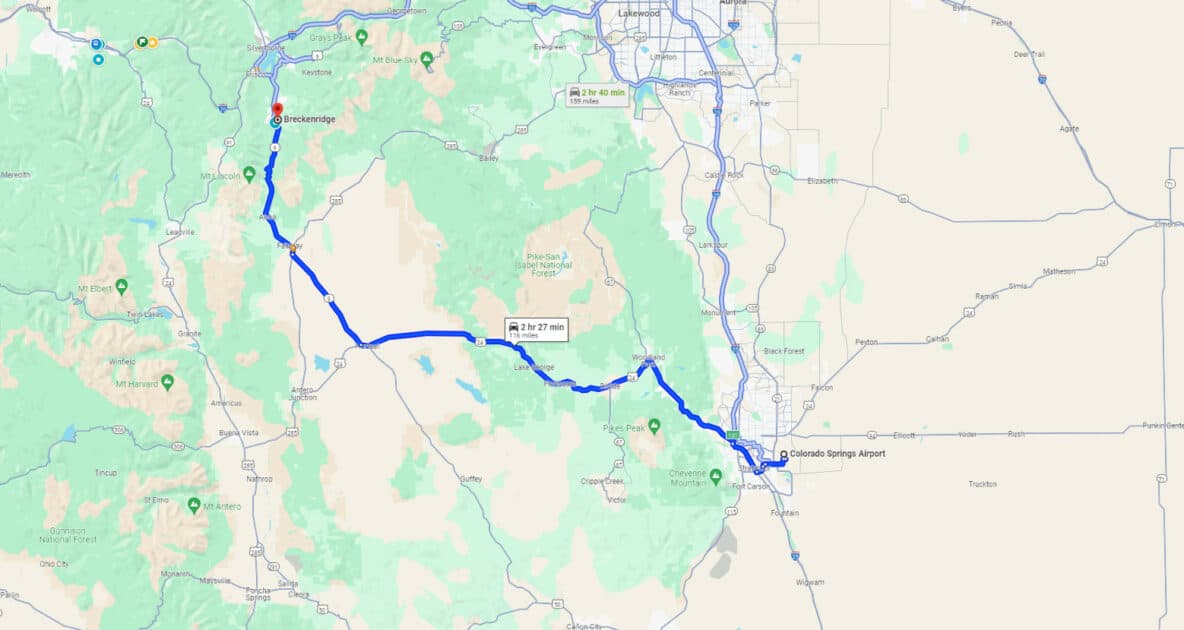
The Direct Route: I-25 North to US-24 West
The most common and generally fastest route involves heading north from Colorado Springs on I-25 towards Denver. From the southern suburbs of Denver, travelers typically merge onto US-24 West, which eventually leads to I-70 West. This segment of the journey is characterized by well-maintained highways, although navigating Denver’s metropolitan area can introduce delays during peak hours. Once on I-70 West, the drive becomes undeniably mountainous, with significant elevation gains and breathtaking scenery. A typical drive, under ideal conditions with light traffic, can take anywhere from 2 to 2.5 hours. This estimate, however, is a best-case scenario and rarely the reality, especially during peak travel seasons.
Factors Influencing Travel Time
Several critical elements can impact the duration of your trip from Colorado Springs to Breckenridge:
- Traffic Congestion: The most significant variable is traffic, particularly on I-70 West. Weekends, especially during ski season (Friday afternoons/evenings, Saturday mornings, Sunday afternoons), can see severe bottlenecks, extending a 2-hour drive to 4, 5, or even more hours. Summer weekends also experience heavy traffic due to hiking and other outdoor activities.
- Weather Conditions: Mountain weather is notoriously unpredictable. Snowstorms, heavy rain, or even dense fog can drastically slow down travel, leading to reduced visibility and hazardous road conditions. Winter storms often result in slower speeds, potential road closures, and the implementation of traction laws.
- Road Construction: Construction projects are common, particularly during the warmer months, on both I-25 and I-70. These can introduce lane closures, detours, and significant delays.
- Mountain Driving Experience: For those unaccustomed to driving in mountainous terrain, the winding roads and steep grades, especially on I-70 past Denver, may necessitate a slower pace, adding to the overall travel time.
Navigating the Rockies: Key Routes and Considerations
The journey to Breckenridge truly begins when you leave the urban sprawl and ascend into the Rockies. Understanding the specific challenges and features of these mountain passes is key to a successful trip.
The I-70 Corridor: A Major Artery
After connecting to I-70 West, you’ll embark on the most scenic and challenging part of the drive. This stretch features high-altitude passes, including the renowned Eisenhower Tunnel (also known as the Eisenhower–Johnson Memorial Tunnel), which at over 11,000 feet above sea level, is one of the highest vehicular tunnels in the world. Beyond the tunnel, the highway descends towards mountain communities like Dillon and Frisco. From Frisco, it’s a short, well-marked drive south on CO-9 directly into Breckenridge. This corridor is critical for all mountain travel in Colorado and is thus prone to congestion.
Alternative Paths: Scenic Byways and Mountain Passes
While the I-70 corridor is the most common, alternative routes exist that offer more scenic beauty or can sometimes bypass I-70 congestion, though often at the cost of a longer drive time or more challenging mountain roads. One such option involves taking US-24 West from Colorado Springs through South Park (near Fairplay) and over Hoosier Pass (elevation 11,542 feet) directly into Breckenridge. This route is generally longer (around 120-130 miles) and takes approximately 2.5 to 3 hours in ideal conditions. It’s often less trafficked but involves higher, less-maintained mountain passes, making it less advisable in winter or for drivers unfamiliar with mountain roads. It offers a more authentic high-country experience, winding through quaint towns and vast open spaces before a dramatic final ascent.
Winter Driving Essentials
Winter travel to Breckenridge demands extra preparation. Colorado’s “traction law” is frequently enforced on I-70 and other mountain roads from September to May. This law requires vehicles to have either M+S (mud and snow) tires, winter tires, or four-wheel/all-wheel drive. Commercial vehicles often need chains. Always check road conditions (Colorado Department of Transportation – CDOT) before departing. Your vehicle should be winter-ready with good tires, adequate fluid levels, and an emergency kit including blankets, food, water, and a shovel. Driving cautiously, maintaining increased following distances, and being prepared for rapidly changing conditions are paramount for safe winter travel.
Breaking Up the Drive: Stopovers and Attractions Along the Way
While the drive can be done non-stop, incorporating a break can enhance the travel experience, especially if you’re battling traffic or simply want to stretch your legs and explore.
Denver and Its Suburbs
If taking the I-25 North route, you’ll pass through Denver’s sprawling suburbs. This offers numerous opportunities for a quick meal, a coffee break, or even a detour to a specific attraction if time permits. Options range from fast-food outlets to more upscale dining experiences. Keep in mind that navigating Denver itself can add significant time due to urban traffic. For those flying into Colorado, Denver International Airport (DEN) is typically the entry point, and then ground transportation is arranged from there to Breckenridge or Colorado Springs.
Mountain Towns and Vistas
Once past Denver and heading west on I-70, charming mountain towns offer picturesque stopovers. Georgetown, a historic mining town just off I-70, is known for its well-preserved Victorian architecture and the Georgetown Loop Railroad. Farther west, Dillon and Frisco, located on the shores of Lake Dillon, are excellent spots for a meal, to take in lakeside views, or to browse local shops. Frisco, in particular, is a crucial gateway town, just a short 20-minute drive north of Breckenridge, making it an ideal last-minute stop for supplies or gas. These towns also offer access to numerous hiking and biking trails during the warmer months, providing an opportunity to experience the natural beauty of the Rocky Mountains firsthand.
Beyond the Wheel: Other Transportation Options
While driving offers the most flexibility, it’s not the only way to get from Colorado Springs to Breckenridge. Other options can be more relaxing, especially if you prefer to avoid mountain driving or the stress of traffic.
Shuttle Services and Private Transfers
Several reputable shuttle companies operate routes connecting Denver International Airport (DEN) to mountain resorts, including Breckenridge. While there isn’t a direct shuttle service from Colorado Springs to Breckenridge, travelers can arrange a shuttle from Colorado Springs to Denver International Airport or downtown Denver, and then transfer to a mountain-specific shuttle. Companies like Colorado Mountain Express (CME) or Peak 1 Express are popular choices, offering comfortable rides in vans or larger buses. These services typically drop off passengers at various locations within Breckenridge or directly at their accommodation, eliminating the need for parking and navigating unfamiliar roads. Private transfer services offer a more luxurious and direct option, though at a higher cost.
Public Transportation: Bus and Train Connections
Direct public bus or train routes from Colorado Springs to Breckenridge are limited. However, it’s possible to take a bus from Colorado Springs to Denver’s Union Station via providers like Greyhound or Bustang. From Union Station, travelers can then connect to mountain buses or shuttles. This multi-leg journey is often the most budget-friendly but also the most time-consuming and requires careful planning of connections. Amtrak does not directly serve Breckenridge, but its California Zephyr route passes through the Fraser Valley and Glenwood Springs, requiring further bus or shuttle connections, which would be an extremely indirect route from Colorado Springs.
Preparing for Your Breckenridge Adventure
Regardless of how you choose to travel, a bit of foresight can make your trip much more enjoyable. Breckenridge sits at an elevation of 9,600 feet, which can affect visitors unaccustomed to high altitudes.
Best Time to Travel
The ideal time to travel depends on your desired activities. Winter (December to April) is prime ski season, offering unparalleled snow sports, but also the highest traffic and the most challenging driving conditions. Summer (June to September) provides excellent weather for hiking, mountain biking, and exploring the vibrant town, typically with less intense traffic compared to peak ski weekends, though still busy. Shoulder seasons (late April-May and October-November) offer fewer crowds and potentially lower prices, but some amenities may be closed, and weather can be unpredictable.
Vehicle Preparation and Safety
If driving, ensure your vehicle is in good working order. Check tire pressure and tread, especially if traveling in winter. Confirm all fluids are topped off, and consider having your brakes inspected. Carry an emergency kit, regardless of the season, that includes water, snacks, warm blankets, a first-aid kit, and a flashlight. If you or your passengers are prone to altitude sickness, stay hydrated and consider stopping for acclimatization in Denver or Colorado Springs before ascending to Breckenridge.

Accommodation and Activity Planning
Breckenridge is a popular destination year-round. It is highly recommended to book your accommodation, whether it be a hotel, condo, or vacation rental, well in advance, especially during peak seasons. Similarly, if you plan to partake in popular activities like skiing lessons, guided tours, or specific events, securing reservations ahead of time will prevent disappointment. Once you arrive, the charming Main Street, world-class ski resort, and surrounding natural beauty offer an abundance of experiences, from exploring historic sites to conquering mountain trails.
The journey from Colorado Springs to Breckenridge is more than just a drive; it’s an integral part of the Colorado experience. With careful planning and an understanding of the route’s nuances, you can ensure a smooth, safe, and memorable trip to one of the state’s most beloved mountain destinations.
LifeOutOfTheBox is a participant in the Amazon Services LLC Associates Program, an affiliate advertising program designed to provide a means for sites to earn advertising fees by advertising and linking to Amazon.com. Amazon, the Amazon logo, AmazonSupply, and the AmazonSupply logo are trademarks of Amazon.com, Inc. or its affiliates. As an Amazon Associate we earn affiliate commissions from qualifying purchases.