
The Lone Star State, accustomed to its fiery summers and mild winters, is bracing for a significant meteorological event as a second major winter storm is projected to sweep across its expansive landscape. Following a recent bout of frigid temperatures and precipitation, the anticipation of another system raises concerns for residents and travelers alike, particularly for those whose plans involve navigating the state’s diverse terrain and vibrant cities. This upcoming storm carries the potential to disrupt travel, impact outdoor activities, and necessitate adjustments to itineraries across Texas.
Navigating Winter Travel in Texas
The prospect of a second winter storm presents a complex scenario for travel within and through Texas. While the state is not typically associated with prolonged winter weather events on the scale of some northern regions, its vast size means that conditions can vary dramatically. Understanding the potential impacts on transportation infrastructure is paramount for anyone considering a trip.

Road Conditions and Driving Hazards
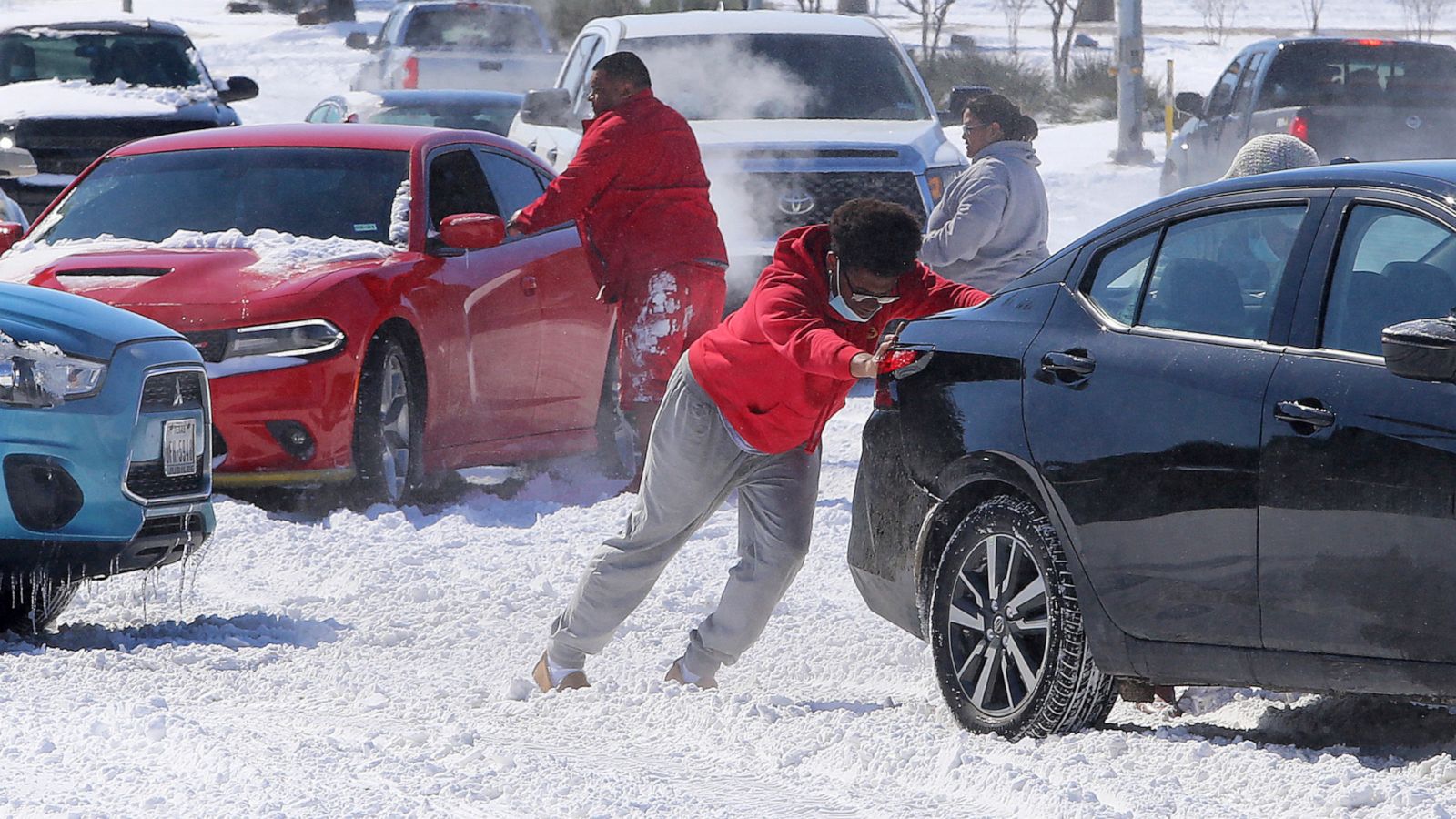
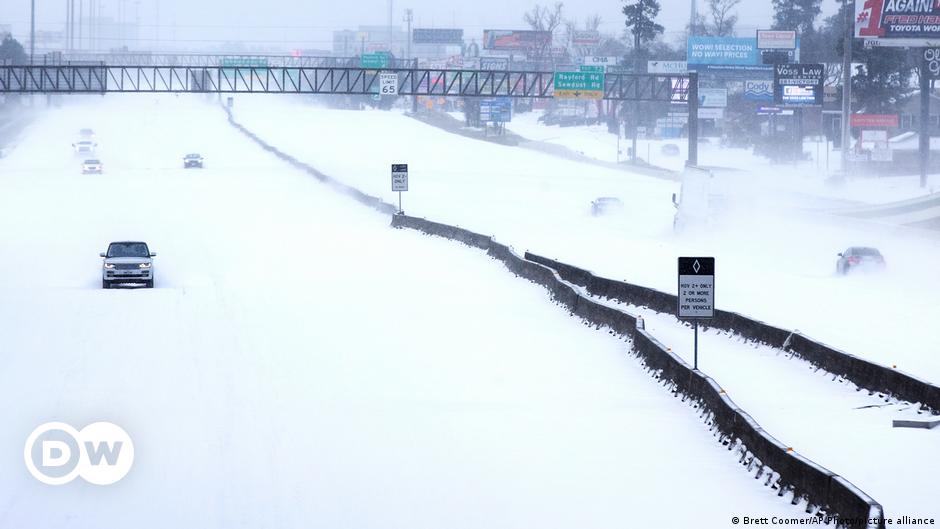
Major interstates and highways, such as Interstate 10, Interstate 35, and Interstate 45, are arteries for commerce and personal travel. When winter storms hit, these routes can become treacherous. Ice accumulation, reduced visibility due to snow or sleet, and potential closures due to accidents or hazardous conditions can lead to significant delays or detours. Travelers should monitor real-time traffic updates from sources like the Texas Department of Transportation and be prepared to alter their routes or postpone their journeys.
For those venturing into more rural areas, the challenges can be amplified. County roads and smaller highways may be less equipped for snow and ice removal, leading to extended periods of inaccessibility. It is advisable to have a full tank of gas, emergency supplies such as blankets, food, and water, and a reliable method of communication.
Air Travel Disruptions
Major airports across Texas, including Dallas/Fort Worth International Airport (DFW), George Bush Intercontinental Airport in Houston, and Austin-Bergstrom International Airport (AUS), are susceptible to weather-related delays and cancellations. Snow, ice, and strong winds can impact flight operations, from ground handling to air traffic control. Travelers booked on flights during the storm period should proactively check their flight status with their respective airlines and be prepared for potential itinerary changes. Booking flexible tickets or having contingency plans for accommodation near airports can mitigate the stress of unforeseen disruptions.
Rail and Public Transportation
While less common for long-distance travel within Texas compared to driving or flying, passenger rail services, such as those operated by Amtrak, can also experience delays. Local public transportation systems in major metropolitan areas like Dallas, Houston, San Antonio, and Austin may also face service reductions or temporary suspensions depending on the severity of the conditions and the operational challenges for bus and light rail services.
Impact on Tourist Attractions and Outdoor Activities
The picturesque landscapes and vibrant cultural offerings of Texas are often best enjoyed under fair weather. A significant winter storm, however, can put a damper on many outdoor pursuits and necessitate closures of popular attractions.
National and State Parks
Big Bend National Park, known for its rugged desert beauty and mountain ranges, can experience dangerous ice and snow on its roads and trails. Similarly, state parks across the Texas Hill Country and the Piney Woods region may become inaccessible or hazardous. Visitors planning excursions to these natural wonders should consult park websites for the latest updates on closures and safety advisories. For instance, the higher elevations in West Texas are particularly vulnerable to ice accumulation, making drives like the one up to Guadalupe Mountains National Park potentially perilous.
Urban Attractions and Cultural Sites
While many indoor attractions are less directly impacted by weather, their accessibility can be affected by travel disruptions. Museums in Houston, such as the Museum of Fine Arts, Houston, or the historical sites in San Antonio, like the Alamo, may see reduced visitor numbers due to travel difficulties. Event organizers might consider postponing or canceling outdoor festivals, concerts, or sporting events that were scheduled during the storm’s predicted path.
Coastal and Water Activities
The extensive coastline of Texas, popular for its beaches and water sports, can be significantly affected by winter storms. High winds, rough seas, and cold temperatures can make any planned beach visits or boating excursions unadvisable and potentially dangerous. Many coastal communities, such as Galveston, might issue specific warnings for marine activities.
Preparing for Winter Weather in Texas
The proactive approach is key when facing significant weather events. For both residents and visitors in Texas, understanding the forecast and making necessary preparations can significantly mitigate risks and inconveniences.
Staying Informed and Monitoring Forecasts
Reliable weather forecasting is the first line of defense. Following updates from the National Weather Service and local news outlets is crucial. Pay attention to watches, warnings, and advisories, which indicate the potential severity and timing of the storm. Understanding the nuances of different winter weather phenomena—snow, sleet, freezing rain, and ice—is also important, as each presents unique challenges.
Travel Advisories and Safety Recommendations
Government agencies and transportation authorities will issue travel advisories as the storm approaches. Heeding these recommendations, which may range from urging caution to advising against all but essential travel, is paramount for personal safety. If travel is unavoidable, ensure your vehicle is properly equipped for winter conditions:
- Tire Check: Ensure tires have adequate tread and are properly inflated. Consider winter tires if regularly traveling in conditions prone to ice and snow.
- Fluid Levels: Top off windshield washer fluid with a de-icing solution.
- Emergency Kit: Pack blankets, non-perishable food, water, a first-aid kit, a flashlight, batteries, and a portable phone charger.
- Fuel: Keep your fuel tank at least half full to prevent fuel line freeze-ups and ensure you have enough for potential detours or prolonged idling.
Home Preparations
For residents, securing property and ensuring comfort during the storm is vital. This includes:
- Power Outages: Have backup power sources like generators or battery-operated lanterns. Ensure you have a supply of batteries.
- Heating: Ensure heating systems are functional and consider having alternative heating methods available, such as portable heaters (used safely).
- Water: Stock up on bottled water in case water lines are affected by freezing temperatures.
- Food: Maintain a pantry of non-perishable food items that do not require extensive cooking.
Reimagining Itineraries Amidst Winter Weather
When winter storms disrupt well-laid plans, adaptability becomes the most valuable travel asset. Rather than viewing weather-related changes as purely negative, consider them opportunities to explore different facets of Texas or to enjoy its indoor offerings.
Embracing Indoor Culture
Major cities in Texas boast world-class indoor attractions that offer respite from inclement weather. The Kimbell Art Museum in Fort Worth, the Perot Museum of Nature and Science in Dallas, or the Space Center Houston all provide engaging experiences that are impervious to external weather conditions. Exploring the culinary scene, with its diverse range of restaurants and culinary traditions, is another excellent way to spend time indoors.
Adapting to Local Pace
In smaller towns and rural areas, a winter storm often brings life to a standstill. This can be an unexpected opportunity to experience a more relaxed pace and connect with the local community if safe to do so. Visiting a local diner or coffee shop can offer a glimpse into the community’s resilience and camaraderie.
Flexible Travel Planning
For those who travel frequently, adopting a mindset of flexibility is crucial. This might involve building buffer days into travel itineraries, opting for travel insurance that covers weather-related cancellations, or choosing accommodation options that offer more than just a place to sleep, such as those with on-site amenities like pools or restaurants. When a storm hits, the focus shifts from seeing a specific attraction to ensuring safety and comfort. The experiences gained during unexpected weather events can often be as memorable, if not more so, than those planned under ideal conditions. The resilience and resourcefulness displayed by Texans during such times are often a testament to the spirit of the state.
LifeOutOfTheBox is a participant in the Amazon Services LLC Associates Program, an affiliate advertising program designed to provide a means for sites to earn advertising fees by advertising and linking to Amazon.com. Amazon, the Amazon logo, AmazonSupply, and the AmazonSupply logo are trademarks of Amazon.com, Inc. or its affiliates. As an Amazon Associate we earn affiliate commissions from qualifying purchases.