
Embarking on a cross-country journey in the United States is an adventure that promises diverse landscapes, cultural shifts, and a profound sense of scale. When contemplating travel between the vibrant East Coast and the majestic Mountain West, one of the first questions that arises is often, “How far is Colorado from New York?” The answer, while seemingly straightforward in terms of mileage, unfolds into a narrative of various travel methods, time commitments, and the myriad experiences that define an American expedition. Understanding this immense distance is the cornerstone of planning an unforgettable trip, whether you prioritize speed, scenic beauty, or an immersive road trip experience.
Navigating the Vast American Expanse
The geographical chasm between New York and Colorado represents a significant portion of the North American continent. New York, anchored by the global metropolis of New York City on the Atlantic seaboard, epitomizes the bustling energy of the East. In stark contrast, Colorado, with its capital Denver nestled at the foot of the Rocky Mountains, offers a rugged, high-altitude landscape synonymous with outdoor adventure and expansive skies. This journey traverses approximately 1,600 to 1,800 miles (2,575 to 2,900 kilometers), depending on the specific origin and destination points within each state and the chosen route. Such a considerable distance necessitates careful consideration of travel logistics, offering distinctly different experiences depending on whether one opts for the speed of air travel, the freedom of a road trip, or the relaxed pace of a cross-country train. Each mode of transport presents its own set of advantages, challenges, and opportunities to explore the heartland of America.
Calculating the Journey: Air, Road, and Rail
The method of travel you choose will fundamentally dictate the duration and nature of your trip from New York to Colorado.
By Air: The Quickest Connection
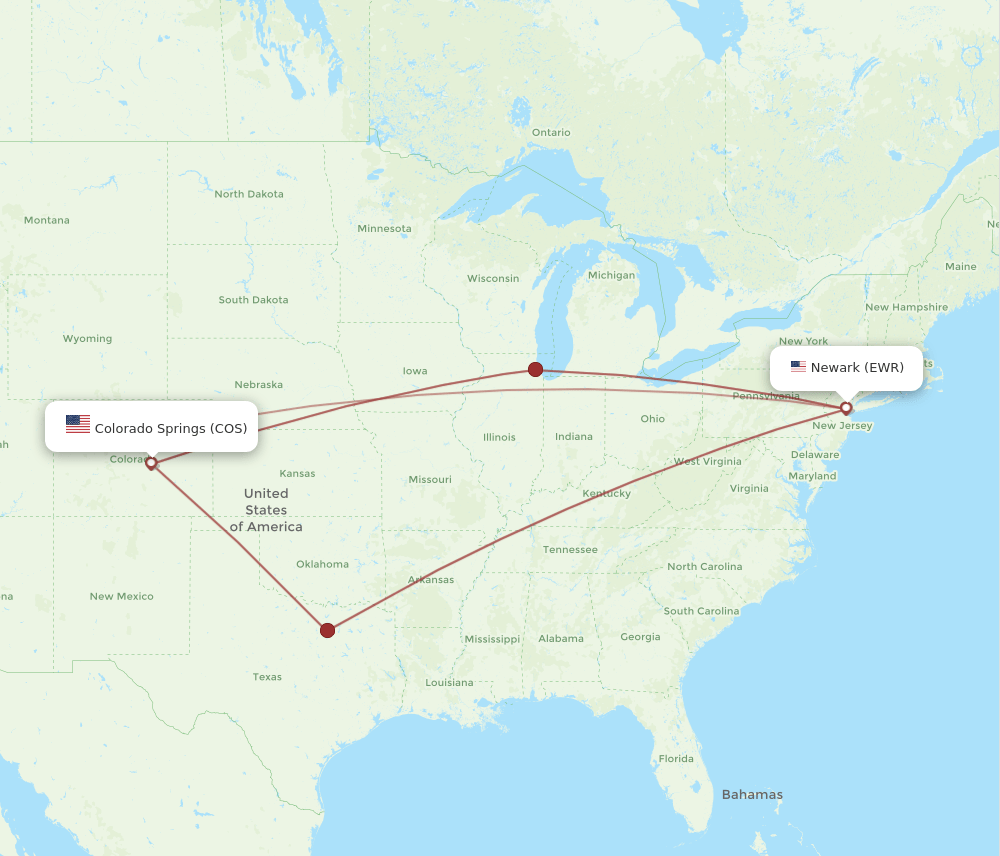
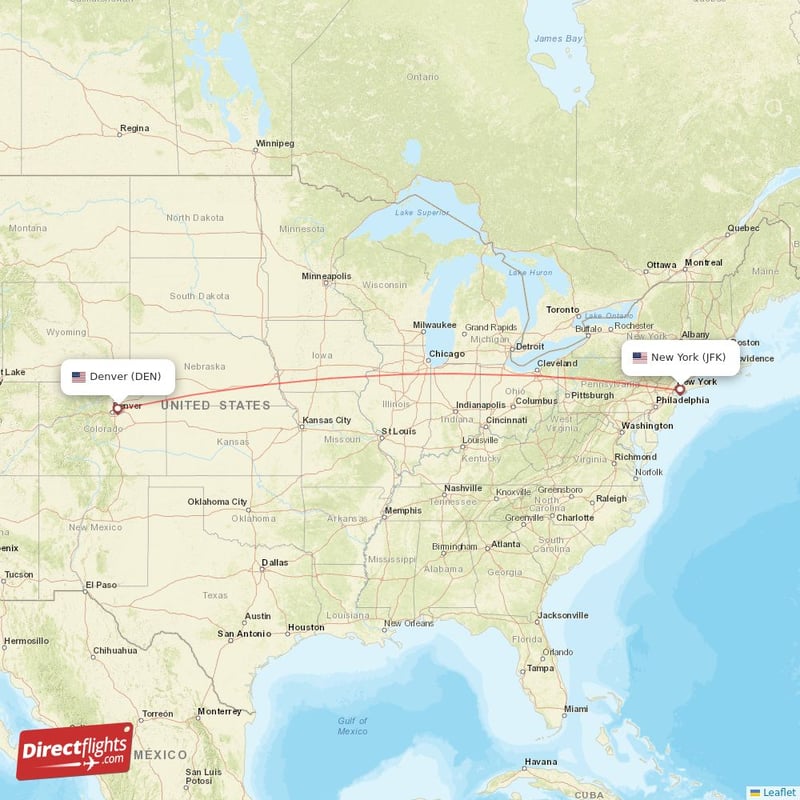
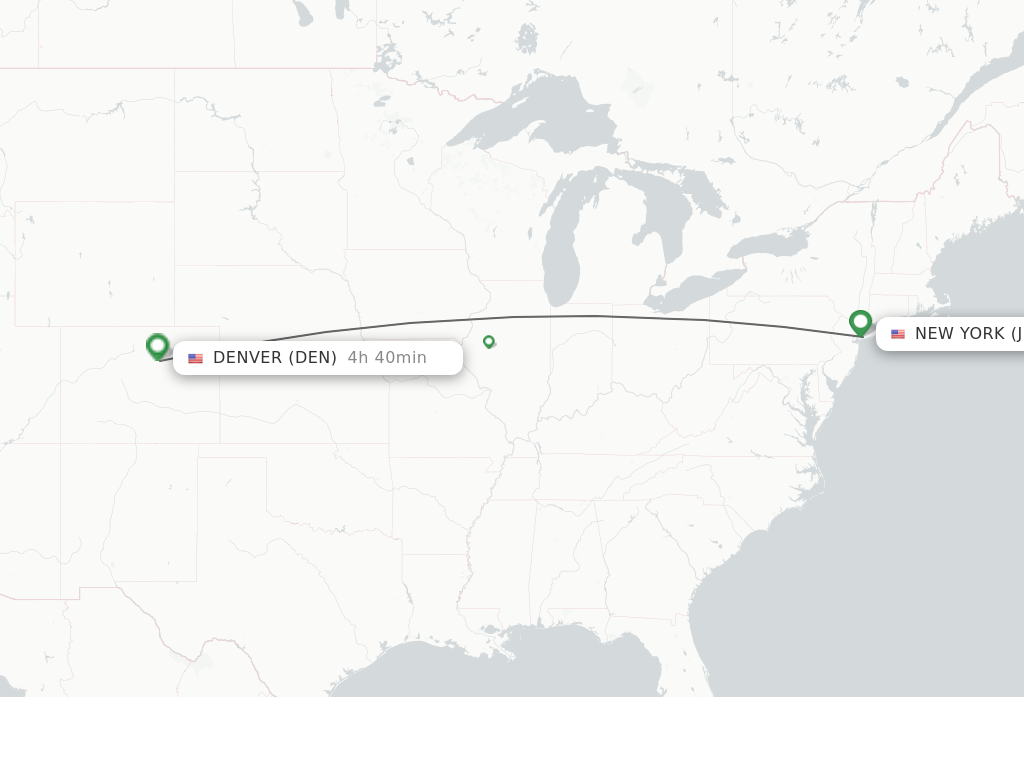
For travelers prioritizing speed and efficiency, flying is unequivocally the best option. The average non-stop flight distance between major airports like John F. Kennedy International Airport (JFK) or Newark Liberty International Airport (EWR) in the New York City area and Denver International Airport (DEN) in Colorado is around 1,620 miles (2,607 kilometers). A direct flight typically takes approximately 3.5 to 4.5 hours. Several major airlines offer daily non-stop services, including United Airlines, Delta Air Lines, American Airlines, Southwest Airlines, and Frontier Airlines.
While the flight itself is quick, travelers must account for airport arrival times, security checks, potential delays, and ground transportation on both ends. This often adds another 3-5 hours to the total travel time. Booking flights well in advance, especially during peak travel seasons or holidays, can secure better fares. Comparing departure and arrival airports (e.g., LaGuardia Airport in New York also serves the region) can sometimes reveal more convenient or cost-effective options depending on your final destination within either state.
By Road: An Epic Cross-Country Odyssey
A road trip from New York to Colorado is a quintessential American experience, offering unparalleled freedom and the chance to witness the country’s diverse topography firsthand. The driving distance ranges from roughly 1,750 to 1,900 miles (2,816 to 3,058 kilometers), making it a journey that typically requires at least 2 to 3 days of dedicated driving, without accounting for extensive sightseeing stops.
Popular routes include:
- Northern Route (I-80/I-90): This path often takes drivers through Pennsylvania, Ohio, Indiana, Illinois, Iowa, and Nebraska before reaching Colorado. It’s generally flatter and can offer faster average speeds once past the initial urban areas.
- Central Route (I-70): While I-70 doesn’t span the entire distance from New York City to Denver directly, it’s a critical artery once you get west of the Appalachian Mountains. Travelers often connect to I-70 from routes like I-76 in Pennsylvania and follow it through Ohio, Indiana, Illinois, Missouri, Kansas, and finally into Colorado. This route offers a direct path through the Great Plains.
Planning a road trip requires budgeting for fuel, potential toll roads (especially in the Northeast), overnight accommodations, and meals. It’s advisable to map out stops in advance, considering average daily driving limits (e.g., 8-10 hours) to avoid fatigue. The beauty of driving is the flexibility to explore hidden gems, from charming small towns in the Midwest to historical sites and diverse natural landscapes that are simply not visible from 30,000 feet.
By Rail: A Scenic but Slower Alternative
Traveling by train offers a unique, nostalgic perspective on cross-country travel, albeit at a significantly slower pace. Amtrak provides service that connects New York to Colorado, though often requiring transfers. A common itinerary might involve taking the Lake Shore Limited from New York City to Chicago, and then connecting to the California Zephyr to Denver.
This journey can take upwards of 30 to 40 hours, excluding potential layover times in Chicago. While slower, it allows passengers to relax, enjoy the scenery from observation cars, dine in dedicated dining cars, and even book private sleeper accommodations for added comfort. It’s a journey for those who cherish the experience of travel itself, the gentle rhythm of the rails, and the panoramic views of America’s heartland, passing through rolling hills, vast plains, and eventually the dramatic ascent into the Rocky Mountains.
Key Considerations for Your Cross-Country Trip
Selecting the best way to travel between Colorado and New York depends on several crucial factors.
Time of Year and Weather Impact
The season profoundly affects travel across such a vast distance. Winter (November to March) can bring heavy snowfall and icy conditions to both the Colorado Rockies and the Northeast, potentially causing flight delays or making driving hazardous, especially through mountain passes and across the plains. Spring and Fall offer milder temperatures, often making for pleasant driving conditions and fewer crowds, though weather can still be unpredictable. Summer is popular for road trips and outdoor activities but also sees higher prices and more travelers.
Budgetary Considerations
The cost of travel varies significantly. Airfare can fluctuate wildly based on booking time, season, and airline choice, typically ranging from $150 to $500 or more for a one-way ticket. A road trip’s cost is dominated by fuel, which for a round trip can easily exceed $500-$700 depending on vehicle efficiency and gas prices, plus hotel stays (2-3 nights) and meals. Train travel, especially with private accommodations, can be comparable to, or even more expensive than, airfare, but often includes meals and the unique experience. Factoring in local transportation costs at your destination (e.g., rental cars in Colorado or subway fares in New York City) is also essential.
Your Travel Style and Preferences
Are you seeking speed and efficiency to maximize time at your destination? Then flying is your best bet. Do you crave adventure, the freedom to explore, and the ability to stop whenever inspiration strikes? A road trip is ideal. Do you prefer a relaxed, scenic journey where the travel itself is part of the vacation, without the stress of driving or airport logistics? The train offers a compelling alternative. Consider who you are traveling with (solo, family with children, pets) and what kind of experience you value most. Each mode of transport promises a different narrative for your journey.
Destinations and Experiences: The Journey and Beyond
The trip between New York and Colorado is not just about the distance covered; it’s about the mosaic of experiences available.
Exploring the Journey Between
If you opt for a road trip or train, the intermediate states offer their own unique charms. In Ohio, a stop in Cleveland to visit the Rock & Roll Hall of Fame can be a cultural highlight. Chicago in Illinois is a world-class city with stunning architecture, renowned museums like the Art Institute of Chicago, and a vibrant food scene, making it an excellent overnight stop. As you traverse Nebraska and Kansas, the endless horizons of the Great Plains offer a serene, contemplative segment of the journey, often punctuated by historical markers detailing the westward expansion.
Colorado: A Mountain Paradise
Upon arrival in Colorado, a world of outdoor adventure and stunning natural beauty awaits. Denver serves as an excellent base for exploring the region, offering a thriving culinary scene, craft breweries, and cultural attractions like the iconic Red Rocks Amphitheatre. Just a short drive away, the Rocky Mountain National Park provides breathtaking hiking trails, wildlife viewing, and majestic peaks. World-class ski resorts like Aspen and Vail draw winter sports enthusiasts, while in warmer months, the state transforms into a haven for whitewater rafting, mountain biking, and rock climbing.
New York: The Empire State’s Allure
Starting or ending your journey in New York offers a contrast of experiences. New York City is a global hub of culture, finance, and entertainment. Visitors can explore iconic landmarks such as the Statue of Liberty, marvel at the dazzling lights of Times Square, catch a Broadway show, stroll through Central Park, or visit world-renowned museums like the Metropolitan Museum of Art or the Museum of Modern Art. Beyond the city, Upstate New York beckons with the natural wonder of Niagara Falls, the pristine wilderness of the Adirondacks, and the charming vineyards of the Finger Lakes region.
Whether you measure the distance in miles, hours, or memories, the journey between Colorado and New York is a testament to the diverse and expansive beauty of the United States. Careful planning, driven by your personal preferences for speed, adventure, or scenic contemplation, will ensure your travel experience is as rewarding as the destinations themselves.
LifeOutOfTheBox is a participant in the Amazon Services LLC Associates Program, an affiliate advertising program designed to provide a means for sites to earn advertising fees by advertising and linking to Amazon.com. Amazon, the Amazon logo, AmazonSupply, and the AmazonSupply logo are trademarks of Amazon.com, Inc. or its affiliates. As an Amazon Associate we earn affiliate commissions from qualifying purchases.