
The journey between San Jose and Los Angeles, two of California‘s most prominent cities, is a common route for business travelers, tourists, and residents alike. San Jose, nestled in the heart of Silicon Valley, serves as a hub for technology and innovation, while Los Angeles, the sprawling metropolis of Southern California, is renowned for its entertainment industry, diverse culture, and coastal allure. Understanding the distance and various travel options between these two dynamic cities is crucial for planning any trip, whether for work or leisure.
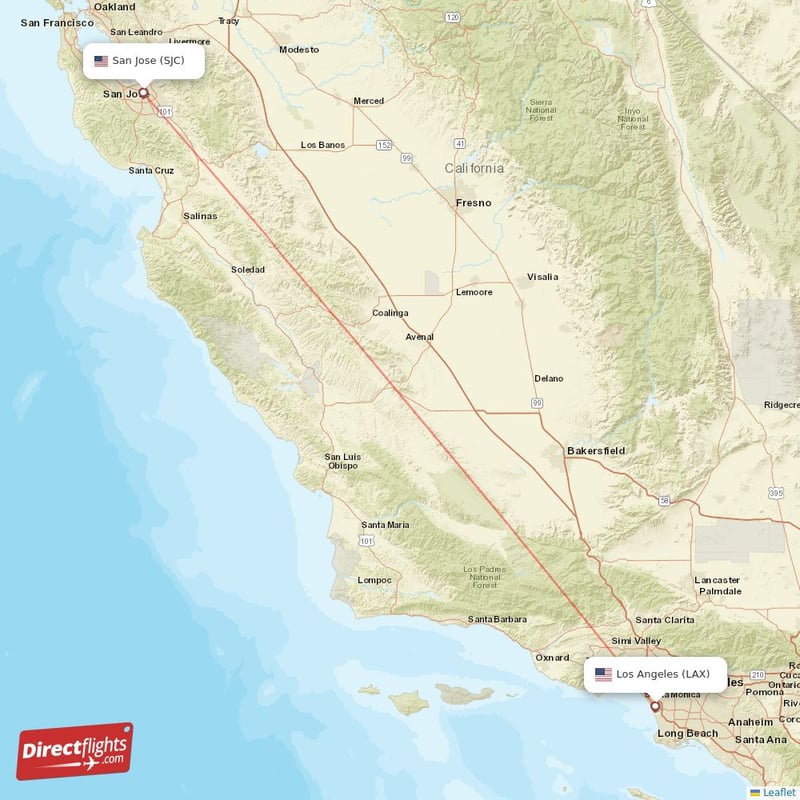
At its core, the direct driving distance between downtown San Jose and downtown Los Angeles is approximately 350 to 380 miles, depending on the specific routes taken and starting/ending points within each expansive urban area. This translates to a considerable journey by car, typically taking anywhere from 5.5 to 7 hours under ideal traffic conditions, though it’s often longer due to California’s notorious traffic congestion, especially around major metropolitan areas during peak hours. Beyond the direct distance, the choice of travel method significantly impacts the duration, cost, and overall experience of the trip.
Driving the Golden State’s Spine
Driving remains the most popular and flexible option for traveling between San Jose and Los Angeles. There are primarily two main routes, each offering distinct experiences and varying travel times.
The Inland Route: Interstate 5 (I-5)
The quickest and most direct route is via Interstate 5. This freeway stretches through the vast agricultural landscapes of California’s Central Valley, making it a relatively straight and unburdened path.
- Distance: Approximately 350-360 miles from central San Jose to downtown Los Angeles.
- Driving Time: Under optimal conditions, expect 5.5 to 6 hours. However, factors like construction, truck traffic (especially around the Grapevine pass south of Bakersfield), and rest stops can easily extend this to 6.5-7 hours.
- Experience: This route is generally less scenic, characterized by endless fields, almond orchards, and various agricultural facilities. While it’s efficient for getting from point A to point B, it offers fewer points of interest for leisure travelers looking for picturesque views or unique stops. Services like gas stations and fast food are readily available at exits.
- Considerations: Drivers should be mindful of speed limits, particularly in the Central Valley, and watch for large trucks. Summer temperatures in the valley can be extremely high, impacting vehicle performance and passenger comfort.
The Coastal Route: US-101 & Highway 1
For those with more time and a desire for scenic beauty, a combination of US-101 and parts of California State Route 1 (also known as the Pacific Coast Highway or Highway 1) offers a dramatically different experience.
- Distance: Varies significantly depending on how much of Highway 1 is incorporated, but generally ranges from 380 to over 450 miles.
- Driving Time: This route is considerably longer, typically requiring 7 to 9 hours of driving time, not including stops. If one commits to the full scenic Highway 1 experience through Big Sur, it could easily stretch into an overnight trip or a full day of driving due to winding roads, lower speed limits, and frequent desires to stop for photos.
- Experience: Unquestionably more picturesque, this route takes travelers through charming coastal towns like Santa Cruz, Monterey, Carmel-by-the-Sea, San Luis Obispo, and Santa Barbara. It offers stunning ocean views, opportunities for whale watching, visits to historic sites like Hearst Castle near San Simeon, and wine tasting in regions like Paso Robles.
- Considerations: While beautiful, sections of Highway 1, particularly through Big Sur, can be challenging with sharp curves, steep drops, and occasional road closures due to landslides, especially during the rainy season. It is essential to check road conditions before embarking on this route. This option is ideal for those for whom the journey itself is part of the destination.
Air Travel: The Fastest Connection
For speed and convenience, flying is often the preferred choice, especially for business travelers or those with limited time.
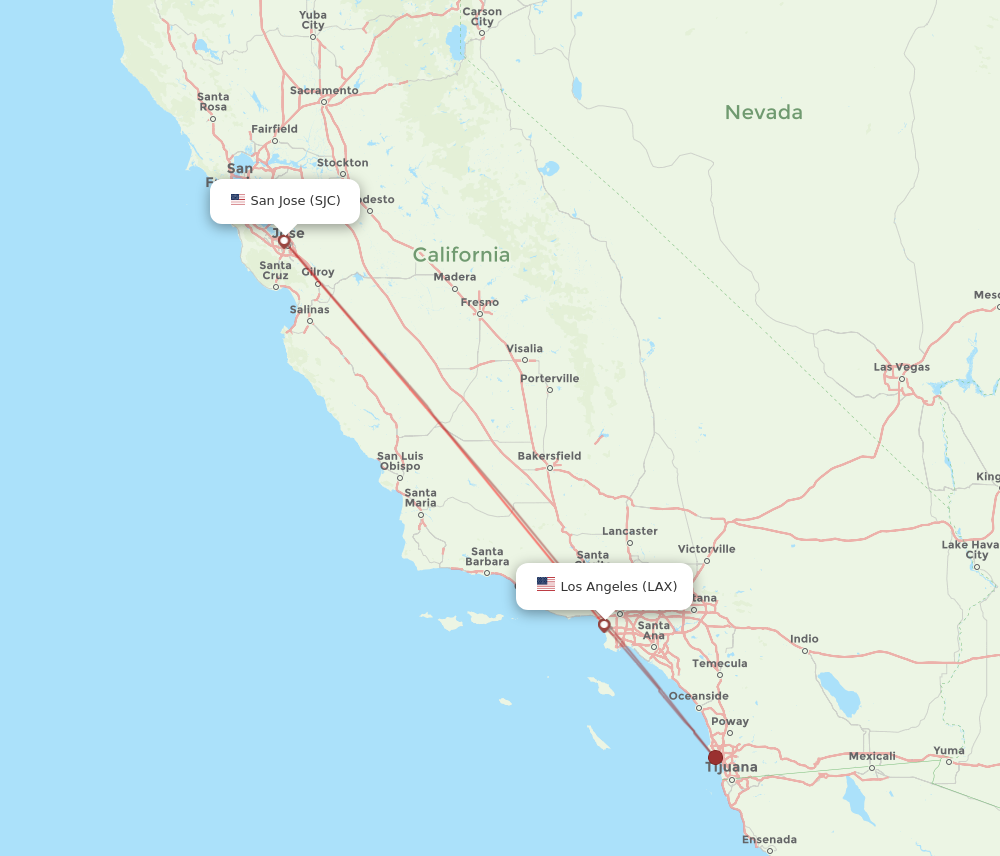
- Airports: Travelers flying from San Jose typically depart from Norman Y. Mineta San Jose International Airport (SJC). In Los Angeles, the primary arrival airport is Los Angeles International Airport (LAX), though other regional airports like Hollywood Burbank Airport (BUR) or Long Beach Airport (LGB) might be options depending on the airline and specific destination within LA.
- Flight Time: The actual in-air flight time is remarkably short, usually around 1 hour to 1 hour and 20 minutes.
- Total Travel Time: However, the total travel time extends beyond just the flight. One must factor in transit to and from airports, security checks, boarding, and baggage claim. Door-to-door, this typically amounts to 3 to 5 hours, depending on efficiency and airport location relative to final destination. For example, getting from downtown San Jose to SJC, flying to LAX, and then battling Los Angeles traffic to reach Santa Monica could easily take longer than a fast drive on I-5.
- Cost: Airfare can vary widely based on booking time, airline, and demand. Budget airlines often offer competitive rates, but additional fees for baggage, seat selection, etc., can add up.
Public Transportation Alternatives
While less direct than flying and generally slower than driving, public transport offers alternatives for those who prefer not to drive or wish to save on fuel and parking costs.
Train Services
Amtrak offers scenic train journeys, though they are considerably longer than driving or flying.
- Routes: The main Amtrak route serving San Jose to Los Angeles is the Coast Starlight, which runs along the coast for a significant portion of its journey. There is also the option of taking the Capitol Corridor from San Jose to connect with the San Joaquin route further inland, but this often requires a bus connection at one end.
- Travel Time: The Coast Starlight journey between San Jose’s Diridon Station and LA’s Union Station can take 9 to 12 hours, sometimes longer due to freight train interference.
- Experience: This is a relaxing way to travel, offering comfortable seating, dining cars, and large windows to take in the views of the California coastline, including parts of Big Sur and Santa Barbara. It’s an excellent choice for leisure travelers who enjoy the journey itself.
- Cost: Train tickets are generally competitive with or slightly more expensive than budget flights, especially if booked in advance.
Bus Services
Several bus companies operate routes between San Jose and Los Angeles, offering a budget-friendly option.
- Operators: Major operators include Greyhound and FlixBus.
- Travel Time: Bus journeys typically take 6.5 to 9 hours, depending on the number of stops and traffic conditions.
- Experience: While affordable, bus travel can be less comfortable than driving or flying, particularly on longer journeys. However, modern buses often offer amenities like Wi-Fi and power outlets.
- Cost: Bus tickets are usually the most economical option for this route.
Planning Your Journey
When deciding how to travel between San Jose and Los Angeles, several factors should influence your choice:
- Time Constraints: If time is critical, flying is undoubtedly the fastest, despite airport procedures.
- Budget: Bus travel is typically the cheapest, followed by driving (factoring in gas, tolls, and potential car rental) and then train or air travel, depending on booking flexibility.
- Travel Companions: Families or groups might find driving more convenient and cost-effective, allowing for more luggage and flexibility with stops.
- Desired Experience: For a direct, efficient transit, I-5 or flying are best. For a memorable, scenic adventure with numerous stops, the coastal drive or a train journey offers unparalleled experiences.
- Traffic & Road Conditions: Always check real-time traffic updates and road conditions, especially if opting for the coastal route or traveling during holiday weekends. California traffic can be unpredictable and severely impact travel times.
In conclusion, the distance between San Jose and Los Angeles is substantial enough to warrant careful consideration of your travel method. Whether you prioritize speed, scenery, budget, or flexibility, California offers a range of options to connect its vibrant north with its bustling south.
LifeOutOfTheBox is a participant in the Amazon Services LLC Associates Program, an affiliate advertising program designed to provide a means for sites to earn advertising fees by advertising and linking to Amazon.com. Amazon, the Amazon logo, AmazonSupply, and the AmazonSupply logo are trademarks of Amazon.com, Inc. or its affiliates. As an Amazon Associate we earn affiliate commissions from qualifying purchases.