
Unveiling the Immense Scope of the Colorado Trail
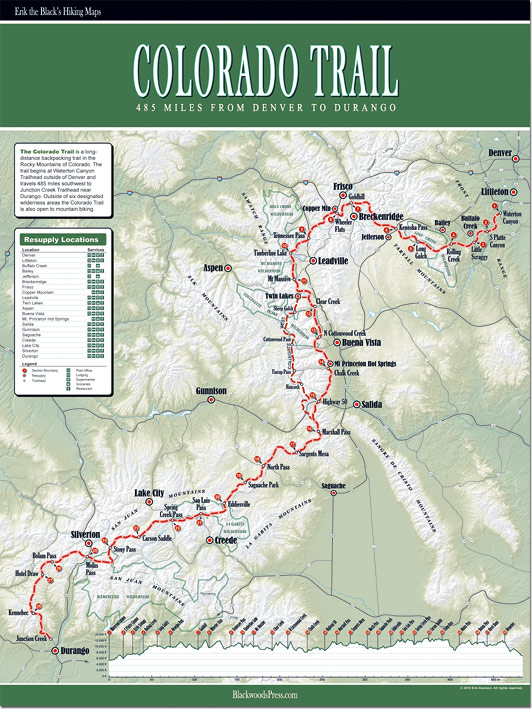
The Colorado Trail is a monumental achievement in outdoor recreation, a legendary pathway that carves its way through the heart of the Rocky Mountains in Colorado. For aspiring adventurers, seasoned thru-hikers, or simply curious travelers, the first question often asked is its profound length. Stretching from the outskirts of Denver in the east to the historic mining town of Durango in the southwest, this epic trail covers approximately 486 miles (782 kilometers).
This isn’t merely a measurement of distance; it represents a journey through some of the most breathtaking and diverse landscapes the United States has to offer. From dense evergreen forests and wildflower-strewn alpine meadows to rugged, exposed passes above treeline, the trail constantly transforms. The cumulative elevation gain and loss are equally staggering, often cited as exceeding 89,000 feet (27,127 meters) in ascent and a similar amount in descent. This makes the Colorado Trail not just a long-distance path but a high-altitude endurance challenge, with much of its route staying above 10,000 feet (3,048 meters) and topping out at nearly 13,334 feet (4,064 meters) on Cataract Ridge in the San Juan Mountains. This impressive elevation profile contributes significantly to both the trail’s physical demands and its unparalleled scenic rewards, offering panoramic vistas that stretch to the horizon.

Navigating the Trail: Sections and Segments
While its total length might seem daunting, the Colorado Trail is thoughtfully organized into 28 distinct segments. Each segment varies in length, typically ranging from 12 to 32 miles (19 to 51 kilometers), and possesses its own unique character, elevation profile, and logistical considerations. This segmentation is crucial for both planning and execution, allowing hikers to tackle the trail in manageable portions or to undertake a full thru-hike with strategic resupply points in mind.
For a thru-hiker aiming to complete the entire 486 miles, understanding these segments is key to pacing and logistics. Most thru-hikers average between 15 to 20 miles (24 to 32 kilometers) per day, though this can fluctuate wildly based on terrain difficulty, weather conditions, and individual fitness levels. Some segments are renowned for their steep climbs and descents, particularly those crossing major mountain passes in the Collegiate Peaks or San Juan Mountains areas, while others offer more gradual ascents through serene forest paths.
Planning Your Journey: Segment by Segment
The segmented nature of the Colorado Trail makes it incredibly accessible for those not intending to complete the entire path. Many visitors choose to experience a portion of the trail as a day hike, a weekend backpacking trip, or a multi-day adventure covering several segments. For example, the segments near Breckenridge or Salida are popular for their relatively easy access and stunning views, making them ideal starting points for those new to long-distance hiking or seeking a shorter, impactful experience.
Choosing specific segments involves considering factors like desired difficulty, available time, and proximity to towns for car shuttles or resupply. Detailed guidebooks and online resources provide comprehensive information on each segment, including trailheads, water sources, camping regulations, and estimated hiking times. This granular approach to planning ensures that whether you’re embarking on a two-month expedition or a two-day escape, your journey on the Colorado Trail is safe, enjoyable, and tailored to your ambitions.
Time Commitment for a Full Thru-Hike
Completing the entire 486-mile Colorado Trail is a significant undertaking that typically requires a substantial time commitment. While individual paces vary greatly, most thru-hikers complete the journey in approximately 4 to 6 weeks (30 to 45 days). This timeframe accounts for an average daily mileage, rest days (often called “zero days”), and stops in trail towns for resupply, laundry, and a much-needed shower.
Several factors directly influence how long a thru-hike will take. A highly conditioned hiker with a minimalist gear setup might cover more miles per day, potentially finishing closer to the four-week mark. Conversely, those who prefer a more leisurely pace, take more time to savor the scenery, or encounter adverse weather conditions (such as extended periods of rain, thunderstorms, or early-season snow) may find their journey extending closer to six weeks or even longer. The physical demands of continuous hiking at high altitudes, coupled with unpredictable mountain weather, necessitate flexibility in any timeline.
The optimal window for a thru-hike generally spans from early July to mid-September. Starting too early in the season (June) risks encountering significant snowpack at higher elevations, particularly on passes above 12,000 feet, which can make sections impassable or extremely hazardous. Starting too late (late September/October) introduces the risk of colder temperatures, shorter daylight hours, and the onset of winter storms, especially in the exposed San Juan Mountains section. Most hikers aim for a mid-July to late August completion to maximize favorable weather and minimize snow concerns.
Preparing for the Long Haul: Essential Considerations
A successful thru-hike of the Colorado Trail demands rigorous preparation. Physical training is paramount; building endurance, strength, and acclimatization to high altitudes through regular hiking and cardio exercises prior to the trip will significantly enhance both enjoyment and safety. Hikers should aim for a lightweight yet durable gear setup, prioritizing essentials like a reliable tent, sleeping bag rated for cold mountain nights, a water filter, and appropriate layers for rapidly changing weather conditions.
Resupply strategy is another critical element. While the trail offers access to several trail towns like Twin Lakes, Leadville, Princeton Hot Springs (via a detour), Silverton, and Lake City (also via a detour), planning mail drops for food and supplies at post offices or specific businesses along the route is a common and effective method. Access to potable water sources varies by segment and season, making a water filter or purification tablets an absolute necessity. Finally, comprehensive navigation tools—detailed maps, a compass, and a reliable GPS device or app—are indispensable for staying on track, especially in remote areas or during inclement weather. Adhering strictly to Leave No Trace principles is fundamental to preserving the pristine wilderness for future generations.
Beyond the Miles: What Makes the Colorado Trail a Premier Destination?
While the length of the Colorado Trail is undoubtedly its most striking physical characteristic, it is the rich tapestry of experiences woven into those 486 miles that truly establishes it as a premier travel destination for outdoor enthusiasts. This isn’t just a path; it’s an immersive journey through the soul of Colorado’s wilderness, offering far more than mere physical challenge.
The scenery is consistently spectacular and incredibly diverse. Hikers traverse through a mosaic of ecosystems, from the dry, piñon-juniper forests near Denver to lush aspen groves in the central mountains, and finally into the dramatic, craggy peaks of the San Juan Mountains. In summer, alpine meadows explode with vibrant wildflowers, creating a painter’s palette against the backdrop of towering peaks. Wildlife sightings are common, ranging from marmots and pikas scurrying among rocks to deer, elk, and even occasional bear or moose encounters, offering a profound connection to the natural world. The panoramic views from high passes, often stretching for dozens of miles, are a constant reminder of the trail’s immense scale and beauty.
Beyond the visual spectacle, the Colorado Trail offers a unique blend of challenge and profound personal reward. Completing even a segment, let alone the entire length, instills a deep sense of accomplishment and resilience. It’s an opportunity for introspection, to disconnect from the digital world and reconnect with oneself and nature’s rhythms. The solitude found in many remote sections is a precious commodity in today’s fast-paced world.
Furthermore, the trail fosters a strong sense of community. Fellow hikers, affectionately known as “trail family,” often share sections of the journey, forming bonds over shared challenges and triumphs. The generosity of “trail angels” — locals who offer rides, food, or support to hikers — adds another layer of warmth and human connection to the wilderness experience.
The Colorado Trail’s accessibility near several notable towns also enhances its appeal as a travel destination. Towns like Breckenridge, Salida, Leadville, and Silverton serve as crucial resupply points, but also offer a chance to experience vibrant mountain culture, local cuisine, and comfortable lodging before or after rejoining the trail. This blend of remote wilderness and accessible amenities makes it an ideal choice for a variety of travel styles, from extreme adventurers to those seeking a taste of the wild with convenient breaks.

Experiencing Colorado’s Untamed Beauty
The distinct sections of the Colorado Trail each present a unique facet of Colorado’s untamed beauty. The eastern sections, starting near Waterton Canyon, offer a gradual introduction to the foothills and Front Range mountains, with sweeping views of the plains giving way to forested slopes. As the trail moves west, it delves deeper into the heart of the Collegiate Peaks Wilderness, famous for its cluster of fourteeners (peaks over 14,000 feet), where hikers are constantly surrounded by some of the highest mountains in North America. This region, near Buena Vista and Salida, is characterized by dramatic ridges, pristine alpine lakes, and expansive tundra.
Further south, the trail traverses the awe-inspiring San Juan Mountains, widely considered the most remote and rugged portion of the entire route. Here, the landscape becomes intensely dramatic, with jagged peaks, deep valleys, and remnants of Colorado’s mining history. The views from passes like Cataract Ridge or Georgia Pass are nothing short of iconic, offering unparalleled vistas that etch themselves into memory. The consistent elevation above treeline in many of these segments provides a sense of incredible exposure and freedom, a testament to the raw power of nature. Whether witnessing a sunrise paint the peaks in fiery hues or a storm roll in across a vast valley, the Colorado Trail continually delivers moments of profound connection to the wild, making its significant length a journey well worth embarking upon.
LifeOutOfTheBox is a participant in the Amazon Services LLC Associates Program, an affiliate advertising program designed to provide a means for sites to earn advertising fees by advertising and linking to Amazon.com. Amazon, the Amazon logo, AmazonSupply, and the AmazonSupply logo are trademarks of Amazon.com, Inc. or its affiliates. As an Amazon Associate we earn affiliate commissions from qualifying purchases.