
Florida, often lauded as the Sunshine State, is a global magnet for tourism, business, and residential migration. Its sprawling coastline, theme parks, vibrant cities, and natural wonders attract millions of visitors annually, necessitating a robust and extensive transportation infrastructure. At the heart of this network lies its impressive array of airports, which serve as crucial gateways connecting the state to the rest of the world and facilitating seamless travel within its borders.
The question of “how many airports in Florida” reveals a complex and diverse aviation landscape. While a precise, static number can be elusive due to the inclusion of private strips and changing classifications, Florida boasts over 130 public-use airports. This figure encompasses everything from bustling international hubs handling tens of millions of passengers to regional commercial airports and numerous general aviation facilities vital for private planes, flight training, and corporate travel. This extensive network underscores the state’s strategic importance in both domestic and international travel, making it one of the most accessible and connected destinations in the United States.
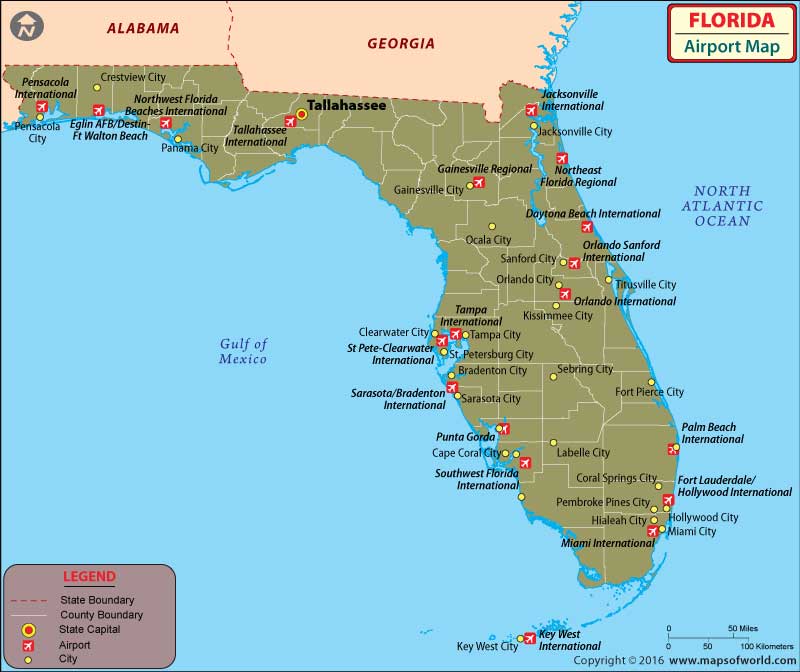
Florida’s Extensive Aviation Network: A Global Gateway
Florida’s position as a premier travel destination is heavily supported by its vast and interconnected aviation infrastructure. The state’s airports are not merely points of arrival and departure; they are economic engines, facilitating trade, commerce, and the flow of tourists and residents. The sheer number of airports reflects the diverse needs of the state’s population and visitors, ranging from those seeking direct flights to major metropolitan areas to those requiring access to smaller, more secluded vacation spots or specialized aviation services.
This network is broadly categorized into commercial service airports, which handle scheduled passenger flights, and general aviation airports, which cater to private, corporate, and recreational flying. The distinction is crucial for understanding the overall capacity and functionality of Florida’s air travel system. The commercial airports are typically larger, equipped with extensive terminals, runways, and air traffic control facilities capable of handling large jet aircraft. General aviation airports, while often smaller, are equally critical for regional connectivity, flight schools, maintenance operations, and disaster relief efforts, offering unparalleled flexibility for travelers with private means or specific aviation requirements. This layered approach ensures that virtually every corner of the state is within reasonable reach of an airfield, bolstering Florida’s reputation as a highly accessible travel destination.
Major Commercial Gateways: Your Entry Points to the Sunshine State
For most travelers flying into Florida, their journey will begin at one of the state’s major commercial airports. These bustling hubs are among the busiest in the world, equipped to handle millions of passengers annually and offering direct connections to cities across the globe. Each serves as a primary access point to distinct regions of Florida, catering to different travel objectives, whether it’s theme park adventures, beach retreats, or urban exploration.
Orlando International Airport (MCO)
Orlando International Airport (MCO) is consistently ranked among the busiest airports in the United States and is the primary gateway to Central Florida’s world-famous theme parks, including Walt Disney World Resort and Universal Orlando Resort. Its strategic location and extensive flight network make it an indispensable entry point for family vacations and convention attendees. The airport is known for its modern facilities, array of dining and shopping options, and efficient ground transportation connections, including rental cars, shuttles, and even future high-speed rail links.
Miami International Airport (MIA)
Serving as a crucial hub for international travel, Miami International Airport (MIA) is the busiest airport in Florida for international passengers and the premier gateway to Latin America and the Caribbean. Located near downtown Miami and the vibrant South Beach, MIA offers an impressive selection of airlines and destinations. Its multi-cultural environment and extensive cargo operations also solidify its role as a key economic driver for South Florida, connecting travelers to world-class art, dining, and nightlife.
Fort Lauderdale-Hollywood International Airport (FLL)
Just a short drive north of Miami, Fort Lauderdale-Hollywood International Airport (FLL) serves as a popular, often more budget-friendly alternative for travelers heading to South Florida. FLL is particularly favored by cruise passengers sailing from Port Everglades and Port Miami, as well as visitors exploring Fort Lauderdale’s beaches and canals. Its robust domestic network and growing international routes offer excellent accessibility to the region.
Tampa International Airport (TPA)
On Florida’s Gulf Coast, Tampa International Airport (TPA) is consistently lauded for its efficiency, architecture, and traveler experience. TPA provides access to the greater Tampa Bay area, including St. Petersburg, Clearwater, and the region’s stunning beaches. It is a vital hub for business travel and leisure visitors exploring the cultural attractions, professional sports, and natural beauty of West Central Florida.
Southwest Florida International Airport (RSW)
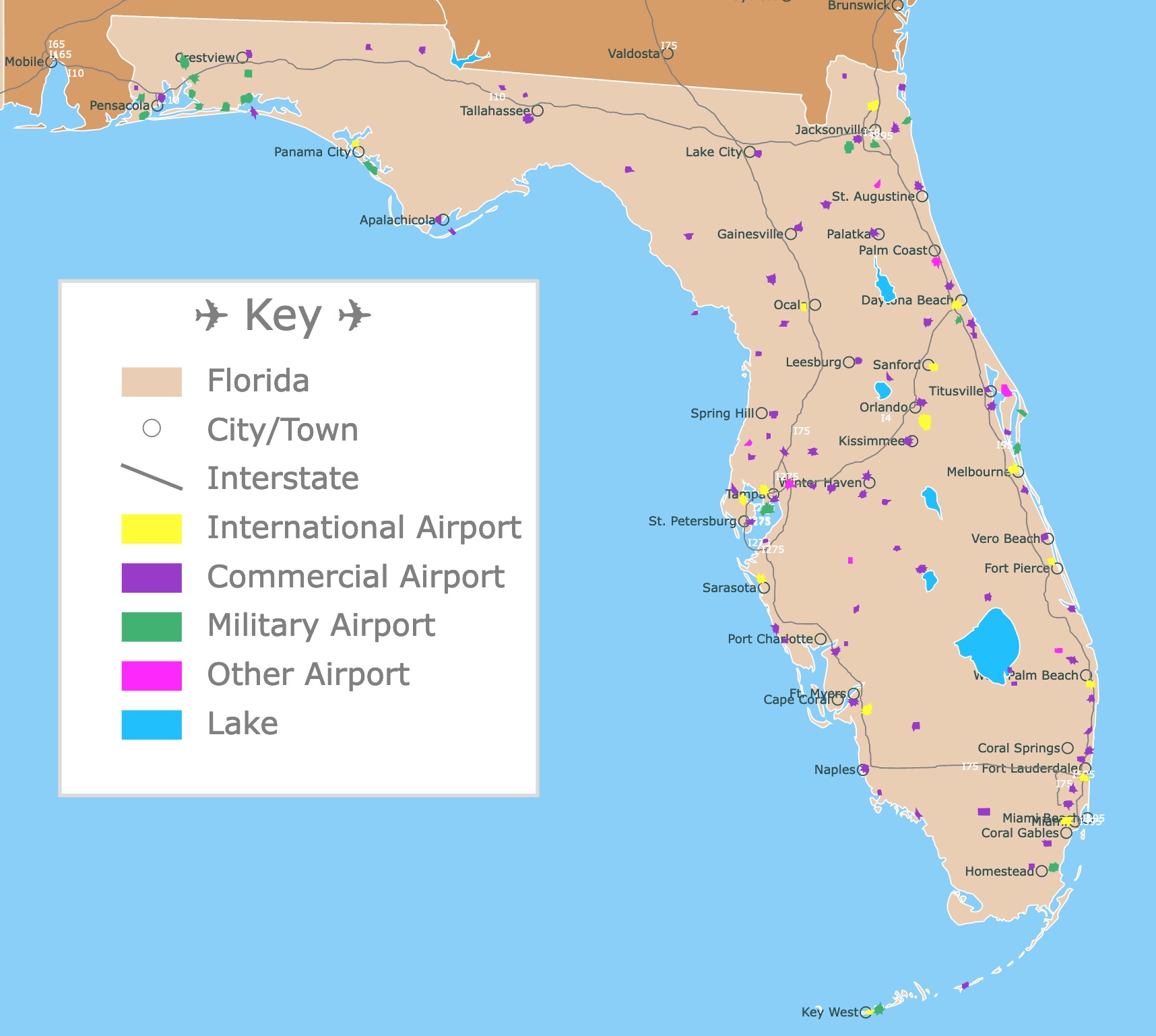
Located in Fort Myers, Southwest Florida International Airport (RSW) is the primary airport serving the southwestern region of the state, including popular destinations like Naples, Sanibel Island, and Captiva Island. RSW handles a significant seasonal influx of visitors, particularly during the winter months, offering a convenient gateway to pristine beaches, golf courses, and nature preserves.
Beyond these major hubs, other significant commercial airports include Jacksonville International Airport (JAX) in North Florida, Palm Beach International Airport (PBI) serving the luxurious Palm Beach area, Sarasota-Bradenton International Airport (SRQ) on the central Gulf Coast, and Northwest Florida Beaches International Airport (ECP) near Panama City Beach. Additionally, Orlando Sanford International Airport (SFB) provides an alternative for low-cost carriers to the Orlando area. Key West International Airport (EYW) offers a direct, albeit more expensive, route to the stunning Florida Keys, while Pensacola International Airport (PNS) and Destin-Fort Walton Beach Airport (VPS) serve the beautiful Florida Panhandle.
The Vital Role of General Aviation Airports in Florida Travel
While the large commercial airports handle the bulk of passenger traffic, Florida’s extensive network of general aviation (GA) airports is equally critical to the state’s travel ecosystem. These facilities cater to a wide range of aviation activities beyond scheduled airline services, including private and corporate aircraft, flight training, air cargo, agricultural aviation, and emergency medical services. They serve as crucial connectors for regions not directly served by commercial flights and offer unparalleled flexibility for travelers seeking personalized and efficient air transport.
Many GA airports, such as Kissimmee Gateway Airport near Orlando, Boca Raton Airport in South Florida, or Miami Executive Airport (formerly Kendall-Tamiami Executive Airport), are strategically located near major business centers and tourist attractions. They provide private jet travelers with direct access, often avoiding the congestion of larger commercial terminals. This capability is particularly appealing to business executives, high-net-worth individuals, and those on bespoke luxury travel itineraries who prioritize time efficiency and discretion.
Furthermore, GA airports are the backbone of Florida’s thriving aerospace and aviation industries. They host numerous flight schools, maintenance facilities, and aviation businesses, contributing significantly to the state’s economy and workforce development. For instance, Lakeland Linder International Airport is not only a general aviation hub but also hosts the annual SUN ‘n FUN Aerospace Expo, one of the largest aviation events in the world. Even smaller regional airports, like Gainesville Regional Airport or Daytona Beach International Airport, while having some commercial service, primarily function as general aviation centers, supporting local communities and specialized air travel. This vast network ensures that no destination within Florida is truly out of reach by air, providing a critical layer of connectivity that complements the major commercial gateways.
Navigating Florida’s Airports for Your Travel Needs
Choosing the right airport in Florida is a strategic decision that can significantly impact the convenience and enjoyment of your trip. With such a diverse array of options, understanding how to best utilize this network is key to optimizing your travel experience.
For those visiting the theme parks and attractions of Central Florida, Orlando International Airport (MCO) is the most direct and convenient choice. However, travelers looking for potentially lower airfares or a less crowded experience might consider Orlando Sanford International Airport (SFB), especially if their destination is closer to Sanford, Daytona Beach, or the Kennedy Space Center Visitor Complex and Port Canaveral.
If your itinerary focuses on the vibrant culture and beaches of South Florida, Miami International Airport (MIA) and Fort Lauderdale-Hollywood International Airport (FLL) are the primary contenders. While MIA offers unparalleled international connectivity, FLL often provides more competitive domestic fares and can be a better option for travelers staying north of Miami, closer to Fort Lauderdale or Palm Beach. For the luxurious resorts and pristine beaches of Palm Beach, Palm Beach International Airport (PBI) offers a seamless and upscale arrival experience.
The Gulf Coast is well-served by Tampa International Airport (TPA) for the Tampa Bay area, and Southwest Florida International Airport (RSW) for destinations like Naples and Fort Myers. For a more serene and less crowded arrival into the Sarasota and Bradenton region, Sarasota-Bradenton International Airport (SRQ) is an excellent choice.
For those exploring the historic charm of St. Augustine or the bustling city of Jacksonville, Jacksonville International Airport (JAX) is the primary entry point. Meanwhile, the Florida Panhandle is efficiently accessed via Pensacola International Airport (PNS), Destin-Fort Walton Beach Airport (VPS), and Northwest Florida Beaches International Airport (ECP).
Ground transportation from all major airports is diverse, including rental cars, ride-sharing services, taxis, and public transit in some areas. Planning your arrival airport based on your ultimate destination within Florida can significantly reduce travel time and costs, enhancing your overall journey through the Sunshine State. The extensive network ensures that whether you’re heading to the Everglades National Park, the beaches of the Atlantic Coast, or a remote fishing lodge, there’s an airport designed to get you there.
The Economic and Tourism Impact of Florida’s Aviation Infrastructure
Florida’s extensive airport network is more than just a convenience for travelers; it is a fundamental pillar of the state’s economy and a direct driver of its colossal tourism industry. The sheer volume of passengers and cargo passing through these facilities translates into significant economic activity, generating jobs, supporting businesses, and attracting investment.
The major commercial airports, in particular, function as massive employment centers, creating opportunities in airport operations, airlines, retail, food service, ground transportation, and security. Beyond direct employment, they stimulate countless indirect and induced jobs throughout the state by facilitating tourism. Every flight carrying tourists to Florida contributes to demand for hotels, restaurants, attractions, and local services. This direct link between air travel accessibility and tourist expenditure is why the state and local governments continually invest in airport expansion and modernization projects.
Furthermore, Florida’s airports play a critical role in global commerce. Miami International Airport, for example, is a major international cargo hub, connecting Florida’s agricultural products and high-tech goods to markets worldwide. This capability supports a diverse range of industries beyond tourism, fostering international trade relationships and strengthening the state’s economic resilience. The general aviation sector also contributes significantly, supporting corporate travel that drives business development, facilitating emergency services, and nurturing a robust aerospace industry.
In essence, the numerous airports scattered across Florida, from the smallest private airstrips to the largest international gateways overseen by the Federal Aviation Administration (FAA), collectively form an indispensable transportation backbone. They ensure that Florida remains highly accessible, competitive, and welcoming to the millions of people who choose to visit, live, and do business in the Sunshine State, solidifying its status as a global travel powerhouse.
LifeOutOfTheBox is a participant in the Amazon Services LLC Associates Program, an affiliate advertising program designed to provide a means for sites to earn advertising fees by advertising and linking to Amazon.com. Amazon, the Amazon logo, AmazonSupply, and the AmazonSupply logo are trademarks of Amazon.com, Inc. or its affiliates. As an Amazon Associate we earn affiliate commissions from qualifying purchases.