
Understanding the flight duration between two major American hubs like Miami and New York is a crucial piece of information for any traveler planning their journey. Whether you’re heading north for business, leisure, or a change of scenery, knowing the approximate time in the air, plus factoring in airport procedures, can significantly impact your itinerary and expectations. This guide delves into the typical flight times, the factors that influence them, and what you can expect when flying between these vibrant metropolises.
Typical Flight Durations
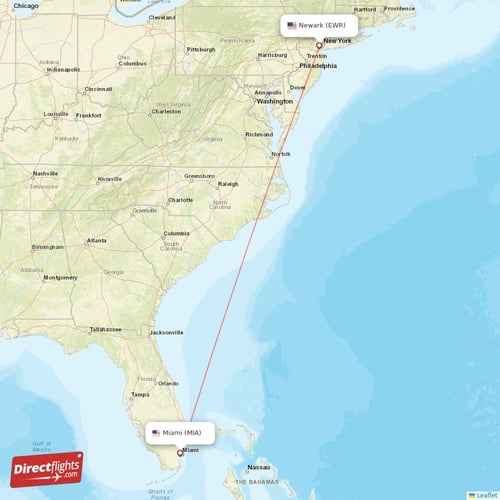
When considering a flight from Miami International Airport (MIA) to one of New York City‘s primary airports, such as John F. Kennedy International Airport (JFK), LaGuardia Airport (LGA), or Newark Liberty International Airport (EWR), the airborne time generally falls within a predictable range.
Direct Flights
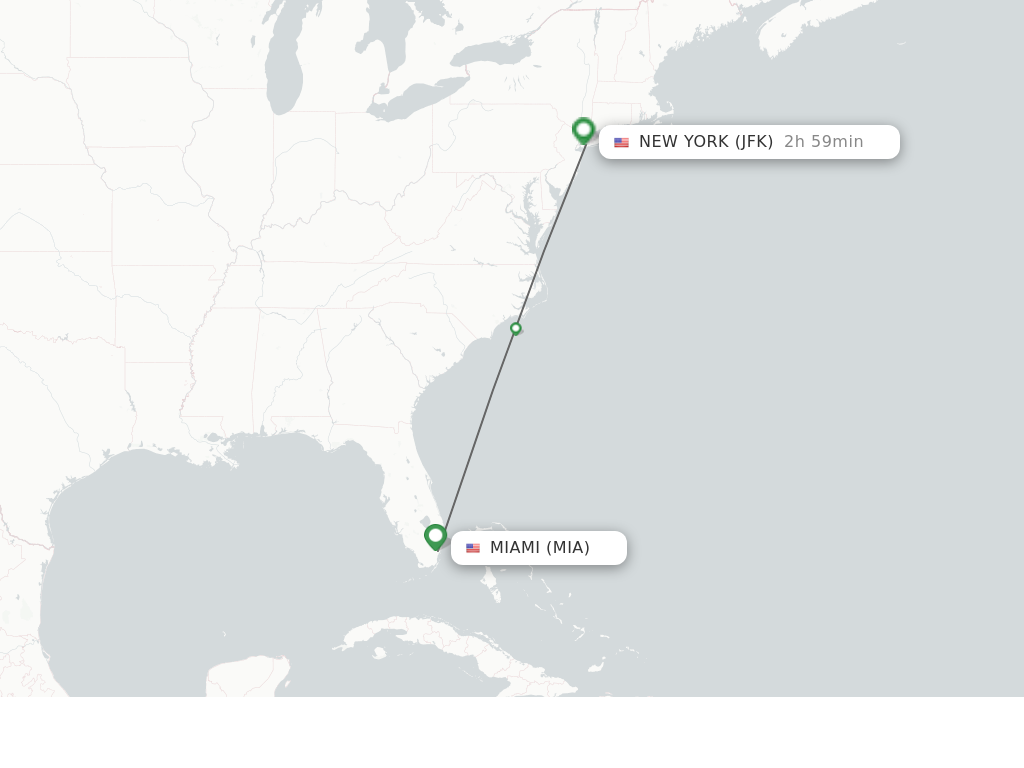
For non-stop, or direct, flights, the scheduled flight time from Miami to New York typically averages between 2 hours and 45 minutes to 3 hours and 30 minutes. This duration can fluctuate slightly based on the specific route, the airline, and the prevailing wind conditions. Airlines like American Airlines, Delta Air Lines, and United Airlines are among the most frequent carriers on this popular corridor, offering numerous daily departures.
Connecting Flights
Flights with one or more stops will naturally take considerably longer. The total travel time for a connecting flight can range from 4 hours to 8 hours or even more, depending on the length of the layover and the location of the connecting airport. While direct flights are usually preferred for speed and convenience, connecting flights can sometimes offer a more economical option for budget-conscious travelers. It’s essential to carefully review the total travel time, including layovers, when booking a flight with connections.
Factors Influencing Flight Time
Several variables contribute to the actual duration of a flight between Miami and New York. Understanding these can help manage expectations and explain any minor variations.
Wind Speed and Direction
One of the most significant factors affecting flight time is the wind. Flights traveling northbound from Miami to New York often benefit from the prevailing westerly winds, also known as the jet stream. When these winds are favorable, they can significantly shorten the flight duration, pushing the aircraft along. Conversely, headwinds can increase flight time. Aviation weather forecasts provide pilots with crucial information about wind patterns, allowing them to optimize routes for efficiency.
Aircraft Type and Speed
Different aircraft models have varying cruising speeds. Modern, fuel-efficient jets might cruise slightly faster or slower than older models. While the difference might seem marginal on a per-hour basis, it can accumulate over the course of a flight. Airlines select aircraft for routes based on demand, operational efficiency, and cost-effectiveness, which can subtly influence the scheduled flight times.
Air Traffic Control and Routing
Air traffic control plays a vital role in managing the skies, especially over busy corridors like the one connecting Florida and the Northeast. Controllers assign flight paths and altitudes to ensure safety and optimize traffic flow. Sometimes, to avoid congestion or due to weather-related rerouting, aircraft may be assigned slightly longer or more circuitous routes, which can add a few minutes to the flight time.
Airline Scheduling and Delays
Airlines build buffer time into their schedules to account for potential delays. This is often referred to as “block time,” which includes time spent taxiing on the ground, holding for departure or arrival, and potential minor air traffic delays. Therefore, the scheduled flight time is not purely the time spent in the air. Actual airborne time can sometimes be shorter than the scheduled duration.
Beyond the Airborne: Total Travel Time
While the flight duration itself is a key metric, it’s essential to consider the entire travel experience from doorstep to destination. This includes time spent at the airports and the journey to and from them.
Airport Arrival and Security
For domestic flights, it’s generally recommended to arrive at the airport at least 2 to 3 hours before your scheduled departure. This allows ample time for check-in, bag drop (if applicable), and navigating the security checkpoints. The time required to get through security can vary significantly depending on the airport, the time of day, and the day of the week. Miami International Airport and the various New York area airports are among the busiest in the country, so patience and preparation are key.
Boarding and Deplaning
Boarding usually begins about 30-45 minutes before departure. Once the aircraft doors close, there can be a further wait for clearance from air traffic control for taxiing to the runway. Upon arrival in New York, deplaning can take another 10-20 minutes, followed by taxiing to the gate.
Ground Transportation
The final leg of your journey involves reaching your final destination from the New York airport. Travel times can vary greatly depending on your specific location within the New York metropolitan area and the mode of transportation you choose.
- Taxi/Rideshare: Depending on traffic, a taxi or rideshare service from JFK or LGA to Manhattan can take anywhere from 45 minutes to over an hour. EWR, being in New Jersey, might take longer to reach many parts of the city.
- Public Transportation: Options like the AirTrain connecting to the subway or commuter rail (e.g., the Long Island Rail Road from JFK or AirTrain Newark from EWR) can offer more predictable travel times, often taking around an hour to reach key city points. However, they involve transfers and can be less convenient with luggage.
Therefore, while the flight itself might be just under three hours, the total travel time from leaving your home in Miami to arriving at your final destination in New York can easily amount to 6 to 10 hours or more.
Optimizing Your Travel Experience
To make your journey between Miami and New York as smooth as possible, consider these tips:
Choose Direct Flights When Possible
If your schedule and budget allow, opting for a direct flight is almost always the most efficient choice. It minimizes the chances of missed connections and reduces overall travel time.
Consider Flight Times Wisely
Early morning or late evening flights can sometimes be less crowded and experience fewer delays due to air traffic congestion compared to midday departures.
Utilize Airport Resources
Familiarize yourself with the amenities and transportation options at both Miami International Airport and your chosen New York area airport. Knowing your ground transportation options in advance can save valuable time upon arrival.
Pack Smart
Traveling light can expedite your passage through the airport, especially if you can opt for carry-on luggage only. Ensure all liquids and electronics are readily accessible for security screening.
Stay Informed
Use flight tracking apps and airline notifications to stay updated on your flight status. This allows you to adjust your departure for the airport accordingly if there are any unexpected delays.
By understanding the nuances of flight durations and factoring in all aspects of the travel process, you can better plan your trip between Miami and New York, ensuring a more predictable and enjoyable travel experience.
LifeOutOfTheBox is a participant in the Amazon Services LLC Associates Program, an affiliate advertising program designed to provide a means for sites to earn advertising fees by advertising and linking to Amazon.com. Amazon, the Amazon logo, AmazonSupply, and the AmazonSupply logo are trademarks of Amazon.com, Inc. or its affiliates. As an Amazon Associate we earn affiliate commissions from qualifying purchases.