
The majestic moose, a creature of immense size and quiet grandeur, has staged a remarkable comeback in Colorado over the past several decades. Once a rarity, these iconic giants of the wilderness are now a significant draw for nature enthusiasts and travelers seeking unique wildlife encounters. For those planning a trip to the Centennial State with hopes of spotting one of these magnificent animals, understanding their population, preferred habitats, and responsible viewing practices is essential for an unforgettable experience.
The Resurgent Presence of Moose in Colorado
Unlike their widespread populations in other northern states and Canada, moose were historically not abundant in Colorado. While some naturally migrated into the state from Wyoming and Utah, their numbers remained critically low throughout much of the 20th century. A pivotal moment occurred in 1978 when Colorado Parks and Wildlife (CPW) initiated a reintroduction program, transplanting 24 Shiras moose from Utah and Wyoming into North Park, near Walden. This successful effort, followed by subsequent reintroductions, laid the foundation for the thriving population we see today.
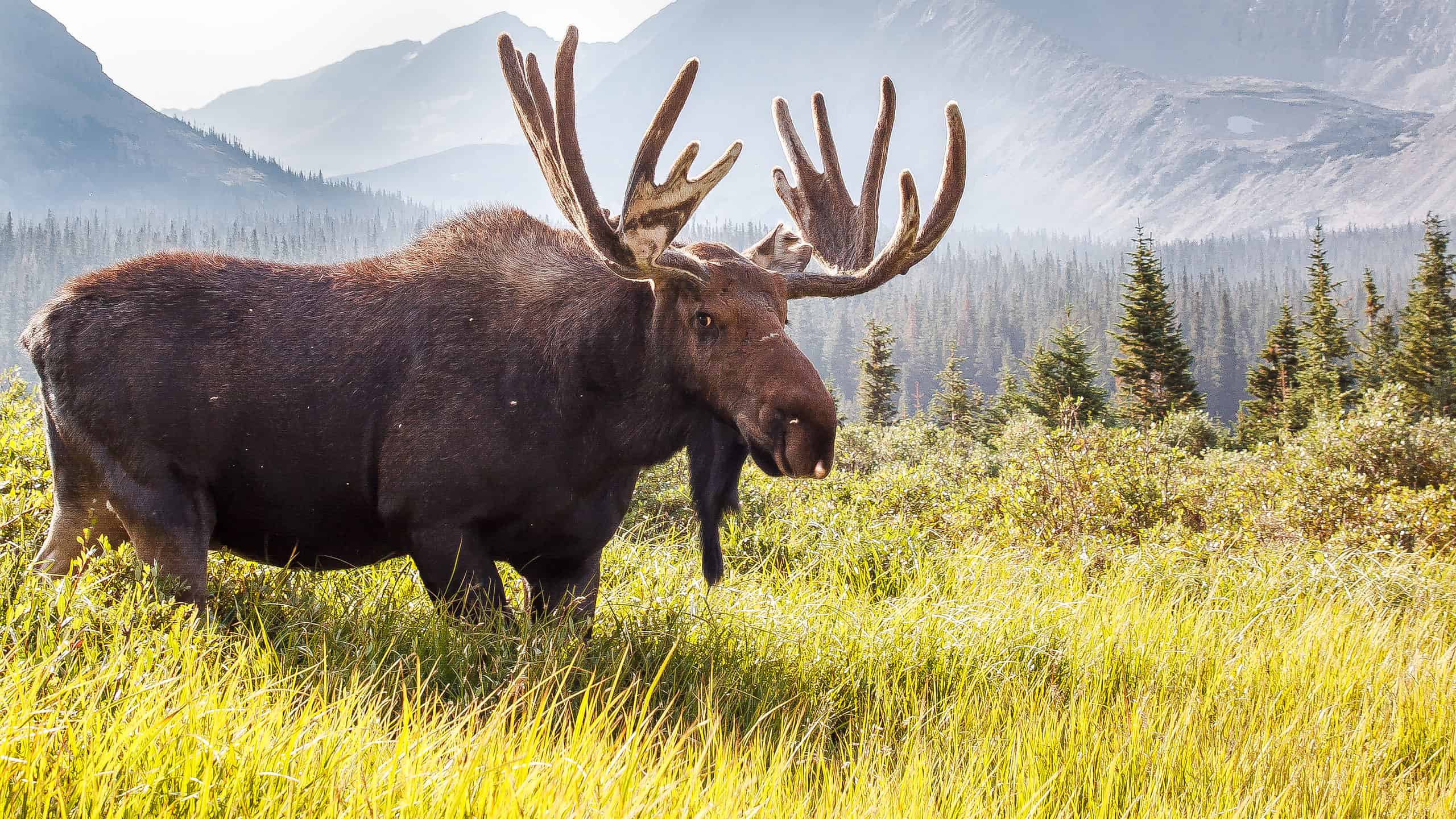
Today, Colorado’s moose population is estimated to be between 3,000 and 4,000 individuals, a testament to effective conservation and suitable habitat. This remarkable increase has allowed moose to expand their range significantly, moving beyond their initial reintroduction sites into various mountainous regions across the state. They have found ideal conditions in the state’s riparian areas, high-altitude forests, and willow-choked valleys, which provide both abundant food sources and shelter. The absence of significant natural predators, coupled with careful management, has further aided their proliferation. This makes moose viewing one of the most sought-after wildlife experiences for visitors to Colorado, transforming what was once a rare sighting into a more accessible wildlife adventure.
Prime Destinations for Moose Spotting
For travelers eager to witness these majestic animals, certain areas in Colorado offer a higher probability of success. These prime locations are renowned for their healthy moose populations and provide the best opportunities for responsible observation.
State Forest State Park
Often dubbed the “moose viewing capital of Colorado,” State Forest State Park is undeniably the top destination for spotting these magnificent creatures. Located just south of Walden in North Park, this park boasts the highest concentration of moose in the state. The park’s extensive willow thickets and marshy meadows, particularly along the Moose Visitor Center road and trails, provide ideal habitat. Visitors frequently report sightings within minutes of entering the park, especially during early morning or late evening hours. Its designation as a state park also means managed trails and visitor facilities, making it a relatively easy and well-supported destination for wildlife viewing.
Rocky Mountain National Park
Rocky Mountain National Park offers another excellent chance to see moose, particularly on its western side. The Kawuneeche Valley, stretching from the Grand Lake entrance north towards Walden, is a prime location. Here, the Colorado River meanders through vast meadows and willow carrs, providing crucial feeding grounds for moose. Popular trails like the East Inlet Trail near Grand Lake and areas around Parry Peak are known for regular sightings. While the eastern side of the park also has moose, their numbers are typically lower due to less suitable habitat. The park’s stunning scenery enhances the viewing experience, making it a rewarding trip even without a moose sighting.
Other Notable Areas
Beyond these primary hotspots, moose have expanded into several other significant regions of Colorado:
- Routt National Forest: Encompassing areas around Steamboat Springs and extending into North Park, this forest provides ample high-elevation willow and riparian zones. Travelers exploring the wilderness around Steamboat Lake State Park or the Mount Zirkel Wilderness often encounter moose.
- Gore Range and Medicine Bow Mountains: These rugged mountain ranges, extending from Grand County northward, are home to scattered but healthy moose populations. Remote trails and quieter backcountry areas increase the chances of a solitary encounter.
- Grand Mesa and White River National Forest: On the western slope, particularly near Grand Mesa National Forest and the higher elevations of the White River National Forest, moose are becoming more common. Their presence here is a newer development, indicating their continued expansion across suitable habitats.
When planning your trip, consider focusing on these destinations to maximize your chances of a successful and memorable moose encounter.
Best Times and Conditions for Moose Encounters
Timing and environmental conditions play a crucial role in the likelihood of spotting moose. These magnificent animals follow seasonal patterns and exhibit specific behaviors that can guide your travel plans.
Seasonal Considerations
- Spring (Late April to June): As the snow melts and new vegetation emerges, moose become more active. Cows with calves are a common sight, offering a tender glimpse into their family dynamics. However, this is also a time when mothers are highly protective, so extreme caution and distance are paramount.
- Summer (July to August): Moose are typically found in higher elevations and near water sources during the warmer months, seeking relief from heat and insects. Early mornings and late evenings are the best times to find them browsing in riparian areas or along the edges of lakes and ponds.
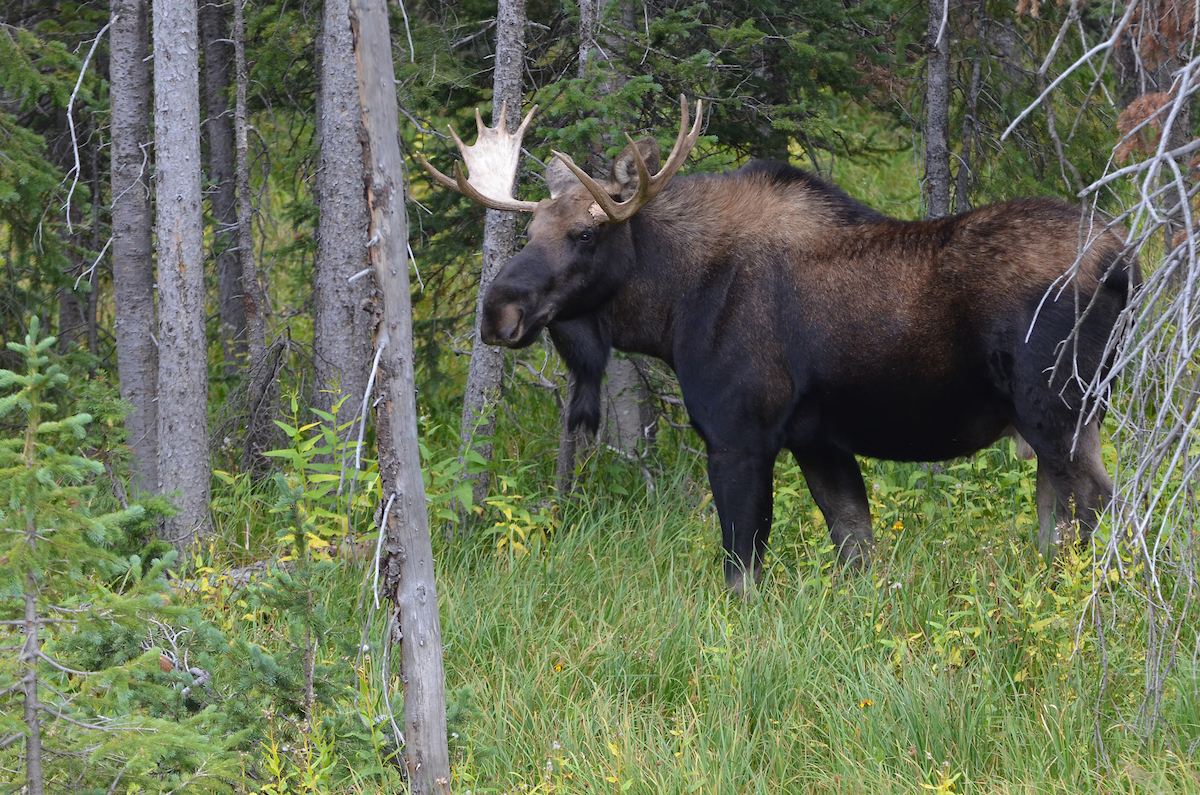
- Fall (September to October): This is perhaps the most exciting time for moose viewing, especially during the rut (mating season). Bulls are actively seeking cows, making them more visible and often displaying impressive antler rubs and sparring behaviors. The vibrant fall foliage also provides a stunning backdrop for photography.
- Winter (November to March): While challenging due to snow and cold, winter offers unique viewing opportunities. Moose often descend to lower elevations to find food, sometimes congregating in accessible valleys. Their dark bodies against the white snow make them easier to spot, but accessibility to their habitats can be limited by road closures.
Time of Day
Regardless of the season, moose are crepuscular, meaning they are most active during dawn and dusk. Plan your excursions for the first few hours after sunrise and the last few hours before sunset. During these times, temperatures are cooler, and light conditions are often ideal for photography. Midday sightings are less common as moose typically retreat to denser cover to rest and digest.
Weather Impacts
Moose are generally robust animals, but extreme weather can influence their visibility. After a significant snowfall or during heavy rain, they might seek denser cover. Conversely, clear, calm mornings following a light snowfall can be exceptional for tracking and spotting them, as their movements are often more pronounced in fresh snow. Always be prepared for rapidly changing mountain weather, dressing in layers and carrying appropriate gear.
Essential Tips for Responsible Moose Viewing
Encountering a moose in the wild is a privilege, and it comes with the responsibility to ensure both your safety and the well-being of the animal. Adhering to ethical viewing practices is crucial for a positive experience for all.
Safety First: Maintain Distance
Moose, despite their seemingly placid demeanor, are powerful and unpredictable wild animals. They are not to be approached. Always maintain a safe and respectful distance – ideally at least 75 feet (25 yards) or more. If a moose displays warning signs, such as laid-back ears, lowered head, or hair standing on end, it is agitated. Give it ample space and retreat slowly. Never get between a cow and her calf. If a moose charges, seek immediate cover behind a large tree or vehicle, or run away if no cover is available. Your safety is paramount.
Respecting Wildlife and Their Habitat
- Do not feed wildlife: Feeding moose can lead to them associating humans with food, altering their natural behavior, and potentially causing them harm or making them aggressive.
- Stay on marked trails: Wandering off-trail can disturb habitat, trample sensitive vegetation, and increase the likelihood of unexpected encounters that could put you or the animal at risk.
- Minimize noise: Approach silently and avoid sudden movements or loud noises that could startle or stress the animals.
- Observe from afar: Use binoculars or a spotting scope for close-up views. This allows you to appreciate their details without disturbing them.
What to Bring and Ethical Photography
- Optics: Binoculars (8x or 10x magnification) and a spotting scope are indispensable for detailed, safe viewing.
- Camera: A telephoto lens is essential for capturing quality photos from a safe distance. Avoid using flash, especially at night, as it can disorient or frighten wildlife.
- Appropriate Clothing: Dress in layers suitable for mountain weather, including waterproof outer layers. Sturdy hiking boots are a must.
- Leave No Trace: Pack out everything you pack in. Dispose of waste properly, respect wildlife, and leave natural areas as you found them.
By following these guidelines, you contribute to the conservation of Colorado’s moose population and ensure that future generations can also enjoy these incredible encounters.

Beyond the Sighting: Understanding Colorado’s Moose
Beyond the thrill of a sighting, understanding the characteristics and ecological role of Colorado’s moose adds depth to the travel experience. The moose found here are of the Shiras moose subspecies, the smallest of North America’s moose, yet still formidable. Adult males can weigh over 1,000 pounds and stand six feet tall at the shoulder, sporting impressive antlers that can span over 50 inches. Females are slightly smaller but equally robust.
Moose are primarily browsers, feeding on willow, aspen, and other woody vegetation. Their elongated legs allow them to navigate deep snow and wade through water with ease, accessing food sources that other herbivores cannot reach. They are also excellent swimmers, often submerging themselves to feed on aquatic plants. Their presence is a vital indicator of healthy riparian ecosystems.
Conservation efforts by Colorado Parks and Wildlife continue to monitor and manage the state’s moose population. This includes ongoing research into their movements, health, and interactions with other wildlife and human activities. Visitors play a crucial role in these efforts by reporting sightings, adhering to regulations, and practicing responsible wildlife viewing, helping to ensure these magnificent creatures continue to thrive in the Colorado wilderness for years to come. A trip to Colorado to see moose is not just an adventure; it’s an engagement with a successful conservation story unfolding in real-time.
LifeOutOfTheBox is a participant in the Amazon Services LLC Associates Program, an affiliate advertising program designed to provide a means for sites to earn advertising fees by advertising and linking to Amazon.com. Amazon, the Amazon logo, AmazonSupply, and the AmazonSupply logo are trademarks of Amazon.com, Inc. or its affiliates. As an Amazon Associate we earn affiliate commissions from qualifying purchases.