
California is a state synonymous with unparalleled natural beauty, and among its most iconic treasures are the magnificent redwood trees. These arboreal giants, renowned for their immense height and ancient lineage, draw travelers from across the globe, eager to stand in the shadow of living history. However, the term “redwood” itself can encompass a few distinct species, each with its own preferred habitat and geographical distribution within the Golden State. Understanding where these colossal trees thrive is the first step in planning an unforgettable journey into their majestic groves. From the misty coastal ranges of Northern California to the rugged high elevations of the Sierra Nevada, the redwoods are not concentrated in a single location but rather form a series of precious, awe-inspiring sanctuaries. This guide delves into the specific regions and parks where you can experience the profound grandeur of California’s legendary redwoods.
Unveiling California’s Ancient Giants: An Overview of Redwood Habitats
When people speak of “redwoods” in California, they typically refer to two primary species: the Coast Redwood (Sequoia sempervirens) and the Giant Sequoia (Sequoiadendron giganteum). While both are members of the cypress family and share a common ancestor, they have evolved to flourish in dramatically different environments and exhibit distinct characteristics.
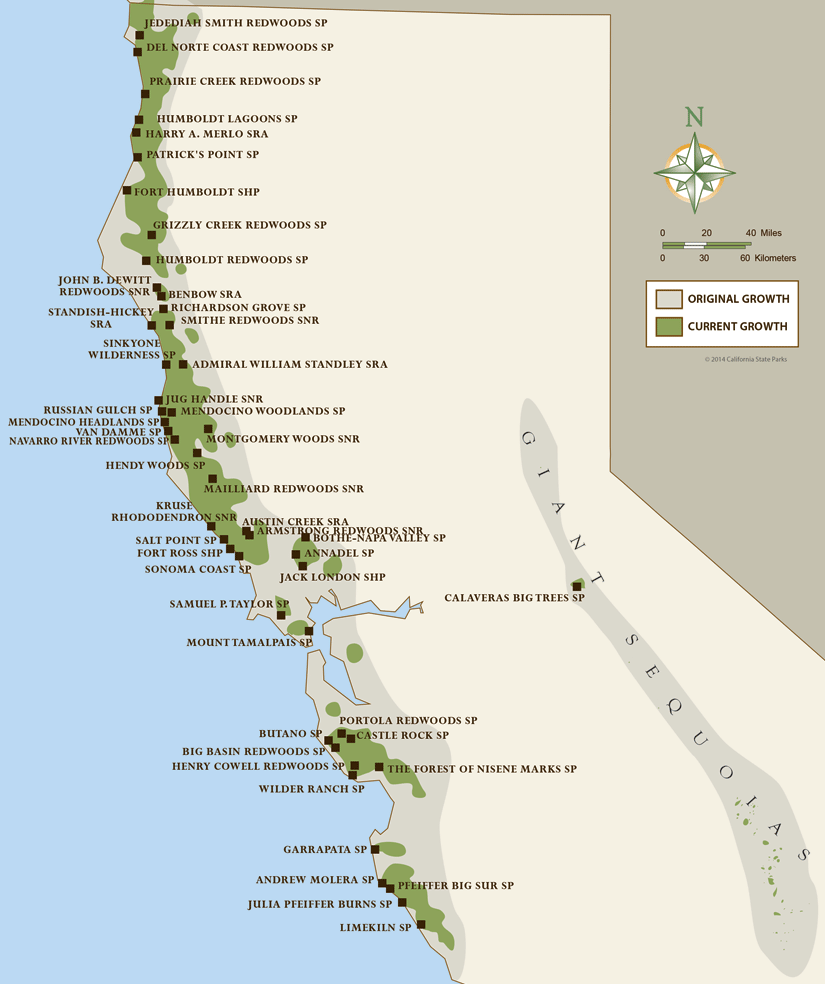
The Coast Redwood is the world’s tallest living tree, capable of reaching heights exceeding 380 feet. These slender giants thrive in the cool, moist conditions of the coastal fog belt, stretching in a narrow band from southern Oregon down to just south of Big Sur in California. Their survival is intimately tied to the regular moisture provided by the Pacific Ocean fog, which condenses on their needles and drips to the forest floor, hydrating their roots even during dry spells.
In stark contrast, the Giant Sequoia holds the title for the world’s largest tree by volume, boasting massive trunks that can measure over 30 feet in diameter. These magnificent trees are found exclusively in groves scattered along the western slopes of the Sierra Nevada mountain range, typically at elevations between 4,000 and 7,000 feet. They require a specific climate characterized by dry summers and snowy winters, relying on the melting snowpack for their water supply. While not as tall as their coastal cousins, their sheer bulk and venerable age—some living for over 3,000 years—make them equally breathtaking. Understanding these environmental distinctions is crucial for pinpointing where to find each type of redwood and appreciating the unique ecosystems they inhabit.
The Majestic Coast Redwoods: A Journey Along the Pacific
The Coast Redwood forests are a testament to endurance and natural grandeur, forming a verdant corridor along California’s northern and central coast. Visiting these areas offers an immersive experience into ancient ecosystems teeming with life, from the forest floor to the towering canopies.
Northern California’s Redwood Empire: Humboldt & Del Norte Counties
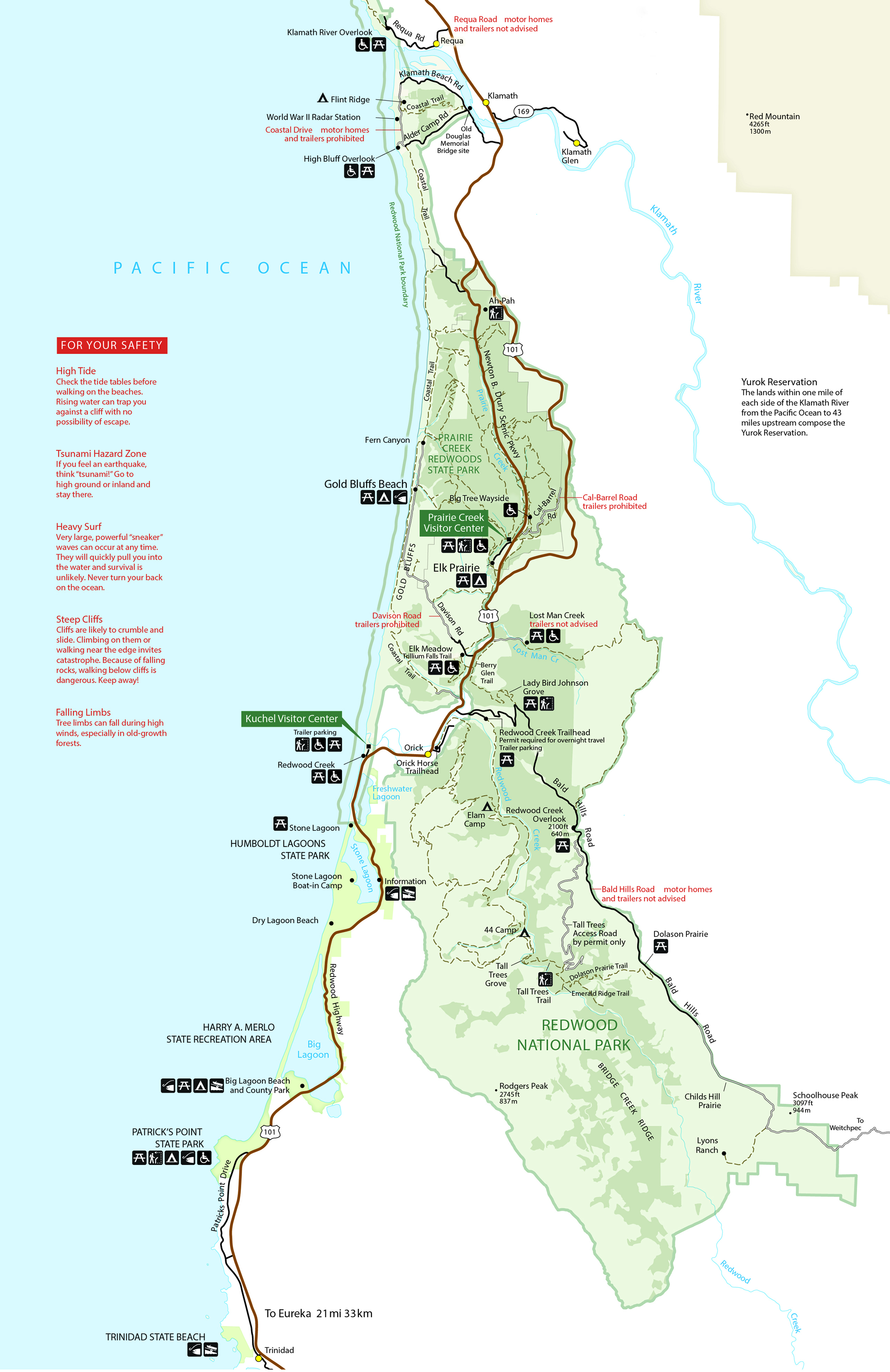
The densest and most spectacular concentrations of Coast Redwoods are found in the far northern reaches of California, often referred to as the Redwood Empire. This region, primarily encompassing Humboldt County and Del Norte County, is home to Redwood National and State Parks. This complex, a UNESCO World Heritage Site, comprises a mosaic of federally and state-managed lands, including Jedediah Smith Redwoods State Park, Prairie Creek Redwoods State Park, and Del Norte Coast Redwoods State Park.
Within these parks, travelers can explore some of the tallest trees on Earth. Highlights include scenic drives like the Newton B. Drury Parkway and the Newton P. Drury Parkway, offering breathtaking views from the comfort of your vehicle. For a more intimate experience, the renowned Avenue of the Giants, a 31-mile scenic alternative to U.S. 101, winds through a series of groves, offering numerous opportunities to pull over, hike short trails, and marvel at the sheer scale of the trees. Must-visit spots include the Tall Trees Grove (requiring a permit and short hike), home to several record-breaking trees, and the Lady Bird Johnson Grove. Gateway towns like Eureka, Arcata, and Crescent City provide essential services, lodging, and a taste of local culture, serving as excellent bases for exploring the northern redwood forests.
Central California’s Coastal Groves: Marin to Santa Cruz
Further south, though less expansive, significant Coast Redwood groves punctuate the landscape closer to California’s major metropolitan areas, making them highly accessible for day trips.
One of the most famous and easily reached redwood destinations is Muir Woods National Monument, located just a short drive north of San Francisco. This park offers well-maintained boardwalks and paved trails that wind through an old-growth redwood forest, providing an excellent introduction to these majestic trees. Due to its popularity, advance reservations for parking or shuttle service are often required, especially during peak season.
North of San Francisco, in Sonoma County, lies Armstrong Redwoods State Natural Reserve near the charming town of Guerneville. This reserve preserves several impressive old-growth trees, including the Icicle Tree and the Colonel Armstrong Tree, the reserve’s oldest living redwood, estimated to be over 1,400 years old.
Moving south towards Santa Cruz, visitors can explore Henry Cowell Redwoods State Park. Its popular Redwood Grove Loop Trail is accessible and showcases a magnificent stand of old-growth redwoods, including a 285-foot-tall tree that is over 1,500 years old. Nearby, Big Basin Redwoods State Park, California’s oldest state park, has faced significant challenges from wildfires in recent years but remains a critical redwood habitat and is undergoing extensive recovery efforts, with some areas gradually reopening. These central coastal groves offer a more intimate setting, allowing visitors to connect with the redwoods without venturing too far from urban centers.
The Mighty Giant Sequoias: High Sierra Sanctuaries
While Coast Redwoods capture the imagination with their unparalleled height, the Giant Sequoias impress with their sheer volume and formidable presence. These ancient sentinels are exclusively found in the isolated groves of the Sierra Nevada mountains, a distinct and breathtaking habitat that requires a different approach to visiting.
Iconic Parks of the Sierra Nevada
The vast majority of Giant Sequoias are protected within a handful of national and state parks in the central and southern Sierra Nevada. These parks offer unparalleled opportunities to witness the largest trees on Earth in their natural, rugged environments.
The twin titans, Sequoia National Park and Kings Canyon National Park, protect the most extensive and impressive groves of Giant Sequoias. Within Sequoia National Park, the Giant Forest is home to five of the ten most massive trees on Earth, including the legendary General Sherman Tree. Standing as the world’s largest tree by volume, the General Sherman Tree is an absolute must-see, accessible via a paved trail. Other notable features in the park include Moro Rock, a granite dome offering panoramic views, and numerous hiking trails through the colossal groves. Adjacent Kings Canyon National Park boasts the majestic Grant Grove, home to the General Grant Tree, often referred to as the “Nation’s Christmas Tree.” Both parks offer extensive camping, lodging, and visitor services, though roads to higher elevations can be closed in winter due to snow.
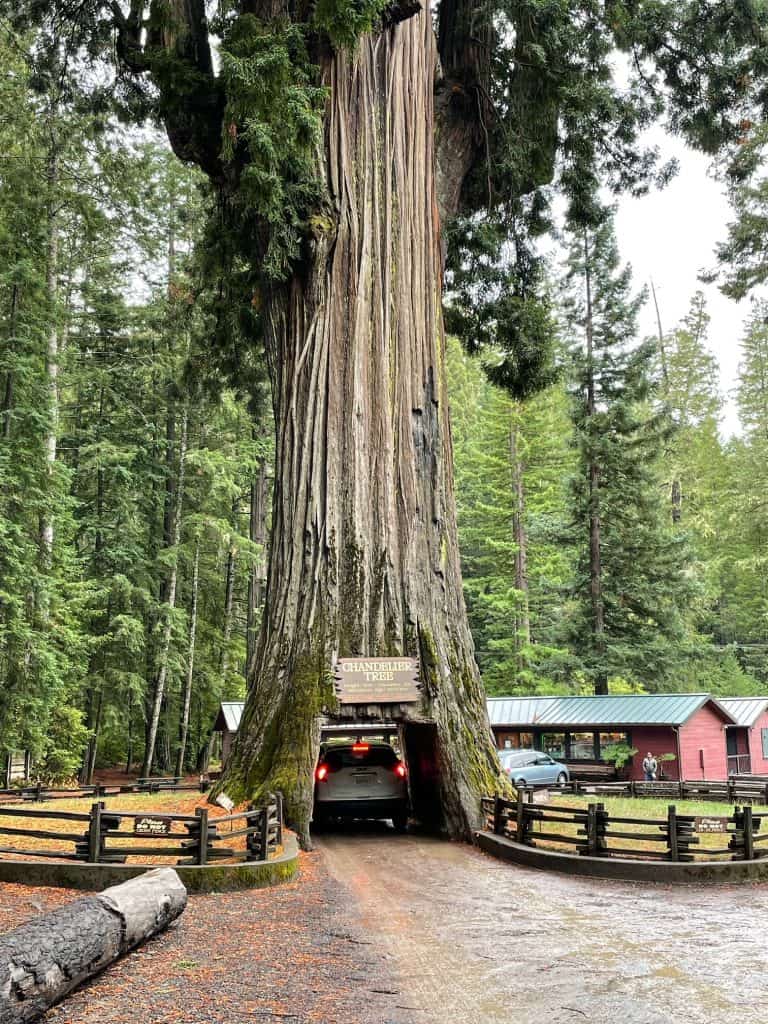
Further north, Yosemite National Park is world-renowned for its granite cliffs and waterfalls, but it also harbors three significant groves of Giant Sequoias. The largest and most accessible is Mariposa Grove near the park’s south entrance, featuring over 500 mature Giant Sequoias, including the Grizzly Giant and the California Tunnel Tree. The Tuolumne Grove and Merced Grove, located off Tioga Road, are smaller and require longer hikes, offering a more secluded experience.
Another notable location is Calaveras Big Trees State Park, east of Stockton, which protects two groves of Giant Sequoias. The North Grove is easily accessible with a well-maintained loop trail, while the South Grove offers a more strenuous, backcountry hiking experience to reach its magnificent trees. These Sierra Nevada parks provide a powerful contrast to the coastal redwoods, showcasing the adaptability and grandeur of these ancient trees in a rugged, mountainous setting.
Planning Your Redwood Adventure: Essential Travel Tips
Embarking on a journey to see California’s redwoods requires thoughtful planning to maximize your experience and ensure a respectful visit to these fragile, ancient ecosystems.
Best Time to Visit: For Coast Redwoods, the shoulder seasons (spring and fall) offer pleasant weather and fewer crowds. Summer is popular but can be busy, while winter brings more rain and fog, which can be magical but also lead to trail closures. For Giant Sequoias in the Sierra Nevada, late spring through early fall is ideal, as winter brings heavy snow that often closes roads and limits access to many groves. If you brave the winter for Giant Sequoias, be prepared for snowy conditions, potential chain requirements for your vehicle, and limited services, but you’ll be rewarded with a serene, snow-dusted wonderland.
Transportation and Accessibility: A personal vehicle is almost essential for visiting most redwood locations, especially for exploring the various groves within the larger national and state parks. Scenic drives, such as the Avenue of the Giants or the roads through Sequoia National Park, are highlights in themselves. Note that some popular areas, like Muir Woods National Monument, require advance reservations for parking or shuttle services. Always check park websites for current conditions, road closures, and reservation requirements before you go.
Accommodation and Amenities: Options range from rustic camping within the parks themselves to lodges and hotels in nearby towns. For the northern Coast Redwoods, consider staying in Eureka, Arcata, or Crescent City. Near Muir Woods National Monument, Mill Valley or Sausalito offer charming stays. For the Giant Sequoias, lodging can be found inside Sequoia National Park and Kings Canyon National Park (e.g., Wuksachi Lodge, Grant Grove Lodge), or in gateway communities like Three Rivers. Yosemite National Park also offers various lodging choices, both within and just outside the park boundaries.
What to Bring: Regardless of the season, layered clothing is advisable as temperatures can fluctuate. Sturdy hiking shoes are a must, along with water, snacks, sunscreen, insect repellent, and a camera to capture the awe-inspiring scenery. Binoculars can enhance wildlife viewing. Always remember to pack out everything you pack in, adhering strictly to “Leave No Trace” principles to preserve these magnificent natural wonders for future generations. Respect posted signs, stay on designated trails, and never disturb the trees or their surrounding environment. Your visit helps protect these ancient giants and their delicate ecosystems.
LifeOutOfTheBox is a participant in the Amazon Services LLC Associates Program, an affiliate advertising program designed to provide a means for sites to earn advertising fees by advertising and linking to Amazon.com. Amazon, the Amazon logo, AmazonSupply, and the AmazonSupply logo are trademarks of Amazon.com, Inc. or its affiliates. As an Amazon Associate we earn affiliate commissions from qualifying purchases.