
Exploring the majestic landscapes and vibrant urban centers of Colorado is an experience best savored with the freedom of personal transportation. For many tourists considering extended stays, those relocating, or even younger residents eager to immerse themselves in Colorado’s diverse offerings, obtaining a driver’s permit is a crucial first step. Understanding the intricacies of the Colorado permit test is more than just navigating bureaucracy; it’s about unlocking independent access to everything from the bustling streets of Denver to the serene trails of Rocky Mountain National Park, vital for a complete tourism experience. This guide delves into the specifics of the permit test, framing it within the broader context of enjoying Colorado to its fullest.

The Gateway to Colorado’s Wonders: Understanding the Permit Test Structure
For anyone planning to truly embrace the spirit of Colorado, from its renowned ski resorts to its burgeoning culinary scene, the ability to drive independently is often paramount. The permit test serves as the initial benchmark to ensure aspiring drivers possess a fundamental understanding of traffic laws and safe driving practices specific to the state. This knowledge is not only for personal safety but also contributes to the overall safety and flow of traffic, enhancing the visitor experience for everyone.
Decoding the Colorado Permit Test: Number of Questions and Passing Score
The permit test, officially known as the written knowledge test, is a standardized assessment administered by the Colorado Division of Motor Vehicles (DMV). Aspiring drivers must demonstrate their comprehension of Colorado traffic laws, road signs, and safe driving techniques.
- Total Questions: The Colorado permit test consists of 25 multiple-choice questions. These questions are drawn from a comprehensive pool of topics outlined in the official Colorado Driver Handbook.
- Passing Score: To successfully pass the test and move closer to obtaining a permit, applicants must correctly answer at least 20 out of 25 questions, which translates to an 80% passing rate. This threshold ensures that individuals have a solid grasp of the essential rules before being allowed to practice driving on public roads under supervision.
The content of these questions is critical for any driver, but particularly insightful for those new to Colorado. They cover scenarios relevant to Colorado’s unique driving environment, such as rules for mountain driving, navigating severe weather conditions common in the state, and specific regulations for certain types of roads or vehicles found in tourist areas. Mastering these helps new drivers not only pass the test but also drive safely and confidently while exploring Colorado’s diverse attractions.
Beyond the Numbers: What the Questions Cover
The 25 questions on the Colorado permit test are strategically designed to assess a broad spectrum of driving knowledge. They typically fall into several key categories:
- Traffic Laws and Regulations: This includes right-of-way rules, speed limits (which can vary significantly between urban, rural, and mountainous areas), passing regulations, turning signals, and laws concerning impaired driving. Understanding these is fundamental for navigating any city, including Colorado’s major hubs like Colorado Springs or Fort Collins.
- Road Signs and Markings: Identification and interpretation of various regulatory, warning, and guide signs are crucial. Colorado’s varied terrain means encountering signs related to steep grades, wildlife crossings, and specific recreation areas.
- Safe Driving Practices: Questions often cover defensive driving techniques, managing adverse weather conditions (snow, ice, heavy rain, fog), handling emergencies, and sharing the road with pedestrians, cyclists, and motorcycles—all common sights, especially in tourist-heavy locations and outdoor activity zones.
- Vehicle Operation and Equipment: Basic knowledge about vehicle controls, safety equipment like seatbelts, and proper maintenance procedures (e.g., tire pressure, headlights) might also be included.
For a tourist planning to rent a car or someone moving to Colorado and planning on buying one, familiarizing oneself with these topics through the lens of Colorado’s specific context ensures a smoother, safer, and ultimately more enjoyable exploration of the state.
Preparing for the Permit Test: Essential Tips for Tourists and New Residents
Preparation is key to successfully passing the Colorado permit test. For those unfamiliar with Colorado’s unique driving environment, a focused approach can make all the difference, transforming a potential hurdle into a clear path towards independent exploration.
The Indispensable Colorado Driver Handbook
The primary resource for permit test preparation is the official Colorado Driver Handbook. This comprehensive guide is available online through the Colorado DMV website and at DMV offices. It covers all the information from which test questions are derived, providing detailed explanations of laws, signs, and safe driving practices.
- Focus on Colorado-Specific Rules: While many driving laws are universal, pay close attention to sections that detail Colorado’s distinct regulations. These include specific rules regarding driving in mountainous terrain, chain laws during winter, and laws related to cannabis consumption and driving (which might differ from other states or countries).
- Study Road Signs Diligently: Memorize the appearance and meaning of all standard road signs, especially those that provide warnings about natural features or specific driving conditions common in Colorado.
Leveraging Practice Tests
Numerous online practice tests are available, many mirroring the format and content of the actual Colorado permit test. These are invaluable tools for several reasons:
- Familiarization: Practice tests help you become comfortable with the multiple-choice format and the types of questions asked.
- Identification of Weak Areas: By repeatedly taking practice tests, you can identify areas where your knowledge is lacking and focus your study efforts accordingly.
- Building Confidence: Consistently scoring well on practice tests can boost your confidence, reducing test-day anxiety.
Many third-party websites offer free practice tests that closely simulate the real experience, making them an excellent complement to studying the handbook.
Beyond the Book: Understanding Colorado’s Driving Culture

While the permit test focuses on laws and rules, a true understanding of Colorado’s driving environment goes deeper. For tourists and new residents, grasping the nuances of local driving culture can significantly enhance safety and enjoyment.
- Altitude and Performance: Driving at high altitudes, common in many parts of Colorado, can affect both vehicle performance and driver alertness. Be aware of how your car handles and how your body reacts to thinner air.
- Weather Extremes: Colorado weather can change rapidly and dramatically, particularly in the mountains. Be prepared for snow, ice, heavy rain, and even hail, often within a single day. Familiarize yourself with how to drive in such conditions and ensure your vehicle is equipped (e.g., proper tires).
- Wildlife: Wildlife encounters are common, especially in rural and mountainous areas. Knowing how to react to deer, elk, and other animals on the road is crucial.
- Outdoor Enthusiast Traffic: Colorado attracts many outdoor enthusiasts. Expect to share the road with cyclists, hikers, and vehicles carrying outdoor gear like kayaks, bikes, and skis. Patience and awareness are key.
Integrating these cultural and environmental considerations into your preparation makes the permit test knowledge more practical and applicable, ensuring you’re not just passing a test but preparing for real-world driving experiences in Colorado.
The Permit Test and Colorado Tourism: Unlocking Independent Exploration
Obtaining a Colorado driver’s permit is more than just a legal requirement; it’s a foundational step that significantly enhances one’s ability to engage with and benefit from the state’s vast tourism offerings. For many, public transportation, while available in major cities, simply doesn’t offer the flexibility required to truly explore the breadth of what Colorado has to offer.
Access to Remote Attractions and Outdoor Adventures
Colorado is world-renowned for its natural beauty and outdoor recreation opportunities. Many of the most breathtaking national parks, wilderness areas, ski resorts, and hiking trails are not easily accessible via public transport.
- National Parks: Places like Rocky Mountain National Park, Mesa Verde National Park, and Great Sand Dunes National Park and Preserve are best experienced with the freedom of a personal vehicle. A permit, and subsequently a driver’s license, allows individuals to drive scenic byways, stop at overlooks, and access trailheads at their own pace.
- Ski Resorts: Major destinations like Aspen, Vail, and Breckenridge are typically reached by driving through mountain passes. While shuttle services exist, having a permit and the ability to drive provides unmatched flexibility for hitting the slopes early or exploring nearby towns.
- Camping and Hiking: Many of Colorado’s best camping spots and hiking trails are located off main roads, requiring personal transport to reach.
For tourists who envision a trip beyond the confines of urban centers, passing the permit test and progressing to a full license is an investment in unparalleled freedom and adventure.
Experiencing Local Culture and Culinary Delights
While major cities like Denver and Boulder offer vibrant urban experiences, much of Colorado’s unique culture and culinary scene is found in its smaller towns and rural communities.
- Historic Mining Towns: Towns like Leadville, Ouray, and Telluride offer a glimpse into Colorado’s rich mining history, complete with distinctive architecture, local museums, and charming main streets. These are often best reached by scenic drives that reveal the state’s dramatic topography.
- Farm-to-Table Experiences: Colorado’s agricultural areas, particularly the Western Slope and parts of the Eastern Plains, boast incredible farm-to-table restaurants, local breweries, and wineries. Driving allows for exploration of these regional culinary gems, often situated in picturesque settings.
- Festivals and Events: Throughout the year, Colorado hosts numerous local festivals celebrating everything from wildflowers to jazz music. Many of these events take place in smaller communities that are most conveniently accessed by car.
The ability to drive enables a deeper dive into Colorado’s authenticity, allowing visitors and residents to move beyond the well-trodden tourist paths and discover hidden gems, supporting local economies in the process.
The Process After Passing: From Permit to Full Colorado Driver’s License
Successfully passing the 25-question permit test is a significant milestone, but it’s just the beginning of the journey towards full driving independence in Colorado. Understanding the subsequent steps is crucial for anyone planning to stay and drive in the state.
The Graduated Driver Licensing (GDL) Program
Colorado operates under a Graduated Driver Licensing (GDL) program for new drivers under the age of 21, designed to introduce driving privileges incrementally.
- Instruction Permit Phase: After passing the written knowledge test and vision screening, applicants receive an instruction permit. During this phase, driving is only permitted with a licensed driver who is at least 21 years old in the passenger seat. This period is essential for accumulating supervised driving experience, typically requiring 50 hours of behind-the-wheel practice, including 10 hours at night, before moving to the next stage. This supervised practice is an excellent opportunity to familiarize oneself with Colorado’s varied roads and driving conditions under the guidance of an experienced driver.
- Minor Driver’s License (Provisional License): After holding the instruction permit for at least 12 months, completing the supervised driving hours, and passing a driving skills test, drivers between 16 and 21 years old become eligible for a Minor Driver’s License. This provisional license comes with certain restrictions, such as limits on the number of passengers and nighttime driving curfews, which gradually ease over time.
- Full Driver’s License: Upon reaching the age of 21 (or meeting specific requirements for those under 21), and after a period of responsible driving with the provisional license, drivers can apply for a full, unrestricted Colorado driver’s license.
For those over 21, the process is streamlined; after obtaining the instruction permit, they can take the driving skills test once they feel prepared, bypassing the GDL restrictions on passenger limits and night driving. However, practical driving experience is still highly recommended to build confidence and competence, particularly for navigating Colorado’s unique terrain and weather challenges.
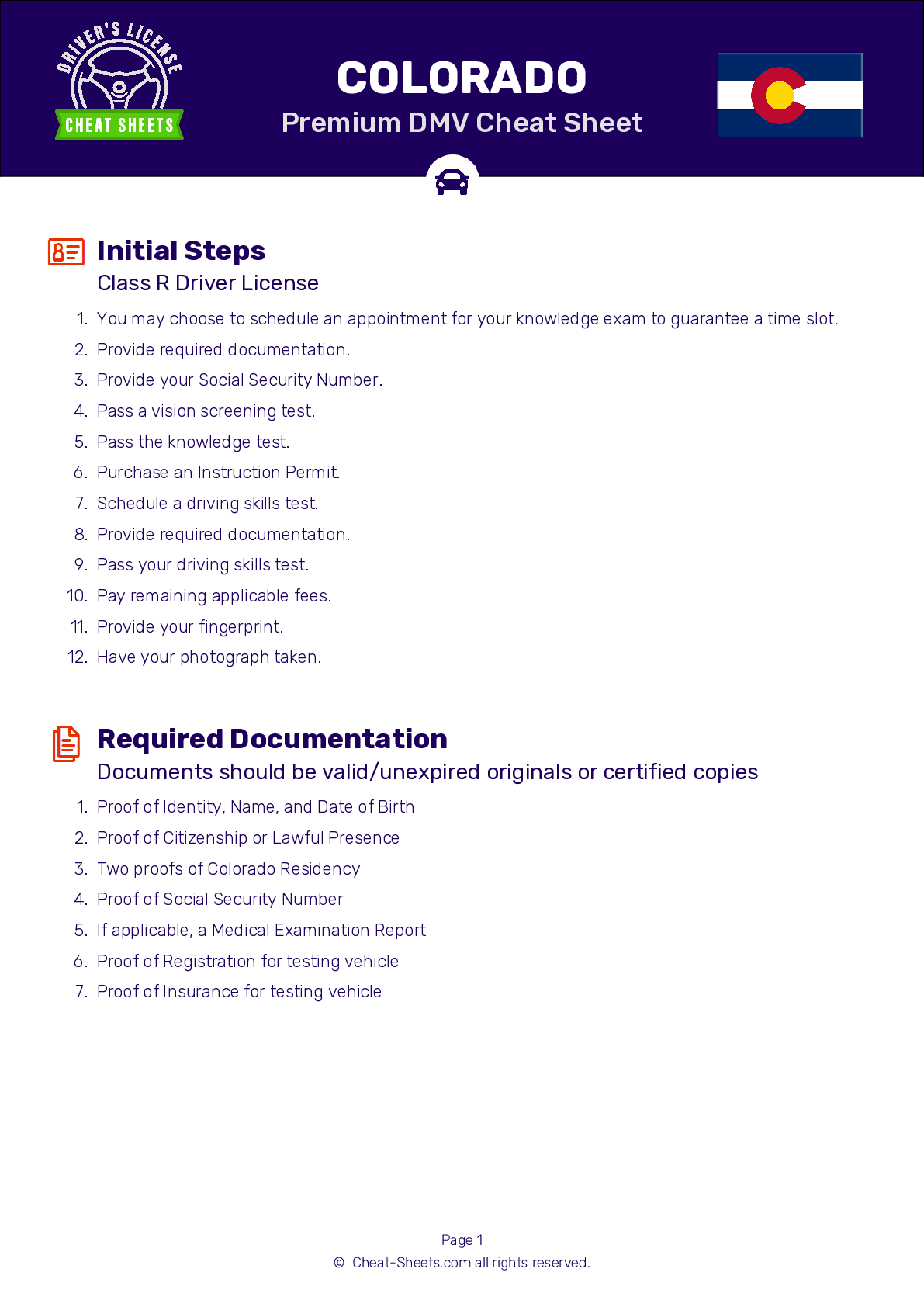
Documents and Fees
Throughout the permit and licensing process, applicants will need to provide various identification documents (proof of identity, legal presence, Colorado residency, and Social Security number) and pay associated fees to the Colorado DMV. It’s advisable to check the official DMV website for the most current requirements and fee schedules to avoid delays. For individuals coming from out of state or internationally, understanding the specific documentation required for new residents is particularly important.
By successfully navigating the permit test and the subsequent licensing stages, individuals are not merely acquiring a legal document; they are gaining a passport to truly experience and interact with the dynamic and diverse tourism landscape of Colorado. From breathtaking scenic drives through the San Juan Mountains to spontaneous visits to local breweries in smaller towns, the freedom of driving transforms a visit into an immersive exploration.
LifeOutOfTheBox is a participant in the Amazon Services LLC Associates Program, an affiliate advertising program designed to provide a means for sites to earn advertising fees by advertising and linking to Amazon.com. Amazon, the Amazon logo, AmazonSupply, and the AmazonSupply logo are trademarks of Amazon.com, Inc. or its affiliates. As an Amazon Associate we earn affiliate commissions from qualifying purchases.