
Maine, a state renowned for its rugged coastline, charming lighthouses, and a burgeoning spirit of artisanal craftsmanship, also harbors a less-publicized but equally significant sector: its clothing manufacturing industry. While perhaps not as globally recognized as the fashion hubs of New York or Paris, Maine’s contribution to the textile and apparel world is steeped in a history of quality, innovation, and a commitment to local production. From heritage brands to modern enterprises, exploring clothing manufacturing in Maine offers a fascinating glimpse into a niche that blends tradition with contemporary enterprise.
A Legacy of Textiles in the Pine Tree State
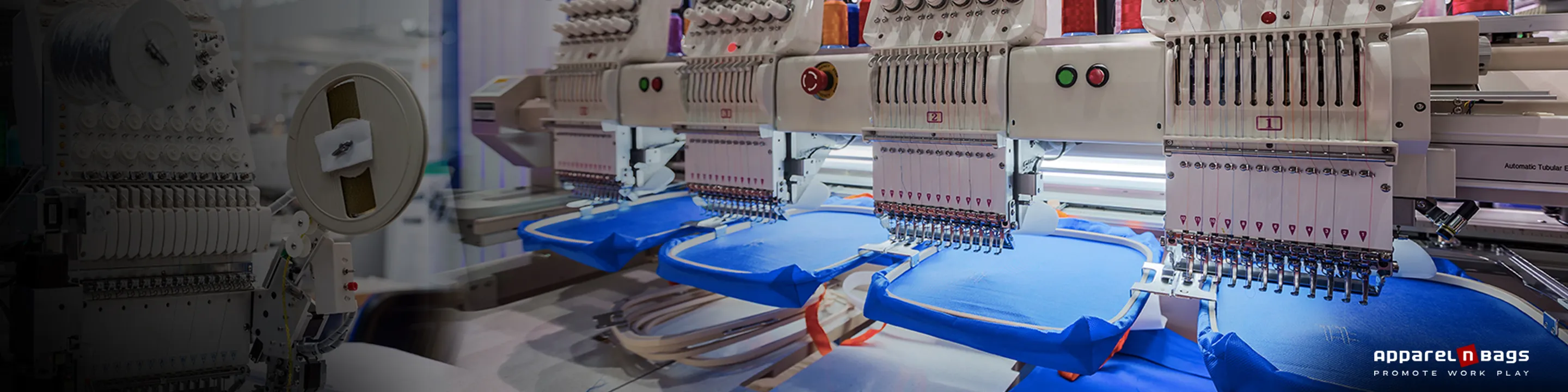
The roots of clothing manufacturing in Maine run deep, intertwined with the state’s industrial past. Historically, textile mills were a significant economic driver, capitalizing on the abundant natural resources and the availability of a skilled workforce. These mills often produced fabrics, yarns, and finished garments that clothed generations. While many of these large-scale operations have since transitioned or closed, their legacy has paved the way for a more specialized and agile form of manufacturing.
The Shifting Landscape of Production
The decline of mass production in the United States, including Maine, led to a period of introspection and adaptation for its textile sector. Instead of competing solely on volume, manufacturers in Maine began to pivot towards niches that emphasized quality, durability, and unique design. This shift allowed for the preservation of essential skills and the development of new ones, catering to a market increasingly interested in ethically produced and high-quality goods. The focus moved from quantity to craftsmanship, from generic to specialized.
Preserving Traditional Skills
Many contemporary clothing manufacturers in Maine pride themselves on maintaining traditional techniques. This includes meticulous pattern making, precise cutting, and expert sewing, often passed down through generations of skilled artisans. These are not skills easily replicated by automation and are crucial in producing garments that are built to last. The emphasis is on the enduring quality that comes from human touch and expertise.
Modern Maine Manufacturers: A Tapestry of Innovation and Tradition
Today, Maine is home to a diverse range of clothing manufacturers, each contributing to the state’s unique manufacturing identity. These businesses often leverage their local roots, drawing inspiration from the surrounding environment and the resilient spirit of the state. They represent a blend of established names and emerging brands, all united by a commitment to quality and often, to sustainable practices.
Heritage Brands and Their Enduring Appeal
Several iconic brands have their origins or significant manufacturing presence in Maine, continuing a tradition of producing durable and functional apparel. These companies often started with specific needs in mind, such as workwear or outdoor gear, and have maintained their commitment to those core values. Their enduring appeal lies in their authenticity, the quality of their materials, and their timeless designs that resonate with consumers seeking dependable clothing.
- L.L.Bean: Perhaps the most globally recognized name with deep ties to Maine, L.L.Bean has been a stalwart of American outdoor apparel and gear since its founding in 1912 in Freeport. While their manufacturing processes have evolved, a significant portion of their iconic products, such as their legendary Bean Boots, are still proudly made in Maine. This commitment to local production has been a cornerstone of their brand identity, ensuring a level of quality and a connection to their heritage. Their manufacturing facilities in Freeport are a testament to the enduring capability of Maine to produce high-quality goods. The company’s influence extends beyond just apparel, encompassing a lifestyle that celebrates the outdoors and the values of durability and reliability.
- W.F. Shaw: While perhaps less widely known than L.L.Bean, W.F. Shaw represents another facet of Maine’s manufacturing heritage, often focusing on specialized and high-quality apparel. Companies like this, though sometimes smaller in scale, are crucial in maintaining the ecosystem of skilled labor and specialized knowledge within the state. They often serve niche markets that value the meticulous craftsmanship and the story behind their garments.
Emerging Artisans and Specialized Production
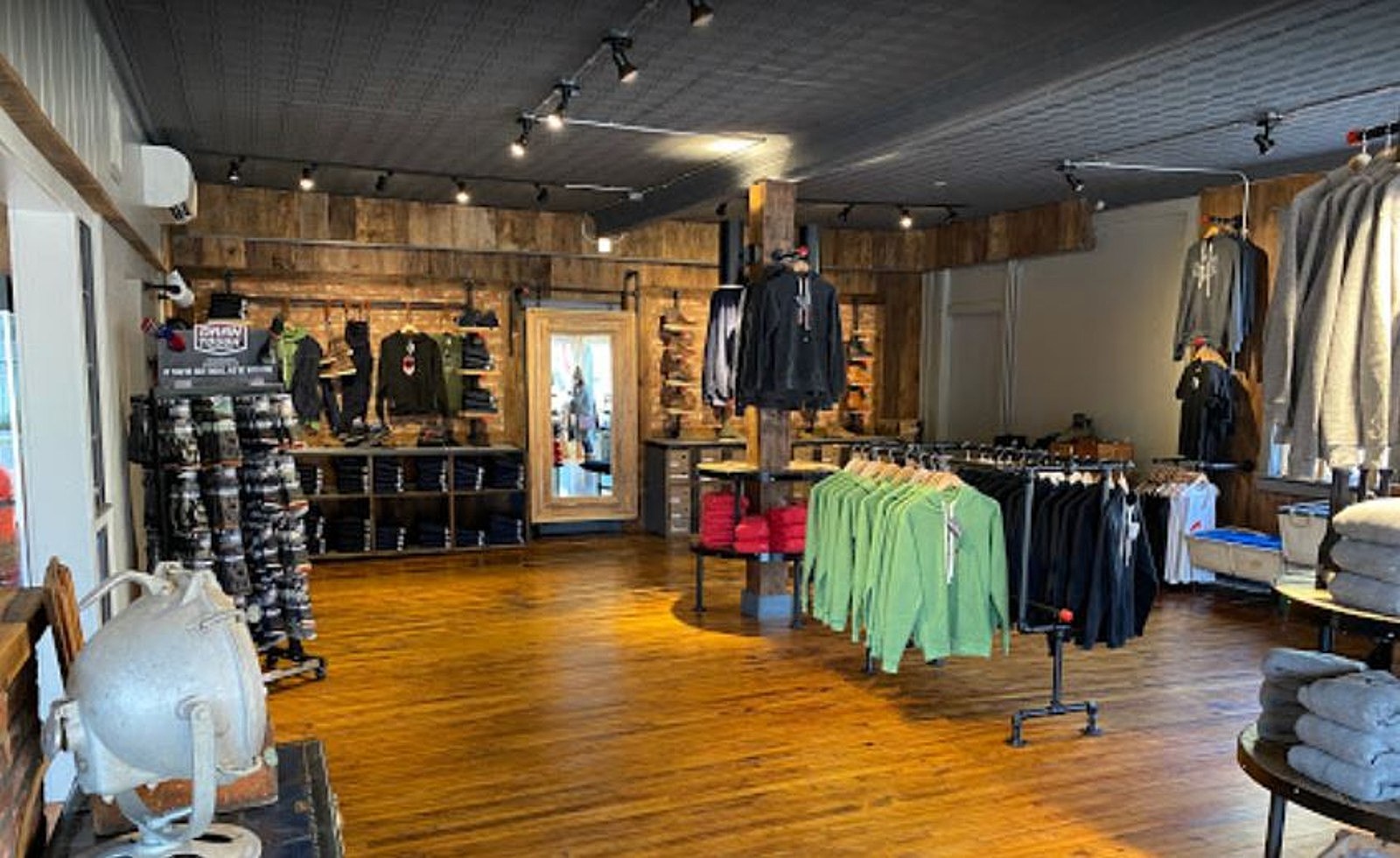
Beyond the established names, a new wave of clothing manufacturers is emerging in Maine, driven by independent designers and entrepreneurs. These businesses often focus on smaller production runs, handcrafted items, and unique designs that cater to a discerning clientele. They frequently emphasize sustainable sourcing, ethical labor practices, and a strong connection to the local community.
- Handcrafted Footwear: Maine’s expertise in bootmaking, epitomized by L.L.Bean, has inspired a broader interest in handcrafted footwear. Several smaller workshops and studios are now producing bespoke or small-batch shoes and boots, utilizing traditional techniques and premium materials. These artisans are reviving and innovating within a craft that has long been associated with the state’s industrial past, offering alternatives to mass-produced footwear.
- Bespoke Apparel and Accessories: From custom-tailored garments to artisanal leather goods and knitwear, a vibrant community of designers and manufacturers are creating unique pieces in Maine. These enterprises often operate on a made-to-order basis, minimizing waste and ensuring that each item receives individual attention. Their focus is on creating pieces that are not only functional but also possess an artistic quality and a personal story.
- Sustainable and Eco-Conscious Brands: Many of Maine’s newer clothing manufacturers are deeply committed to sustainability. This can manifest in various ways, including the use of recycled materials, organic fabrics, low-impact dyeing processes, and a strong emphasis on reducing their environmental footprint. This aligns with a growing consumer demand for clothing that is both stylish and environmentally responsible.
The Economic and Cultural Impact of Clothing Manufacturing in Maine
The presence of a robust clothing manufacturing sector in Maine has significant economic and cultural implications for the state. It provides skilled employment, fosters entrepreneurship, and contributes to a distinct regional identity.
Job Creation and Skill Development
Clothing manufacturing, even in its more specialized modern form, requires skilled labor. Pattern makers, cutters, sewers, quality control specialists, and production managers are all essential roles. By supporting these industries, Maine sustains and develops a workforce with highly sought-after technical abilities. This not only provides stable employment but also cultivates a culture of craftsmanship that can be passed down.
Supporting the Local Economy
Clothing manufacturers in Maine often source materials locally when possible and engage with other local businesses for services. This creates a ripple effect, strengthening the broader economic ecosystem of the state. Furthermore, companies that produce high-quality, durable goods contribute to a perception of Maine as a place where things are made well and built to last, which can enhance the state’s overall economic appeal.
Preserving a Piece of American Manufacturing History
The continued existence and growth of clothing manufacturing in Maine is a testament to the resilience and adaptability of American industry. It signifies a commitment to keeping valuable production skills alive within the United States, rather than solely relying on overseas manufacturing. This offers consumers a tangible connection to the provenance of their clothing and supports a more transparent and ethical supply chain.
Navigating the Maine Clothing Manufacturing Landscape
For those interested in exploring or engaging with clothing manufacturing in Maine, there are several avenues to consider. Understanding the types of products being made and the values driving these businesses can enhance appreciation for this often-overlooked sector.
Visiting Manufacturing Sites and Retail Locations
While not all manufacturing facilities are open to the public for tours, many brands have retail stores where visitors can see and purchase their products. Visiting these locations can offer insights into the brand’s ethos and the quality of their craftsmanship. In some cases, it might be possible to arrange visits to workshops or studios, particularly for smaller, artisanal operations.
Supporting Local Brands and Artisans
The most direct way to support Maine’s clothing manufacturing industry is by purchasing products from local brands and artisans. This conscious consumer choice directly contributes to the viability of these businesses, enabling them to continue their work and invest in their communities. Whether it’s a pair of durable boots, a hand-knitted sweater, or a well-crafted jacket, choosing Maine-made supports a valuable part of the state’s economy and heritage.
Understanding the “Made in Maine” Distinction
The label “Made in Maine” signifies more than just a geographic origin; it represents a commitment to quality, craftsmanship, and often, ethical production practices. It’s an assurance that the garment has been created with care, attention to detail, and a connection to the rich industrial and artisanal history of the Pine Tree State. By seeking out these products, consumers are not just buying an item of clothing but also investing in a legacy and supporting a vital part of Maine’s economic and cultural fabric. The continued success of these manufacturers is a bright spot in the narrative of American-made goods, proving that quality and tradition can thrive in the modern era.
LifeOutOfTheBox is a participant in the Amazon Services LLC Associates Program, an affiliate advertising program designed to provide a means for sites to earn advertising fees by advertising and linking to Amazon.com. Amazon, the Amazon logo, AmazonSupply, and the AmazonSupply logo are trademarks of Amazon.com, Inc. or its affiliates. As an Amazon Associate we earn affiliate commissions from qualifying purchases.