
Understanding the Financial Landscape of a Colorado Lifestyle
For many, the dream of a Colorado lifestyle is synonymous with crisp mountain air, endless outdoor adventures, vibrant city culture, and a profound connection to nature. Whether envisioning a permanent move to cities like Denver or Boulder, securing a vacation home in a scenic mountain town, or investing in the state’s thriving real estate market, establishing roots in Colorado offers an unparalleled quality of life. However, transitioning to or investing in this sought-after lifestyle involves more than just selecting the perfect property; it necessitates a thorough understanding of the financial commitments involved, particularly the often-overlooked aspect of closing costs.
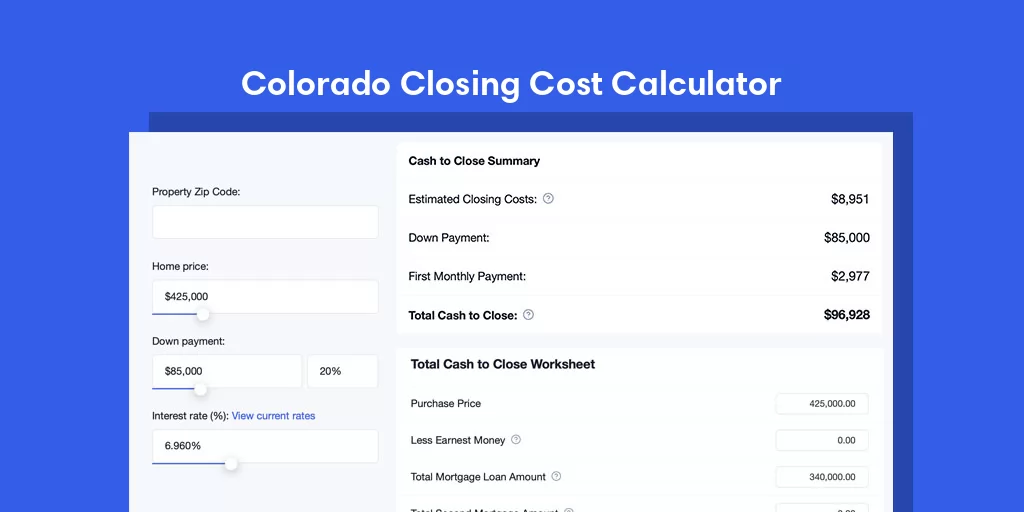
Closing costs are an essential component of any real estate transaction, representing the various fees charged by lenders, third-party service providers, and governmental entities to finalize a property purchase. For those budgeting for their Colorado dream home, failing to account for these expenses can lead to significant financial strain and an unexpected hurdle to their lifestyle goals. These costs are not a one-size-fits-all figure; they vary based on the loan amount, location within the state, type of property, and specific services required. A prudent approach to budgeting for a Colorado lifestyle involves estimating these costs accurately to ensure a smooth, financially sound transition into homeownership.
Deconstructing Colorado Closing Costs: What to Expect
When preparing to purchase a home in Colorado, buyers can generally expect closing costs to range from 2% to 5% of the loan amount, though this can fluctuate. This percentage covers a diverse array of fees that fall into several categories. Understanding each component is crucial for budgeting effectively and negotiating shrewdly.
Common Categories of Closing Costs
-
Lender Fees: These are charges from your mortgage lender for processing your loan. They can include:
- Loan Origination Fee: A charge for processing your loan application, typically 0.5% to 1% of the loan amount.
- Underwriting Fee: Covers the cost of evaluating and approving your loan.
- Appraisal Fee: Pays for a professional assessment of the property’s value to ensure it matches the loan amount.
- Credit Report Fee: The cost of pulling your credit history.
- Flood Certification Fee: Determines if the property is in a flood zone, requiring flood insurance.
- Tax Service Fee: Ensures property taxes are paid on time.
-
Title and Escrow Fees: These fees relate to the legal ownership of the property and the secure handling of funds.
- Title Search Fee: Ensures there are no liens or claims against the property’s title.
- Lender’s Title Insurance: Protects the lender if there’s a problem with the title.
- Owner’s Title Insurance: (Optional but highly recommended for buyers) Protects the homeowner against title disputes.
- Escrow Fees (or Closing Fee): Paid to the escrow or closing agent for managing the transaction, paperwork, and funds.
-
Government Recording Fees and Taxes: These are charges by local government to legally record your ownership and mortgage.
- Recording Fees: Paid to the county for officially recording the deed and mortgage.
- Transfer Taxes: Colorado does not have a statewide real estate transfer tax, but some local jurisdictions or special districts might impose minor fees. For example, certain resort areas may have local transfer taxes or impact fees.
-
Prepaid Costs: These are expenses that you pay in advance, typically for items that will recur over time.
- Property Taxes: Buyers typically prepay a portion of the annual property taxes, covering the period from the closing date to the next tax installment.
- Homeowner’s Insurance Premium: The first year’s premium is often paid at closing.
- Homeowner Association (HOA) Dues: If applicable, a portion of HOA dues might be required upfront.
-
Other Fees: Depending on the specific circumstances and location, additional fees may include:
- Survey Fee: For a professional survey of the property boundaries.
- Attorney Fees: While not mandatory in Colorado for real estate transactions, some buyers opt for legal representation, incurring attorney fees.
- Pest Inspection Fee: To check for termites or other pest infestations.
- Home Inspection Fee: A crucial step to assess the property’s condition, though typically paid directly to the inspector outside of the official closing process.

Colorado Specifics and Market Nuances
While the general categories of closing costs are consistent nationwide, Colorado does present certain nuances. The state’s unique property tax system, for instance, is based on an assessment rate that is significantly lower for residential properties than commercial ones, potentially affecting prepaid tax amounts. Furthermore, the robust real estate markets in various parts of Colorado—from the competitive urban sprawl of the Denver metro area to the luxury ski resorts of Summit County or the more suburban landscapes of El Paso County—can influence negotiation dynamics. In a seller’s market, buyers may find it harder to secure seller concessions on closing costs, whereas in a softer market, there might be more room for negotiation. Additionally, certain rural properties may involve water rights or mineral rights considerations, which could entail additional legal or inspection fees.
Strategies for Managing Closing Costs in Your Colorado Home Purchase
Navigating the array of closing costs effectively is a vital step in realizing your Colorado lifestyle dream without financial surprises. Proactive strategies can significantly reduce the burden and make homeownership more accessible.
Negotiation and Seller Concessions
One of the most direct ways to reduce out-of-pocket closing costs is through negotiation with the seller. In some market conditions, sellers may agree to pay a portion of the buyer’s closing costs as a concession. This is often contingent on the strength of the market, the demand for the property, and the overall purchase agreement. For example, if you are purchasing a property in a less competitive market, your real estate agent might be able to negotiate a 1-3% seller credit towards your closing costs. However, in Colorado’s often hot real estate markets, especially in popular areas like Denver or Boulder, seller concessions can be difficult to obtain.
Lender Shopping
Different lenders offer varying rates and fees for their services. It is highly recommended to shop around and get Loan Estimates from multiple lenders. This allows you to compare origination fees, interest rates, and other lender-specific charges. Even a slight difference in fees can translate to hundreds or thousands of dollars in savings. Remember that a “no-closing-cost loan” typically means the lender rolls those fees into a higher interest rate, increasing your monthly payments over the life of the loan. While this reduces upfront costs, it increases the total cost of the loan over time, which might not align with long-term financial lifestyle planning.
Understanding Loan Estimate and Closing Disclosure
The Loan Estimate (LE) and Closing Disclosure (CD) are critical documents provided by your lender. The LE details your estimated closing costs within three business days of applying for a loan. The CD, provided at least three business days before closing, lists the final costs. Thoroughly review these documents for any discrepancies or unexpected fees. This careful review empowers you to question charges and ensure transparency, protecting your financial well-being as you secure your Colorado home.
Timing Your Closing
The timing of your closing date within the month can impact prepaid interest and property taxes. For instance, if you close at the end of the month, you’ll pay less prepaid interest at closing than if you close at the beginning of the month. While this doesn’t reduce the total interest paid over the life of the loan, it does affect the immediate cash outlay at closing.

The Long-Term Lifestyle Investment: Beyond Closing Costs
While closing costs can seem like a daunting immediate expense, viewing them within the broader context of your long-term Colorado lifestyle investment is crucial. Purchasing a home in [Colorado](https://lifeoutofthebox.com/colorado] is more than just a transaction; it’s an investment in a certain way of life—a commitment to stunning natural beauty, outdoor recreation, and vibrant communities.
The initial outlay for closing costs contributes to securing an asset that, over time, can appreciate in value, build equity, and provide stability. It’s a foundational step towards integrating into a Colorado community, whether you’re seeking the urban amenities of Denver, the intellectual vibrancy of Boulder, or the serene mountain living found in places like Summit County. Beyond the financial gains, homeownership offers a sense of belonging and permanence, allowing you to fully immerse yourself in the unique Colorado culture.
Ultimately, preparing for closing costs is an integral part of responsible financial planning for anyone pursuing the enriching lifestyle that Colorado offers. By understanding these fees, exploring avenues for reduction, and diligently reviewing all documentation, you can ensure a smooth transition into your new home, allowing you to focus on enjoying the breathtaking landscapes and unparalleled experiences that await in the Centennial State. Your financial diligence today paves the way for a fulfilling Colorado lifestyle for years to come.
LifeOutOfTheBox is a participant in the Amazon Services LLC Associates Program, an affiliate advertising program designed to provide a means for sites to earn advertising fees by advertising and linking to Amazon.com. Amazon, the Amazon logo, AmazonSupply, and the AmazonSupply logo are trademarks of Amazon.com, Inc. or its affiliates. As an Amazon Associate we earn affiliate commissions from qualifying purchases.