
Navigating the complex landscape of car insurance in Texas can be a daunting task, especially when seeking the most affordable options. The Lone Star State boasts a unique set of regulations and a diverse population, all contributing to a dynamic insurance market. While cost is a primary concern for many drivers, it’s crucial to balance affordability with adequate coverage to ensure financial protection in the event of an accident. This guide aims to demystify the pursuit of cheap car insurance in Texas, exploring the factors that influence premiums and highlighting strategies to secure the best rates without compromising on essential protection.
Understanding the Factors Influencing Car Insurance Premiums in Texas
Several key elements contribute to the overall cost of car insurance in Texas. Insurers meticulously analyze these factors to assess risk and determine the appropriate premium for each policyholder. Understanding these drivers can empower drivers to make informed decisions and potentially lower their insurance expenses.
Driver Demographics and Driving History
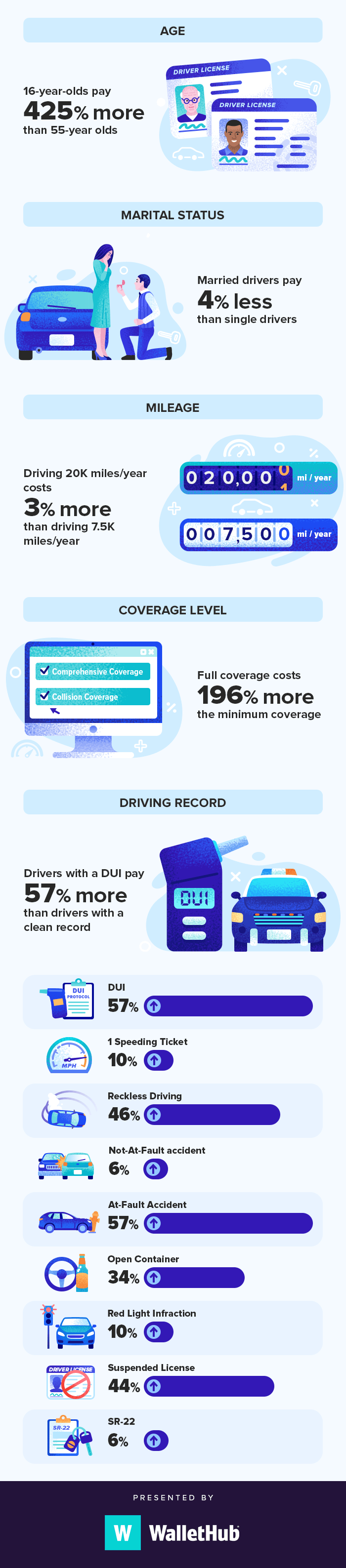
The individual driver’s profile plays a significant role in premium calculations. Age, gender, and marital status are often considered. Younger, less experienced drivers, for instance, typically face higher premiums due to a statistically higher likelihood of accidents. Conversely, experienced, married drivers might benefit from lower rates.
Perhaps the most impactful factor is a driver’s history. A clean driving record, free from accidents, speeding tickets, and other traffic violations, is a strong indicator of lower risk and will almost invariably result in more affordable insurance. Conversely, a history of moving violations or at-fault accidents will significantly drive up premiums. Insurers in Texas, like elsewhere, use this data to gauge future risk.
Vehicle Information
The type of vehicle you drive is another critical component of your insurance premium. The make, model, year, and safety features of your car all influence its insurability and cost.
- Vehicle Value and Repair Costs: High-value vehicles or those with expensive parts that are costly to repair will naturally command higher insurance premiums. For example, insuring a luxury sedan might be more expensive than insuring a practical compact car.
- Safety Features: Vehicles equipped with advanced safety features such as anti-lock brakes, airbags, and anti-theft devices can sometimes lead to lower premiums, as these features can reduce the likelihood of accidents or theft.
- Theft Rates: Cars with a history of high theft rates in specific regions may also experience higher insurance costs.
Location and Coverage Needs
Where you live in Texas and the types of coverage you select are pivotal in determining your insurance costs.
- Geographic Location: Insurance rates can vary significantly by ZIP code within Texas. Densely populated urban areas, such as Houston or Dallas, often have higher premiums due to increased traffic congestion, a higher incidence of theft, and a greater number of accident claims compared to rural areas.
- Coverage Types and Limits: Texas law mandates minimum liability coverage requirements. However, opting for higher liability limits, comprehensive, collision, uninsured/underinsured motorist coverage, and optional add-ons will naturally increase your premium. The more protection you seek, the more you will generally pay.
Credit Score (in some states, but not Texas for private passenger auto insurance)
It’s important to note that Texas law prohibits insurance companies from using credit scores to determine private passenger auto insurance rates. This is a significant consumer protection measure that distinguishes Texas from many other states. While credit scores are a factor in many states, Texas drivers can rest assured that this element will not directly impact their car insurance premiums.
Strategies for Finding Affordable Car Insurance in Texas
Securing the cheapest car insurance in Texas requires a proactive approach and a willingness to explore various avenues. Beyond simply understanding what influences rates, implementing smart strategies can lead to substantial savings.
Shopping Around and Comparing Quotes
The most effective way to find cheap car insurance is to actively compare quotes from multiple insurance providers. Prices can vary dramatically between companies for the exact same coverage.
- Online Comparison Tools: Utilize online insurance comparison websites to quickly gather quotes from a wide range of insurers. These platforms can streamline the process and present numerous options side-by-side.
- Independent Agents: Consider working with an independent insurance agent who represents several different insurance companies. They can leverage their expertise to find policies that best fit your needs and budget.
- Direct Insurers: Contacting insurance companies directly, especially those that operate online or through call centers, can also yield competitive rates.
Maximizing Discounts
Insurance companies offer a variety of discounts that can significantly reduce your overall premium. Diligently inquiring about and applying for all applicable discounts is a crucial step in lowering your costs.
- Multi-Policy Discount: Bundling your auto insurance with other insurance policies, such as homeowners or renters insurance, with the same provider often results in substantial savings.
- Good Driver Discount: Maintaining a clean driving record for a specified period is a common way to earn a discount.
- Good Student Discount: For young drivers, maintaining a good academic record can qualify for a discount.
- Defensive Driving Course Discount: Completing an approved defensive driving course can sometimes lead to a discount and may also help clear minor traffic violations.
- Vehicle Safety Features Discount: As mentioned earlier, vehicles equipped with certain safety features may qualify for a discount.
- Low Mileage Discount: If you drive fewer miles annually, you may be eligible for a discount.
- Anti-Theft Device Discount: Installing approved anti-theft devices can also lead to savings.
- New Car Discount: Some insurers offer discounts for insuring newer vehicles.
Adjusting Coverage Levels
While it’s essential to maintain adequate coverage, re-evaluating your needs and potentially adjusting your coverage levels can lead to savings.
- Higher Deductibles: Increasing your deductible (the amount you pay out-of-pocket before insurance kicks in) for comprehensive and collision coverage will generally lower your premium. However, ensure you can afford the higher deductible in case of a claim.
- Dropping Unnecessary Coverage: For older vehicles with a low market value, the cost of comprehensive and collision coverage might outweigh the potential payout. Consider dropping these coverages if the car’s value is significantly less than the cost of the insurance.
- Reviewing Liability Limits: While maintaining sufficient liability coverage is crucial, ensure you’re not over-insured if your assets are minimal. However, it’s always wise to consult with an insurance professional to determine appropriate liability limits for your specific situation.
Minimum Insurance Requirements in Texas
Texas law mandates that all drivers carry a minimum amount of liability insurance to legally operate a vehicle. This is often referred to as “30/60/25” coverage.
- $30,000 of bodily injury liability per person.
- $60,000 of bodily injury liability per accident.
- $25,000 of property damage liability per accident.
While these are the minimum requirements, many drivers opt for higher coverage limits to ensure they are adequately protected against potentially devastating financial losses resulting from a serious accident. Driving without the required insurance can lead to significant penalties, including fines, license suspension, and even jail time.
Cheapest Car Insurance Providers in Texas (General Trends)
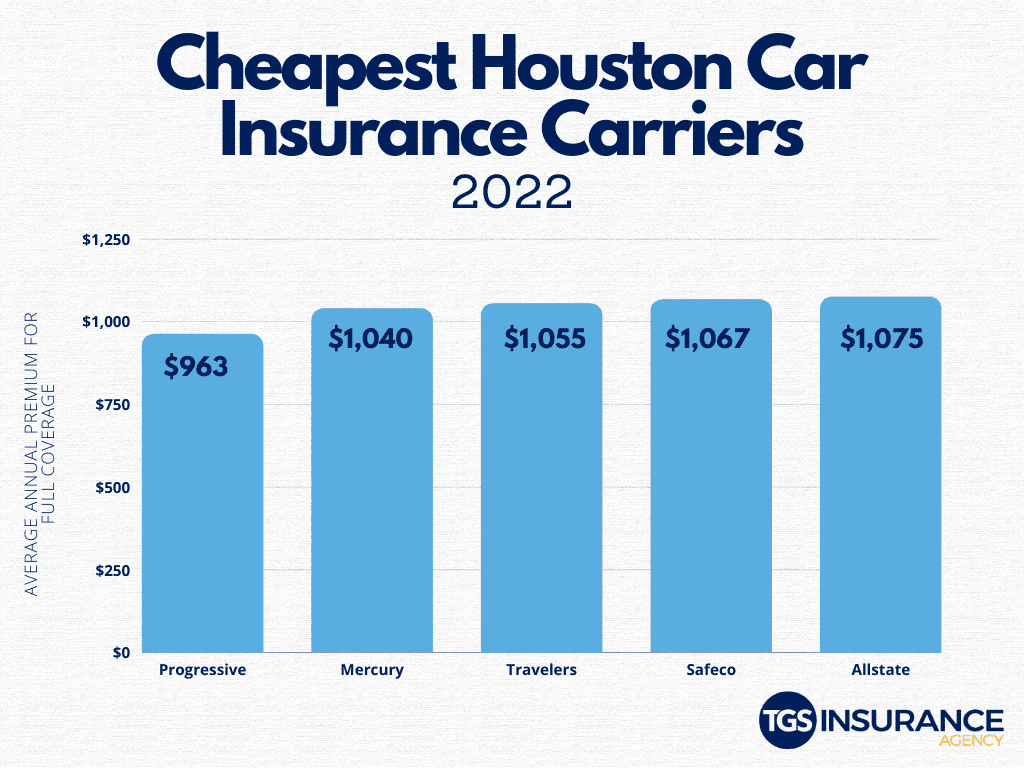
Pinpointing the absolute cheapest car insurance provider in Texas is challenging as rates are highly individualized. However, several companies consistently rank among the most affordable options for many drivers. It’s crucial to understand that these are general trends and your personal circumstances will dictate the best rate for you.
- State Farm: Often cited for competitive rates, especially for drivers with good records and those seeking bundled policies. They offer a wide range of discounts and have a strong presence across Texas.
- Geico: Known for its user-friendly online platform and often competitive pricing, particularly for drivers who prefer a direct-to-consumer model.
- Progressive: Frequently offers innovative insurance products and discounts, catering to a diverse range of drivers.
- Allstate: A well-established insurer that can provide competitive rates, especially for those who value local agents and a broad spectrum of coverage options.
- USAA: While exclusively for military members and their families, USAA consistently receives high marks for customer satisfaction and often provides very affordable rates.
When researching, look beyond just the lowest premium. Consider the insurer’s reputation for customer service, claims handling, and financial stability. A slightly higher premium might be worthwhile if it comes with superior service and a smoother claims process.
Beyond the Premium: Factors to Consider for Comprehensive Car Insurance in Texas
While the pursuit of cheap car insurance is understandable, it’s paramount to remember that the cheapest policy is not always the best policy. Several other factors warrant careful consideration to ensure you have adequate protection and a positive customer experience.
Customer Service and Claims Handling
The true test of an insurance policy comes into play when you need to file a claim. A company with a reputation for poor customer service or slow, inefficient claims handling can turn a stressful situation into a nightmare.
- Read Reviews: Research customer reviews and ratings from reputable sources to gauge the insurer’s performance in handling claims and general customer satisfaction.
- Check Complaint Ratios: State insurance departments often publish complaint ratios, indicating how often a company receives complaints relative to its size.
Financial Stability
Ensuring that your insurance provider is financially sound is crucial. A company that is not financially stable might struggle to pay out claims, leaving you in a precarious position.
- Third-Party Ratings: Consult financial strength ratings from agencies like A.M. Best, Moody’s, or Standard & Poor’s. A good rating indicates the insurer’s ability to meet its financial obligations.
Policy Features and Add-ons
Beyond the standard coverages, consider any optional features or add-ons that might be beneficial for your specific situation.
- Roadside Assistance: Many insurers offer roadside assistance as an add-on, which can be invaluable if you experience a breakdown or flat tire.
- Rental Car Reimbursement: This coverage helps pay for a rental car while your vehicle is being repaired after a covered claim.
- New Car Replacement: If your new car is totaled, this coverage may help you replace it with a brand-new model.
In conclusion, finding the cheapest car insurance in Texas is an achievable goal, but it requires diligence, research, and a comprehensive understanding of the factors involved. By shopping around, maximizing discounts, adjusting coverage strategically, and considering factors beyond just the premium, Texas drivers can secure affordable car insurance that provides the necessary protection for their peace of mind on the road.
LifeOutOfTheBox is a participant in the Amazon Services LLC Associates Program, an affiliate advertising program designed to provide a means for sites to earn advertising fees by advertising and linking to Amazon.com. Amazon, the Amazon logo, AmazonSupply, and the AmazonSupply logo are trademarks of Amazon.com, Inc. or its affiliates. As an Amazon Associate we earn affiliate commissions from qualifying purchases.