
Living or engaging in an extended stay in California involves understanding a unique set of regulations, particularly concerning vehicle ownership and environmental compliance. Among the most critical requirements for car owners in the Golden State is the smog check. This seemingly routine inspection plays a vital role in California’s ambitious efforts to maintain air quality and combat pollution, directly influencing the daily lives of its residents and long-term visitors. For anyone navigating the California lifestyle, from daily commutes to road trips across its diverse landscapes, knowing the frequency and intricacies of smog checks is indispensable for hassle-free vehicle registration and operation.
Understanding California’s Smog Check Program
The California Smog Check Program is one of the most comprehensive and stringent vehicle emissions inspection programs in the United States. Established in 1984, its primary objective is to identify vehicles with excessive emissions, ensuring they are repaired to meet state standards. This initiative is crucial for reducing smog, a major air pollutant comprising ground-level ozone, particulate matter, and other airborne toxins, which significantly impacts public health and the environment, particularly in densely populated areas like the Los Angeles Basin and the San Joaquin Valley.
The Purpose Behind the Mandate
At its core, the smog check is a preventative measure. Vehicles are significant contributors to air pollution, emitting harmful gases like hydrocarbons, carbon monoxide, and nitrogen oxides. These pollutants react in the atmosphere to form smog, which can cause respiratory problems, aggravate asthma, and contribute to other serious health conditions. By regularly testing vehicles, California aims to remove high-polluting cars from its roads, or at least ensure they undergo necessary repairs, thereby creating a healthier environment for everyone. For individuals and families establishing a lifestyle in California, adhering to these regulations is not just a legal obligation but also a contribution to community well-being.
Who Needs a Smog Check?
Most vehicles registered in California are subject to smog check requirements. This includes gasoline-powered vehicles, alternative-fuel vehicles, and hybrid vehicles that are model-year 1976 and newer. Diesel-powered vehicles from model-year 1998 and newer, with a gross vehicle weight rating of 14,000 pounds or less, also require smog checks.
However, there are several exemptions that might apply, which are essential for car owners to know:
- Newer Vehicles: Generally, vehicles that are eight model years old or newer are exempt from biennial smog checks. Instead, their owners pay an annual smog abatement fee. This exemption does not apply to change-of-ownership smog checks or initial registration of out-of-state vehicles.
- Electric Vehicles: All-electric vehicles produce zero tailpipe emissions and are thus exempt.
- Motorcycles: Motorcycles are not currently required to undergo smog inspections.
- Historic Vehicles: In some cases, classic or collector cars may have specific exemptions or modified requirements, particularly if they are part of a special interest vehicle program, though this often requires them to be driven limited distances.
Understanding these exemptions is critical for budgeting and planning, influencing decisions around vehicle purchases and maintenance within the California lifestyle.
Smog Check Frequency: What to Expect
The frequency of smog checks in California is not uniform; it depends on several factors, primarily the age of your vehicle and the type of transaction you are undertaking. Navigating these requirements smoothly is a key aspect of vehicle ownership in the state.
Biennial Smog Checks
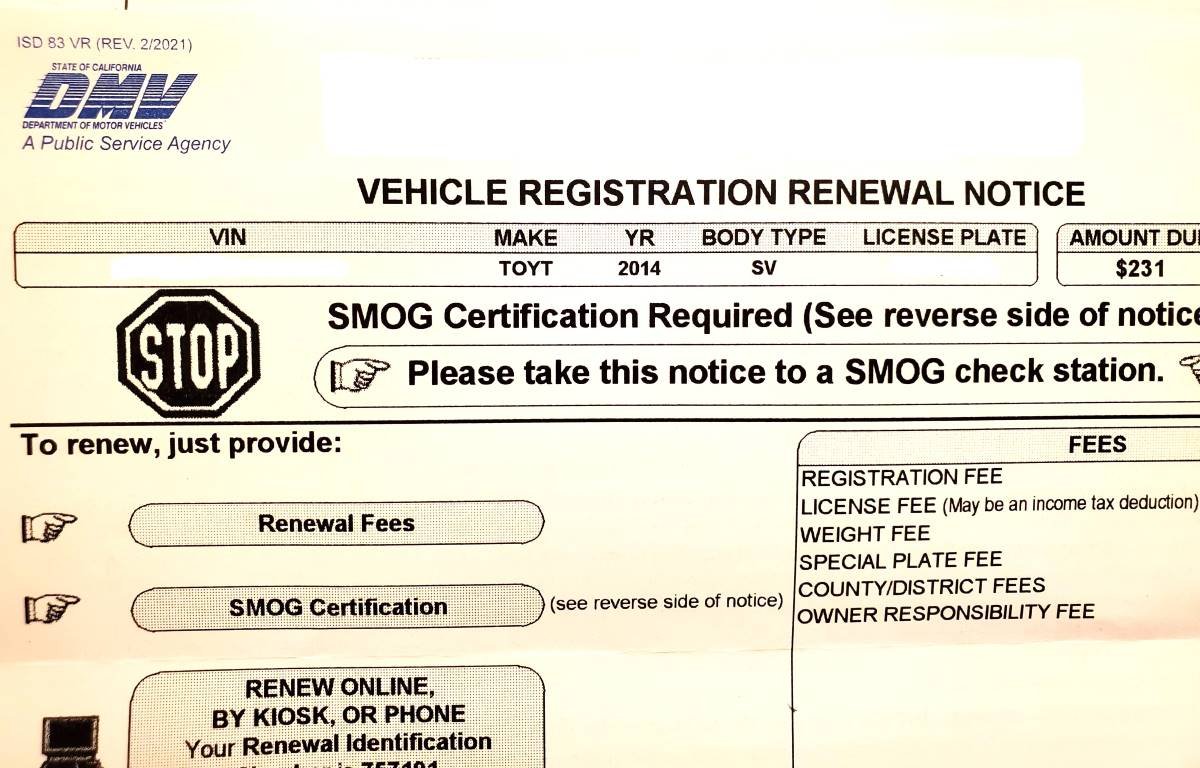
The most common requirement is the biennial smog check. This means that most vehicles registered in California need to undergo an emissions inspection every two years. This inspection is mandatory for renewing your vehicle’s registration with the California Department of Motor Vehicles (DMV). You will typically receive a renewal notice from the DMV approximately 90 days before your registration expires, which will indicate if a smog check is required. Failing to complete the smog check by your registration deadline will prevent you from renewing your vehicle’s registration, leading to potential fines and inability to legally operate your vehicle. For busy professionals or families living in California, setting a reminder for this biennial check is a simple step to avoid complications.
Change of Ownership Smog Checks
When a vehicle changes ownership in California, a smog certification is generally required, even if the vehicle recently passed a biennial inspection or falls within the eight-year exemption. The seller is typically responsible for obtaining a valid smog certification prior to the sale. This ensures that the vehicle meets emissions standards at the point of sale, protecting the buyer from immediately inheriting an environmentally non-compliant vehicle. This rule is particularly important for those buying or selling used cars as part of their California lifestyle, emphasizing due diligence from both parties. There are exceptions, such as transferring ownership between immediate family members.
Initial Registration for Out-of-State Vehicles
If you are moving to California and bringing your vehicle from another state, or purchasing a vehicle that was previously registered out-of-state, a smog check is almost always required for initial registration. This applies regardless of the vehicle’s model year. California’s strict environmental standards necessitate that all vehicles entering its registration system meet its emissions requirements. This is a crucial step for anyone relocating to California for work, family, or retirement, as it’s a prerequisite for obtaining California license plates and legally driving in the state. Planning for this inspection as part of your relocation checklist can save significant time and stress.
Geographic Area Considerations
The type of smog check required can also depend on where your vehicle is primarily garaged. California divides its areas into three categories:
- Enhanced Areas: These areas have higher pollution levels and require more stringent testing, often involving a “tailpipe test” on a dynamometer, which simulates driving conditions. Most major metropolitan areas, including Los Angeles and parts of the San Francisco Bay Area, fall into this category.
- Basic Areas: These areas have lower pollution levels and typically require a simpler “two-speed idle” test or merely a visual inspection and a check of the On-Board Diagnostic (OBD) system.
- Change of Ownership Areas: These are specific areas where smog checks are only required when a vehicle changes ownership.
Understanding your specific area’s requirements is paramount, as it dictates the kind of test your vehicle will undergo and which facilities can perform it. The Bureau of Automotive Repair (BAR) website provides an online tool to check requirements based on your ZIP code.
Navigating the Smog Check Process
The smog check process is designed to be straightforward, but knowing what to expect can ease any apprehension. It’s an integral part of responsible vehicle ownership in California, much like routine oil changes or tire rotations.
Finding a Certified Station
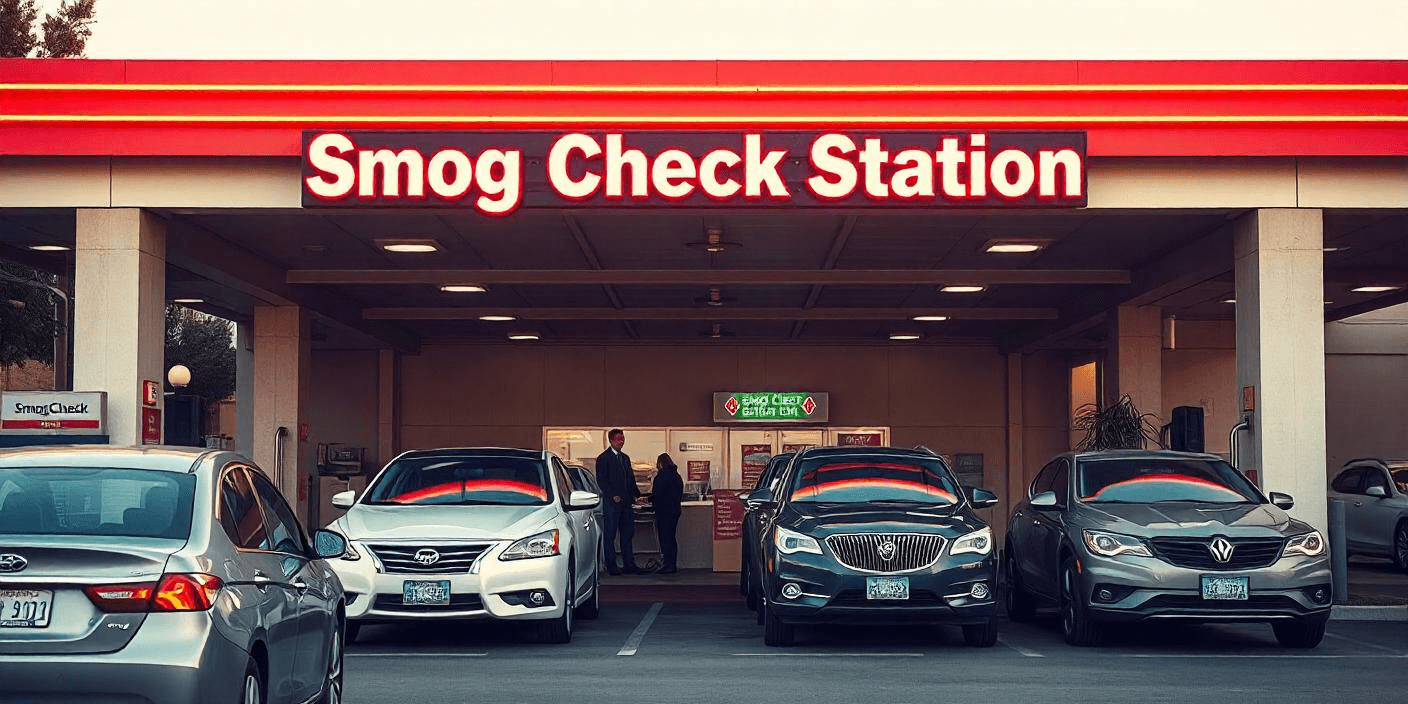
Smog checks must be performed by stations licensed by the Bureau of Automotive Repair (BAR). These facilities will display a “Smog Check Station” sign. There are different types of stations:
- Test-Only Stations: These stations only perform smog checks and are not allowed to make repairs.
- Test-and-Repair Stations: These stations can perform smog checks and also repair vehicles that fail.
- STAR Stations: Some vehicles, especially those deemed high-polluting or belonging to a specific subset of the vehicle fleet, may be required to get a smog check at a STAR Station. These stations meet higher performance standards set by the BAR and are often recommended for their thoroughness.
The DMV registration renewal notice will specify if your vehicle requires inspection at a STAR Station. Locating a convenient and reputable station is typically easy, with many independent garages and larger service centers offering the service.
Preparing Your Vehicle
While you can’t “cheat” a smog check, you can take steps to ensure your vehicle is ready to pass:
- Address “Check Engine” Lights: A lit “Check Engine” light is an automatic failure. Resolve any underlying issues and ensure the light is off before your test.
- Drive Your Vehicle: If your vehicle’s battery has recently been disconnected or diagnostic trouble codes (DTCs) have been cleared, the On-Board Diagnostic (OBD) system monitors may not be “ready.” Driving your vehicle for a combination of city and highway miles (often called a “drive cycle”) will usually reset these monitors.
- Perform Routine Maintenance: Ensure your oil is clean, tires are properly inflated, and your vehicle is well-maintained. While not direct smog components, they ensure the engine runs efficiently.
- Check Tire Pressure: For dynamometer tests, correctly inflated tires are essential for accurate readings.
Taking these proactive steps can significantly increase the chances of passing the first time, saving time and potential repair costs, which is an important consideration in managing the cost of living in California.
What Happens During the Test?
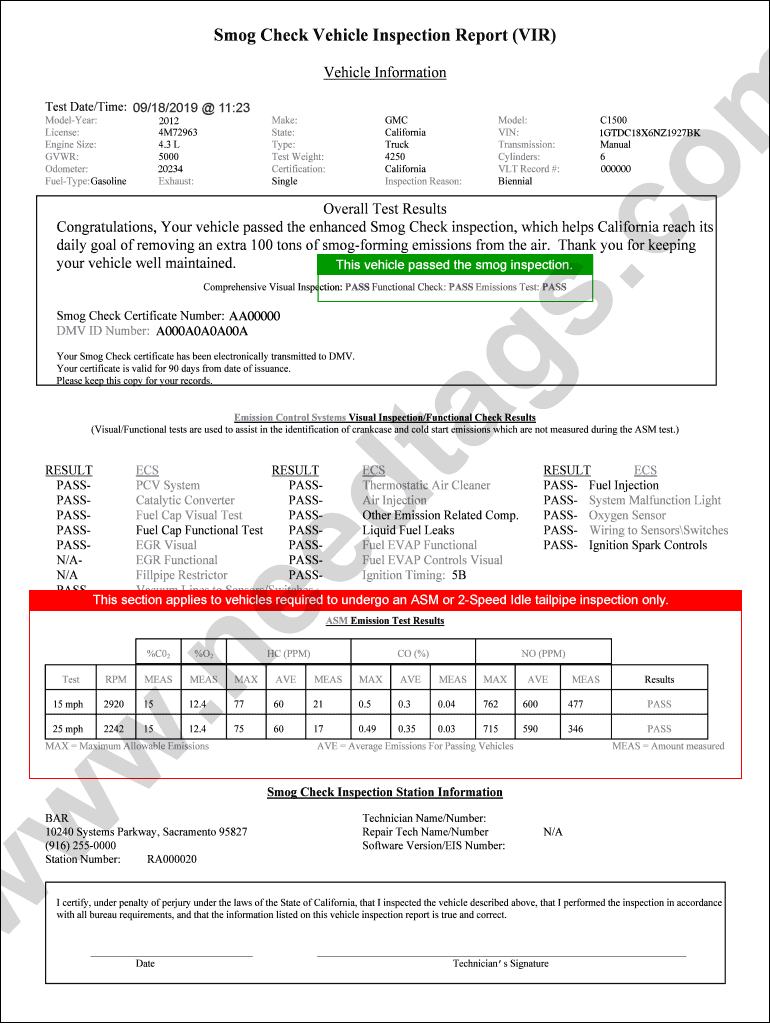
During the smog check, technicians will typically perform:
- Visual Inspection: They check for missing, modified, or disconnected emissions control equipment.
- Functional Test: This includes checking the ignition timing, exhaust gas recirculation (EGR) valve, and the fuel evaporative system.
- On-Board Diagnostic (OBD II) System Check: For most vehicles model-year 2000 and newer, the technician connects to your vehicle’s computer to read diagnostic codes and check the readiness monitors.
- Tailpipe Emissions Test: For older vehicles or those in enhanced areas, a probe is inserted into the exhaust pipe to measure pollutants while the vehicle runs on a dynamometer, simulating driving conditions.
If Your Vehicle Fails
If your vehicle fails the smog check, you will receive a diagnostic report outlining the reasons for failure. You cannot register your vehicle until it passes.
- Repair and Retest: You’ll need to get the necessary repairs done. Many stations offer repair services, or you can take it to a different repair facility. Once repaired, you’ll need to get a retest.
- Low-Income Repair Assistance: California offers assistance programs, such as the Consumer Assistance Program (CAP), for eligible low-income motorists whose vehicles fail a smog check. This program can help with repairs or even retirement of high-polluting vehicles. This highlights California’s commitment not only to environmental goals but also to supporting its residents in achieving compliance.
The Lifestyle Impact: Driving and Living in California
The recurring nature of smog checks is more than just a bureaucratic hurdle; it’s an integrated aspect of the California lifestyle, shaping decisions around vehicle ownership, maintenance, and environmental consciousness.
Maintaining Vehicle Compliance for Daily Life
For commuters navigating the sprawling freeways of Southern California or residents exploring the scenic routes of Northern California, a compliant vehicle is fundamental. The biennial smog check ensures that one’s primary mode of transport remains legally registered and operational. This consistency allows for seamless transitions between work, leisure, and family commitments without the anxiety of lapsed registration. It encourages proactive vehicle maintenance, fostering a culture where cars are kept in optimal running condition, which inherently contributes to safer roads and more reliable travel experiences across the state. This routine helps prevent unexpected breakdowns due to overlooked mechanical issues, which is a significant factor in managing the unpredictability of daily life.
Financial and Environmental Considerations
While there’s a cost associated with each smog check (typically between $30-$80, plus certificate fees), and potentially for repairs, these expenses are offset by the broader benefits. Environmentally, cleaner air translates to fewer health issues, reducing healthcare burdens and improving the quality of outdoor life, from hiking in Yosemite National Park to strolling along Santa Monica Beach. Economically, by encouraging regular maintenance, vehicles tend to last longer and run more efficiently, potentially saving owners money on fuel and more extensive repairs down the line. The program also supports a network of automotive businesses, providing jobs and services within the state’s economy. Understanding this balance is key to appreciating the smog check as an essential element of sustainable living in California.
Future Trends and Updates
California’s commitment to air quality is ongoing, meaning the smog check program is subject to continuous review and adaptation. Technological advancements in vehicles, such as the increasing prevalence of electric and hybrid models, are constantly influencing the program’s scope. Discussions often arise about expanding exemptions for newer, cleaner vehicles or adjusting testing methodologies to better target the most polluting cars. Staying informed about these potential changes, often communicated through the DMV or BAR websites, is part of being a responsible vehicle owner in California. Embracing these regulations and understanding their purpose allows for a smoother, more environmentally conscious, and ultimately more enjoyable lifestyle in this vibrant state.
LifeOutOfTheBox is a participant in the Amazon Services LLC Associates Program, an affiliate advertising program designed to provide a means for sites to earn advertising fees by advertising and linking to Amazon.com. Amazon, the Amazon logo, AmazonSupply, and the AmazonSupply logo are trademarks of Amazon.com, Inc. or its affiliates. As an Amazon Associate we earn affiliate commissions from qualifying purchases.