
Navigating the financial landscape of a new location is a critical aspect of shaping your lifestyle, whether you’re relocating, planning an extended stay, or simply managing household finances within the Centennial State. Among the various expenses that contribute to the overall cost of living, vehicle registration fees and the associated cost of license plates in Colorado often come as a surprise to newcomers and even existing residents. Understanding these costs is essential for accurate budgeting and ensuring a smooth transition into the unique Colorado way of life. This guide delves into the specifics, helping you decipher the complexities of vehicle registration in Colorado and integrate these figures into your lifestyle planning.
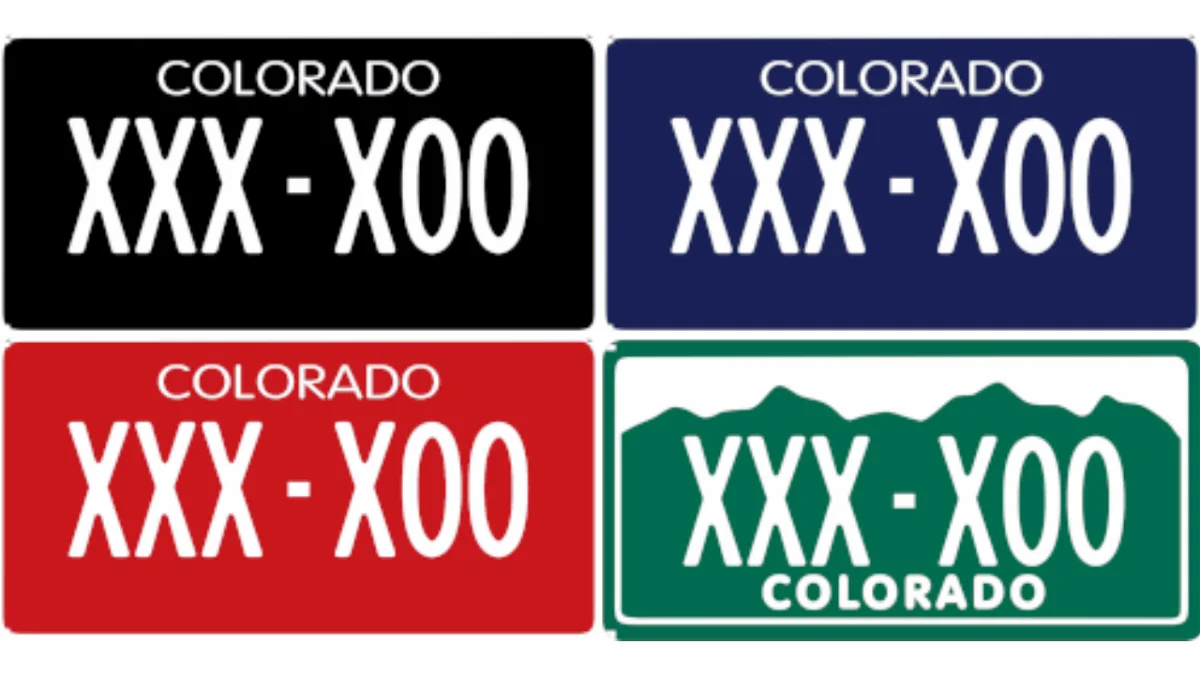
Decoding Colorado’s Vehicle Registration Landscape
The cost of license plates in Colorado is not a standalone fee but rather a component of the broader vehicle registration process. Unlike a simple flat rate, the total amount you pay is influenced by a multitude of factors, making it a nuanced expense that varies significantly from one vehicle owner to another. For anyone looking to establish a life in Colorado, comprehending these variables is key to smart financial planning. The state’s approach to vehicle registration is designed to account for environmental impact, infrastructure maintenance, and various administrative costs, all of which ultimately affect your annual budget.
Beyond the Basic Fee
When you register a vehicle in Colorado, you’re not just paying for the physical license plates. The overall registration fee comprises several distinct charges, each contributing to the total sum. These typically include:
- Ownership Tax (Specific Ownership Tax – SOT): This is perhaps the most significant component and is calculated based on the vehicle’s original retail price and its age. It depreciates over time, meaning newer, more expensive vehicles incur higher SOTs than older, less valuable ones. This tax directly supports local governments and services, reflecting a portion of the vehicle’s market value.
- License Plate Fees: These are nominal fees for the physical plates themselves and their annual renewal stickers.
- Road and Bridge Fee: A uniform fee dedicated to the maintenance and improvement of state and local roads and bridges.
- Emissions Fee (if applicable): Vehicles registered in specific Colorado counties, particularly those along the Front Range (like Denver and Boulder), are subject to emissions testing and an associated fee to help maintain air quality standards. This is a crucial element for environmental initiatives within the state.
- County Road and Bridge Fees: Additional fees levied at the county level to supplement local transportation infrastructure.
- Air Quality Surcharge: Another fee contributing to environmental protection efforts within the state.
- Late Fees: If you fail to renew your registration by the due date, you will incur penalties, adding an unnecessary expense to your budget.
- Specialty Plate Fees: If you opt for a custom or specialized license plate, an additional charge will be applied, often supporting a specific cause or organization.
Understanding these individual components allows for a more granular view of your vehicle-related expenses, empowering you to make informed decisions about vehicle purchases and ongoing maintenance within your lifestyle budget.
Factors Influencing Your Colorado Plate Costs
The dynamic nature of vehicle registration costs in Colorado necessitates a closer look at the key factors that dictate the final amount. These influences are critical for anyone planning their finances around living and driving in the state.
Vehicle Type and Age: The Primary Determinants
The most substantial impact on your registration cost comes from your vehicle’s original manufacturer’s suggested retail price (MSRP) and its age. Colorado’s Specific Ownership Tax (SOT) is structured to levy a higher tax on newer, more expensive vehicles, gradually decreasing as the vehicle ages.
- New Vehicles: For the first registration year, the SOT is 2.10% of 85% of the manufacturer’s suggested retail price (MSRP).
- Second Year: The rate drops to 1.50% of 70% of the MSRP.
- Third Year: It further reduces to 1.20% of 50% of the MSRP.
- Fourth Year: The rate becomes 0.90% of 40% of the MSRP.
- Fifth to Ninth Year: A flat rate of $10 for vehicles with an original MSRP of $25,000 or less, and $50 for vehicles with an original MSRP over $25,000.
- Tenth Year and Older: A flat fee of $3.
This depreciation-based system means that the older your vehicle, the less you’ll pay in SOT, significantly impacting the long-term cost of vehicle ownership. This tiered structure encourages consideration of both new and used vehicle purchases as part of a budget-conscious lifestyle in Colorado.
Local Fees and Taxes: A County-by-County Nuance
While the state sets the general framework for vehicle registration, local governments also impose their own fees, adding another layer of variability. These local charges can include additional county road and bridge fees, as well as distinct air quality surcharges depending on your specific county of residence. For instance, residents in metropolitan areas like Denver, Boulder, and parts of Colorado Springs often face higher emissions testing requirements and associated fees due to stricter air quality regulations aimed at combating smog in densely populated regions.
This means that living in Arapahoe County might entail slightly different fees than residing in Larimer County or Mesa County. It’s crucial for new residents to verify the specific fees applicable to their particular county through the Colorado Division of Motor Vehicles (DMV) or their local county clerk and recorder’s office. This local variation underscores the importance of thorough research when planning a move or assessing the full financial scope of living in different parts of Colorado.
Specialty Plates: A Colorado Lifestyle Statement
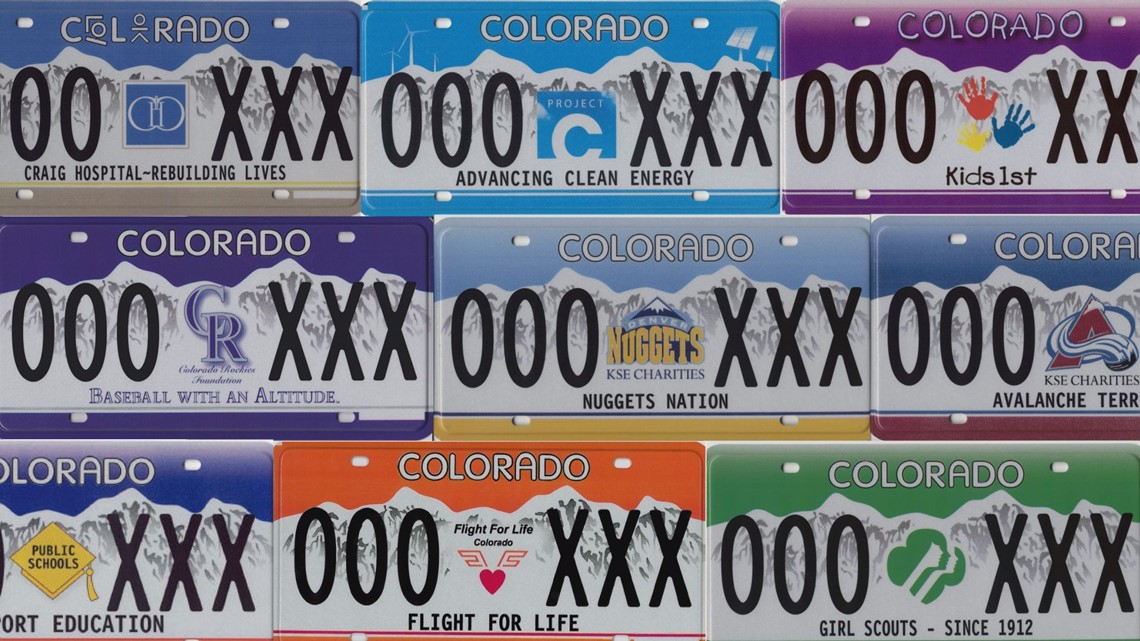
Beyond the standard plates, Colorado offers an extensive array of specialty license plates, allowing vehicle owners to express their personality, support a cause, or showcase their affiliation. These plates are a distinctive aspect of the Colorado lifestyle, blending personal expression with civic engagement.
Personalizing Your Ride
Colorado boasts hundreds of specialty plate options, ranging from professional sports teams and universities to plates celebrating Colorado’s natural beauty, historical landmarks, and military service. Popular choices include plates featuring the Colorado State Flag, various wildlife designs, and plates commemorating significant events or groups. Choosing a specialty plate can be a fun way to personalize your vehicle and make it truly your own, reflecting your values and interests as part of your Colorado identity.
Supporting Causes
Many specialty plates come with an additional fee, a portion of which is often directed to the organization or cause represented on the plate. For example, a plate featuring a specific university might contribute to that institution’s scholarship fund, while an environmental plate could support conservation efforts. This turns a simple administrative fee into an opportunity for philanthropic giving, allowing residents to contribute to causes they care about directly through their vehicle registration. This unique aspect enriches the civic and community-oriented lifestyle in Colorado.
Fees for Specialty Designs
Opting for a specialty plate typically incurs an initial issuance fee, in addition to your standard registration costs. These fees vary by plate type but generally range from $25 to $50, with some unique designs costing more. Some specialty plates may also carry an annual renewal fee that is slightly higher than for standard plates. While these additional costs might seem minor, they are important to factor into your overall vehicle budget, especially if you plan to choose a specialty plate as a permanent fixture of your vehicle’s identity. These choices reflect a lifestyle decision and should be considered within your financial planning.
Navigating the Registration Process
Whether you’re a new resident or purchasing a new vehicle within Colorado, understanding the steps involved in vehicle registration is crucial for a hassle-free experience. This practical knowledge streamlines the administrative aspects of your Colorado lifestyle.
Initial Registration for New Residents
If you’re moving to Colorado, you have 90 days from establishing residency to register your out-of-state vehicle. The process typically involves:
- Proof of Ownership: Providing your vehicle title or current out-of-state registration.
- Proof of Colorado Insurance: You must have valid insurance from a company authorized to do business in Colorado.
- Identification: A valid Colorado driver’s license or identification card.
- Emissions Test (if applicable): Vehicles registered in specific Front Range counties must pass an emissions test.
- Vehicle Identification Number (VIN) Verification: This is often done during the emissions test or by a certified law enforcement officer.
- Payment of Fees: Paying all applicable Specific Ownership Taxes, registration fees, and any other surcharges.
It’s advisable to visit your local county clerk and recorder’s office or the Colorado DMV website for a comprehensive checklist tailored to your specific situation. Being prepared ensures a smooth transition into registering your vehicle as part of your new Colorado lifestyle.
Annual Renewals: What to Expect
Once your vehicle is initially registered, you will receive renewal notices annually. Renewing your registration is generally a straightforward process that can often be completed online, by mail, or in person. Key points for renewal include:
- Timeliness: Renew before your expiration date to avoid late fees.
- Proof of Insurance: Ensure your insurance is current and valid.
- Emissions Test (if required): Complete your emissions test beforehand if your vehicle and county require it.
- Payment: Pay the applicable annual renewal fees, which will reflect the depreciated Specific Ownership Tax for your vehicle’s current age.
Staying on top of your annual renewals is a simple yet crucial aspect of managing your vehicle-related lifestyle costs in Colorado, preventing unnecessary expenditures and ensuring legal compliance.
Budgeting for Vehicle Ownership in the Centennial State
Integrating the cost of license plates and vehicle registration into your broader financial plan is fundamental for a stable and enjoyable lifestyle in Colorado. Understanding these expenses as part of a holistic view of vehicle ownership helps in proactive budgeting.
Holistic Cost Considerations
Beyond the initial and recurring registration fees, vehicle ownership in Colorado encompasses several other significant costs. These include:
- Vehicle Insurance: Colorado requires all registered vehicles to carry minimum liability insurance. Premiums can vary widely based on your vehicle type, driving record, age, and where you live within the state.
- Maintenance and Repairs: Regular maintenance is essential, especially with Colorado’s diverse driving conditions, including mountainous terrain and varying weather.
- Fuel Costs: Gasoline prices fluctuate, and long commutes or frequent trips to the mountains can add up.
- Parking Fees and Tolls: Especially in urban centers like Denver or on specific highway corridors, parking and toll road fees can be an intermittent but noteworthy expense.
Considering all these factors together provides a realistic picture of your overall vehicle ownership costs, allowing for comprehensive financial planning that supports your desired Colorado lifestyle.

Planning Your Colorado Financial Journey
Ultimately, the cost of license plates in Colorado is more than just a fee; it’s a reflection of the state’s economic and environmental priorities and a practical consideration for anyone making Colorado their home or extended base. By understanding the various components of registration fees, the impact of vehicle age and type, and county-specific nuances, you can accurately budget for this expense. Whether you prioritize a brand-new vehicle or a reliable older model, a standard plate or a specialty design, being informed empowers you to make financial choices that align seamlessly with your lifestyle aspirations in the stunning Centennial State.
LifeOutOfTheBox is a participant in the Amazon Services LLC Associates Program, an affiliate advertising program designed to provide a means for sites to earn advertising fees by advertising and linking to Amazon.com. Amazon, the Amazon logo, AmazonSupply, and the AmazonSupply logo are trademarks of Amazon.com, Inc. or its affiliates. As an Amazon Associate we earn affiliate commissions from qualifying purchases.