
Embarking on an Alaska cruise in July is an unparalleled experience, promising majestic glaciers, abundant wildlife, and breathtaking landscapes. While the summer month offers some of the most pleasant weather of the year, Alaska’s climate remains notoriously unpredictable. Preparation is key to ensuring comfort and enjoyment, from the bustling port of Juneau to the serene waters of Glacier Bay National Park. This guide will help you curate the perfect packing list, ensuring you’re ready for every facet of your Alaskan adventure.
Understanding Alaska’s July Climate
July in Alaska typically falls within its peak summer season. However, this does not equate to consistently warm temperatures. Expect average highs in coastal regions like Ketchikan and Skagway to hover between the mid-50s and mid-60s Fahrenheit (13-18°C). Nights can dip considerably, often into the 40s (4-9°C).
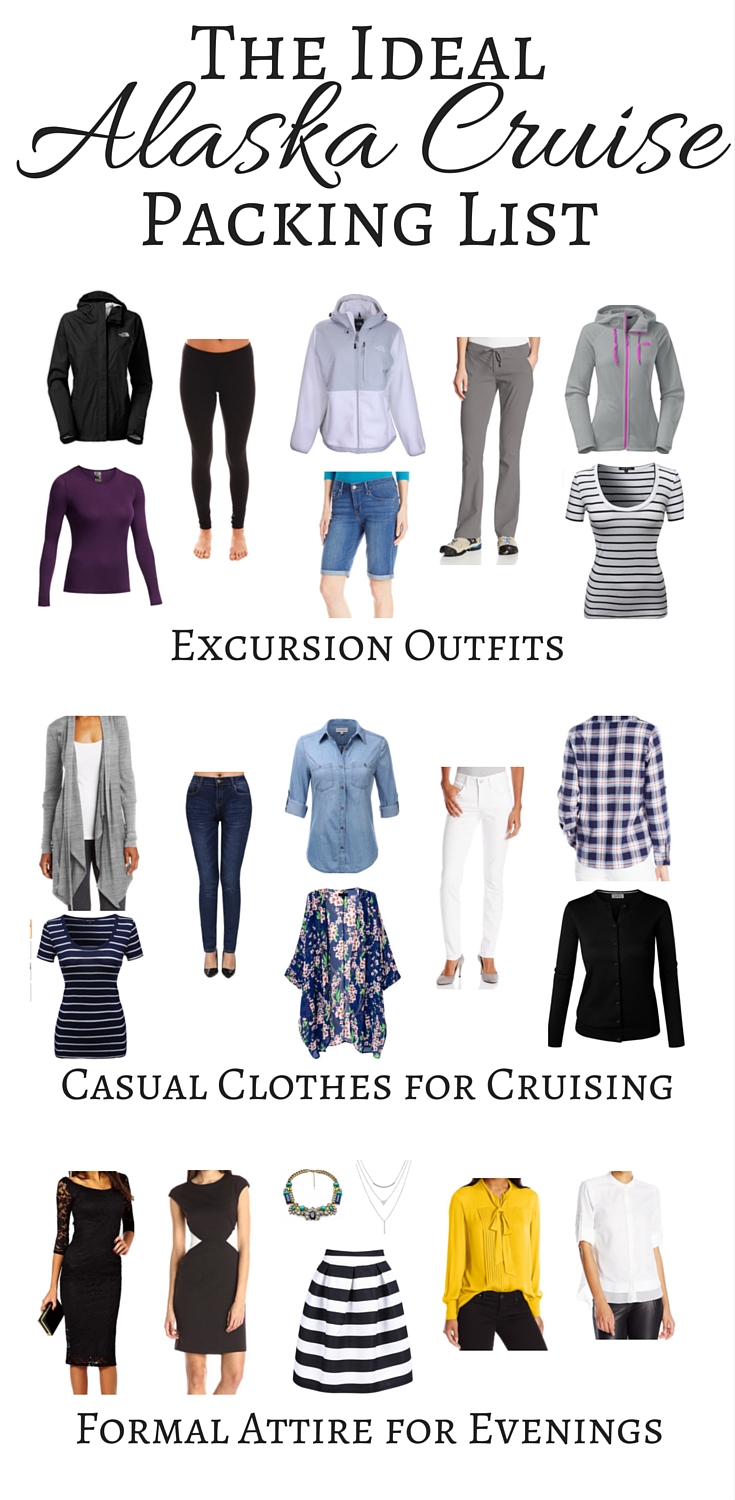
Crucially, “pleasant” in Alaska often means “not freezing.” While you might encounter sunny days perfect for deck viewing, rain is a frequent companion, especially in the southeastern panhandle. Snow can even fall at higher elevations or during particularly cool spells. Therefore, layering is the cornerstone of any successful packing strategy. The goal is to adapt to fluctuating temperatures and weather conditions throughout your voyage.
Average Temperatures and Precipitation
- Coastal Southeast Alaska: Average highs 55-65°F (13-18°C), average lows 45-55°F (7-13°C). Expect a 40-50% chance of rain on any given day.
- Inland Regions (less common for cruises but good to note): Temperatures can be warmer, but also more variable.
Key Considerations for July
- Long Daylight Hours: July offers nearly 20 hours of daylight in some areas, allowing for extended exploration and sightseeing.
- Wildlife Activity: This is prime time for whale watching, bear sightings, and spotting eagles.
- Crowds: July is peak tourist season, so book excursions and be prepared for busier ports.
Essential Clothing Layers
The secret to staying comfortable on an Alaska cruise is a well-thought-out layering system. This allows you to add or remove items as needed, from chilly mornings on deck to warmer afternoons exploring a port town.
Base Layers
These are your next-to-skin garments, designed to wick away moisture and provide a foundational layer of warmth.
- Long Underwear (Tops and Bottoms): Opt for moisture-wicking materials like merino wool or synthetic blends. Avoid cotton, as it holds moisture and can leave you feeling cold. Pack at least two sets.
- T-shirts and Long-Sleeved Shirts: Lightweight, breathable tops made of quick-drying fabrics are ideal. A mix of short and long sleeves will offer versatility.
Mid Layers
These provide insulation and trap body heat.
- Fleece Jacket or Pullover: A medium-weight fleece is a classic choice for its warmth and breathability.
- Lightweight Down or Synthetic Insulated Jacket: This is crucial for colder days or when standing on deck watching for wildlife. A packable down jacket is lightweight and highly effective.
- Sweater: A wool or fleece sweater can be a stylish and warm addition to your wardrobe.
Outer Layers
Your outer shell needs to protect you from wind and rain.
- Waterproof and Windproof Jacket: This is perhaps the most important item. Look for a jacket with a hood, breathable fabric (like Gore-Tex), and sealed seams. It should be roomy enough to fit over your base and mid layers.
- Waterproof Pants: Essential for rainy days, especially during shore excursions like hiking or visiting waterfalls. They can also serve as an extra windbreaker. Consider pants with side zippers for easy on-and-off over boots.
Bottoms
- Comfortable Trousers: Pack a few pairs of comfortable, quick-drying pants. Jeans are acceptable for casual wear in port but can be cumbersome if they get wet. Hiking pants or travel pants made from synthetic materials are excellent choices.
- Shorts: While not essential for everyone, a pair of shorts might be useful for surprisingly warm days or for lounging in your cabin.
Footwear
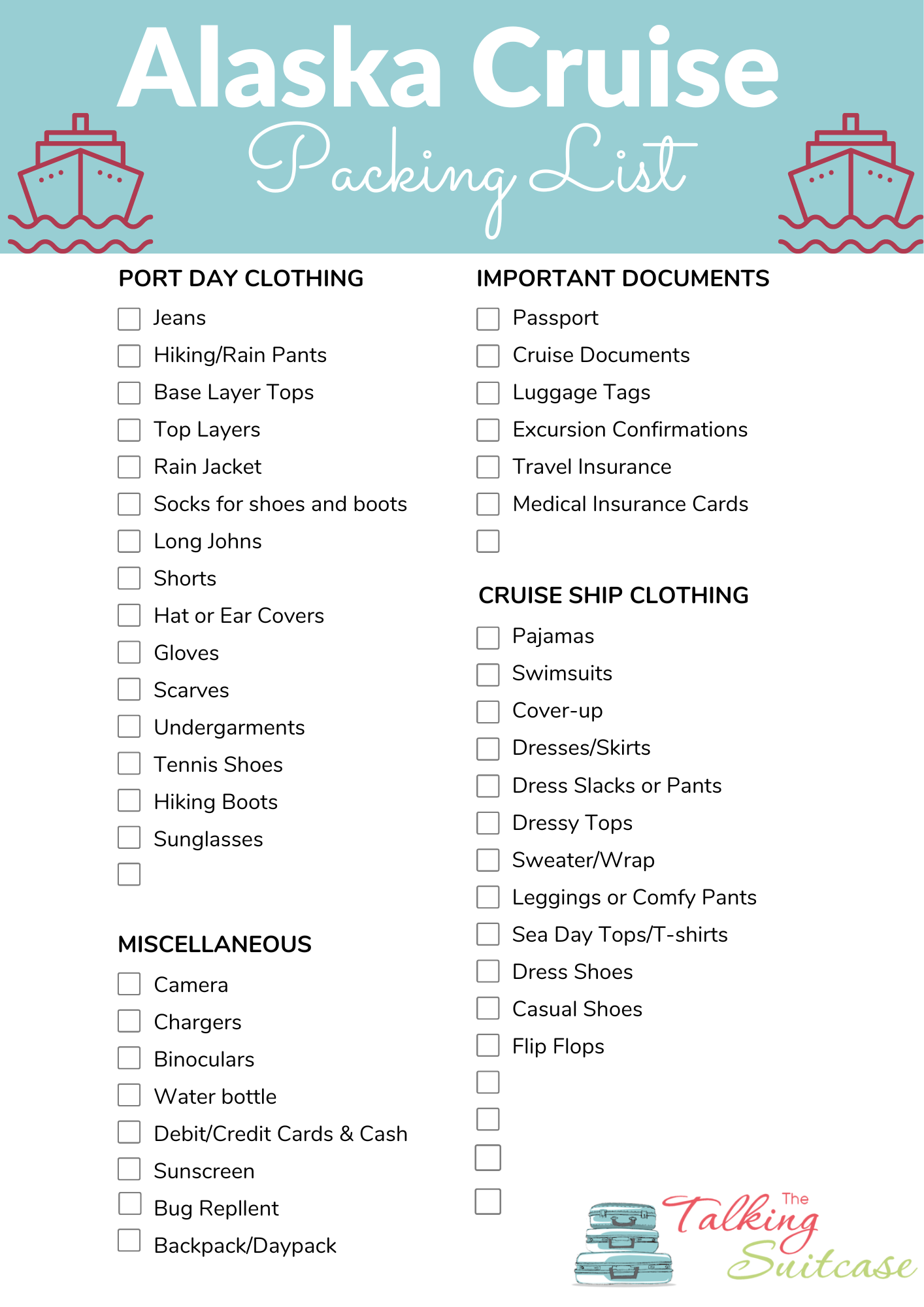
Comfort and waterproofing are paramount for your feet.
- Waterproof Hiking Boots or Sturdy Walking Shoes: These are non-negotiable for exploring ports, taking nature walks, or participating in excursions. Ensure they are broken in before your trip.
- Comfortable Walking Shoes/Sneakers: For days on the ship or more relaxed port exploration where heavy-duty boots aren’t needed.
- Waterproof Deck Shoes or Slip-on Shoes: Useful for easy on-and-off when boarding tenders or for wearing around the ship.
- Socks: Pack plenty of moisture-wicking socks, including wool or synthetic blends. Bring a mix of thicknesses.
Accessories
Don’t underestimate the importance of these smaller items.
- Warm Hat (Beanie): Essential for keeping your head warm on windy decks or during cooler evenings.
- Gloves: Waterproof and insulated gloves will protect your hands from the chill.
- Scarf or Neck Gaiter: A versatile accessory that can provide extra warmth for your neck and face.
- Sunglasses: Even on cloudy days, the glare off the water and glaciers can be intense.
- Sunscreen and Lip Balm with SPF: The sun’s rays can be strong, especially when reflecting off snow and water.
- Insect Repellent: While not a major issue on the open water, it can be helpful for onshore excursions, particularly in wooded areas.
Onboard and Port Essentials
Beyond clothing, several other items will enhance your cruise experience, from comfortable attire for shipboard life to practical gear for exploring.
For the Ship
- Casual Outfits: Pack comfortable clothes for lounging, dining in casual venues, and exploring the ship. This might include t-shirts, comfortable pants, and perhaps a nice outfit or two for specialty dining if you plan to indulge.
- Swimsuit: Most cruise ships have a pool and hot tubs, often in a covered or indoor area, making a swimsuit useful even in cooler weather.
- Comfortable Sleepwear: For a good night’s rest after a day of adventure.
For Port Exploration
- Daypack or Backpack: A small, waterproof backpack is ideal for carrying essentials like water bottles, snacks, extra layers, a camera, and souvenirs during port visits.
- Reusable Water Bottle: Staying hydrated is important, and you can refill it at water stations on the ship or in ports.
- Binoculars: Absolutely crucial for wildlife spotting! Seeing whales breach, eagles in flight, or bears on shore is significantly enhanced with a good pair of binoculars.
- Camera and Accessories: Bring extra memory cards and batteries. Consider a waterproof case or bag for your camera, especially if you plan on activities near water.
- Portable Power Bank: Useful for keeping your phone and other electronics charged while out and about.
- Ziploc Bags: Incredibly versatile for keeping electronics dry, organizing small items, or storing snacks.
Important Documents and Health Items
- Identification: Driver’s license or passport, depending on your itinerary.
- Boarding Passes and Itinerary: Keep digital or printed copies accessible.
- Credit Cards and Cash: For purchases in ports.
- Medications: Bring any prescription or over-the-counter medications you might need, along with a copy of your prescriptions.
- Motion Sickness Remedies: If you are prone to seasickness, pack medication, patches, or wristbands.
- Small First-Aid Kit: Band-aids, antiseptic wipes, pain relievers, and any personal necessities.
Specialized Gear for Excursions
Depending on your chosen activities, you might want to pack specific items to maximize your experience and comfort.
For Glacier Viewing and Wildlife Tours
- Waterproof Camera Bag or Dry Bag: Essential if you’re taking a zodiac tour or kayaking near glaciers where spray is likely.
- Camera Zoom Lens: To capture wildlife from a distance without disturbing it.
- Field Guides: Books or apps about Alaskan flora and fauna can enhance your understanding and appreciation of what you see.
For Hiking and Outdoor Adventures
- Trekking Poles: If you plan on more strenuous hikes, trekking poles can provide stability and reduce strain on your knees.
- Waterproof Gaiters: To keep snow, mud, and debris out of your boots.
- Small Portable Seat Pad: For comfortable breaks during hikes or while waiting for wildlife.
For City and Cultural Exploration
- Comfortable Casual Wear: Pack outfits that are suitable for walking around towns like Sitka or Haines, visiting museums, or enjoying local restaurants.
- Small Purse or Crossbody Bag: For carrying essentials securely while exploring.

Final Packing Tips for Your Alaska Cruise
- Pack in Layers: This cannot be stressed enough. The ability to adapt to changing conditions is the key to comfort.
- Embrace Waterproofing: From jackets and pants to footwear and bags, prioritizing waterproof items will save you from discomfort.
- Check the Weather Forecast: While weather can change rapidly, monitoring forecasts closer to your departure date can offer more specific guidance.
- Consider Your Cruise Line’s Dress Code: Most Alaska cruises are relatively casual, but some ships may have formal or semi-formal nights in their main dining rooms. Check your cruise line’s policy.
- Leave Room for Souvenirs: You’ll likely want to bring home mementos from your Alaskan adventure.
- Utilize Luggage Organizers: Packing cubes and compression bags can help maximize space and keep your belongings organized.
- Don’t Forget Your Sense of Adventure! Alaska is a place of wonder, and the right gear will allow you to fully immerse yourself in its unparalleled beauty.
By carefully considering these packing recommendations, you’ll be well-prepared to embrace the wild beauty and unpredictable charm of an Alaska cruise in July. Enjoy the majestic glaciers, the abundant wildlife, and the unforgettable experiences that await you.
LifeOutOfTheBox is a participant in the Amazon Services LLC Associates Program, an affiliate advertising program designed to provide a means for sites to earn advertising fees by advertising and linking to Amazon.com. Amazon, the Amazon logo, AmazonSupply, and the AmazonSupply logo are trademarks of Amazon.com, Inc. or its affiliates. As an Amazon Associate we earn affiliate commissions from qualifying purchases.