
Embarking on a new chapter in Colorado, whether for work, adventure, or a complete lifestyle shift, involves a myriad of practical considerations. Among the most fundamental for anyone planning to drive and reside in the Centennial State is understanding the cost and process of vehicle registration. Far from a mere bureaucratic hurdle, this annual expense is a crucial component of your personal financial landscape, impacting everything from your monthly budget for luxury travel to the practicality of a budget-conscious nomadic lifestyle. Delving into the specifics of Colorado’s vehicle registration fees provides not just clarity on an upcoming cost, but also offers valuable insights for strategic financial planning as you immerse yourself in the Colorado way of life.
Navigating Vehicle Registration as Part of Your Colorado Lifestyle
Moving to a new state or even planning an extended stay with your vehicle brings with it a host of logistical and financial adjustments. For individuals embracing a mobile lifestyle, digital nomads establishing a temporary base, or families relocating for a fresh start, understanding the cost of car registration in Colorado is paramount. This isn’t just about paying a fee; it’s about integrating a necessary recurring expense into your overall lifestyle budget, whether that budget leans towards adventurous outdoor living or a more urban, metropolitan experience.
Understanding the Financial Commitment for New Residents
For new residents, vehicle registration is often one of the first significant financial commitments encountered after moving to Colorado. Unlike a one-time relocation expense, it’s an annual obligation that needs to be factored into your long-term financial planning. For those adopting a budget travel mindset, every dollar counts, and anticipating this cost prevents unexpected strains on resources allocated for exploring Colorado’s majestic landscapes or vibrant city life. Even for business stays that extend beyond 90 days, state law typically requires you to register your vehicle, turning a temporary presence into a more permanent administrative responsibility.
The registration fee contributes to the state’s road maintenance and public safety initiatives, directly impacting the quality of the infrastructure you’ll use daily. Understanding this allocation can also provide peace of mind, knowing your contribution supports the very environment that makes Colorado such an attractive place for diverse lifestyles.
The Initial Costs: Plates, Title, and Sales Tax
When you first register a vehicle in Colorado, particularly if you’ve just moved from another state or purchased a new car, you’ll face several initial costs beyond the standard annual registration fees. These can significantly inflate your first-year expenditure, making careful budgeting essential.
First, there’s the title transfer fee, a relatively minor charge for officially registering your vehicle’s ownership with the state. This is a foundational step, legally establishing your car as belonging to you within Colorado and is critical for both new and used vehicle purchases.
Second, you’ll pay for new license plates. Colorado offers a variety of standard and personalized plate options, each with a specific fee. While standard plates are a base cost, many residents opt for specialty plates that support various causes or reflect personal interests, adding a small premium to their initial outlay. This choice, while minor in cost, is often a reflection of the individual’s lifestyle and values, allowing them to visibly support environmental causes, educational programs, or military veterans, for instance.
Third, and often the most substantial initial cost, is sales tax if you purchased the vehicle in Colorado. While not strictly a registration fee, sales tax is collected at the time of registration by the county clerk’s office. Colorado has a state sales tax on vehicles, and many counties and cities also impose their own local sales taxes. This can amount to several hundred or even thousands of dollars depending on the vehicle’s purchase price and your specific locale, significantly impacting your upfront budget for a new vehicle in your Colorado life. For instance, purchasing a new SUV in Denver will incur both state and local sales taxes, a sum that needs to be accounted for well in advance of your visit to the DMV.
Deconstructing Colorado’s Unique Registration Fee Structure
Colorado’s vehicle registration fees are not a flat rate; they are determined by a multi-faceted formula that considers several key factors. Understanding these elements is crucial for anyone budgeting for their life in Colorado, especially those with varying vehicle types or long-term ownership plans.
The Age and Value Factor: Ownership Tax and Specific Ownership Tax (SOT)
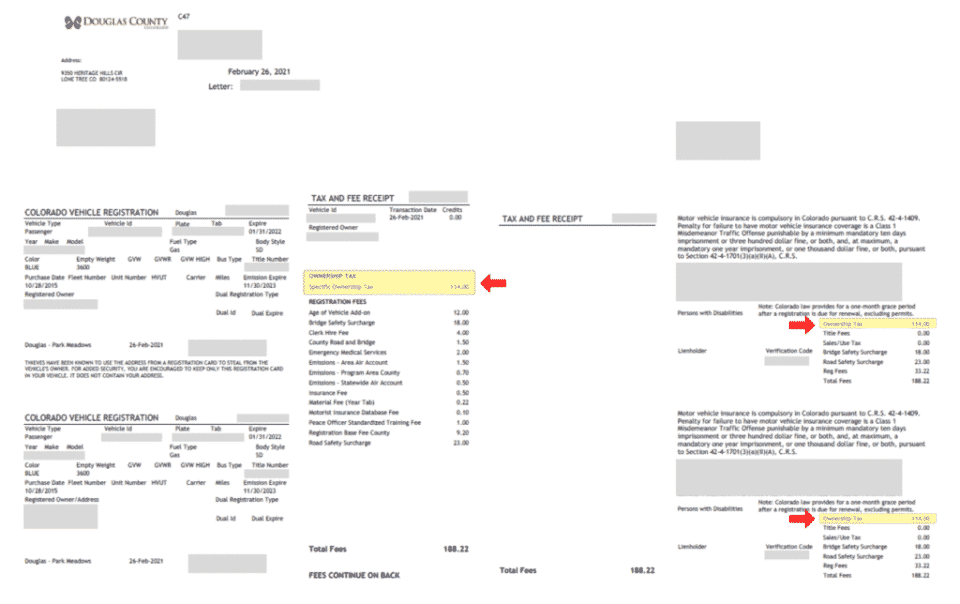
At the core of Colorado’s registration system is the Specific Ownership Tax (SOT). This tax is unique in how it calculates your annual fee based on the vehicle’s original manufacturer’s suggested retail price (MSRP) and its age. The older your vehicle, the lower its SOT, which can be a significant advantage for those pursuing a more frugal lifestyle or driving an older, reliable car.
The SOT calculation follows a tiered depreciation schedule:
- First Registration (First year of service): 2.10% of the taxable value (which is 85% of the original MSRP).
- Second Registration (Second year of service): 1.50% of the taxable value.
- Third Registration (Third year of service): 1.20% of the taxable value.
- Fourth Registration (Fourth year of service): 0.90% of the taxable value.
- Fifth to Ninth Registration (Fifth through ninth year of service): 0.45% of the taxable value.
- Tenth and Subsequent Registrations: A flat $3 per year.
This structure means that the initial years of owning a new vehicle in Colorado are the most expensive, while older vehicles become considerably cheaper to register. This directly influences purchasing decisions for those on a tight budget or those who prioritize owning vehicles for the long haul as part of their sustainable lifestyle choices. For instance, a vehicle with an original MSRP of $30,000 might have an SOT of several hundred dollars in its first year, but this will steadily decline over time, eventually reaching just $3 annually. This is a vital piece of information for digital nomads considering a long-term stay, or families planning to relocate permanently.
Weight-Based Road and Bridge Fees
Beyond the SOT, Colorado levies road and bridge fees that are primarily based on the vehicle’s weight. Heavier vehicles, such as large SUVs, trucks, and RVs, which are popular choices for adventurers exploring [Colorado](https://lifeoutofthebox.com/colorado]’s backcountry, will incur higher fees. This is because heavier vehicles typically cause more wear and tear on state roads and bridges.
For passenger vehicles, the fees typically range from $12 to $25, but for larger commercial vehicles or heavy recreational vehicles, these fees can be considerably higher. If your Colorado lifestyle involves towing a trailer, driving a camper van, or navigating mountainous terrain in a robust pickup, understanding this component of your registration cost is essential for accurate budgeting.
Emissions Testing and Air Quality Surcharges
Certain counties along Colorado’s Front Range, including Denver, Boulder, Aurora, Colorado Springs, and Fort Collins, require vehicles to undergo emissions testing as part of the registration or renewal process. This mandate applies to vehicles between 7 and 11 model years old and ensures cleaner air in these densely populated areas. The emissions test itself costs around $25, an additional expense that must be factored into your annual budget if you reside in one of these “enhanced emissions” areas.
In addition to the test, there’s often an air quality surcharge added to the registration fee, further supporting state initiatives to improve air quality. For many who choose to live in Colorado for its pristine environment and outdoor lifestyle, these fees are a small contribution to maintaining the very qualities that attract them to the state.
County and State-Specific Fees
While the SOT, road and bridge fees, and emissions-related costs are largely statewide or regionally uniform, there can be minor variations in other county and state-specific fees. Each of Colorado’s 64 counties might have small administrative fees or local surcharges. For example, Jefferson County might have a slightly different combination of small fees compared to Larimer County or El Paso County. It’s always prudent to check the specific Department of Motor Vehicles (DMV) website for your particular county (Adams County, Douglas County, Weld County are other examples of major counties) to get the most accurate estimate for your situation. These small fees, while not individually substantial, accumulate and are crucial for comprehensive budgeting, especially for those meticulously tracking expenses for a budget travel or nomadic lifestyle.
Budgeting for Your Colorado Automotive Lifestyle
Integrating vehicle registration costs into your overall financial plan for living in or exploring Colorado requires foresight and a good understanding of the state’s fee structure. Whether you’re a long-term resident or considering a temporary move, strategic budgeting can make the process smoother and more predictable.
Estimating Annual Renewal Costs
After the initial registration year, which often includes higher SOT and potentially sales tax, your annual renewal costs will typically settle into a more predictable range. For a common passenger vehicle, such as a 3-5 year old sedan or small SUV, you might expect annual renewal fees to fall anywhere from $150 to $500, depending heavily on its original value, current age, and weight. Newer, more expensive vehicles will reside at the higher end of this spectrum, while older, more modest cars will be significantly less.
For example, a five-year-old vehicle with an original MSRP of $25,000 could have an SOT of around $100-$150, plus standard road and bridge fees ($12-$25), and potentially emissions testing fees ($25) and air quality surcharges ($1-$2). This adds up to a recurring expense of approximately $140-$200 annually, a figure that can significantly impact a carefully planned budget. It’s important to remember that these figures are estimates; the exact amount will be provided by your county DMV.
Impact on Different Lifestyles: Nomads, Long-Term Stays, and Permanent Residents
The implications of Colorado’s registration fees vary widely depending on your lifestyle choices:
- Digital Nomads: If you plan a temporary base in Colorado for more than 90 days, you’re generally required to register your vehicle. This means factoring in these costs, which might be higher than what you’d pay in your previous state of residency, especially for newer vehicles. It’s a crucial point for comparing the financial viability of a Colorado base versus another state.
- Long-Term Stays/Seasonal Residents: For those spending extended periods in Colorado (e.g., ski season or summer mountain retreats), registering your vehicle is likely necessary. Understanding the SOT depreciation schedule can inform decisions about bringing an older vehicle versus purchasing a newer one locally, impacting your overall cost of living during your extended stay.
- Permanent Residents: For those making Colorado their permanent home, vehicle registration becomes a standard, annual household expense, much like insurance or utilities. Long-term residents benefit most from the declining SOT, as their vehicles age and costs reduce over time, freeing up budget for other lifestyle pursuits or investments.
Smart Strategies for Cost Management
Proactive planning can help minimize the financial impact of vehicle registration:
- Research Specific Vehicle Costs: Before purchasing a vehicle in Colorado or moving with an existing one, use online calculators (often found on county DMV websites) to estimate your specific SOT and other fees. Knowing the exact original MSRP of your vehicle is key.
- Consider Vehicle Age: If budget is a major concern, opting for an older, well-maintained used vehicle can significantly reduce your annual SOT, as well as the initial sales tax if you purchase it locally. This aligns well with a budget-conscious lifestyle.
- Budget for Emissions Tests: If you live in an enhanced emissions county, set aside the $25-$30 for the test fee when budgeting for your annual renewal. Proactive maintenance can help ensure your vehicle passes on the first attempt, avoiding retest fees.
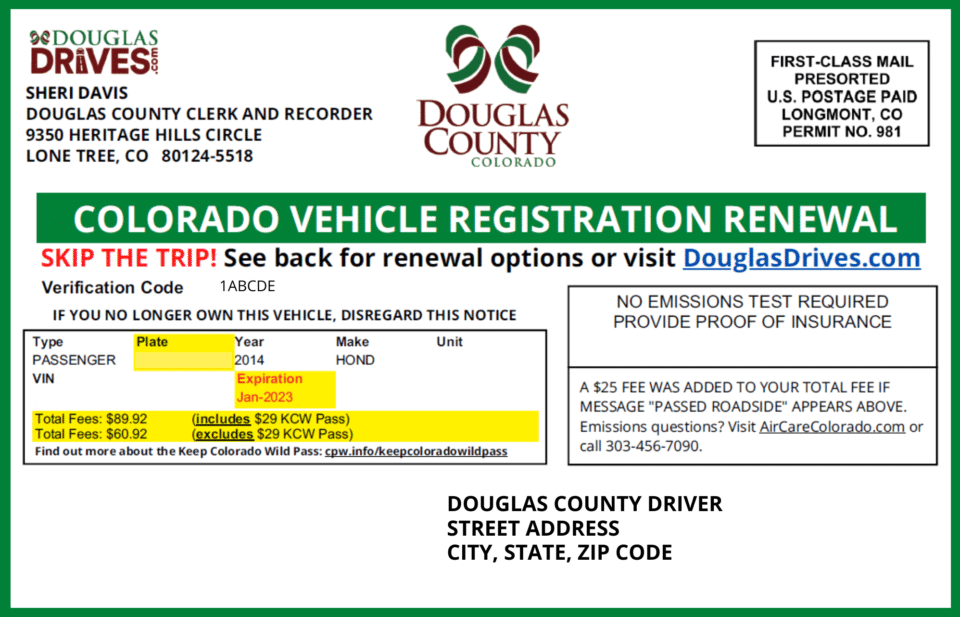
- Utilize Online Renewals: Many Colorado counties offer online vehicle registration renewal, which can save time and effort compared to visiting a DMV office in person. This convenience is a small but valuable amenity for a busy lifestyle.
- Plan Ahead for Insurance: While not a registration fee, proof of valid Colorado insurance is mandatory for registration. Ensure your insurance coverage is in order before starting the registration process.
The Broader Picture: Why Colorado Registration Matters for Your Journey
Beyond the direct financial implications, understanding and fulfilling your vehicle registration obligations in Colorado plays a critical role in your overall journey and experience within the state. It’s about more than just numbers on a ledger; it’s about seamlessly integrating into the local framework and contributing to the community that makes Colorado so vibrant.
Beyond the Fees: Compliance and Peace of Mind
Ensuring your vehicle is properly registered and renewed on time provides invaluable peace of mind. Operating an unregistered vehicle can lead to fines, penalties, and potential complications with law enforcement, especially if you’re involved in an accident. For those embracing the freedom of the open road or enjoying Colorado’s extensive network of scenic byways and mountain passes, compliance means you can explore without unnecessary stress or legal worries. It’s a fundamental aspect of responsible living and traveling, allowing you to focus on the breathtaking vistas of the Rocky Mountains or the cultural richness of Denver without bureaucratic headaches. Proper registration is a foundation for a smooth and enjoyable Colorado lifestyle.

Contributing to Colorado’s Infrastructure
The fees collected from vehicle registration, including the Specific Ownership Tax, road and bridge fees, and various surcharges, are vital revenue streams for Colorado. These funds are primarily allocated to maintaining and improving the state’s extensive network of roads, bridges, and transportation infrastructure. They also support public safety initiatives, environmental programs, and air quality efforts, particularly in the Front Range urban corridor.
By registering your vehicle in Colorado, you are directly contributing to the upkeep of the very resources that enhance your quality of life and enable your adventures. Whether you’re commuting to work in Boulder, taking a weekend trip to a mountain resort, or traversing the vast plains, your fees help ensure that [Colorado](https://lifeoutofthebox.com/colorado]’s infrastructure remains robust and accessible. This civic contribution is an integral part of becoming a part of the Colorado community, reflecting a shared investment in the state’s future and its continued appeal for diverse and vibrant lifestyles. Understanding this broader impact can add a layer of meaning to what might otherwise seem like just another required payment.
LifeOutOfTheBox is a participant in the Amazon Services LLC Associates Program, an affiliate advertising program designed to provide a means for sites to earn advertising fees by advertising and linking to Amazon.com. Amazon, the Amazon logo, AmazonSupply, and the AmazonSupply logo are trademarks of Amazon.com, Inc. or its affiliates. As an Amazon Associate we earn affiliate commissions from qualifying purchases.