
For many individuals and couples choosing to build a life together, the notion of marriage is a deliberate, often celebratory, public declaration. However, in states like Colorado, couples can inadvertently find themselves in a legally recognized common law marriage without ever exchanging vows or obtaining a marriage license. Understanding the nuances of common law marriage in Colorado is crucial for anyone who desires to maintain their single status while cohabiting or engaging in a committed relationship. This guide offers insights into how to proactively avoid the legal implications of common law marriage, ensuring your lifestyle choices align with your legal standing.

Understanding Colorado’s Common Law Marriage Landscape
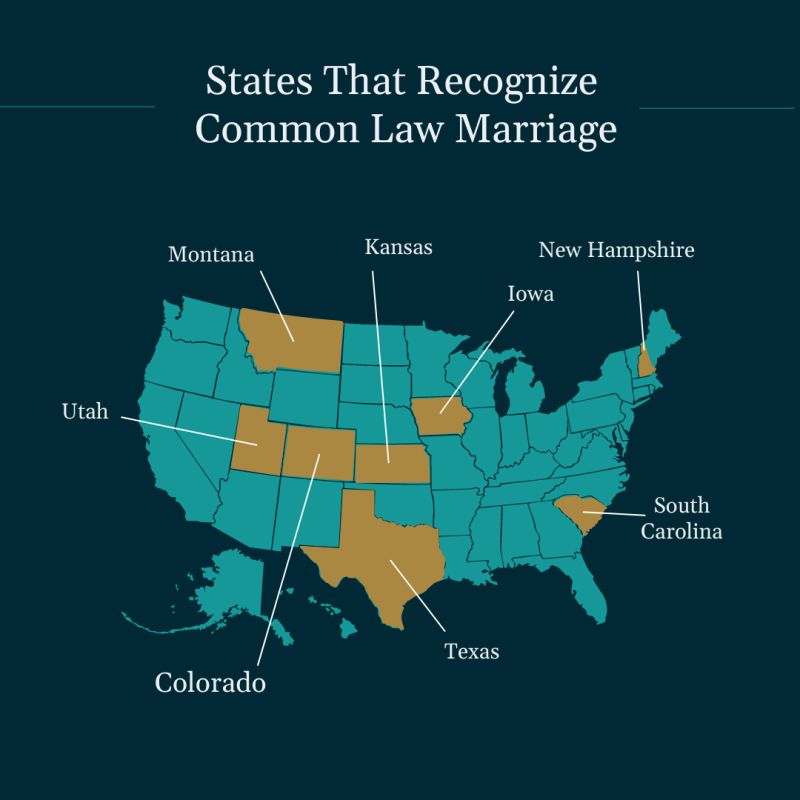
Colorado is one of the few states that still recognizes common law marriage. Unlike traditional marriage, a common law marriage is not established through a formal ceremony but through the actions and intentions of the couple. The core principle revolves around the couple’s mutual agreement to be married and their public representation of themselves as such.
Defining “Holding Out” and Mutual Intent
The two primary elements a Colorado court will examine when determining if a common law marriage exists are:
- Mutual Intent to Marry: Both parties must have a present intent to enter into a marital relationship. This is not about intent to get married in the future, but a present desire to be married now.
- Holding Out as Married: The couple must outwardly present themselves to the community as a married couple. This “holding out” can manifest in various ways, such as using the same last name, referring to each other as “husband,” “wife,” or “spouse,” filing joint tax returns, or jointly owning significant property.
It’s important to stress that there is no single checklist that definitively proves or disproves common law marriage. Courts consider the totality of the circumstances. The standard is whether the parties “present themselves as husband and wife to the public, or by their conduct assume the marital relation.” This means that even if you never explicitly say “we are married,” your actions and how others perceive your relationship can be paramount.
The Absence of a “Magic Number”
A common misconception is that living together for a certain number of years automatically creates a common law marriage. This is not true in Colorado. There is no specific duration of cohabitation that triggers common law marriage. A couple could live together for decades and never form a common law marriage if they lack the mutual intent and public representation. Conversely, a couple could form a common law marriage after a relatively short period if the intent and holding out are clearly present. The focus remains squarely on the parties’ intent and their public conduct, not merely the passage of time.
Proactive Measures to Safeguard Your Marital Status
For those committed to maintaining their single status, particularly when sharing a life with a partner in Colorado, deliberate and consistent actions are essential. It’s about consciously shaping your lifestyle choices to reflect your non-marital intent.
Clear Communication and Shared Understanding
The foundation of avoiding common law marriage is unambiguous communication between partners. Both individuals must explicitly agree that they do not intend to be married, now or in the future, and that they desire to maintain separate legal identities. This understanding should be revisited periodically, especially during significant life events like moving in together, purchasing property, or having children. Verbal agreements, while helpful, can be difficult to prove in court. Therefore, documenting this shared understanding in writing can provide stronger evidence of non-marital intent. This documentation is not a guarantee but serves as a crucial piece of evidence in case of dispute.
Maintaining Separate Finances and Property
One of the most significant indicators courts consider is the intertwining of finances and property. To avoid the appearance of a marital union, it is advisable to keep financial affairs as separate as possible:
- Individual Bank Accounts: Maintain separate checking and savings accounts. While a joint account for household expenses might seem practical, it can be viewed as evidence of a unified economic life. If a joint account is deemed necessary, ensure it is limited to specific, agreed-upon shared expenses, and avoid commingling all funds.
- Separate Credit: Apply for and maintain credit in your individual names. Avoid co-signing loans or adding your partner as an authorized user on your credit cards unless absolutely essential and with clear documentation of intent.
- Individual Property Ownership: When purchasing assets like homes, vehicles, or significant investments, consider holding them in individual names or through formal partnership agreements (e.g., tenants in common) that clearly delineate ownership percentages and responsibilities, rather than as joint tenants with rights of survivorship, which is more common among married couples.
- Tax Filings: File your taxes as “single” or “head of household” (if applicable), not “married filing jointly” or “married filing separately.” This is a strong indicator of how you present yourselves to a government authority.
Formalizing Agreements for Joint Endeavors
When engaging in joint ventures, such as co-owning a business, sharing a lease, or making substantial investments together, formal written agreements are paramount. These documents can explicitly state the non-marital nature of your relationship and outline the rights and responsibilities of each partner, much like a business partnership agreement. This approach reinforces the idea that your shared endeavors are contractual, not marital.

Legal Tools for Intentional Non-Marriage
Beyond daily practices, specific legal instruments can robustly declare your intent to remain unmarried, providing a clearer framework for your lifestyle choices.
Cohabitation Agreements: A Clear Declaration
A Cohabitation Agreement, sometimes called a “Living Together Agreement,” is perhaps the most powerful tool for unmarried couples in Colorado seeking to avoid common law marriage. This legally binding contract outlines the rights and responsibilities of each partner regarding finances, property, and support in the event the relationship ends. Crucially, a well-drafted cohabitation agreement will explicitly state that the parties do not intend to be married, either now or in the future, and that their relationship is not, and shall not be construed as, a common law marriage. It details how assets acquired during the relationship will be divided, how debts will be handled, and any agreements regarding spousal support (or lack thereof). Seeking the advice of a qualified attorney to draft this document is highly recommended to ensure it is enforceable and accurately reflects your intentions.
Estate Planning and Beneficiary Designations
For unmarried partners, careful estate planning is vital. Without a legal marriage, your partner may not automatically inherit from your estate or have decision-making authority in medical emergencies. To ensure your wishes are honored:
- Wills and Trusts: Clearly name your partner as a beneficiary in your will or trust if you wish for them to inherit specific assets.
- Beneficiary Designations: Update beneficiary designations on all financial accounts, retirement plans (like 401ks and IRAs), and life insurance policies to explicitly name your partner if that is your intent. Without this, default laws will likely direct these assets to blood relatives.
- Powers of Attorney: Execute Durable Powers of Attorney for financial matters and Medical Powers of Attorney (or healthcare directives) to grant your partner the authority to make decisions on your behalf if you become incapacitated. These documents directly counter the presumption of marital status by demonstrating a deliberate, contractual assignment of responsibilities.
Powers of Attorney and Healthcare Directives
As mentioned, these documents are crucial for unmarried couples. A Durable Power of Attorney for Financial Matters allows your chosen agent (your partner, in this case) to manage your finances if you are unable to do so. A Medical Power of Attorney or Advance Directive for Healthcare grants your partner the authority to make medical decisions for you if you become incapacitated. Without these, your next of kin (parents, siblings, children) would likely be granted these rights by default, regardless of your relationship with your partner. These legal tools are proactive steps to manage your life and assets in accordance with your preferences, independently of marital status.
Practical Considerations for Unmarried Cohabitants
Maintaining an unmarried lifestyle in a state that recognizes common law marriage requires diligence not only in legal documentation but also in daily interactions and public perception.
Social Perceptions vs. Legal Reality
It’s common for friends, family, and even service providers to assume a long-term cohabiting couple is married. While these social perceptions don’t automatically create a common law marriage, they can contribute to the “holding out” element if you do not actively correct them. It’s often easier to simply let assumptions stand than to correct every person, but consistently referring to each other as “partner,” “boyfriend,” or “girlfriend” rather than “husband” or “wife” reinforces your non-marital status. Similarly, if someone introduces you as “my wife,” gently clarifying “my partner” can be a small but impactful way to maintain your legal boundaries.
The Importance of Independent Lives
While sharing a life, maintaining aspects of individual independence can serve as evidence against marital intent. This includes:
- Separate Social Circles: Having individual friends and hobbies demonstrates distinct personal identities.
- Individual Decision-Making: While you may consult each other, making significant personal decisions independently reinforces your separate legal standing.
- Maintaining Pre-Marital Assets: Keeping separate records of assets owned prior to cohabitation and avoiding commingling them with jointly acquired property can be helpful.
Seeking Professional Legal Counsel
Navigating the complexities of common law marriage in Colorado is best done with the guidance of a legal professional. An experienced family law attorney can help you:
- Assess your specific situation and potential risks.
- Draft comprehensive cohabitation agreements.
- Advise on appropriate estate planning documents.
- Provide strategies to consistently reinforce your non-marital intent in your lifestyle and legal dealings.
Even if you and your partner are in complete agreement about not wanting to be married, situations can change, and legal disputes can arise unexpectedly. Investing in legal advice now can prevent significant complications and expenses down the line, ensuring your personal choices regarding your lifestyle are legally protected.
LifeOutOfTheBox is a participant in the Amazon Services LLC Associates Program, an affiliate advertising program designed to provide a means for sites to earn advertising fees by advertising and linking to Amazon.com. Amazon, the Amazon logo, AmazonSupply, and the AmazonSupply logo are trademarks of Amazon.com, Inc. or its affiliates. As an Amazon Associate we earn affiliate commissions from qualifying purchases.