
The weather in Tulsa, Oklahoma plays a significant role in shaping the daily lives of its residents and influencing the experiences of visitors. Nestled in the northeastern part of the state, Tulsa experiences a humid subtropical climate, characterized by distinct seasons. Understanding these seasonal shifts, the typical temperature ranges, and the potential for severe weather is crucial for anyone planning a visit or simply navigating life in this vibrant city.
Understanding Tulsa’s Climate Patterns
Tulsa’s climate is a tale of four seasons, each with its own charm and challenges. The city experiences hot, humid summers, mild to cool winters, and pleasant spring and autumn periods. This variability is largely due to its inland location, far from the moderating influence of large bodies of water, and its position in Tornado Alley, a region notorious for its volatile weather.
Seasonal Breakdown
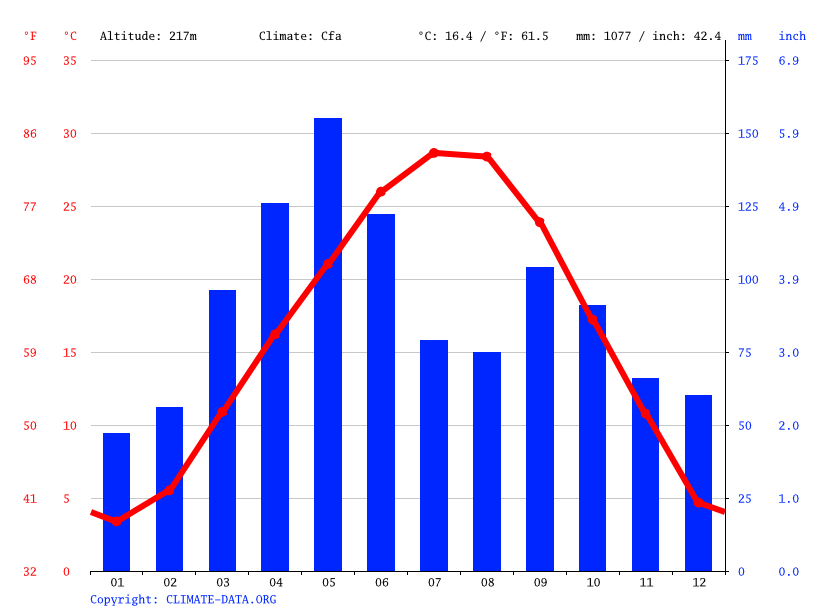
Summers (June – August): These months are defined by heat and humidity. Daily high temperatures frequently soar into the 90s Fahrenheit (around 32-37 degrees Celsius), and the humidity can make it feel even hotter. Thunderstorms are common, often providing temporary relief from the heat but occasionally bringing heavy rain and lightning. Early mornings and late evenings are generally the most comfortable times of day for outdoor activities.
Autumn (September – November): Fall in Tulsa is often considered the most beautiful season. The oppressive humidity of summer recedes, giving way to crisp air and clear skies. Temperatures gradually cool, with daytime highs typically in the 70s and 80s Fahrenheit (21-29 degrees Celsius) in September, dropping into the 50s and 60s Fahrenheit (10-15 degrees Celsius) by November. This is an ideal time for exploring the city’s outdoor attractions, enjoying fall foliage, and participating in various festivals.
Winters (December – February): Tulsa winters are generally mild but can bring periods of cold. Average high temperatures hover in the 40s Fahrenheit (around 4-9 degrees Celsius), with overnight lows often dipping below freezing. Snowfall is not a consistent feature, but when it does occur, it can range from a light dusting to a few inches. Ice storms are also a possibility, which can cause significant travel disruptions. The occasional cold snap can bring temperatures into the teens or single digits Fahrenheit (-12 to -7 degrees Celsius).
Spring (March – May): Spring is a season of transition and often the most dynamic in terms of weather. It begins cool and can quickly warm up, with temperatures climbing into the 60s and 70s Fahrenheit (15-26 degrees Celsius). However, this is also the period when Tulsa is most susceptible to severe weather. Tornadoes, hailstorms, and strong winds are a distinct possibility, making it crucial for residents and visitors to stay informed about weather alerts. The lush green of the landscape returns, and flowers begin to bloom, making it a visually appealing time to visit.
Temperature Trends and Averages
Understanding the average temperatures for each month provides a clearer picture of what to expect when visiting or living in Tulsa.
Monthly Temperature Averages (Approximate)
- January: Highs around 46°F (8°C), Lows around 25°F (-4°C)
- February: Highs around 50°F (10°C), Lows around 27°F (-3°C)
- March: Highs around 60°F (16°C), Lows around 36°F (2°C)
- April: Highs around 70°F (21°C), Lows around 45°F (7°C)
- May: Highs around 78°F (26°C), Lows around 55°F (13°C)
- June: Highs around 87°F (31°C), Lows around 65°F (18°C)
- July: Highs around 91°F (33°C), Lows around 69°F (21°C)
- August: Highs around 90°F (32°C), Lows around 68°F (20°C)
- September: Highs around 83°F (28°C), Lows around 60°F (16°C)
- October: Highs around 71°F (22°C), Lows around 47°F (8°C)
- November: Highs around 57°F (14°C), Lows around 35°F (2°C)
- December: Highs around 47°F (8°C), Lows around 26°F (-3°C)
These are average figures, and actual temperatures can deviate significantly. Heatwaves in the summer can push temperatures well into the 100s Fahrenheit (above 38 degrees Celsius), while winter cold snaps can bring prolonged periods of sub-freezing temperatures.
The Specter of Severe Weather
As part of Tornado Alley, Tulsa is no stranger to severe weather phenomena. Awareness and preparedness are paramount, especially during the spring months.
Tornadoes and Severe Thunderstorms
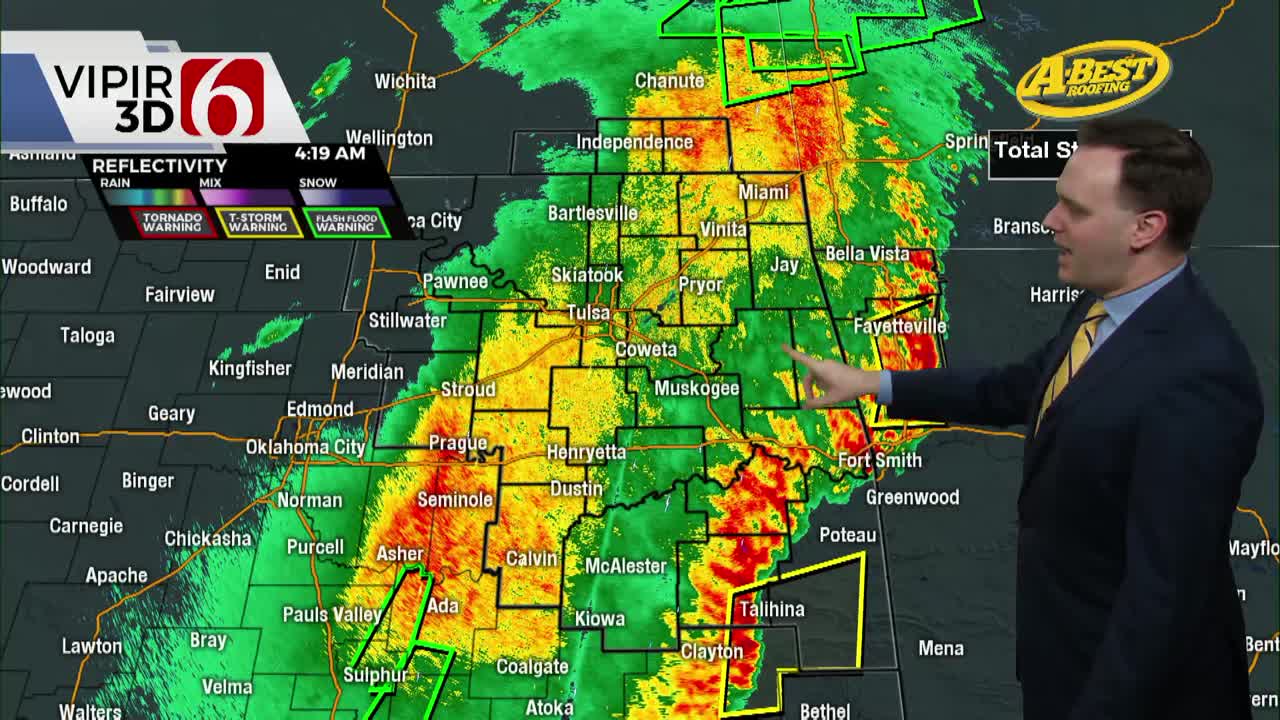
The period from March through June is when the risk of tornadoes is highest. These powerful rotating columns of air can form rapidly, posing a significant threat to life and property. Residents are urged to have a plan in place, including identifying safe shelter locations within their homes or workplaces. During severe thunderstorms, strong winds, large hail, and flash flooding can also occur. Staying informed through local news channels, weather radio, and mobile weather apps is essential. The National Weather Service provides critical advisories and warnings for the region.
Humidity and Heat Index
During the summer months, the combination of high temperatures and high humidity can create dangerous conditions due to the heat index, which is what the temperature feels like to the human body when relative humidity is factored in. When the heat index reaches dangerous levels, heat-related illnesses such as heat exhaustion and heatstroke become a serious concern. Staying hydrated, seeking air-conditioned environments, and limiting outdoor strenuous activity during the hottest parts of the day are crucial preventive measures.
Winter Weather Hazards
While less dramatic than tornadoes, winter weather can also present challenges. Freezing rain and sleet can create treacherous driving conditions, leading to numerous accidents. Power outages due to ice accumulation on power lines are also a possibility. Temperatures dropping significantly below freezing can pose a risk to those without adequate heating.
Planning Your Visit Around the Weather
For travelers, understanding Tulsa’s weather patterns can significantly enhance their trip.
Best Times to Visit
The shoulder seasons—spring (April-May) and fall (September-October)—are generally considered the ideal times to visit Tulsa, Oklahoma. During these months, the temperatures are more moderate, making it pleasant to explore the city’s numerous attractions, from the Philbrook Museum of Art to the Tulsa Zoo and the historic Blue Dome District. The natural beauty of the region is also at its peak during these periods, with vibrant spring blooms or colorful autumn foliage.
Preparing for Summer Travel
If visiting during the summer, be prepared for the heat and humidity. Pack lightweight, breathable clothing, sunscreen, and a hat. Plan indoor activities for the hottest parts of the day, such as visiting the Gathering Place, exploring the Oklahoma Aquarium, or enjoying the city’s dining scene. Stay hydrated by drinking plenty of water.
Packing for Winter Stays
For winter visits, layers are key. Include warm coats, hats, gloves, and waterproof footwear. While snow is not guaranteed, it’s wise to be prepared for colder temperatures and potential ice. This is a good time to enjoy indoor attractions like the Living Arts of Tulsa or catch a performance at the Tulsa Performing Arts Center.

Staying Informed and Safe
Regardless of the season, staying informed about current weather conditions and forecasts is essential for safety and enjoyment in Tulsa. Local news stations, reliable weather apps, and the National Weather Service are invaluable resources for real-time updates and severe weather alerts. By understanding and respecting the climate of Tulsa, Oklahoma, visitors and residents can better plan their activities and ensure their safety.
LifeOutOfTheBox is a participant in the Amazon Services LLC Associates Program, an affiliate advertising program designed to provide a means for sites to earn advertising fees by advertising and linking to Amazon.com. Amazon, the Amazon logo, AmazonSupply, and the AmazonSupply logo are trademarks of Amazon.com, Inc. or its affiliates. As an Amazon Associate we earn affiliate commissions from qualifying purchases.