
The pulse of a great city is often measured by its vibrancy, its cultural richness, its economic prowess, and perhaps most fundamentally, by the number of people who call it home. When considering Chicago, one of the most iconic metropolises in the United States, the question of its population immediately surfaces. Beyond a simple numerical figure, the answer reveals a dynamic narrative of urban development, diverse communities, and a thriving environment that beckons both residents and visitors alike.
So, how many people live in the city of Chicago? According to the latest estimates from the US Census Bureau, the city proper of Chicago is home to approximately 2.7 million residents. This figure positions Chicago as the third-most populous city in the United States, a testament to its enduring appeal and significant role on the national and global stages. However, this number only tells part of the story. The broader metropolitan area, known as Chicago-Naperville-Elgin, IL-IN-WI Metropolitan Statistical Area (MSA), encompasses an astounding 9.5 million people, spanning across Illinois, Indiana, and Wisconsin. This vast region functions as a cohesive economic and cultural powerhouse, with the city of Chicago serving as its undeniable heart.
Understanding Chicago’s population is crucial for anyone interested in travel, tourism, and lifestyle within this magnificent city. A population of millions translates directly into a diverse range of attractions, a comprehensive network of hotels and accommodation options, a rich tapestry of local cultures and cuisines, and a vibrant lifestyle that caters to every preference, from luxury travel to budget-friendly adventures.
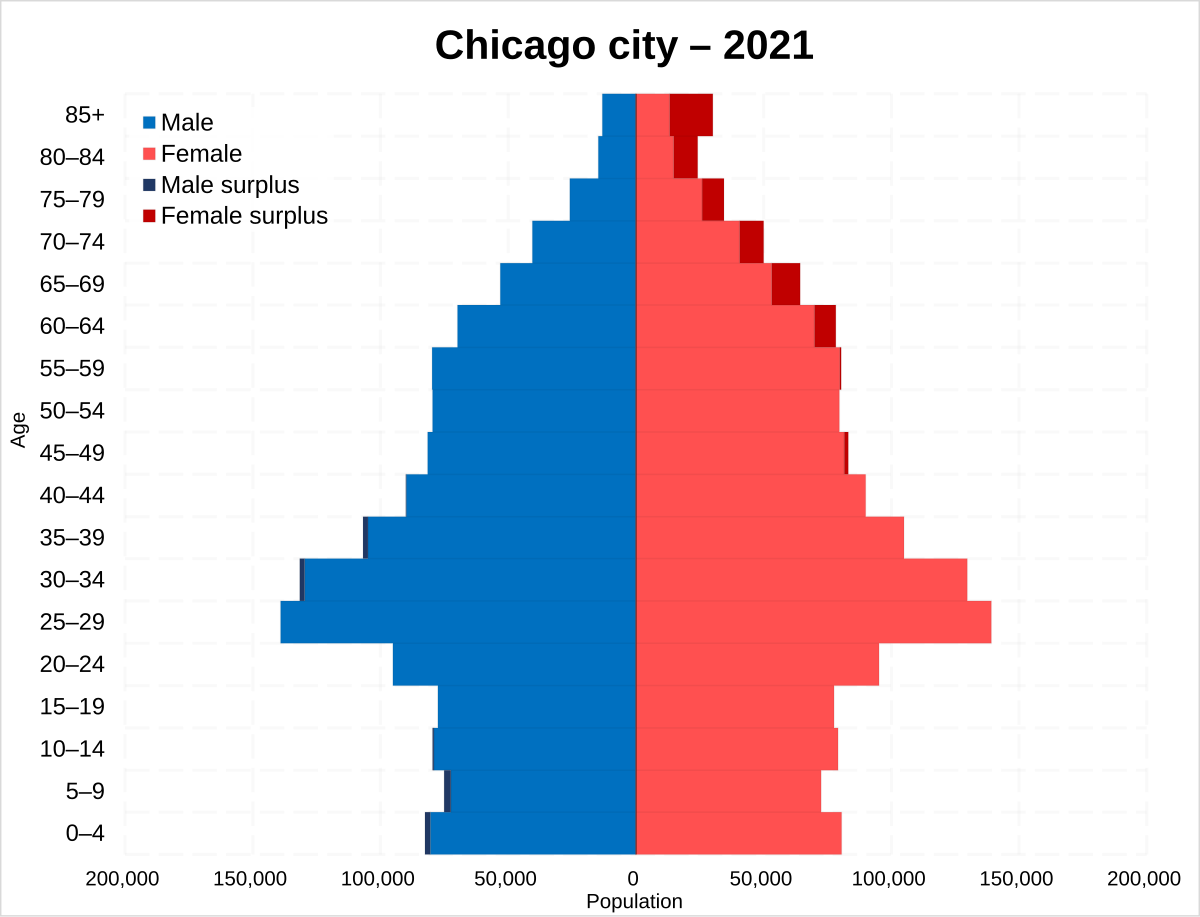
Chicago’s Dynamic Population: A Snapshot
The sheer scale of Chicago’s population is a fundamental aspect of its identity, influencing everything from its bustling public transport systems to the density of its iconic skyscrapers. The number of residents not only shapes the city’s internal dynamics but also significantly impacts its external appeal as a global destination.
The Current Count: Unpacking the Latest Data
At roughly 2.7 million residents within its city limits, Chicago stands as a titan among North American cities. This figure represents a slight decrease from its peak population in the mid-20th century but highlights a period of stabilization and even resurgence in recent decades, particularly in its downtown core and vibrant neighborhoods. The concentration of this population within the city’s roughly 234 square miles creates a remarkably dense urban environment, fostering innovation, culture, and a distinct sense of community within its many distinct districts.
This high population density means that every street corner often buzzes with activity, from commuters heading to work in The Loop to tourists exploring world-class landmarks. For travelers, this translates into a city that always feels alive, offering endless opportunities for engagement and discovery. The demand generated by millions of residents also ensures a constant evolution in the city’s offerings, from new restaurants to cutting-edge entertainment venues.
Understanding Population Density and Urban Sprawl
While the city proper maintains a high density, the broader metropolitan area showcases the concept of urban sprawl, extending for miles in every direction. The 9.5 million people spread across the wider Chicago region rely on a complex network of infrastructure, including highways, commuter rail lines, and airports like O’Hare International Airport and Midway International Airport, to connect the various suburban communities to the central hub.
This expansive reach means that visitors to Chicago can experience not just the quintessential downtown energy but also explore charming suburban towns, each with its own character and attractions. The interplay between the dense urban core and the sprawling suburbs offers a rich tapestry of experiences, from quiet residential streets to vibrant urban centers, contributing to the overall allure of the region as a destination for diverse lifestyles and travel preferences. For instance, a family looking for a quieter stay might opt for accommodation outside the immediate city center, while still having easy access to all of Chicago’s major attractions.
A Historical Perspective: Growth, Decline, and Resurgence
Chicago’s population story is not static; it’s a dynamic saga reflecting the broader socio-economic shifts of the United States. From its humble beginnings to its industrial peak and modern transformation, the city’s demographic journey offers valuable insights into its current character.
From Trading Post to Metropolis: Early Population Boom
Founded as a trading post in the early 19th century, Chicago experienced explosive growth following its incorporation in 1837. Its strategic location on Lake Michigan and its emergence as a major railway hub fueled an unprecedented population boom. By the turn of the 20th century, Chicago had cemented its status as one of the largest and most important cities in the United States, attracting millions of immigrants seeking economic opportunity. This rapid growth established the foundational diversity and industrious spirit that still define the city today. The early influx of people also led to the development of many of Chicago’s architectural marvels and world-renowned institutions, which now serve as key landmarks and tourist attractions.
Shifting Demographics and Modern Trends
The mid-20th century saw Chicago’s population peak at over 3.6 million in the 1950s. However, like many other Rust Belt cities, it experienced a period of decline through the latter half of the century as industries shifted and populations moved to the suburbs and Sun Belt states. Yet, in recent decades, Chicago has shown remarkable resilience and resurgence. Urban revitalization efforts, a booming tech sector, and a renewed appreciation for city living have attracted new residents, especially younger professionals and families, to its diverse neighborhoods.
Today’s demographic trends show a city that continues to attract a global population, contributing to its rich cultural mosaic. This evolving demographic shapes the city’s lifestyle offerings, from its incredibly diverse food scene to its vibrant arts and music venues, ensuring that there’s always something new to discover for both residents and tourists exploring local culture.
The Vibrant Tapestry: Population’s Impact on Chicago’s Identity
The millions of people who inhabit Chicago are not just a number; they are the heart and soul of the city, collectively shaping its identity, economy, and the unique experiences it offers. Their diverse backgrounds and daily lives contribute to the dynamic tapestry that makes Chicago such an appealing destination.
A Hub for Diverse Lifestyles and Communities
One of the most profound impacts of Chicago’s large population is the incredible diversity of its communities and lifestyles. From the bustling financial district of The Loop to the upscale elegance of the Gold Coast and Streeterville, the bohemian charm of Wicker Park, the academic atmosphere of Hyde Park, and the family-friendly vibe of Lincoln Park, each neighborhood offers a distinct flavor. This mosaic of cultures means that visitors can literally “travel the world” within the city limits, experiencing different cuisines, traditions, and local customs.
This diversity enriches the city’s tourism appeal, offering everything from authentic ethnic restaurants to a wide array of cultural festivals and events throughout the year. Whether you’re interested in luxury travel experiences or exploring Chicago on a budget, the city’s varied communities provide countless opportunities for unique adventures and local immersion. It’s a city where every visitor can find a niche that resonates with their interests, from sports enthusiasts flocking to Wrigleyville to art lovers immersing themselves in the Art Institute of Chicago.
Economic Engine: Jobs, Innovation, and Business Travel
Chicago’s massive population base fuels a robust and diverse economy. It serves as a major hub for finance, technology, healthcare, manufacturing, and transportation. This economic vitality creates a wealth of job opportunities, attracting talent from across the globe and contributing to the city’s continuous growth and innovation. The presence of numerous Fortune 500 companies and a burgeoning startup scene makes Chicago a significant center for business travel, drawing countless professionals for conferences, meetings, and corporate events.
This strong economic foundation directly impacts the city’s accommodation sector, with a wide range of hotels catering to business travelers, from luxury suites in skyscrapers to comfortable apartments for extended stays. The demand for business amenities, high-speed connectivity, and convenient access to transport hubs like O’Hare International Airport and Midway International Airport drives much of the development in the city’s hotel and tourism infrastructure.

Embracing the Millions: Infrastructure, Tourism, and Accommodation
A city of 2.7 million residents, nestled within a metropolitan area of 9.5 million, requires sophisticated infrastructure and a well-developed tourism industry to cater to both its permanent inhabitants and its millions of annual visitors. Chicago excels in this regard, offering a seamless experience for exploration and comfort.
Navigating a Bustling Metropolis: Transportation and Accessibility
Managing the daily movement of millions of people is a monumental task, and Chicago’s public transportation system is a testament to its urban planning. The ‘L’ train, a historic elevated rail system, along with an extensive bus network, allows residents and tourists alike to navigate the city with ease. This accessibility is a major boon for tourism, enabling visitors to effortlessly reach famous landmarks, explore diverse neighborhoods, and experience Chicago’s myriad attractions without the need for a car.
Furthermore, the city’s central location in the United States makes it easily accessible for domestic and international travelers, with its two major airports handling millions of passengers each year. This robust connectivity ensures that Chicago remains a prime destination for both leisure and business travel, continually drawing in new visitors eager to experience its renowned hospitality.

Catering to Every Visitor: Hotels and Accommodation in a Major City
The sheer volume of people in Chicago directly translates into a vibrant and competitive accommodation market. From historic luxury hotels that have graced the city’s skyline for over a century, like the Palmer House Hilton and The Drake Hotel, to contemporary design-led establishments such as The Peninsula Chicago, Four Seasons Hotel Chicago, and The Langham Chicago, the options are virtually limitless.
Beyond traditional hotels, the city offers a wide array of accommodation types, including boutique hotels, extended-stay apartments for long-term visitors, and vacation rentals, catering to every budget and travel style. Whether you’re planning a luxurious weekend getaway, a family trip needing spacious suites, or a budget-conscious business stay, Chicago’s accommodation landscape is designed to meet diverse needs, with robust booking platforms and review sites helping visitors make informed choices.
The Allure of Landmarks and Attractions for Residents and Tourists
The large resident population also sustains a dense network of attractions and landmarks that cater to a wide range of interests. Iconic architectural marvels like the Willis Tower (formerly Sears Tower), the stunning public art of Millennium Park (home to the famous Cloud Gate sculpture), and the vibrant energy of Navy Pier are magnets for both locals and tourists. Cultural institutions such as the Art Institute of Chicago, the Field Museum, Shedd Aquarium, Museum of Science and Industry, and Adler Planetarium provide endless opportunities for learning and entertainment.
Green spaces like Lincoln Park and Grant Park offer urban oases, while the scenic Chicago Riverwalk provides stunning views and dining experiences. The sporting culture, anchored by teams playing at venues like Wrigley Field and the United Center, further adds to the city’s vibrant lifestyle. The sheer number of residents ensures a constant demand for these attractions, leading to continuous investment and development in the city’s tourism sector. This interplay between a large resident base and a thriving tourism industry solidifies Chicago’s reputation as a world-class destination.
In conclusion, the question of “How many people live in the city of Chicago?” yields an answer far more profound than a simple number. It reveals a bustling metropolis, home to 2.7 million people, who together contribute to its rich history, diverse culture, robust economy, and irresistible appeal as a travel destination. This vibrant population ensures that Chicago continues to evolve, offering an endless array of experiences in travel, hotels, tourism, accommodation, landmarks, and lifestyle for anyone fortunate enough to visit or call it home.
LifeOutOfTheBox is a participant in the Amazon Services LLC Associates Program, an affiliate advertising program designed to provide a means for sites to earn advertising fees by advertising and linking to Amazon.com. Amazon, the Amazon logo, AmazonSupply, and the AmazonSupply logo are trademarks of Amazon.com, Inc. or its affiliates. As an Amazon Associate we earn affiliate commissions from qualifying purchases.