
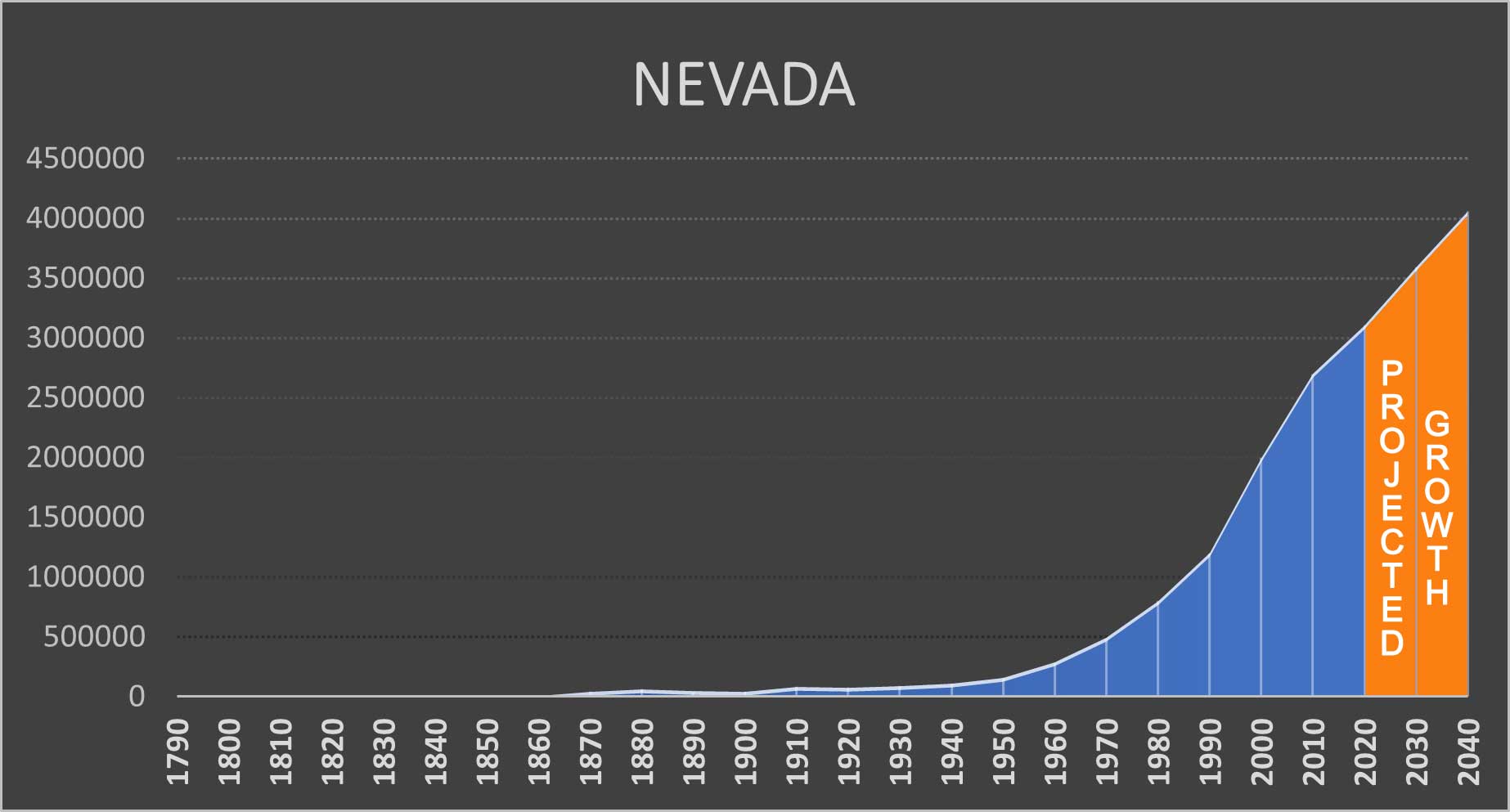
Nevada, often called the Silver State, conjures images of vibrant cities, vast deserts, and stunning natural landscapes. But beneath the glittering facade of Las Vegas and the serene beauty of Lake Tahoe, lies a dynamic human story defined by its population. Understanding “What is the population of Nevada?” is not merely a statistical exercise; it’s a key to unlocking insights into the state’s unique character, its burgeoning tourism industry, evolving lifestyle trends, and the future of its diverse communities. As of recent estimates, Nevada’s population hovers around 3.2 million residents, making it one of the fastest-growing states in the United States. This figure, however, is just the starting point for a deeper exploration into how a fluctuating and expanding population shapes everything from travel destinations and hotel development to local culture and long-term accommodation strategies.
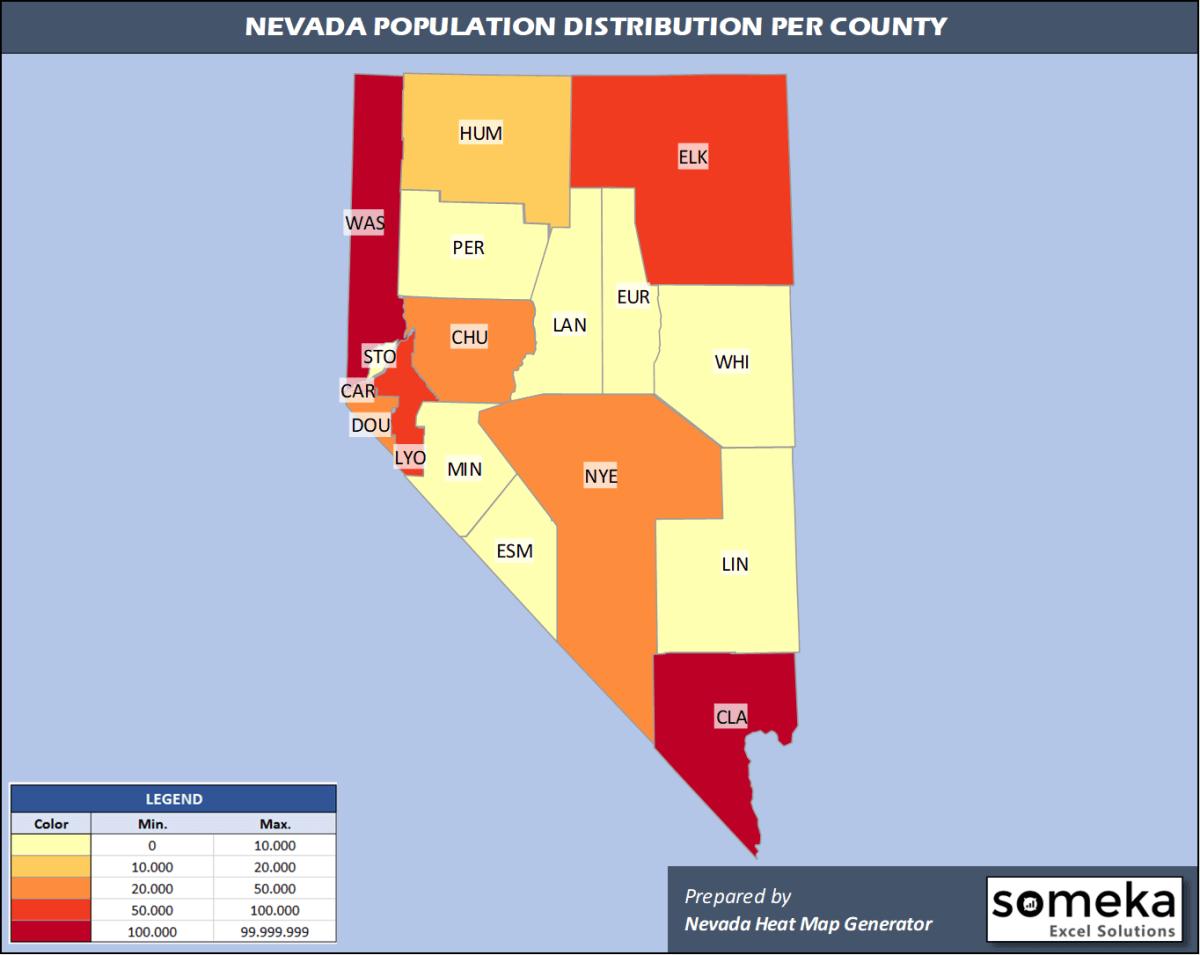
The state’s population isn’t evenly distributed; it’s concentrated in a few key metropolitan areas, primarily the Las Vegas metropolitan area (including Henderson and North Las Vegas) and the Reno metropolitan area (including Sparks). These urban centers act as powerful magnets, drawing in new residents with job opportunities, entertainment, and a distinctive lifestyle. The rapid growth of Nevada’s population has significant implications for every aspect of the state, from the development of new resorts and attractions to the preservation of its natural landmarks and the sustainability of its resources. For travelers, understanding this demographic backdrop can enhance their experience, offering context to the bustling cityscapes and the quiet charm of the state’s more remote regions.

Unpacking Nevada’s Demographic Landscape
The story of Nevada’s population is one of rapid expansion, driven by economic opportunity and an appealing lifestyle. Delving into the numbers reveals more than just statistics; it showcases the forces that have shaped, and continue to shape, the Silver State.
Current Population Snapshot and Recent Trends
As mentioned, the current population of Nevada is approximately 3.2 million people. This number places Nevada firmly among the ranks of states experiencing robust growth. What’s truly remarkable is the rate at which this growth has occurred. In the last decade alone, Nevada has consistently ranked among the top states for population increase, often attributed to its attractive tax environment (no state income tax), relatively lower cost of living compared to neighboring California, and a burgeoning job market beyond the traditional hospitality sector.
This growth isn’t just about raw numbers; it’s about the influx of new residents contributing to the state’s vibrant cultural tapestry. From young professionals seeking opportunities in tech and logistics to retirees drawn by the sunshine and affordability, the demographic shifts are palpable. These new arrivals require not just housing but also services, infrastructure, and leisure options, directly influencing the demand for diverse accommodation types, the expansion of local businesses, and the development of new community-focused amenities. For those interested in long-term stays or relocating, these trends signify a dynamic and competitive market.
A History of Growth and Migration
Nevada’s population history is marked by periods of explosive growth, largely tied to specific economic booms. The initial draw was the Comstock Lode in the mid-19th century, sparking a silver rush that transformed a desolate territory into a bustling mining frontier. Later, the legalization of gambling in 1931 and the construction of the Hoover Dam during the Great Depression brought new waves of migrants and economic activity, laying the foundation for modern Las Vegas.
The latter half of the 20th century and the early 21st century saw sustained growth, particularly in Clark County (home to Las Vegas) and Washoe County (home to Reno). This growth has been fueled by domestic migration, with a significant portion of new residents coming from California, seeking a more affordable lifestyle and a change of pace. The state’s proximity to major California cities has made it an attractive option for those looking to stay relatively close to home while enjoying Nevada’s unique benefits. This historical pattern of migration continues to influence the state’s demographic makeup and its future trajectory, creating a rich blend of cultures and perspectives that enrich the local culture and food scene.
Key Demographic Features
Beyond sheer numbers, the demographic characteristics of Nevada’s population offer deeper insights. The state is notably diverse, with a significant Hispanic/Latino population, along with growing Asian and African American communities. This diversity is reflected in the state’s vibrant culinary scene, its numerous cultural festivals, and the multilingual services offered in major tourist hubs. For tourism, this means a broader appeal to international travelers and a rich array of local experiences for visitors to explore.
The age distribution also plays a role. While Nevada is known for its energetic urban centers attracting a younger demographic, it also has a substantial population of retirees drawn to its sunny climate and active lifestyle options. This blend creates a multifaceted demand for services, from family-friendly attractions and schools to senior living communities and accessible travel experiences. Understanding these demographic nuances helps businesses in the hospitality sector tailor their offerings, whether it’s luxury hotels targeting high-net-worth individuals or budget travel options for families.
Population as a Catalyst for Tourism and Economic Development
The sheer volume and growth of Nevada’s population are intrinsically linked to its economic engine, particularly the colossal industries of tourism and hospitality. Residents not only serve as the workforce for these sectors but also contribute to the local economy as consumers and creators of culture.
The Magnetism of Metropolitan Hubs: Las Vegas and Reno
The majority of Nevada’s population is concentrated in its two largest metropolitan areas: Las Vegas and Reno. These cities are not just places where people live; they are the epicenters of the state’s economic and cultural life, and powerful magnets for tourists worldwide.
The Las Vegas metropolitan area, home to over two-thirds of the state’s population (roughly 2.3 million people in Clark County), is a global icon of entertainment and luxury travel. This dense population provides the massive workforce needed to staff the countless hotels, resorts, casinos, restaurants, and convention centers that define the Las Vegas Strip and downtown Fremont Street Experience. From The Venetian Resort Las Vegas and Bellagio to Aria Resort & Casino and Caesars Palace, the scale of accommodation options is directly supported by both the resident population and the millions of visitors it attracts. The city’s residents also contribute to its vibrant local culture, providing authentic dining experiences and local activities that extend beyond the typical tourist traps.
Reno, the “Biggest Little City in the World,” and its neighbor Sparks, constitute the second-largest population center in Nevada, with around 500,000 residents in Washoe County. While smaller than Las Vegas, Reno’s population supports a thriving local economy, including a growing tech industry, and serves as a gateway to natural wonders like Lake Tahoe and the Sierra Nevada mountains. The presence of a significant resident population ensures a constant demand for hotels like the Silver Legacy Resort Casino or the Grand Sierra Resort, as well as a lively local scene of restaurants, breweries, and cultural events, appealing to both residents and visitors seeking a different kind of Nevada experience.
Fueling the Hotel and Accommodation Sector
The continuously expanding population of Nevada directly fuels the growth and diversification of its hotel and accommodation sector. Beyond the need to house the millions of tourists, there’s a growing demand for long-term stay options for new residents, temporary housing for professionals on business stays, and specialized apartments and villas for various lifestyles.
Population growth in metropolitan areas creates pressure for new residential developments, but it also necessitates an expansion of the hospitality infrastructure. New resorts like Resorts World Las Vegas cater to increasing tourist numbers, while a proliferation of extended-stay hotels and serviced apartments meets the needs of relocating families or contract workers. This dynamic creates a competitive environment for booking and comparison services, as providers vie to offer the best amenities and value. The demand isn’t just for five-star suites; it also extends to budget-friendly options that cater to a diverse demographic, including family trips and solo adventurers exploring Nevada.
Beyond the Bright Lights: Rural Nevada’s Unique Appeal
While the majority reside in urban areas, a significant, albeit smaller, portion of Nevada’s population lives in its vast rural counties. These communities, though less populous, are vital to the state’s identity and offer unique tourism experiences. Cities like Carson City, the state capital, offer a blend of history and outdoor recreation. Towns along Route 50, known as “The Loneliest Road in America,” provide glimpses into Old West charm and access to incredible natural landmarks.
The sparse population in these areas means a different kind of travel experience: uncrowded national parks like Great Basin National Park, pristine natural landscapes, and authentic local culture. The resident population in these regions, though small, contributes significantly to preserving local culture, maintaining historic sites, and providing services for the adventurous traveler. This demographic contrast within Nevada highlights the state’s dual nature: a bustling urban playground and a tranquil frontier for exploration, offering different kinds of accommodations, from rustic cabins to charming bed and breakfasts.
Lifestyle and Community: The Nevada Experience
The population of Nevada defines its diverse lifestyle, influencing everything from daily living to recreational pursuits and the cost of living. The state truly offers a spectrum of experiences, shaped by where and how its residents choose to live.
From Urban Excitement to Outdoor Adventure
Nevada’s population distribution creates a fascinating dichotomy of lifestyles. In the metropolitan areas of Las Vegas and Reno, residents enjoy an urban lifestyle characterized by world-class dining, entertainment, and a bustling nightlife. The presence of large populations supports a diverse array of restaurants offering everything from fine dining to international street food, reflecting the state’s multicultural demographic. Shopping districts, shows, and cultural events thrive on the constant influx of both residents and tourists.
Yet, just a short drive from these urban centers, residents and visitors alike can immerse themselves in unparalleled outdoor adventures. The proximity of Red Rock Canyon National Conservation Area to Las Vegas or Lake Tahoe to Reno means that an active outdoor lifestyle is easily accessible. Hiking, biking, skiing, and water sports are popular activities for many Nevadans. This blend of urban sophistication and natural beauty caters to a wide range of lifestyles, from those seeking constant stimulation to those craving tranquility and connection with nature. It also provides diverse options for family trips, offering both thrilling city experiences and serene natural escapes. Even more remote landmarks like Valley of Fire State Park or Mount Charleston are frequented by locals and tourists alike.
Navigating Housing and Living Costs
The rapid population growth in Nevada, particularly in its major cities, has significantly impacted housing and living costs. While still more affordable than many parts of California, housing prices in Las Vegas and Reno have seen substantial increases. This creates both challenges and opportunities. For residents, it means navigating a competitive housing market, whether they are looking for apartments, single-family homes, or long-term stay options.
For potential new residents or those considering relocation, understanding these dynamics is crucial for budget travel planning and ensuring a comfortable lifestyle. The cost of living is a major factor driving migration, and Nevada’s appealing tax structure helps offset some of the rising costs. This ongoing dance between population growth and housing availability continues to shape community development and urban planning, directly impacting where new hotels and residential accommodations are built.
The Future of Nevada’s Population and Its Implications
Looking ahead, Nevada’s population is projected to continue its upward trajectory, albeit potentially at a more moderate pace. This sustained growth will undoubtedly bring both benefits and challenges. Economically, it promises continued expansion in sectors beyond tourism, such as advanced manufacturing, logistics, and technology, attracting further business stays and corporate relocation. This diversification helps to create a more resilient economy less reliant solely on the hospitality industry.
However, growth also necessitates careful planning for infrastructure, water resources (a critical concern in a desert state), and the preservation of Nevada’s stunning natural landmarks like Lake Tahoe and Pyramid Lake. Sustainable tourism practices and responsible urban development will be key to managing this expansion. For travelers, this means that while Nevada will likely remain a vibrant and exciting destination, understanding its population dynamics helps appreciate the efforts being made to balance growth with environmental and cultural preservation. It’s a state perpetually in motion, where the story of its people is as compelling as its neon lights and vast, open skies.
LifeOutOfTheBox is a participant in the Amazon Services LLC Associates Program, an affiliate advertising program designed to provide a means for sites to earn advertising fees by advertising and linking to Amazon.com. Amazon, the Amazon logo, AmazonSupply, and the AmazonSupply logo are trademarks of Amazon.com, Inc. or its affiliates. As an Amazon Associate we earn affiliate commissions from qualifying purchases.