
Unveiling the Heart of Southwestern Culture Through Its Cuisine
Chile Colorado is more than just a dish; it is a culinary cornerstone, a vibrant expression of the rich cultural tapestry woven across the Southwestern United States and Northern Mexico. For the discerning traveler, understanding and even attempting to prepare this robust stew offers an unparalleled immersion into the history, agricultural heritage, and communal spirit of the region. Its name, “Colorado,” meaning “colored red” in Spanish, refers to the deep, brick-red hue of the sauce, derived from dried red chiles rather than tomatoes, which is a common misconception. This fundamental distinction highlights a crucial aspect of Southwestern cuisine: the profound importance of the chile pepper itself, a staple crop with a legacy spanning thousands of years.
Exploring Chile Colorado means embarking on a journey through the culinary traditions of places like New Mexico, Arizona, Texas, and various states in Mexico where it is a cherished family recipe. Each region, sometimes even each family, boasts its unique interpretation, showcasing subtle variations in chile selection, spice blend, and preparation techniques. This regional diversity is precisely what makes culinary tourism so engaging. Visiting a farmers’ market in Santa Fe, Tucson, or Oaxaca and observing the array of dried chiles is an experience in itself, offering insights into the agricultural practices and the local palate. Learning to make Chile Colorado is not just about following a recipe; it’s about connecting with generations of cooks who have honed this craft, transforming simple ingredients into a dish that evokes warmth, comfort, and tradition. It transforms a mere meal into a cultural artifact, a tangible link to the places you explore.
The Essential Ingredients: A Culinary Journey Through the Chile Belt
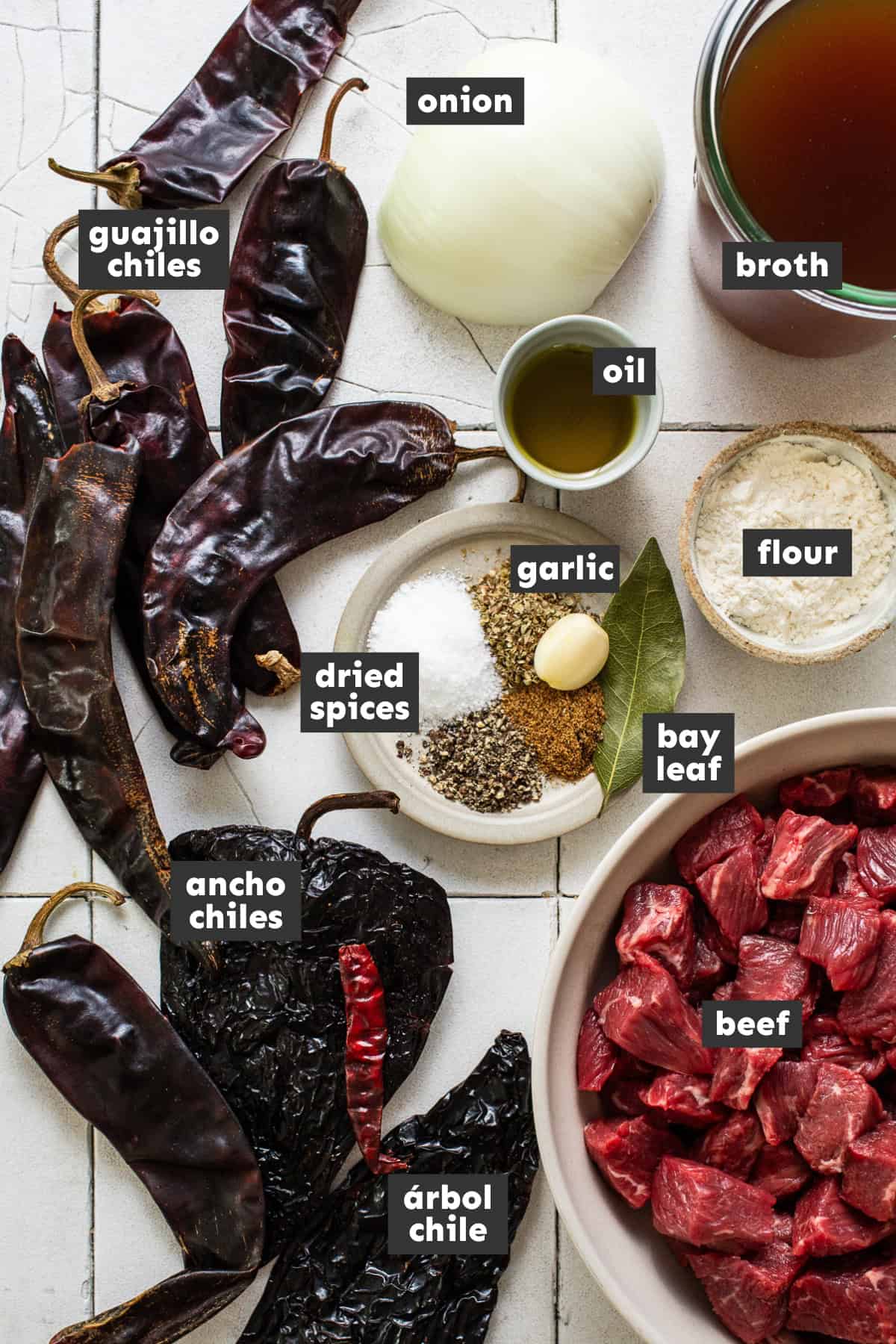
The soul of Chile Colorado lies squarely in its chiles. This dish is a testament to the versatility and depth of flavor that dried peppers can impart, distinguishing it from many other stews that rely on fresh chiles or tomatoes for their base. Understanding the types of chiles used is paramount to appreciating the dish’s complexity and authenticity. For travelers keen on culinary exploration, identifying these chiles in local markets or specialty stores becomes an adventure in itself, a way to touch, smell, and understand the raw materials of Southwestern cuisine.
Decoding the Dried Chiles
The primary chiles for an authentic Chile Colorado typically include:
- New Mexico Chiles: Often the backbone of the sauce, these chiles provide a mild to medium heat with an earthy, slightly sweet flavor. They are fundamental to the iconic red chile sauce found across New Mexico and are harvested with great pride in areas like Hatch.
- Ancho Chiles: These are dried Poblano peppers, known for their rich, fruity, and slightly smoky notes with mild heat. They contribute significantly to the deep red color and complex flavor profile.
- Guajillo Chiles: Characterized by a subtle fruitiness, often described as cranberry-like, and a delicate heat. Guajillos add a vibrant red color and a nuanced sweetness, balancing the earthier tones of other chiles.
- Pasilla Chiles: Long and slender, with a dark, wrinkled skin. Pasillas offer a complex flavor profile that can be described as smoky, fruity, and slightly bitter, with a mild to medium heat.
The combination of these chiles creates a layered flavor profile that is both robust and aromatic. When sourcing, look for chiles that are pliable, not brittle, and have a rich color, indicating freshness and proper drying. This attention to detail in ingredient selection is a direct link to the agricultural practices and food culture of the regions where these chiles thrive, offering tourists a deeper understanding of farm-to-table principles in a traditional context.
Beyond the Chiles: Supporting Cast Members
While chiles are the stars, other ingredients play crucial supporting roles:
- Meat: Traditionally, Chile Colorado is made with pork shoulder or beef chuck, cut into stewing pieces. The slow cooking process tenderizes the meat, allowing it to absorb the rich flavors of the sauce.
- Aromatics: Onions and garlic form the aromatic base, sautéed to release their fragrant compounds and deepen the overall flavor.
- Spices: Cumin, Mexican oregano, and sometimes a pinch of cloves or allspice, are common additions that elevate the sauce’s complexity, adding warmth and a distinctive regional character.
- Broth: Beef or chicken broth provides the liquid base for the sauce, enriching its body and flavor.
Gathering these ingredients from local vendors, especially in markets known for their fresh produce and specialty items, becomes a cultural activity in itself. It’s an opportunity to interact with locals, learn about traditional growing methods, and gain an appreciation for the foundational elements of regional cooking.
Crafting the Chile Colorado: A Step-by-Step Cultural Immersion
The process of making Chile Colorado is a testament to patience and traditional culinary artistry. It’s a method that has been refined over generations, teaching cooks to extract maximum flavor from their ingredients. For those interested in fully engaging with Southwestern or Mexican culture, participating in a cooking class or simply following this preparation at home offers a hands-on experience that transcends mere tasting.
Preparing the Chiles: The Foundation of Flavor
This is arguably the most critical step, as the quality of your chile sauce dictates the success of the entire dish.
- Roasting or Toasting: Gently toast the dried chiles in a dry skillet over medium heat for 30 seconds to 1 minute per side until fragrant. Be careful not to burn them, as this can make the sauce bitter. This step deepens their flavor.
- Rehydration: Remove the stems and seeds from the toasted chiles (reserving some seeds for extra heat if desired). Place the chiles in a bowl and cover them with boiling water. Let them rehydrate for 20-30 minutes, until softened and pliable.
- Blending the Colorado Sauce: Once softened, transfer the chiles to a blender with some of their soaking liquid (start with a cup and add more as needed to achieve a smooth consistency). Add peeled garlic cloves, a quartered onion, and the selected spices (cumin, oregano). Blend until completely smooth. You may need to do this in batches.
- Straining: For an exceptionally smooth sauce, press the blended mixture through a fine-mesh sieve, discarding any solids or skins left behind. This step removes fibrous bits and creates a velvety texture, characteristic of authentic Chile Colorado. While optional, it greatly enhances the mouthfeel.
Building the Colorado Sauce: Layers of Tradition
With the chile base ready, the next step involves bringing all the flavors together.
- Sautéing Aromatics: In a large, heavy-bottomed pot or Dutch oven, heat a tablespoon of oil. Sauté finely diced onions until softened and translucent, about 5-7 minutes. If you skipped blending the garlic and onion with the chiles, add minced garlic here and cook for another minute until fragrant.
- Introducing the Chile Puree: Carefully pour the strained chile puree into the pot with the onions. Bring to a simmer, stirring frequently. This step is crucial; cooking the chile puree allows the flavors to meld and deepen. Simmer for about 10-15 minutes, until the sauce darkens and thickens slightly. This is when the distinctive “Colorado” red color truly develops.
- Adding Broth: Gradually stir in beef or chicken broth, aiming for a consistency that is thick but pourable. Season generously with salt and pepper.
The Meat and Simmer: Patience for Perfection
The final stage involves combining the sauce with the meat and allowing it to slow-cook to tender perfection.
- Browning the Meat: While the sauce simmers, in a separate skillet, brown your chosen meat (pork or beef stew chunks) in batches. This step adds a layer of rich, savory flavor through the Maillard reaction.
- Combining and Simmering: Add the browned meat to the pot with the Colorado sauce. Ensure the meat is mostly submerged. Bring the mixture to a gentle simmer, then reduce the heat to low, cover the pot, and cook for 2-3 hours, or until the meat is fork-tender. Stir occasionally to prevent sticking and ensure even cooking.
- Final Adjustments: Taste and adjust seasonings. The sauce should be rich, savory, and have a pleasant, earthy heat. A pinch of sugar or a touch of vinegar can sometimes balance the flavors if needed, depending on the chiles used.
This slow-cooking process is reflective of traditional Mexican and Southwestern cooking, where time and patience are valued ingredients, transforming tough cuts of meat into incredibly succulent and flavorful dishes.
Serving and Savoring: A Taste of Place
The culmination of preparing Chile Colorado is, of course, the act of serving and savoring it. This dish is incredibly versatile and often takes center stage in communal meals, a focal point of culinary tradition. For travelers, seeking out authentic versions in local diners, family-run restaurants, or even at food festivals in the Southwest or Mexico is a quintessential tourism experience.
Traditional Pairings
Chile Colorado is most commonly served:
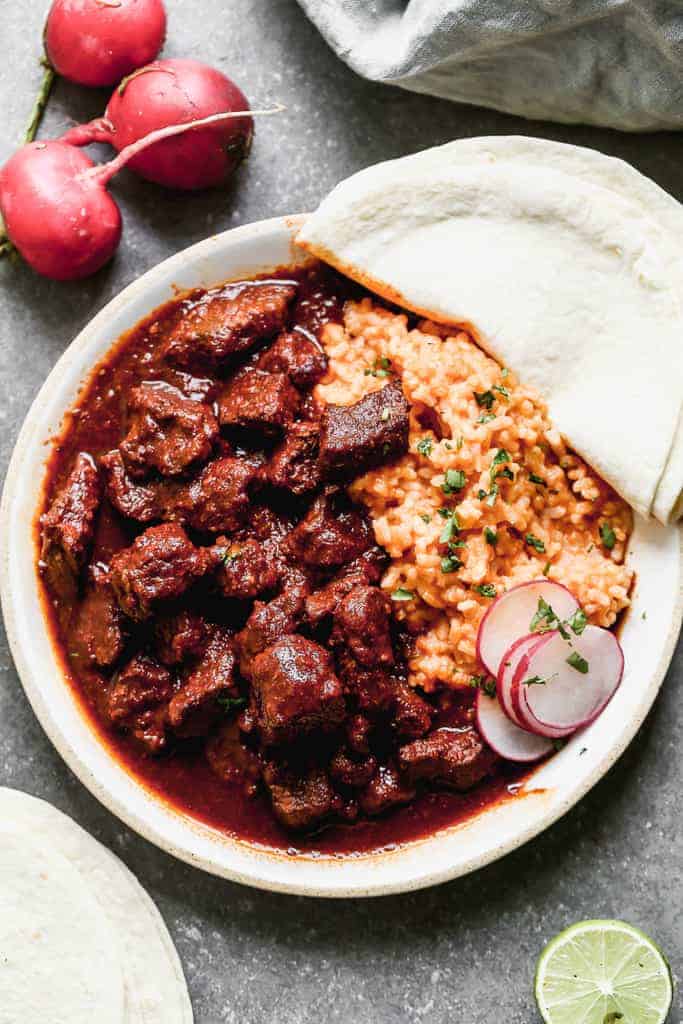
- As a Stew: Enjoyed simply in a bowl, perhaps garnished with fresh cilantro or a dollop of sour cream.
- In Tacos or Burritos: The tender meat and rich sauce make an excellent filling, often paired with warm corn or flour tortillas, Mexican rice, and refried beans.
- Over Tamales: A popular choice, especially during festive seasons, where the sauce complements the masa-based tamales beautifully.
- Smothering Enchiladas: A generous ladleful of Chile Colorado over cheese or meat enchiladas creates a hearty and flavorful dish.
Encouragingly, the communal aspect of sharing this dish is a deeply ingrained part of the culture. When traveling, partaking in a meal of Chile Colorado with locals, whether at a bustling market eatery or a quaint family restaurant, offers an intimate glimpse into the social fabric of the region. It’s an experience that nourishes not just the body, but also the spirit of cultural understanding.

Beyond the Kitchen: Chile Colorado as a Gateway to Southwestern Culture
Learning “How To Make Chile Colorado” extends beyond merely mastering a recipe. It serves as a direct portal into the heart of Southwestern and Mexican cultures. This culinary endeavor encourages tourists to explore the origins of their food, to appreciate the agricultural landscape that yields such unique ingredients, and to engage with the communities that preserve these rich traditions.
Consider planning your travels around regional food festivals, where Chile Colorado and countless other traditional dishes are celebrated. Many destinations, particularly in New Mexico and Arizona, offer culinary workshops or farm tours focused on chile cultivation. These experiences provide valuable context to the dish, transforming a simple meal into an educational and deeply enriching travel memory. By engaging with the art of making Chile Colorado, travelers don’t just eat; they participate in a living cultural heritage, savoring the true taste of a place and its people.
LifeOutOfTheBox is a participant in the Amazon Services LLC Associates Program, an affiliate advertising program designed to provide a means for sites to earn advertising fees by advertising and linking to Amazon.com. Amazon, the Amazon logo, AmazonSupply, and the AmazonSupply logo are trademarks of Amazon.com, Inc. or its affiliates. As an Amazon Associate we earn affiliate commissions from qualifying purchases.