
Telluride, a name synonymous with majestic mountainscapes, world-class skiing, and a vibrant cultural scene, is nestled in the heart of San Miguel County, Colorado. This picturesque town, once a Victorian mining camp, has transformed into a premier travel destination, captivating visitors with its unparalleled natural beauty and a sophisticated yet laid-back charm. Understanding Telluride’s location within San Miguel County is key to appreciating its unique geographical advantages, historical roots, and the diverse range of experiences it offers to travelers.
Unveiling San Miguel County: Telluride’s Home
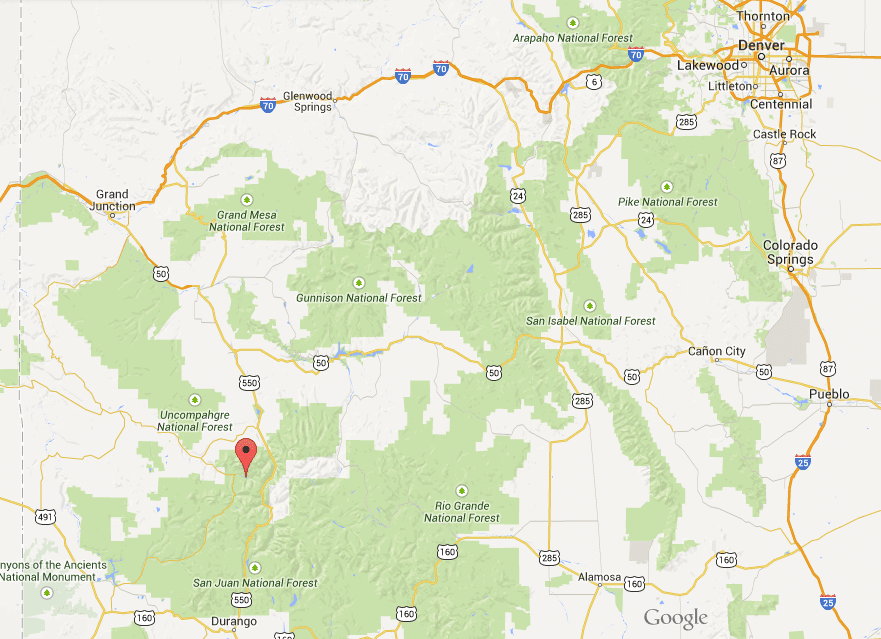
San Miguel County is located in the southwestern part of Colorado, characterized by its dramatic alpine terrain and abundant natural resources. Established in 1883, it was named after the San Miguel River, which flows through its rugged landscape. The county seat is Telluride itself, serving as the administrative and cultural hub for the region. Its geographical placement within the towering San Juan Mountains, a sub-range of the greater Rocky Mountains, dictates much of its climate, ecology, and the lifestyle of its inhabitants.
Geographical Significance
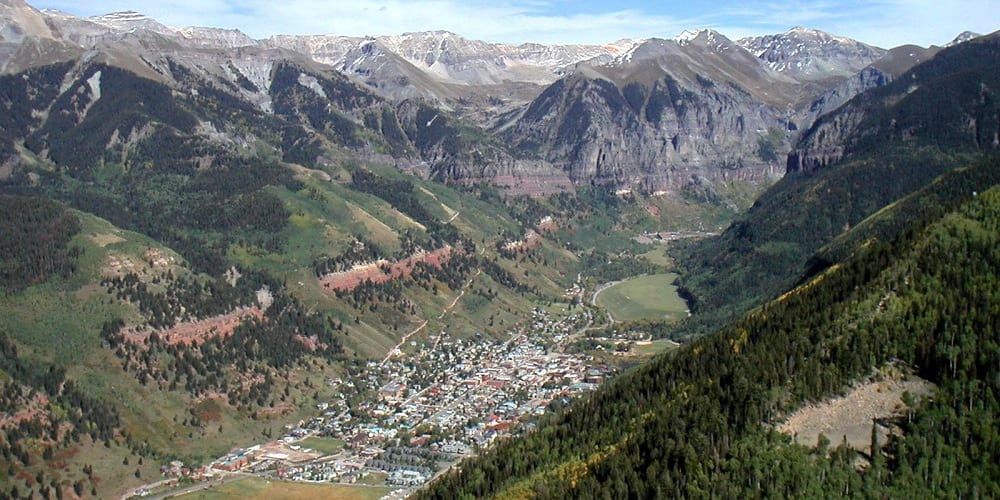
The geography of San Miguel County is a significant draw for outdoor enthusiasts. It is predominantly mountainous, featuring some of the highest peaks in Colorado, including Mount Wilson, which stands at an impressive 14,246 feet. The county is largely covered by the Uncompahgre National Forest and the Lizard Head Wilderness, ensuring vast expanses of protected wilderness areas. This topography creates an ideal environment for a myriad of activities, from challenging backcountry skiing and snowboarding in winter to extensive hiking, mountain biking, and fly-fishing during the warmer months. The dramatic elevation changes also contribute to a diverse ecosystem, supporting a wide range of flora and fauna unique to high-alpine environments. The town of Telluride itself sits at an elevation of 8,750 feet, surrounded by vertical cliffs and towering peaks, giving it a secluded, almost magical feel.
Historical Context
The history of San Miguel County is deeply intertwined with the mining boom of the late 19th century. Telluride was founded in 1878 as a silver mining camp, quickly growing into a bustling town. The county became a hotspot for prospectors seeking gold, silver, lead, and zinc. The legacy of this era is still visible today in the preserved Victorian architecture that lines Telluride’s main street and the numerous abandoned mine shafts scattered across the surrounding mountainsides. The name “Telluride” is said to derive from “tellurium,” an element often found in gold and silver ores, though tellurium itself was not commonly found in the local mines. This rich history adds a fascinating layer to any visit, offering a glimpse into the tenacious spirit of the pioneers who shaped this remote corner of Colorado. The county’s evolution from a resource extraction hub to a tourism-driven economy is a testament to its adaptability and the enduring appeal of its natural assets.
Telluride’s Allure Beyond County Lines
While San Miguel County provides the geographical framework, Telluride’s reputation as a world-class destination extends far beyond its administrative boundaries. Its unique combination of pristine wilderness, vibrant culture, and upscale amenities makes it a standout choice for discerning travelers.
A Premier Ski Destination
Telluride Ski Resort is consistently ranked among the top ski destinations globally, offering an extraordinary experience for skiers and snowboarders of all levels. The resort boasts over 2,000 acres of skiable terrain, served by modern lifts, and receives an average of 300 inches of snow annually. What truly sets Telluride apart, however, is not just the quality of its slopes but the breathtaking scenery that accompanies every run. Skiers are treated to panoramic views of the San Juan Mountains, often feeling as though they are skiing on top of the world.
The resort offers diverse terrain, from gentle beginner slopes to challenging expert runs and renowned hike-to terrain. One of its most distinctive features is the free Gondola, which connects the historic town of Telluride with the modern ski-in/ski-out community of Mountain Village. This eliminates the need for cars, allowing visitors to seamlessly travel between dining, shopping, and lodging options, making for an incredibly convenient and eco-friendly ski vacation. The Gondola ride itself offers spectacular views, especially at sunset, becoming an attraction in its own right.
Summer Mountain Paradise
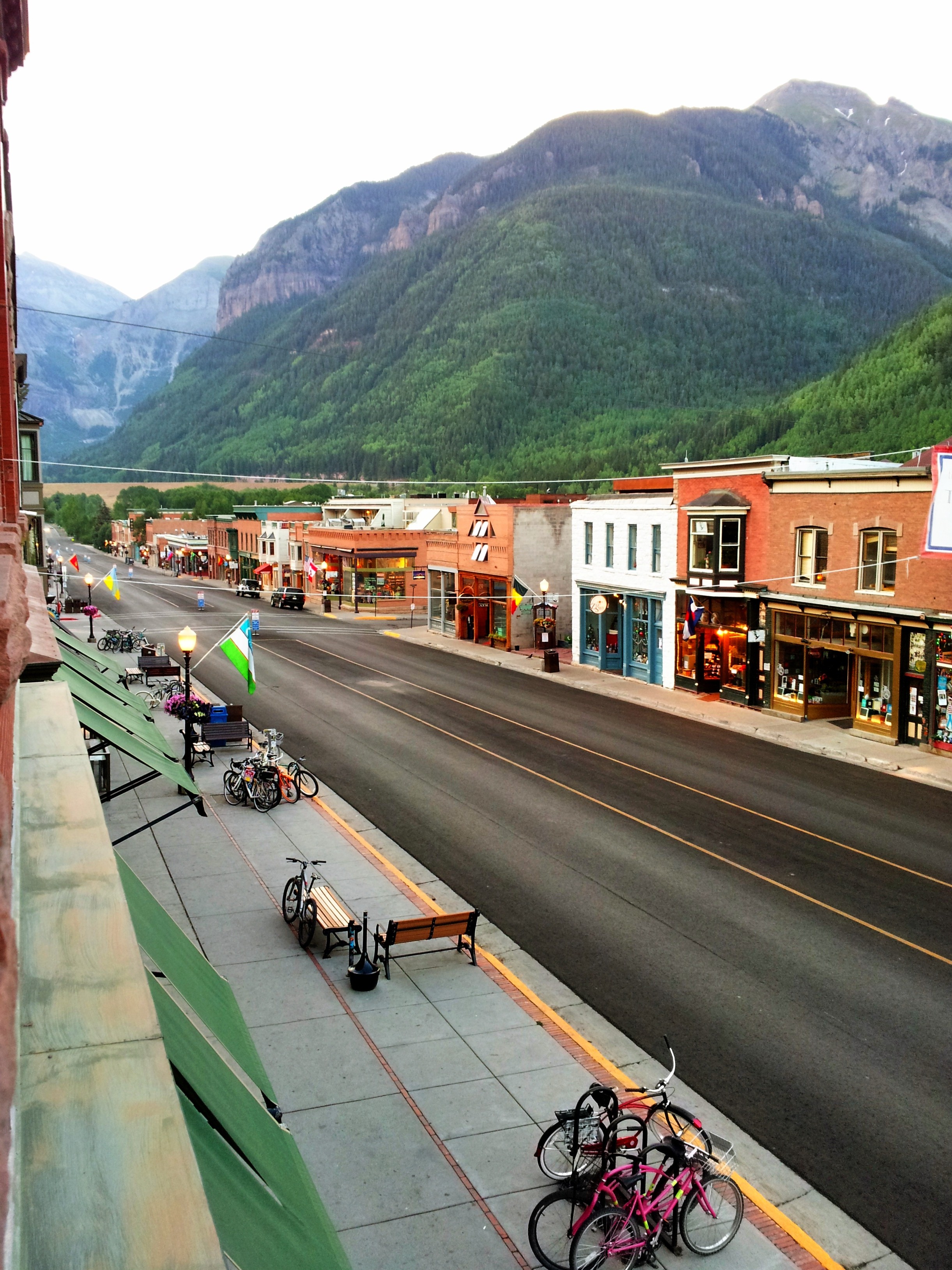
When the snow melts, Telluride transforms into an equally captivating summer destination. The same mountains that offer thrilling ski runs become a playground for hikers, mountain bikers, and rock climbers. Miles of trails wind through alpine meadows bursting with wildflowers, lead to pristine glacial lakes, and ascend to dramatic overlooks. Popular trails include the hike to Jud Wiebe Memorial Trail, providing stunning views of the town, and the trek to Bridal Veil Falls, Colorado’s tallest free-falling waterfall, located at the head of the scenic Box Canyon.
Beyond outdoor sports, summer in Telluride is synonymous with its vibrant festival scene. The town hosts an impressive array of events, drawing visitors from across the globe. The Telluride Film Festival is an internationally acclaimed event showcasing new films and often serves as a launchpad for Oscar contenders. The Telluride Bluegrass Festival brings world-renowned musicians to the scenic outdoor stage, creating an unforgettable atmosphere. Other events include the Telluride Jazz Festival, Telluride Blues & Brews Festival, and numerous smaller arts, culinary, and sporting events. These festivals infuse the town with an electric energy, complementing its natural beauty and adventure offerings.
Exploring San Miguel County’s Wider Offerings
While Telluride is undeniably the jewel of San Miguel County, the surrounding area also holds a wealth of attractions and activities that enrich the travel experience. Travelers seeking a broader exploration of the region will find ample opportunities for adventure and discovery.
Outdoor Adventures Galore
Beyond Telluride’s immediate vicinity, San Miguel County offers expansive wilderness for all sorts of outdoor pursuits. Backpackers can venture into the Lizard Head Wilderness for multi-day treks through remote alpine landscapes. Anglers will find excellent fly-fishing opportunities in the San Miguel River and its tributaries, teeming with trout. Four-wheel drive enthusiasts can explore rugged jeep trails that lead to old mining sites and spectacular viewpoints, especially around areas like the Ophir Pass and Black Bear Pass. These less-traveled routes provide an exhilarating way to experience the raw beauty of the San Juan Mountains and the county’s vast wilderness areas. Photography buffs will also find endless inspiration in the dramatic vistas, pristine forests, and abundant wildlife.
Quaint Towns and Scenic Drives
San Miguel County is also part of a larger network of charming mountain towns in southwestern Colorado. While Telluride is the most prominent, a drive along the San Juan Skyway, often referred to as “The Million Dollar Highway,” offers breathtaking scenery and connects travelers to other historic towns like Ouray, Silverton, and Durango. These towns each possess their own unique character, often rooted in mining history, and offer additional attractions such as hot springs in Ouray or the historic Durango & Silverton Narrow Gauge Railroad. Exploring these neighboring communities allows visitors to appreciate the broader cultural and historical tapestry of the region, making for a richer and more varied travel itinerary. The scenic beauty along these routes, particularly during the autumn when the aspen trees turn brilliant gold, is unparalleled and warrants dedicated exploration.
Planning Your Trip to Telluride and San Miguel County
For those planning a visit to this remarkable part of Colorado, a few key considerations can enhance the experience, ensuring a smooth and memorable journey.
Best Time to Visit
The “best” time to visit Telluride largely depends on the desired activities. For skiing and snowboarding, the winter months from December through March offer the best snow conditions, with January and February typically seeing the deepest powder. Early spring can also be excellent for spring skiing, often coupled with warmer temperatures and longer days. For summer activities like hiking, mountain biking, and attending festivals, July and August are ideal, with warm days, cooler evenings, and lush green landscapes. Early September also offers pleasant weather and the start of the aspen leaf change, creating a stunning visual display. Late spring (April-June) and late fall (October-November) are considered shoulder seasons, offering fewer crowds and potentially lower prices, though some services might be limited, and weather can be unpredictable.
Getting There and Around
Accessing Telluride requires a bit of planning due to its remote, high-alpine location. The most common way to arrive is by flying into Montrose Regional Airport (MTJ), which is approximately a 1.5-hour drive from Telluride. Montrose offers direct flights from major hubs such as Dallas, Houston, Chicago, Atlanta, San Francisco, Los Angeles, and Denver during peak seasons. Shuttle services are readily available from Montrose to Telluride. Alternatively, travelers can fly into Denver International Airport (DIA) and enjoy a scenic, albeit longer, drive of about 6-7 hours. While a rental car offers flexibility for exploring San Miguel County’s wider attractions, it is not strictly necessary once in Telluride. The free Gondola and a comprehensive in-town bus system make getting around Telluride and Mountain Village very convenient without a personal vehicle. This focus on pedestrian and public transport further enhances the town’s charming, unhurried atmosphere and commitment to environmental preservation.
LifeOutOfTheBox is a participant in the Amazon Services LLC Associates Program, an affiliate advertising program designed to provide a means for sites to earn advertising fees by advertising and linking to Amazon.com. Amazon, the Amazon logo, AmazonSupply, and the AmazonSupply logo are trademarks of Amazon.com, Inc. or its affiliates. As an Amazon Associate we earn affiliate commissions from qualifying purchases.