
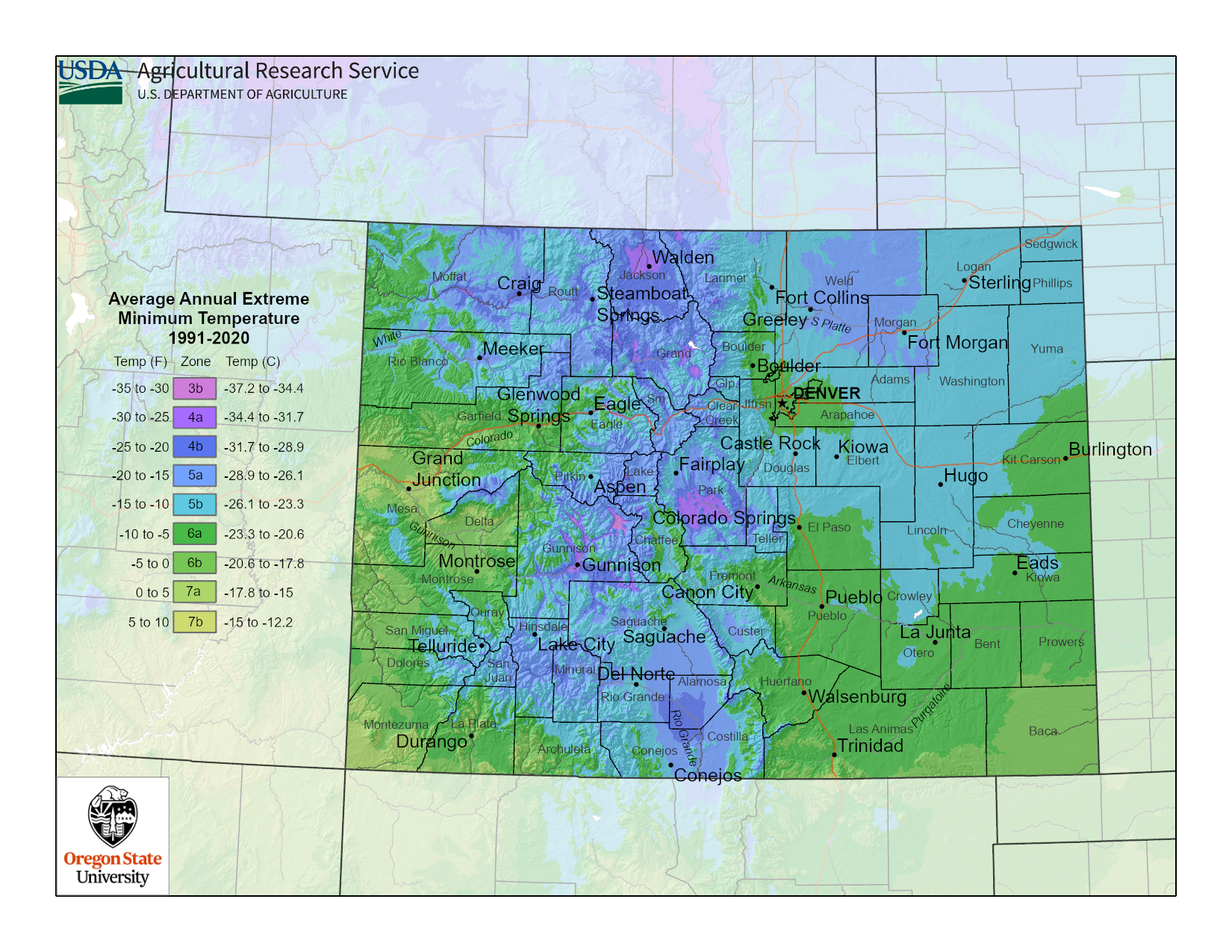
Denver, Colorado, a vibrant metropolis nestled against the majestic Rocky Mountains, possesses a unique climatic identity that profoundly shapes its natural and cultivated landscapes. For those interested in the natural landmarks and green spaces that define the Mile High City, understanding its plant hardiness zone is crucial. The USDA Plant Hardiness Zone Map categorizes regions based on their average annual extreme minimum winter temperature, providing a vital guide for gardeners, landscapers, and anyone keen to appreciate the local flora. While Denver’s hardiness zone can exhibit slight variations across the metropolitan area, influenced by elevation, urban heat island effects, and microclimates, the core of the city generally falls within Zones 5b to 7a. This range allows for a surprising diversity of plant life, contributing to the city’s distinct natural character and influencing the design and resilience of its beloved parks, gardens, and urban forests—all integral natural landmarks.
Decoding Denver’s Climatic Identity: A Zone 5-7 Tapestry
The primary hardiness classification for most of metropolitan Denver, according to the latest USDA data, places it largely in Zone 6a and 6b. However, variations exist, with some outlying areas trending towards 5b, and certain warmer, protected urban pockets experiencing conditions closer to 7a.
- Zone 5b: Characterized by average annual extreme minimum temperatures ranging from -15°F to -10°F (-26.1°C to -23.3°C). These are typically found in slightly higher or more exposed areas surrounding the main urban core.
- Zone 6a: Average annual extreme minimum temperatures between -10°F and -5°F (-23.3°C to -20.6°C). Much of the central Denver area falls into this category.
- Zone 6b: Average annual extreme minimum temperatures between -5°F and 0°F (-20.6°C to -17.8°C). Many developed urban areas, benefiting from the urban heat island effect, reside here.
- Zone 7a: Average annual extreme minimum temperatures between 0°F and 5°F (-17.8°C to -15°C). These are often found in the densest, most protected parts of the city where buildings retain heat.
This range signifies that while Denver experiences cold winters, it is generally hospitable to a wider array of perennial plants, trees, and shrubs than many other high-altitude or arid regions. This classification is more than a mere numerical value; it is a fundamental determinant of the types of plants that can reliably survive and thrive, directly shaping the visual and ecological character of Denver’s natural landmarks. From the towering shade trees that line its historic streets to the vibrant seasonal displays in its public gardens, the hardiness zone dictates the very palette of nature that visitors encounter.
Natural Landmarks Shaped by Hardiness: Denver’s Green Sanctuaries
The hardiness zone is the invisible architect behind many of Denver’s’s most cherished natural landmarks and green spaces. It influences not only what grows but also the visual aesthetic and ecological function of these urban oases.
Denver Botanic Gardens: A Living Exhibit
Perhaps the most prominent natural landmark directly demonstrating Denver’s’s plant hardiness is the Denver Botanic Gardens. As a world-renowned botanical institution, it serves as a living laboratory and a breathtaking display of plants adapted to semi-arid, high-altitude conditions within a Zone 5b-7a environment. The gardens meticulously curate collections that showcase plants from similar climates around the globe, as well as native Colorado species.
Visitors can explore the Steppe Garden, featuring plants from central Asian steppes, or the Rock Alpine Garden, which presents a miniature alpine landscape. These specialized gardens highlight species capable of enduring Denver’s’s cold, dry winters and hot, sunny summers. The successful cultivation of a vast diversity of plants here underscores the capabilities and challenges posed by Denver’s specific hardiness zone, making the gardens an educational and aesthetically rich natural landmark. They demonstrate horticultural ingenuity in navigating temperature extremes, low humidity, and intense sunlight.
City Parks and Urban Forestry
Denver’s extensive network of city parks and tree-lined boulevards are quintessential natural landmarks, their grandeur and resilience directly tied to the hardiness zone. Major green spaces like City Park, Washington Park, and Sloan’s Lake Park are dominated by mature trees that have proven their hardiness over decades.
Common tree species found thriving in Denver’s urban canopy include:
- Honeylocust (Gleditsia triacanthos): Extremely adaptable and tolerant of urban conditions and cold winters (Zone 4-9).
- Hackberry (Celtis occidentalis): A durable native tree, well-suited to the plains and varying soils (Zone 2-9).
- Elm varieties (e.g., American Elm, Siberian Elm): Though some are susceptible to Dutch Elm Disease, many hardy cultivars flourish (Zone 2-9).
- Oak species (e.g., Bur Oak, Chinkapin Oak): Valued for their longevity and resilience to Denver’s climate (Zone 3-9).
- Maple varieties (e.g., Norway Maple, Silver Maple): Provide substantial shade and vibrant fall color (Zone 3-9).
These trees, chosen for their ability to withstand the average minimum winter temperatures of Zone 5b-7a, form the backbone of Denver’s’s urban forest, offering shade, improving air quality, and creating the verdant landscapes that define these cherished public landmarks. Urban planners and horticulturists continuously select new plantings based on their proven hardiness, ensuring the continuity and health of these vital green assets.
The South Platte River Greenway and Natural Areas
The South Platte River Greenway system offers another perspective on Denver’s’s hardiness zone influencing natural landmarks. This network of parks and trails follows the South Platte River through the city, providing critical riparian habitats and recreational spaces. The vegetation found along the riverbanks—cottonwoods, willows, and various wetland grasses and shrubs—is naturally adapted to the local climate and hydrological conditions, implicitly demonstrating their suitability for Zone 5b-7a. These natural corridors serve as crucial ecological landmarks, supporting local wildlife and providing residents and visitors with access to natural beauty within the urban fabric, all sustained by plants hardy enough for Denver’s specific environmental parameters.
Beyond the City Limits: Gateway to Mountainous Flora
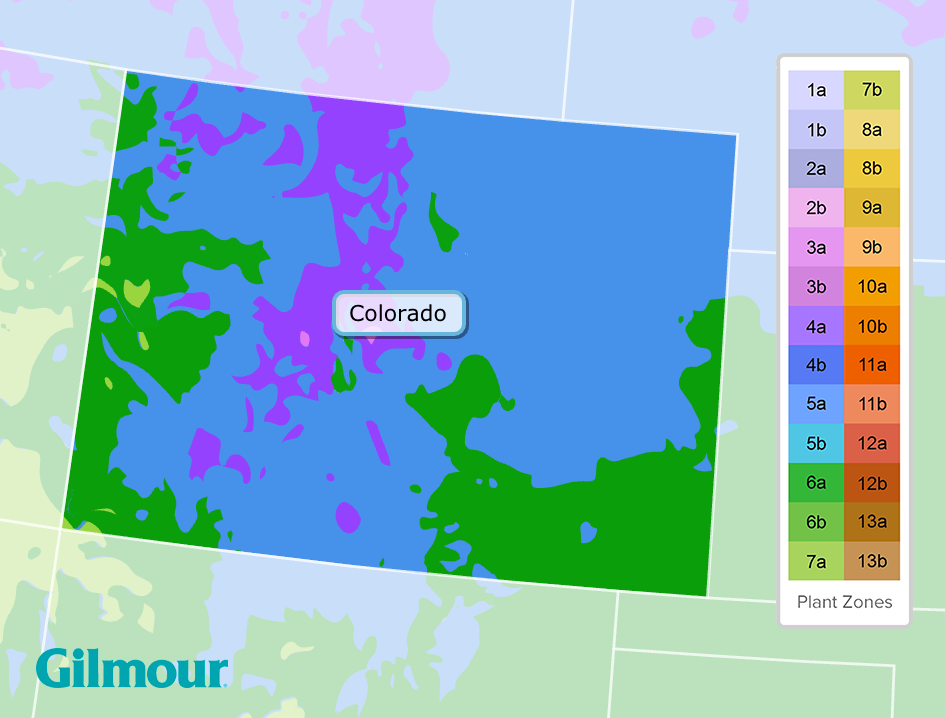
While Denver’s urban core sits within Zones 5b-7a, its strategic location at the foot of the Rocky Mountains means that a short drive west reveals a dramatic shift in hardiness zones and, consequently, in natural landmarks. The mountains themselves represent a gradient of hardiness, with zones dropping rapidly to 4, 3, or even 2 at higher elevations.
- Foothills (e.g., around Golden and Morrison): These areas, including natural landmarks like Red Rocks Park and Amphitheatre, transition into Zone 5a or 4b. Here, visitors encounter Ponderosa pines, Rocky Mountain junipers, and various drought-tolerant shrubs and grasses that are hardy to colder temperatures than those found in downtown Denver. The stark red rock formations of Red Rocks, while geological, are softened and framed by this zone-appropriate vegetation.
- Subalpine and Alpine Zones: Further into the Front Range, zones drop significantly. Areas above 9,000-10,000 feet may be Zone 3 or even 2. Here, the landscape transforms dramatically, featuring dense forests of Engelmann spruce, subalpine fir, and Lodgepole pine. Above the tree line, only hardy alpine tundra plants can survive.
This rapid transition in hardiness zones provides visitors to Denver with an unparalleled opportunity to experience a vast spectrum of natural landmarks—from the manicured botanic gardens and urban parks within the city’s Zones 5b-7a to the rugged, high-altitude wilderness of the Rocky Mountains with their much lower hardiness ratings. This geological and climatic diversity is a key part of Denver’s appeal as a gateway to natural exploration.

Preserving Denver’s Natural Character: Challenges and Adaptations
Understanding Denver’s hardiness zone is not merely academic; it is critical for the ongoing preservation and enhancement of its natural landmarks. Colorado’s arid climate, coupled with a growing population, presents unique challenges.
- Water Conservation: While the hardiness zone defines cold tolerance, it doesn’t directly address water availability. Many plants suitable for Zone 5b-7a still require significant irrigation in Denver’s semi-arid environment. This has led to a strong emphasis on xeriscaping and planting drought-tolerant species, even those hardy to these zones, to ensure the sustainability of green spaces. The Denver Botanic Gardens, for instance, has extensive arid and semi-arid plant collections that require minimal supplemental water.
- Climate Change and Zone Shifts: Global climate change is causing shifts in hardiness zones across the country. Denver has already seen some areas creeping into warmer zones. This means that horticulturists and urban planners must constantly adapt, experimenting with species that might become more viable in a slightly warmer future, while still respecting the underlying cold hardiness requirements. Monitoring these shifts is crucial for ensuring the long-term health and relevance of the city’s natural landmarks.
- Pest and Disease Management: The specific climate dictated by Denver’s hardiness zone also influences the prevalence of certain pests and diseases. By planting appropriately hardy and resilient species, the city can better withstand environmental stressors and protect its valuable urban trees and garden collections from ecological threats.
In essence, Denver’s’s hardiness zone is a foundational element defining its natural beauty. It shapes the character of its parks, gardens, and urban forests, making them distinct and resilient landmarks. For visitors and residents alike, recognizing this climatic fingerprint offers a deeper appreciation for the verdant oases and diverse flora that thrive in this unique high-plains city at the foot of the magnificent Rocky Mountains.
LifeOutOfTheBox is a participant in the Amazon Services LLC Associates Program, an affiliate advertising program designed to provide a means for sites to earn advertising fees by advertising and linking to Amazon.com. Amazon, the Amazon logo, AmazonSupply, and the AmazonSupply logo are trademarks of Amazon.com, Inc. or its affiliates. As an Amazon Associate we earn affiliate commissions from qualifying purchases.