
Understanding the local time is an often-overlooked yet critical component of successful travel planning, especially when journeying to a destination as diverse and activity-rich as Colorado Springs. More than just knowing the hour, grasping the nuances of a city’s time zone allows travelers to synchronize seamlessly with local life, optimize itineraries, and fully immerse themselves in the experiences on offer. For those embarking on an adventure to this captivating Colorado city nestled at the foot of the Rocky Mountains, the question of “what time is it?” extends far beyond a simple numerical answer; it’s a gateway to efficient and enjoyable exploration.
Navigating Time in the Mountain Standard Zone
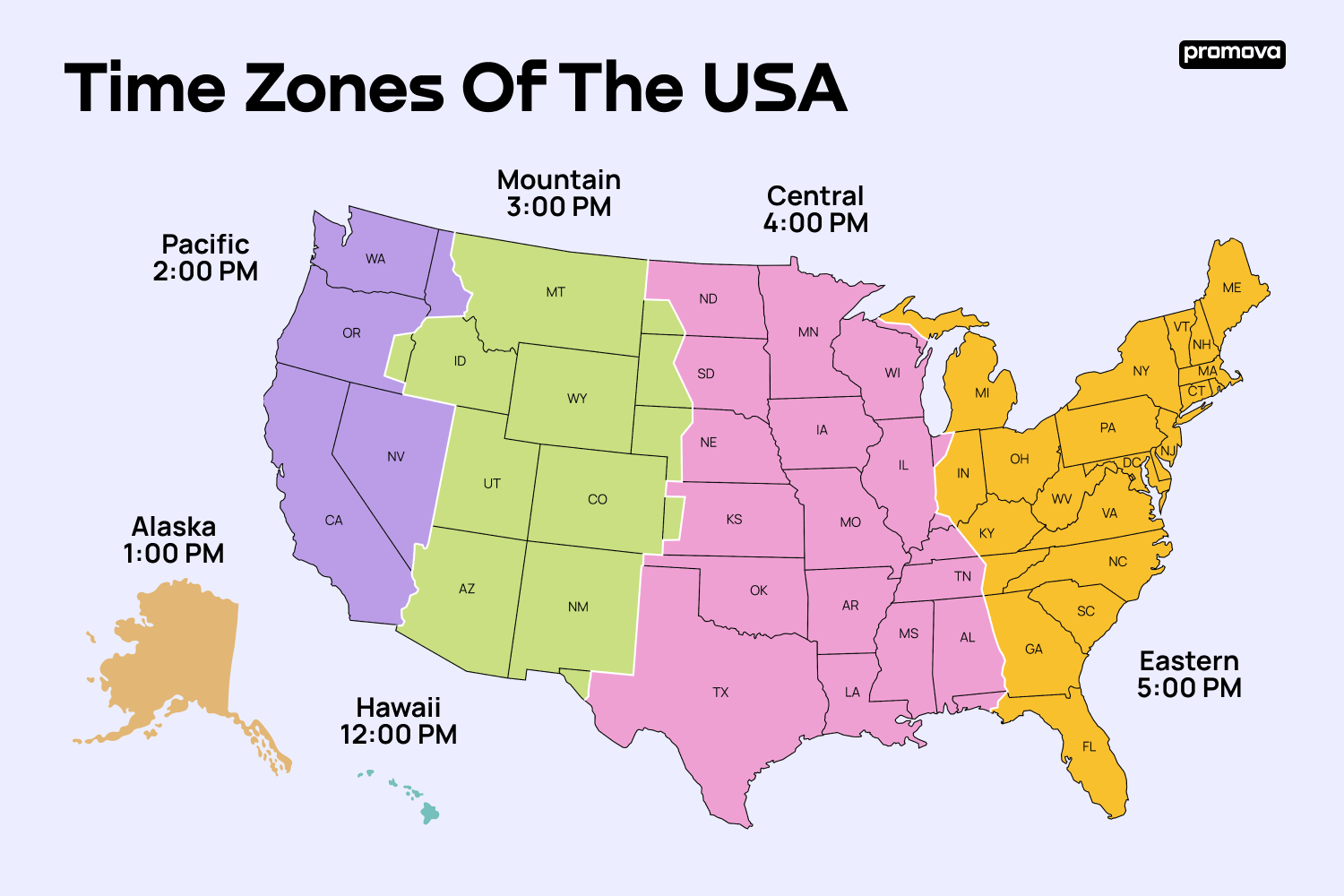
Colorado Springs operates within the Mountain Time Zone, a designation that carries specific implications for visitors from outside the region. Awareness of this time standard is the foundational step in any well-planned trip, influencing everything from flight bookings to daily activity schedules.
Unpacking Mountain Time (MT)
Officially, Colorado Springs observes Mountain Time (MT). During standard time, this is Mountain Standard Time (MST), which is UTC-7. This means it is seven hours behind Coordinated Universal Time. For travelers coming from the Eastern Time Zone (ET), Colorado Springs will be two hours behind. From the Central Time Zone (CT), it will be one hour behind. Conversely, those traveling from the Pacific Time Zone (PT) will find Colorado Springs one hour ahead. Understanding this offset is crucial for managing arrivals, departures, and making connections, whether it’s an inter-state flight or a video call with family back home. The consistent application of MT across the state provides a uniform experience once within Colorado’s borders, simplifying internal travel and coordination.
Daylight Saving and Its Impact
Like much of the United States, Colorado Springs observes Daylight Saving Time (DST). This typically begins on the second Sunday in March and ends on the first Sunday in November. During this period, the clocks “spring forward” one hour, shifting from MST to Mountain Daylight Time (MDT), which is UTC-6. This adjustment provides an extra hour of daylight in the evenings, a significant boon for travelers eager to maximize their outdoor activities and sightseeing opportunities. The change impacts everything from attraction closing times to the perceived length of a day, making it vital for visitors to check the current date against the DST schedule. A late spring or summer visit often means longer evenings to explore the Garden of the Gods or enjoy a leisurely dinner, while a fall trip might require earlier planning for outdoor excursions as daylight wanes sooner.
Planning Your Perfect Colorado Springs Itinerary
With the time zone established, the next step is to strategically plan your days. Effective time management is key to unlocking the full potential of a visit to Colorado Springs, ensuring you experience its iconic landmarks and vibrant local scene without feeling rushed or missing out.
Synchronizing with Iconic Attractions
Many of Colorado Springs’ most famous attractions have specific operating hours that align with local time. For example, a journey up Pikes Peak via the Pikes Peak Cog Railway or the scenic drive will be dictated by road conditions and operational schedules, which can vary seasonally. Early morning departures are often recommended to avoid afternoon thunderstorms and crowds, especially during peak summer months. Similarly, the United States Air Force Academy may have specific visitor center hours or event schedules that require advanced planning. The Cheyenne Mountain Zoo, known for its unique mountainside setting, has seasonal hours that typically extend in the summer, allowing for longer visits. Even natural wonders like the Garden of the Gods, while always accessible for viewing, have visitor center hours for amenities and interpretive exhibits. Always consult official websites for the most up-to-date operating times, paying close attention to whether the displayed times are local or account for DST.
Maximizing Daylight and Minimizing Crowds
Strategic timing can significantly enhance your experience. Arriving at popular spots like Garden of the Gods or Manitou Springs in the early morning can allow for serene exploration before the busiest tourist influx. This also provides the best light for photography and a more personal connection with the landscape. Likewise, visiting indoor attractions like museums or galleries mid-day can be a smart move, especially if afternoon weather forecasts suggest rain or intense heat. If your visit falls during DST, leverage those extended evening hours for leisurely strolls, enjoying sunsets over the Front Range, or exploring the downtown area at a relaxed pace. Understanding the rhythm of the day in Colorado Springs allows you to avoid peak times at popular venues and embrace the city’s natural beauty during its quieter moments.
Dining and Entertainment by the Clock
Dining experiences in Colorado Springs also adhere to local time. While many restaurants cater to an all-day crowd, popular establishments, particularly in areas like Old Colorado City or near the Broadmoor Hotel, can fill up quickly during standard lunch (12 PM-1 PM) and dinner (6 PM-8 PM) hours. Making reservations, especially for weekend evenings or larger groups, is highly recommended. Similarly, evening entertainment, from live music venues to theater performances, will operate on local time. Checking show times and booking tickets in advance ensures you don’t miss out. Factor in travel time between your accommodation and the venue, considering potential traffic during rush hours (typically 7 AM-9 AM and 4 PM-6 PM), which, while not as severe as larger metropolitan areas, can still impact your schedule.
The Practicalities of Travel: Time Zone Adjustments
Beyond planning specific activities, the physical and logistical aspects of changing time zones require careful consideration for a comfortable and stress-free trip to Colorado Springs.
Beating Jet Lag and Altitude Sickness
For travelers crossing multiple time zones, particularly from the east, jet lag can be a factor. The two-hour difference from the Eastern Time Zone, for instance, might not seem drastic, but combined with Colorado Springs’ significant altitude (over 6,000 feet above sea level), it can take a toll. Dehydration exacerbates both conditions. Arriving early in the day and immediately adjusting to local time, staying well-hydrated, avoiding excessive alcohol, and planning a lighter first day are all strategies to mitigate these effects. Schedule strenuous activities for day two or three, allowing your body time to acclimate to both the time shift and the thinner air. A gentle morning walk in Garden of the Gods on your first full day might be more advisable than an immediate ascent of Pikes Peak.
Communication Across Time Zones
Maintaining contact with friends, family, or colleagues in different time zones requires a thoughtful approach. Before making important calls or scheduling virtual meetings, always confirm their local time relative to Colorado Springs’ MT/MDT. Many smartphones and travel apps offer world clock features that make this simple. For international travelers, understanding the significant time differences is paramount to avoid inconveniently timed communications. This foresight ensures smooth coordination and prevents accidental disturbances.
Essential Travel Day Timing
Travel days themselves demand precise time management. Whether flying into Colorado Springs Airport (COS) or Denver International Airport (DEN) and driving south, understanding flight schedules, baggage claim times, rental car pickups, and drive durations in local time is essential. A flight arriving at 3 PM MDT means you’re likely checking into your hotel around 5 PM or 6 PM MDT, depending on your airport of arrival and transfer method. Account for potential delays, and build in buffer time, especially if you have a non-refundable dinner reservation or an early evening activity planned.
Embracing the Pace of the Pikes Peak Region
Ultimately, understanding what time it is in Colorado Springs is about more than just numbers on a clock; it’s about connecting with the rhythm of the place. The city’s pulse is influenced by its natural surroundings and its vibrant community life.
Seasonal Rhythms and Their Influence
The seasons in Colorado Springs heavily dictate the local pace and available activities. Summer brings long days filled with hiking, biking, and outdoor festivals, where the extended daylight of MDT is fully utilized. Fall offers crisp air and stunning foliage, often requiring earlier starts for mountain excursions before temperatures drop. Winter transforms the landscape into a snowy wonderland, with many attractions operating on reduced hours or seasonal closures, meaning careful attention to local time is vital. Spring is a transitional period, with unpredictable weather but also fewer crowds. Adapting your internal clock to these seasonal rhythms ensures you’re prepared for the day’s conditions and can enjoy the best of what each season offers.

Events and Festivities: Don’t Miss a Moment
Colorado Springs hosts numerous events throughout the year, from the Pikes Peak International Hill Climb to various cultural festivals and holiday celebrations. Each event operates on its own precise local schedule. For instance, parades will have specific start times, concerts will open doors at a set hour, and races will begin at their designated local time. For travelers keen to experience these local happenings, being acutely aware of the time, including any pre-event activities or staggered entry times, is crucial. Integrating these events into your itinerary means checking official schedules and perhaps even setting reminders on your device to ensure you’re always in sync with the local time and ready to participate in the vibrant life of Colorado Springs.
LifeOutOfTheBox is a participant in the Amazon Services LLC Associates Program, an affiliate advertising program designed to provide a means for sites to earn advertising fees by advertising and linking to Amazon.com. Amazon, the Amazon logo, AmazonSupply, and the AmazonSupply logo are trademarks of Amazon.com, Inc. or its affiliates. As an Amazon Associate we earn affiliate commissions from qualifying purchases.