
Embarking on a journey from the heartland of the United States to the captivating islands of Japan is an adventure that many travelers dream of. The vast Pacific Ocean separates these two vibrant cultures, making the flight duration a primary consideration for anyone planning this transatlantic experience. For those departing from Chicago, understanding the nuances of this long-haul flight is crucial for efficient planning and a comfortable journey.
Understanding Trans-Pacific Flight Durations
A direct flight from Chicago to Japan is a significant undertaking, crossing multiple time zones and vast stretches of ocean. The duration is not fixed but typically falls within a predictable range, influenced by several factors that aviators and air traffic controllers meticulously manage.
The Direct Flight Estimate
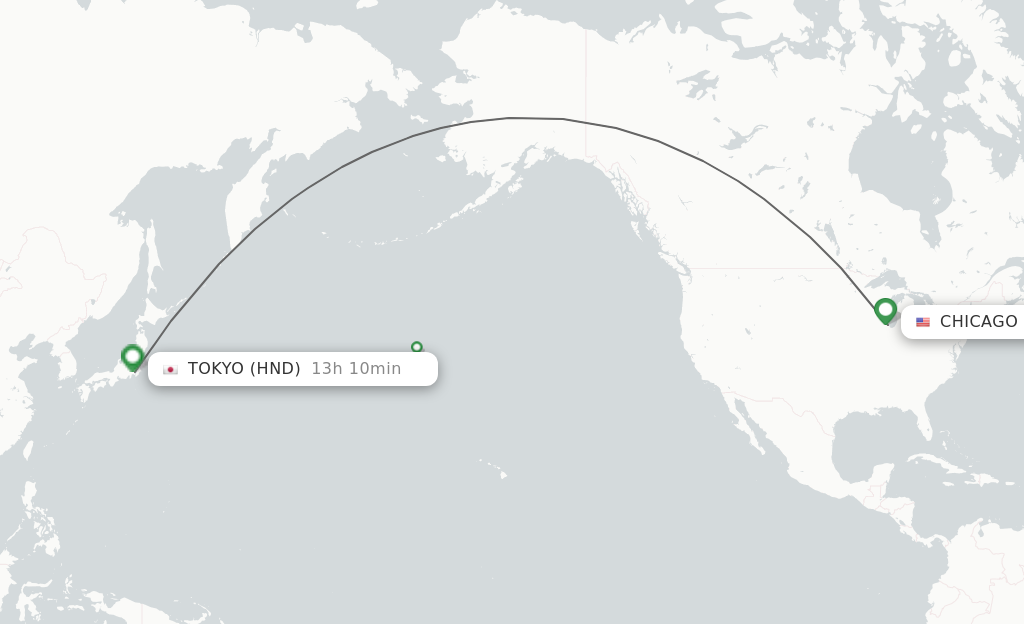
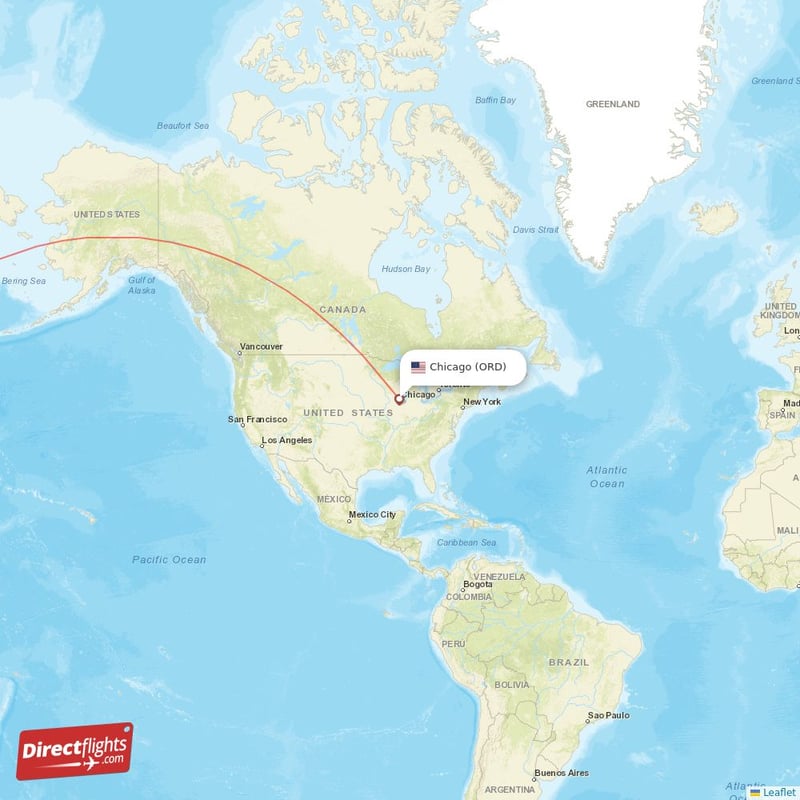
For a non-stop flight connecting a major Chicago airport, such as Chicago O’Hare International Airport (ORD), to one of Japan’s primary international gateways, the average flight time typically ranges from 12 to 14 hours. This estimate applies to popular routes like Chicago to Tokyo (Narita International Airport or Haneda Airport), Osaka (Kansai International Airport), or Nagoya (Chubu Centrair International Airport). The specific endpoint in Japan can account for minor variations within this range. For instance, flying into Narita might be slightly longer than Haneda due to geographical positioning and flight paths, though both serve the Tokyo metropolitan area.
Factors Influencing Flight Time
Several elements contribute to the exact duration of a flight, making the travel time an estimate rather than a fixed figure:
- Aircraft Type: Modern long-haul aircraft are designed for efficiency and speed. Airlines typically deploy wide-body jets like the Boeing 787 Dreamliner, Boeing 777, or Airbus A350 for trans-Pacific routes. These aircraft are capable of maintaining higher cruising speeds and have extended ranges, contributing to direct flight feasibility.
- Wind Currents (Jet Stream): The most significant natural factor is the powerful jet stream, a ribbon of fast-moving air high in the atmosphere. Flights traveling westbound from Chicago to Japan often fly against the prevailing winds of the jet stream, which can add an hour or more to the flight time. Conversely, eastbound flights from Japan to Chicago benefit from these tailwinds, often completing the journey in a shorter duration. Pilots strategically adjust flight paths to either leverage or mitigate the impact of these winds.
- Air Traffic Control Routes: Airspace congestion and designated flight corridors also play a role. Air traffic control agencies work to ensure safe and efficient routing, which can sometimes involve minor deviations that impact total flight time.
- Specific Departure/Arrival Airports: While Chicago O’Hare is the primary departure point, the specific arrival airport in Japan can affect the final minutes of the flight. For instance, flights into Narita are typically a bit longer than those into Haneda due to Narita’s more eastward location relative to Tokyo city center and the flight path approaching Japan’s main island.
The Impact of Layover Flights
While direct flights offer the quickest route, they are often premium options. Many travelers opt for flights with one or more layovers, which can significantly alter the total travel time.
Common Layover Hubs
If a direct flight isn’t available or is outside a traveler’s budget, connecting flights are common. These typically involve a stop at a major hub airport on the West Coast of the United States or occasionally in other parts of Asia. Popular layover airports include:
- San Francisco International Airport (SFO)
- Los Angeles International Airport (LAX)
- Seattle-Tacoma International Airport (SEA)
- Vancouver International Airport (YVR) in Canada
Calculating Total Travel Time
When a layover is involved, the total travel time becomes the sum of the flight segments plus the duration of the layover itself.
- Flight Segments: Chicago to West Coast (e.g., 4-5 hours) + West Coast to Japan (e.g., 10-11 hours).
- Layover Duration: This can range from a short 1-2 hour connection to an extended 6-8 hour stop, or even an overnight stay.
Factoring in a typical layover of 2-4 hours, the total travel time for a connecting flight from Chicago to Japan can easily stretch to 18-24 hours or more.
Benefits and Drawbacks of Layovers
- Benefits: Layovers often present significant cost savings compared to direct flights. They also offer a chance to stretch legs, grab a meal, or even briefly explore a new city if the layover is long enough. For some, breaking up a very long flight into two segments makes the journey more manageable.
- Drawbacks: The most apparent drawback is the increased total travel time. Layovers also introduce the potential for delays, missed connections, and the added hassle of disembarking and re-boarding.
Navigating Time Zones and Jet Lag
The journey from Chicago to Japan isn’t just about physical distance; it’s also about crossing a significant number of time zones, which inevitably leads to jet lag.
Time Zone Difference
Chicago observes Central Standard Time (CST), which is UTC-6 (or CDT UTC-5 during daylight saving). Japan observes Japan Standard Time (JST), which is UTC+9. This results in a substantial 14-hour time difference between Chicago and Japan during standard time. When Chicago observes Daylight Saving Time, the difference becomes 13 hours. This means if it’s 10:00 AM in Chicago, it’s midnight (12:00 AM the next day) in Tokyo during standard time.
Understanding Jet Lag
Jet lag is a physiological condition resulting from disruptions to the body’s circadian rhythm caused by rapid long-distance trans-meridian (east-west or west-east) travel. Symptoms can include fatigue, insomnia, headaches, irritability, and digestive issues. Traveling eastbound, as from Chicago to Japan, often leads to more severe jet lag because your body essentially loses a day, requiring a larger adjustment.
Strategies for Minimizing Jet Lag
- Pre-Flight Adjustments: Gradually shift your sleep schedule a few days before departure, moving it closer to Japan Standard Time.
- Hydration: Drink plenty of water before, during, and after your flight. Avoid excessive alcohol and caffeine, which can exacerbate dehydration and disrupt sleep.
- Sleep Hygiene on Board: Try to sleep on the plane, especially during the hours it would be nighttime at your destination. Use an eye mask, earplugs, or noise-canceling headphones to create a conducive environment.
- Light Exposure: Upon arrival, expose yourself to natural light during Japan’s daytime hours and avoid bright light in the evening to help reset your internal clock.
- Gradual Adaptation: Avoid strenuous activities on your first day. Try to eat meals according to local time and go to bed at a reasonable local hour, even if you’re not tired.
Choosing Your Flight: Airlines and Airports
Making the right flight choice involves more than just duration; it encompasses comfort, cost, and convenience.
Major Airlines for the Route
Several reputable airlines offer flights from Chicago to Japan, often through their hubs or via code-share agreements:
- United Airlines: A major carrier with a strong presence at Chicago O’Hare, offering direct flights to Tokyo Narita. As a member of Star Alliance, it partners with All Nippon Airways (ANA).
- Japan Airlines (JAL): Japan’s flag carrier, renowned for its service, often operates direct flights from Chicago to Tokyo Narita or Haneda. JAL is part of the Oneworld alliance.
- All Nippon Airways (ANA): Another top-tier Japanese airline known for its excellent service, with direct routes to Tokyo Narita or Haneda from Chicago. ANA is a Star Alliance member.
- Other airlines like American Airlines (via Dallas Fort Worth) or Delta Air Lines (via Detroit or Seattle) offer connecting flights.
Departure Points in Chicago
Virtually all international flights from Chicago depart from Chicago O’Hare International Airport (ORD). It is one of the busiest airports in the world and serves as a major hub for international travel, offering numerous amenities and connectivity options.
Arrival Points in Japan
Japan boasts several modern international airports, with the choice often depending on your ultimate destination within the country:
- Tokyo:
- Narita International Airport (NRT): Historically the primary international gateway to Tokyo. It’s located further outside the city center but offers excellent train connections to downtown Tokyo.
- Haneda Airport (HND): Closer to central Tokyo and increasingly serving more international routes, Haneda is often preferred for its convenience and shorter transit times into the city.
- Osaka:
- Nagoya:
- Chubu Centrair International Airport (NGO): Serves the Chubu region, including Nagoya and surrounding industrial areas.
Optimizing Your Flight Choice
When selecting your flight, consider:
- Direct vs. Connecting: Direct flights save time but are generally more expensive. Connecting flights offer cost savings but extend travel duration.
- Time of Day: Red-eye flights might allow for sleep but can throw off your schedule upon arrival. Daytime flights offer views but might make in-flight sleep harder.
- Airline Preferences: Consider airline reputation for service, comfort, and loyalty programs.
- In-Flight Experience: For a long-haul flight, amenities like seat pitch, entertainment systems, and meal quality can significantly impact your comfort.
- Cost Considerations: Compare prices across different airlines and booking platforms. Flexibility with dates can often lead to better deals.
Preparing for Your Long-Haul Journey
A flight of 12-14 hours (or more with layovers) requires careful preparation to ensure a comfortable and enjoyable experience.
Packing Essentials
- Comfort Items: A quality neck pillow, eye mask, and earplugs or noise-canceling headphones are invaluable for sleep and relaxation.
- Entertainment: While airlines offer in-flight entertainment, having your own loaded tablet, e-reader, or books can provide a personalized escape.
- Medications: Keep any essential prescription medications in your carry-on, along with common over-the-counter remedies for headaches or stomach upset.
- Layers: Cabin temperatures can fluctuate, so wear comfortable, loose-fitting clothing and bring a sweater or light blanket.
In-Flight Comfort Tips
- Hydration: Continue to drink plenty of water throughout the flight.
- Movement: Stand up, stretch, and walk the aisles every few hours to promote circulation and prevent stiffness. Simple in-seat exercises can also help.
- Comfortable Clothing: Opt for loose, breathable fabrics. Compression socks can be beneficial for reducing swelling and preventing DVT.
- Healthy Snacks: While meals are provided, having some healthy snacks can help manage hunger and avoid unhealthy options.

Visa and Entry Requirements
For US citizens, a visa is generally not required for short-term tourist stays in Japan (typically up to 90 days). However, it’s always prudent to check the latest entry requirements on the official website of the Japanese Ministry of Foreign Affairs or your country’s embassy before travel, as regulations can change. Ensure your passport is valid for at least six months beyond your intended stay.
The journey from Chicago to Japan is a long one, but with careful planning and an understanding of what to expect, it can be a smooth and enjoyable prelude to an unforgettable experience in the Land of the Rising Sun.
LifeOutOfTheBox is a participant in the Amazon Services LLC Associates Program, an affiliate advertising program designed to provide a means for sites to earn advertising fees by advertising and linking to Amazon.com. Amazon, the Amazon logo, AmazonSupply, and the AmazonSupply logo are trademarks of Amazon.com, Inc. or its affiliates. As an Amazon Associate we earn affiliate commissions from qualifying purchases.