
Understanding Arvada’s Climate: A Traveler’s Overview
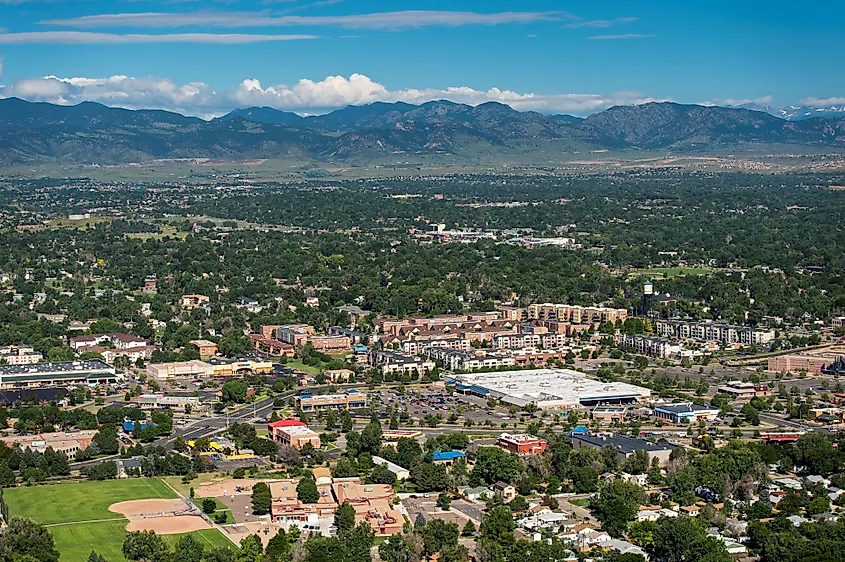
For any traveler planning a visit, understanding the local climate is paramount to a successful and enjoyable experience. Arvada, Colorado, a vibrant city nestled at the base of the Rocky Mountains, offers a captivating blend of urban amenities and natural beauty. Its location in the high plains, just northwest of Denver and within the Denver Metropolitan Area, means its weather patterns are characterized by significant seasonal variations, abundant sunshine, and distinct changes throughout the year. The temperature in Arvada isn’t static; it’s a dynamic element that dictates the rhythm of activities, the type of apparel required, and ultimately, the character of your visit.

Seasonal Variations and What to Expect
Arvada’s climate is classified as semi-arid, with four distinct seasons, each offering unique appeals and challenges for travelers. Summers are generally warm and dry, punctuated by occasional afternoon thunderstorms. Winters are cold and snowy, but often interspersed with surprisingly mild, sunny days thanks to the “chinook” winds that sweep down from the mountains. Spring and autumn serve as transitional periods, known for their unpredictability, with sudden temperature shifts and a mix of sunshine, rain, and even late-season snowfalls. This variability is part of Colorado’s charm, requiring travelers to be adaptable and well-prepared for a range of conditions.
High Altitude, Dry Air: The Colorado Effect
One crucial factor influencing the perceived temperature and overall comfort in Arvada is its elevation. Situated at approximately 5,300 to 5,800 feet above sea level, Arvada experiences lower humidity than many other parts of the country. This dry air can make hot temperatures feel more tolerable and cold temperatures feel crisper. However, it also means the sun’s rays are more intense, requiring diligent sun protection year-round. Moreover, the dry air contributes to significant diurnal temperature swings—large differences between daytime highs and nighttime lows—even in summer. This characteristic means that while days might be warm, evenings can cool down considerably, making layering an essential packing strategy for any season.
Summer in Arvada: Warm Days and Cool Nights
Summer in Arvada, typically from June through August, is generally warm and inviting, making it a popular time for visitors. Average daytime temperatures usually hover in the high 70s to low 90s Fahrenheit (25-35°C). While July is often the warmest month, temperatures rarely reach extreme highs, and the low humidity often makes even warmer days comfortable. The intense sun can feel hot, but shade provides significant relief. Nights, however, are almost always refreshingly cool, often dropping into the 50s or even low 60s Fahrenheit (10-17°C), providing a perfect reprieve after a day of exploration. Afternoon thunderstorms are a common occurrence in July and August, usually brief but intense, offering a quick cool-down.
Activities for the Warmer Months
The pleasant summer temperatures in Arvada are ideal for a wide array of outdoor activities. Hiking and biking trails abound, from leisurely strolls along the Ralston Creek Trail to more challenging routes in nearby open spaces. Majestic View Park offers expansive green spaces, a community garden, and a disc golf course, perfect for an afternoon outing. Nature enthusiasts will appreciate the opportunity to observe local wildlife at the Two Ponds National Wildlife Refuge, an urban oasis providing critical habitat. The city’s numerous parks become hubs for picnics, sports, and community events. For those seeking cultural experiences, the Arvada Center for the Arts and Humanities hosts outdoor concerts and theater performances under the open sky, capitalizing on the mild evenings. Exploring Olde Town Arvada becomes even more delightful, with patios bustling and shops inviting visitors to wander at their leisure.
Packing Essentials for Summer Travel
Given the combination of warm days, cool nights, and intense sun, packing smart for an Arvada summer trip is crucial. Lightweight, breathable clothing like shorts, t-shirts, and sundresses are ideal for daytime. However, a light jacket, sweater, or hoodie is absolutely necessary for evenings and mornings, as well as for air-conditioned indoor spaces. A wide-brimmed hat, sunglasses, and high-SPF sunscreen are non-negotiable due to the strong UV index at altitude. Comfortable walking shoes are a must for exploring trails and urban areas. While afternoon showers are common, they are usually short-lived, so a light, packable rain jacket or umbrella can be useful but isn’t always essential, depending on your itinerary.
Autumn’s Embrace: Crisp Air and Scenic Beauty
As summer transitions into autumn, typically from September through November, Arvada enters a period of exquisite beauty, characterized by crisp air, clear skies, and vibrant fall foliage. September often feels like an extension of summer, with warm days and mild evenings. By October, daytime temperatures average in the 60s Fahrenheit (15-20°C), dropping to the 30s-40s Fahrenheit (0-10°C) at night. November brings a distinct chill, with averages in the 40s Fahrenheit (5-10°C) during the day and often below freezing at night. This season is known for its “Indian Summer” periods, offering wonderfully warm and sunny days even into late fall. However, the first snowfalls can occur as early as October, adding to the unpredictable charm of the season.
Fall Foliage and Outdoor Adventures
Autumn is arguably one of the most picturesque times to visit Arvada. While the city itself boasts lovely trees, the true spectacle of fall foliage can be found with a short drive into the foothills of the Front Range or further into the Rocky Mountains. Areas like Clear Creek Canyon Park offer stunning views of aspens turning golden. Hiking, cycling, and scenic drives are particularly popular, as the comfortable daytime temperatures and lack of summer crowds make for a serene experience. Farmers’ markets in Olde Town Arvada are still active in early fall, offering local produce and crafts against a backdrop of autumnal colors. The cooler temperatures are also perfect for exploring local breweries and cafes, enjoying the cozy atmosphere.
Preparing for Cooler Temperatures

Layering becomes even more critical for autumn travel. Days can be pleasantly warm, but once the sun dips below the horizon, temperatures can plummet quickly. Pack long-sleeved shirts, sweaters, and a medium-weight jacket that is water-resistant. Jeans or sturdy pants are more appropriate than shorts. For early morning or late evening outings, a hat and gloves might be appreciated, especially in late October and November. Footwear should be comfortable and suitable for potentially wet or frosty ground, such as waterproof hiking boots if you plan on significant outdoor exploration.
Winter Wonderland or Mild Days? Arvada’s Colder Season
Winter in Arvada, from December through February, is a season of contrasts. While average daytime temperatures hover in the low 40s Fahrenheit (0-5°C) and nighttime lows are often in the teens or 20s Fahrenheit (-10 to -5°C), the city receives abundant sunshine. Snowfall is common, but rarely lingers for extended periods in the city proper, especially compared to the higher elevations. Arvada can experience significant snowstorms, followed by rapid melting thanks to the strong Colorado sun and occasional warm chinook winds. This means travelers might wake up to a blanket of fresh snow only to see it disappear by afternoon, or enjoy a surprisingly mild, sunny day in the middle of January.
Snow-Based Activities and Urban Exploration
For travelers dreaming of a winter wonderland, Arvada offers opportunities for snow-based activities, particularly after a fresh snowfall. Local parks become perfect spots for sledding, building snowmen, or simply enjoying a peaceful, white landscape. For more serious skiing or snowboarding, the world-class resorts of the Rocky Mountains are a scenic drive away. However, many visitors choose to embrace Arvada’s indoor attractions during colder periods. Museums, art galleries, and the Arvada Center for the Arts and Humanities offer warmth and cultural enrichment. Olde Town Arvada transforms into a festive setting, especially during the holidays, with charming shops, cozy restaurants, and lively events, providing a warm escape from the cold. Ice skating rinks also pop up seasonally, offering a classic winter pastime.
Layering for Winter Comfort
Proper layering is absolutely essential for winter travel to Arvada. Start with moisture-wicking base layers, add insulating middle layers like fleece or wool sweaters, and top it off with a waterproof and windproof outer shell. A warm hat that covers your ears, insulated gloves or mittens, and a scarf are critical for protecting against the cold and wind. Insulated, waterproof boots with good traction are advisable for navigating snowy or icy sidewalks. Even on sunny winter days, the air can be quite cold, so ensure your outerwear is adequate. Remember the significant diurnal swing; while the sun might feel strong during the day, temperatures will drop sharply once it sets.
Springtime in Arvada: Unpredictable but Beautiful
Spring in Arvada, from March through May, is a season of transition and delightful unpredictability. March can still feel very much like winter, with significant snowfalls possible. April brings a mix of sunshine, rain, and occasional wet snow, with temperatures generally ranging from the 40s to 60s Fahrenheit (5-20°C). By May, spring is in full bloom, with warmer days in the 60s and 70s Fahrenheit (15-25°C) and much milder nights, though late-season snow is not entirely unheard of, especially in early May. This season is characterized by rapid changes; you might experience all four seasons in a single day!
Blooming Landscapes and Variable Weather
Despite its variability, spring is a beautiful time to visit Arvada as the city comes alive with budding trees and blooming flowers. Parks and green spaces begin to shed their winter slumber, inviting visitors back for walks and outdoor enjoyment. The warming temperatures encourage outdoor dining and exploration, while the melting snow in the mountains contributes to flowing creeks and rivers, perfect for early-season fishing or simply enjoying the sounds of nature. It’s a prime time for birdwatching at places like Two Ponds National Wildlife Refuge as migratory birds return.
Strategies for Spring Travel
Travelers visiting Arvada in spring need to be prepared for anything. Layering is key: pack long and short-sleeved shirts, sweaters, and a versatile, waterproof outer jacket. Consider bringing waterproof shoes or boots, especially for March and April, as snowmelt and rain can make surfaces wet. A hat and gloves might still be useful in early spring. Always check the local forecast immediately before and during your trip, as conditions can change quickly. Flexibility in your itinerary is also a good idea; have indoor alternatives planned for unexpectedly cold or wet days.
Beyond the Thermometer: How Temperature Shapes Your Arvada Experience
Understanding the temperature in Arvada is about more than just knowing what numbers the thermometer will show; it’s about anticipating the overall feel of the air, the quality of the sunlight, and how these elements will shape your daily activities and comfort. Arvada’s distinct climate, influenced by its elevation and proximity to the Rocky Mountains, demands thoughtful preparation from any traveler.
Planning Your Wardrobe
No matter the season, the guiding principle for packing for Arvada is layering. The significant temperature swings from day to night, and the potential for rapid weather changes, mean that having multiple layers you can add or remove is crucial for comfort. Always include a waterproof outer layer, as even in dry periods, pop-up showers or unexpected snow can occur.
Hydration and Sun Protection
Regardless of the temperature, the high altitude and dry air in Arvada necessitate constant hydration. Drink plenty of water to combat dehydration, which can exacerbate altitude sickness symptoms. Sun protection is equally important year-round. The thinner atmosphere allows more UV radiation to reach the ground, making sunscreen, sunglasses, and hats essential, even on cloudy days or in winter. By respecting Arvada’s unique climate and preparing accordingly, travelers can ensure their visit is as comfortable, adventurous, and memorable as possible, regardless of what the thermometer reads.
LifeOutOfTheBox is a participant in the Amazon Services LLC Associates Program, an affiliate advertising program designed to provide a means for sites to earn advertising fees by advertising and linking to Amazon.com. Amazon, the Amazon logo, AmazonSupply, and the AmazonSupply logo are trademarks of Amazon.com, Inc. or its affiliates. As an Amazon Associate we earn affiliate commissions from qualifying purchases.