
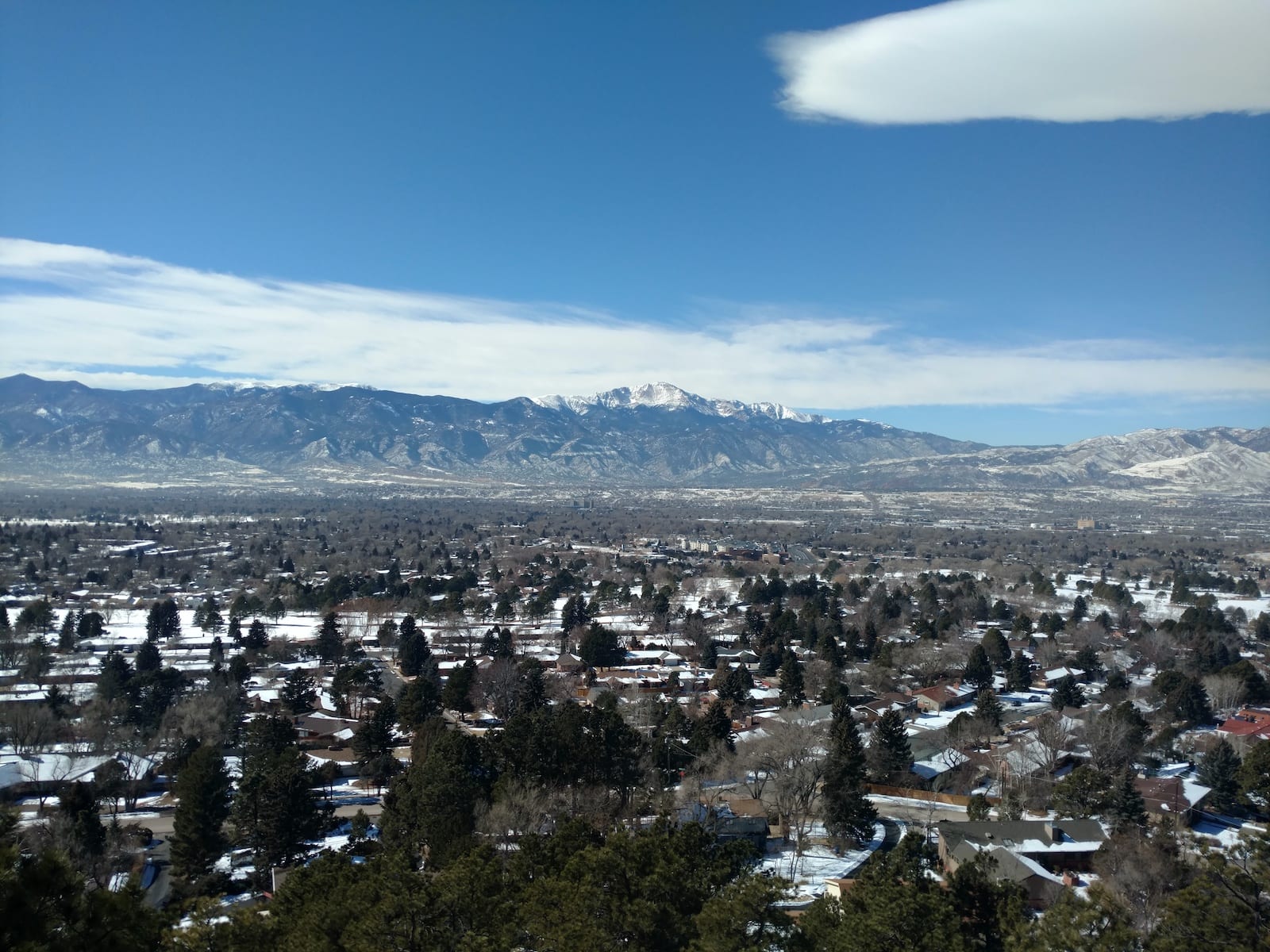
Understanding the weather in Colorado Springs is paramount for any traveler planning a visit to this captivating Colorado city. Nestled at the foot of Pikes Peak and on the eastern edge of the Rocky Mountains, Colorado Springs boasts a unique semi-arid climate characterized by abundant sunshine, significant diurnal temperature swings, and the distinct influence of its mountainous backdrop. This creates a dynamic weather pattern that can vary dramatically not only from season to season but sometimes even within a single day. Preparing for this variability is key to maximizing your travel experience, whether you’re seeking adventure, relaxation, or cultural immersion.
Decoding Colorado Springs’ Unique Climate
Colorado Springs’ elevation, averaging around 6,035 feet (1,839 meters) above sea level, plays a significant role in its weather. This high altitude contributes to lower humidity levels and more intense sunlight compared to sea-level locations. The city experiences four distinct seasons, each offering a different facet of its natural beauty and a unique set of activities. However, the proximity to the mountains means weather systems can change rapidly, often delivering “four seasons in a day” experiences, particularly during spring and fall.
The region is famous for its nearly 300 days of sunshine annually, a major draw for visitors. Even on colder winter days, the sun often makes an appearance, offering warmth and brilliant light against a snowy landscape. Precipitation is relatively low, contributing to the semi-arid classification, with most moisture coming during late spring and summer thunderstorms. These storms are typically brief but can be intense, providing welcome relief from summer heat and contributing to the vibrant green landscapes. Winter snowfall is common but rarely accumulates for extended periods in the city center, thanks to the sun and often warmer chinook winds that can sweep down from the mountains, melting snow quickly.
Seasonal Weather Breakdowns and Travel Implications
Each season in Colorado Springs presents a distinct atmospheric profile, influencing the types of activities and packing essentials travelers should consider.
Spring (March – May)
Spring in Colorado Springs is a season of transition, marked by unpredictable weather. Temperatures begin to rise, averaging from the mid-40s°F (around 7°C) in March to the low 60s°F (around 16°C) by May. However, snow is not uncommon even in April or early May, often followed by rapid melting due to the strong sun. This period sees the highest amount of precipitation, often in the form of afternoon thunderstorms or late-season snowstorms.
- Travel Implication: Be prepared for anything. Layering is essential. You might experience warm sunshine, rain, and even snow on the same day. Roads to higher elevations like Pikes Peak may still have closures early in the season. It’s an excellent time for scenic drives and visiting indoor attractions or lower elevation parks like Garden of the Gods when skies are clear.
Summer (June – August)
Summer is peak tourist season, offering warm, dry days and cooler evenings. Average daytime temperatures range from the mid-70s°F (around 24°C) to the low 80s°F (around 28°C). While generally sunny, afternoon thunderstorms are a common occurrence, especially in July and August. These are usually short-lived, bringing heavy rain and sometimes hail, before clearing to beautiful evenings. Humidity remains low, making even warmer temperatures feel more comfortable.
- Travel Implication: Ideal for outdoor activities like hiking, biking, and exploring natural wonders. Hydration is crucial due to the altitude and dry air. Pack light clothing, but always include a rain jacket or umbrella for afternoon showers, and a light jacket for cool evenings. Plan outdoor activities for the morning to avoid the peak thunderstorm period. Attractions like the United States Air Force Academy and Cheyenne Mountain Zoo are very popular.
Fall (September – November)
Fall is arguably one of the most picturesque times to visit, especially in late September and early October when the aspen trees in the mountains turn brilliant gold. Days are generally sunny and crisp, with average temperatures ranging from the low 70s°F (around 22°C) in September to the low 50s°F (around 11°C) by November. Nights become significantly cooler, often dropping below freezing by late October. Precipitation is lower than in spring and summer, though the first snowfalls of the season can occur in late fall.
- Travel Implication: Excellent for hiking, fall foliage viewing, and enjoying a quieter travel experience than summer. Layering is key, with warmer jackets needed for evenings and mornings. Roads to higher elevations usually remain open through October, offering stunning scenic drives. It’s a prime time for photographers and those who appreciate crisp, clear mountain air. Exploring Old Colorado City and Manitou Springs is delightful.
Winter (December – February)
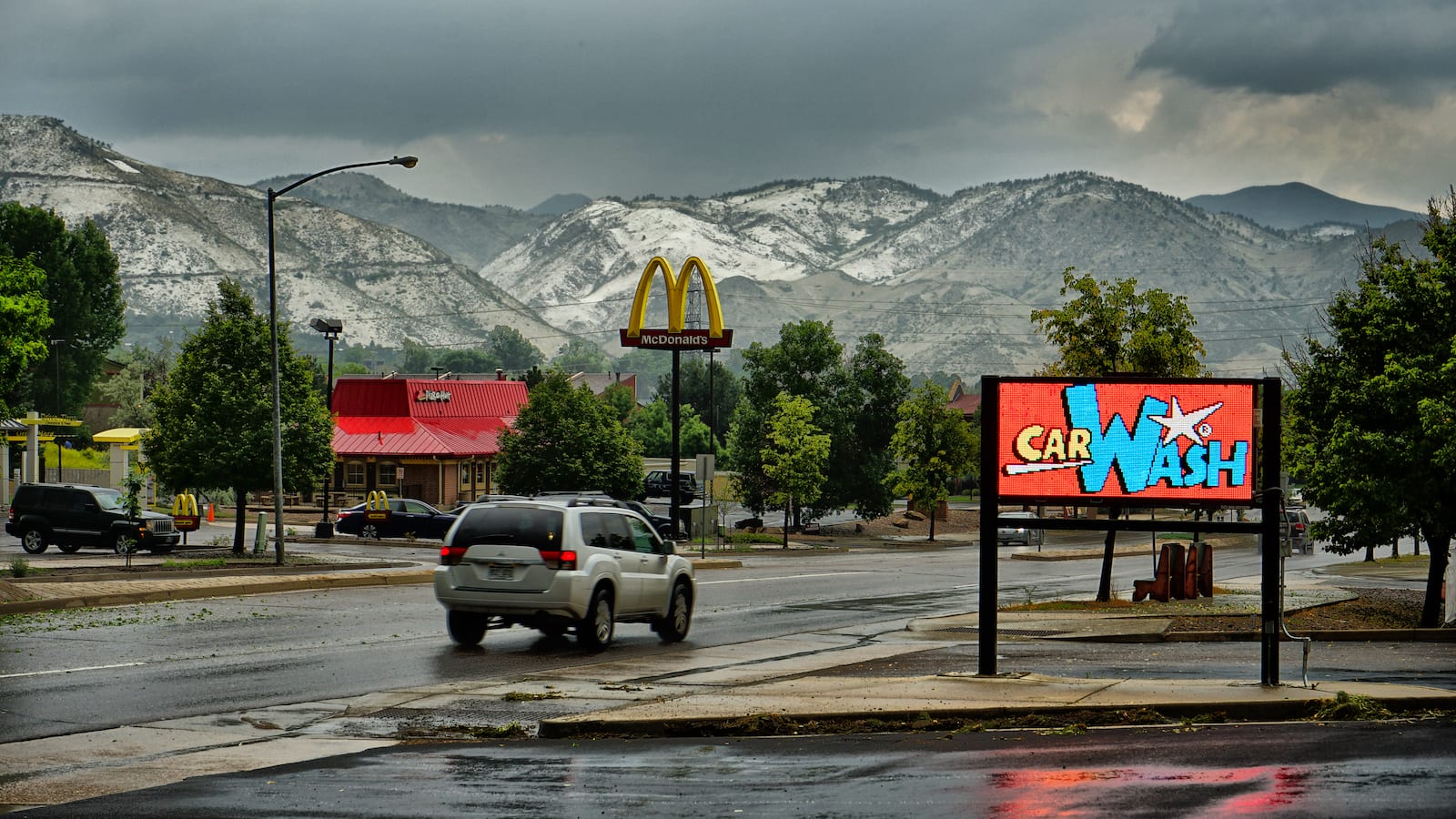
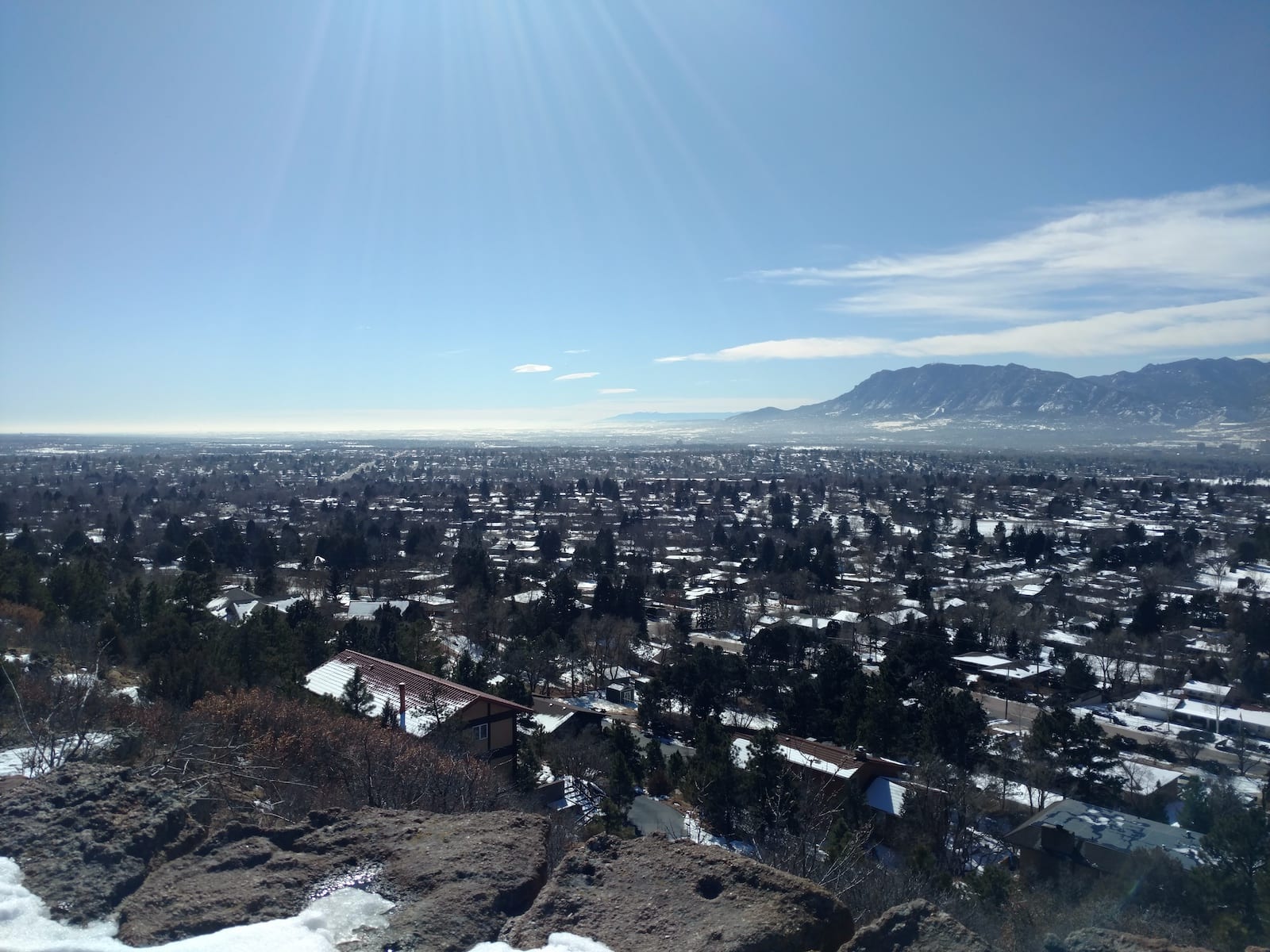
Winter in Colorado Springs brings cold temperatures, averaging from the high 30s°F (around 3°C) to the low 40s°F (around 6°C) during the day, with nights often well below freezing. Despite the cold, the city still enjoys abundant sunshine, and snowfalls tend to be relatively light and short-lived in the city proper, often melting within a day or two. However, the surrounding mountains receive significant snowfall, making them ideal for winter sports.
- Travel Implication: Perfect for visitors who enjoy winter activities or want to experience a festive holiday atmosphere. Warm, waterproof clothing, hats, gloves, and sturdy winter boots are essential. While skiing and snowboarding are closer to Denver and further west, local activities like ice skating, holiday light displays, and cozying up at places like the Broadmoor Hotel are popular. Roads are generally well-maintained, but always check conditions before heading to higher elevations or remote areas.
Preparing for Colorado Springs’ Weather Variability
Given the dynamic nature of Colorado Springs’ climate, smart packing and preparation are non-negotiable for a successful trip.
Embrace Layering
No matter the season, the golden rule for dressing in Colorado Springs is layering. Mornings can be cool, days warm up considerably, and evenings cool down quickly. A base layer, an insulating mid-layer (fleece or sweater), and a waterproof/windproof outer shell will serve you well through most of the year.
Sun Protection is Paramount
With nearly 300 days of sunshine and high altitude, UV radiation is stronger. Always pack sunglasses, a wide-brimmed hat, and high-SPF sunscreen, even on cloudy days or in winter. Sunburn can occur rapidly and unexpectedly.
Stay Hydrated
The dry air and altitude can lead to dehydration more quickly than at sea level. Drink plenty of water throughout your visit, even if you don’t feel thirsty. Carrying a reusable water bottle is highly recommended. Many visitors find it helpful to start hydrating before they even arrive.
Footwear Matters
Depending on your planned activities, comfortable, sturdy walking shoes are a must. If you plan to hike, invest in good hiking boots. For winter, waterproof, insulated boots with good traction are essential. Even in summer, comfortable sandals are great for casual strolls, but not for exploring Garden of the Gods’ trails.
Be Aware of Mountain Weather
When venturing into the mountains or higher elevations, such as Pikes Peak or areas near Seven Falls and Cave of the Winds Mountain Park, always check the localized forecast. Temperatures can drop significantly, and weather conditions can change even more rapidly than in the city. Snow can linger at higher altitudes well into summer. Always inform someone of your hiking plans and expected return time.
Best Times to Visit Based on Weather and Activities
While Colorado Springs offers year-round appeal, certain times of the year are more suited to specific interests.
- For Outdoor Adventures (Hiking, Biking, Climbing): Late spring (May-June) and early fall (September-October) offer ideal temperatures and usually fewer crowds than the peak summer months. Summer (July-August) is also great, but be prepared for afternoon thunderstorms.
- For Scenic Drives and Photography (Fall Foliage): Late September to early October is unbeatable for vibrant autumn colors, especially in the canyons and mountain passes near Cripple Creek or toward the Royal Gorge Bridge.
- For Winter Sports Enthusiasts: While Colorado Springs itself isn’t a ski town, its winter atmosphere is charming. For serious skiing or snowboarding, you’ll need to head west towards the major ski resorts, typically from December through March.
- For Mild Weather and Fewer Crowds: May, early June, and September are often considered “shoulder seasons” offering pleasant weather, fully open attractions, and a more relaxed pace.
In conclusion, the weather in Colorado Springs is an integral part of its charm and challenge for travelers. By understanding its unique climate, preparing for seasonal variations, and embracing the necessity of versatile packing, visitors can fully enjoy the breathtaking landscapes and diverse experiences this incredible destination has to offer, no matter when they choose to explore.
LifeOutOfTheBox is a participant in the Amazon Services LLC Associates Program, an affiliate advertising program designed to provide a means for sites to earn advertising fees by advertising and linking to Amazon.com. Amazon, the Amazon logo, AmazonSupply, and the AmazonSupply logo are trademarks of Amazon.com, Inc. or its affiliates. As an Amazon Associate we earn affiliate commissions from qualifying purchases.