
The journey between two of California’s most iconic cities, Los Angeles and San Francisco, is a classic American road trip. While the exact mileage can vary slightly depending on the chosen route, understanding the distances and the different ways to traverse them is key to planning an efficient and enjoyable travel experience. This exploration delves into the primary driving routes, alternative travel methods, and what makes this particular stretch of the West Coast so captivating for travelers.
The Direct Driving Distance: Navigating the Interstate
The most common and straightforward way to travel between Los Angeles and San Francisco is by car, primarily utilizing the Interstate 5 (I-5) corridor. This route is designed for speed and efficiency, making it the quickest option for those focused on reaching their destination with minimal detours.

I-5: The Fastest Route
The direct driving distance via Interstate 5 is approximately 380 miles. This journey typically takes around 5 to 6 hours of pure driving time, depending on traffic conditions. Traffic, especially around the Los Angeles metropolitan area and approaching San Francisco, can significantly extend this travel time, particularly during peak hours.
Key Considerations for the I-5 Route:
- Efficiency: This is the most direct path, minimizing mileage and often avoiding scenic but slower coastal highways.
- Services: The Interstate 5 is well-serviced with gas stations, rest stops, and fast-food restaurants, making it convenient for a quick stopover.
- Scenery: While functional, the I-5 is not known for its dramatic natural beauty. The landscape is predominantly agricultural and flatter compared to the coastal routes.
- Weather: While generally mild in California, fog can occasionally impact visibility, especially in the northern sections of the route.
Potential Pitfalls and Planning
- Traffic: As mentioned, traffic is the primary adversary on this route. Departing Los Angeles early in the morning or late in the evening can help bypass some of the worst congestion. Similarly, approaching San Francisco outside of typical commute times is advisable.
- Construction: Road construction can cause delays, so checking traffic apps like Google Maps or Waze before and during the journey is highly recommended.
- Fuel Stops: While services are frequent, it’s always wise to keep an eye on your fuel gauge, especially if traveling late at night when some services might be less accessible.
The Scenic Alternative: Coastal Driving Via Highway 1
For travelers who prioritize breathtaking views and a more leisurely experience, the drive along California State Route 1, also known as Pacific Coast Highway (PCH), offers an unforgettable journey. This route is significantly longer and more time-consuming but rewards with iconic vistas and charming towns.
Pacific Coast Highway: A Journey Through Coastal Splendor
The distance via Highway 1 is considerably more extensive, often ranging from 450 to 500 miles, depending on the exact starting and ending points within the respective cities and the chosen segments of the highway. The driving time for this route is not a matter of hours but days. A minimum of 2 to 3 days is recommended to truly appreciate the sights along the way, allowing for stops at various points of interest.
Highlights of the Pacific Coast Highway Route:
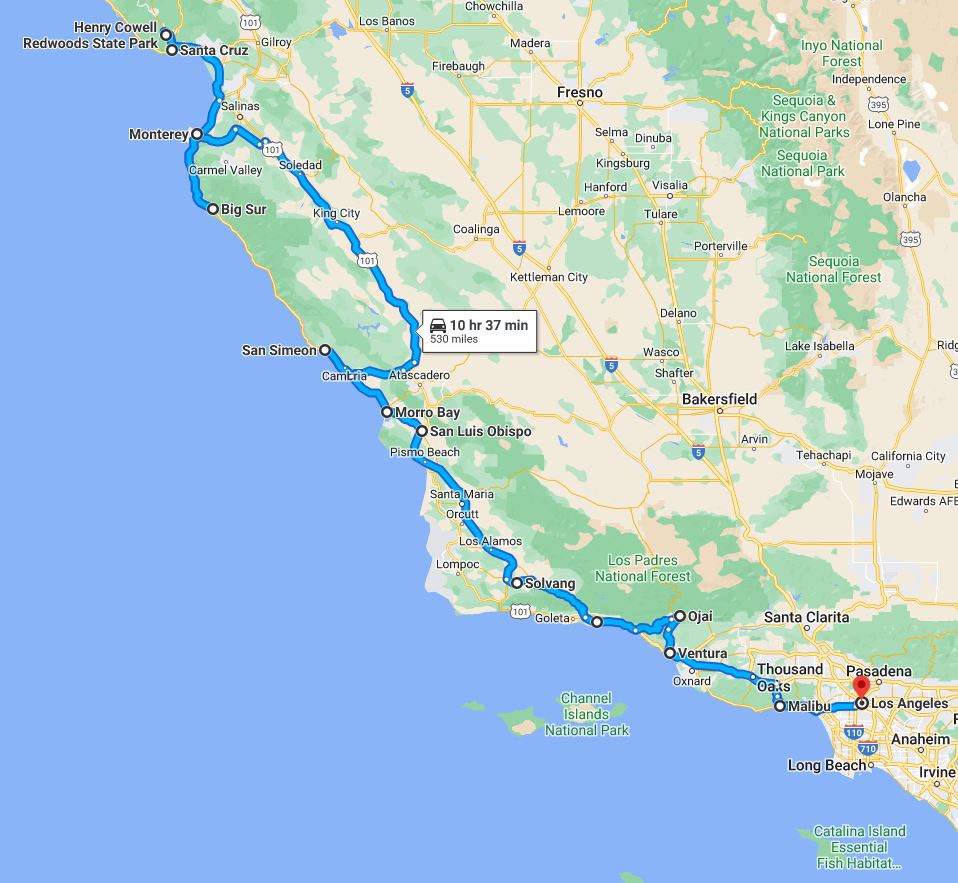
- Iconic Landmarks: This route passes through or near renowned attractions such as the charming Danish village of Solvang, the stunning cliffs of Big Sur, the artistic enclave of Carmel-by-the-Sea, and the historic mission towns.
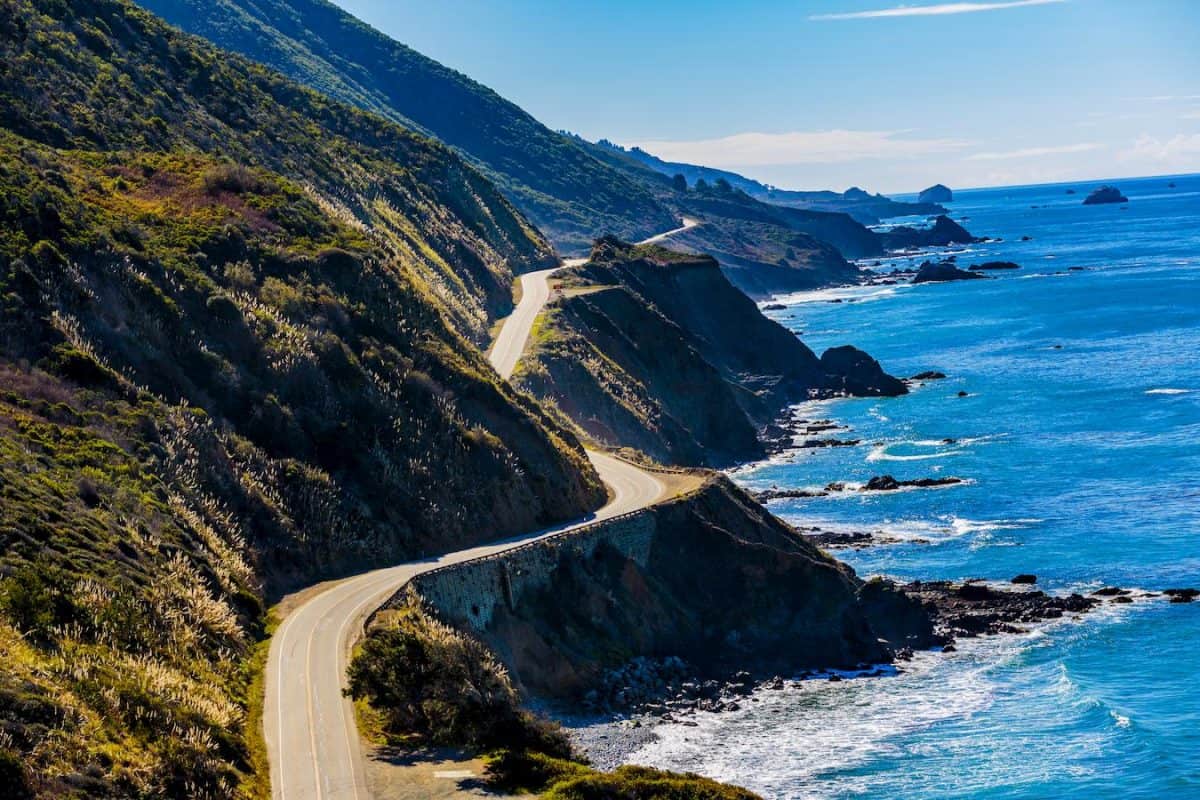
- Dramatic Scenery: Expect dramatic ocean vistas, rugged coastline, redwood forests, and picturesque beaches.
- Charming Towns: Opportunities abound to explore quaint coastal towns, enjoy fresh seafood, and discover local art galleries.
- Flexibility: This route offers immense flexibility for customization, allowing travelers to tailor their itinerary based on their interests.
Planning Your Highway 1 Adventure
- Road Conditions: Sections of Highway 1, particularly in Big Sur, are prone to landslides and closures. It is imperative to check the California Department of Transportation (Caltrans) website for current road conditions before and during your trip.
- Accommodations: Lodging options range from boutique hotels and charming inns to luxury resorts and campgrounds. Booking accommodations in advance is highly recommended, especially during peak travel seasons.
- Time Allocation: Do not underestimate the time required for this route. Rushing through it defeats the purpose. Plan for ample time to stop, explore, and soak in the scenery.
- Vehicle Choice: While any reliable vehicle can manage this route, a comfortable car or even a convertible can enhance the experience, particularly for enjoying the coastal air.
Beyond the Road: Alternative Travel Options
While driving is a popular choice, other modes of transportation offer distinct advantages for traveling between Los Angeles and San Francisco.
Flying: The Quickest Non-Driving Option
For those prioritizing speed and convenience, flying is the most efficient alternative to driving the I-5.
- Flight Duration: Non-stop flights between Los Angeles International Airport (LAX) and San Francisco International Airport (SFO) are typically around 1 hour and 20 minutes in the air.
- Total Travel Time: However, it’s crucial to factor in travel to and from airports, check-in procedures, security, and baggage claim. This can add several hours to the total journey, making the door-to-door time comparable to a very efficient drive.
- Airlines: Numerous airlines, including United Airlines, American Airlines, and Delta Air Lines, offer frequent flights on this busy route.
- Cost: Flight prices can vary significantly based on booking time, airline, and season.
Amtrak: A Relaxing Rail Journey
The train offers a more relaxed and scenic way to travel between the two cities, without the stress of driving.
- Route: Amtrak’s Coast Starlight route is a popular choice, offering picturesque views as it travels north along the coast before heading inland.
- Duration: The train journey typically takes around 9 to 11 hours, making it a full-day experience.
- Amenities: Amtrak trains often provide comfortable seating, dining cars, and the opportunity to relax and enjoy the passing scenery. This can be a great option for those who want to work or simply unwind during their travel.
- Stations: The main stations are Union Station in Los Angeles and Jack London Square in Oakland, which is easily accessible to San Francisco via BART.
Bus Travel: Budget-Friendly Options
Several bus companies offer services between Los Angeles and San Francisco, providing a more budget-conscious alternative.
- Companies: Companies like Greyhound and FlixBus operate this route.
- Duration: Travel times can range from 7 to 10 hours, depending on the number of stops and the specific route.
- Comfort: While less luxurious than train travel, modern buses often offer amenities such as Wi-Fi and power outlets.
Understanding the Distance in Context
The question “How Many Miles From [Los Angeles] To [San Francisco]?” is more than just a numerical query; it’s an invitation to explore the diverse landscapes and travel philosophies that define the California experience. Whether you choose the swift efficiency of Interstate 5, the soul-stirring beauty of Highway 1, the speed of air travel, the relaxed pace of the train, or the affordability of the bus, each option offers a unique perspective on the approximately 380-500 miles that separate these two vibrant metropolises. The choice ultimately depends on your priorities: time, budget, scenic enjoyment, or a combination thereof.
LifeOutOfTheBox is a participant in the Amazon Services LLC Associates Program, an affiliate advertising program designed to provide a means for sites to earn advertising fees by advertising and linking to Amazon.com. Amazon, the Amazon logo, AmazonSupply, and the AmazonSupply logo are trademarks of Amazon.com, Inc. or its affiliates. As an Amazon Associate we earn affiliate commissions from qualifying purchases.