
The anticipation of fresh powder and exhilarating descents begins long before the first flakes fall in the Rocky Mountains of Colorado. For ski and snowboard enthusiasts around the globe, determining the precise start of the Colorado ski season is crucial for planning that perfect winter getaway. While no single date marks the universal opening, a combination of natural snowfall, sustained cold temperatures for snowmaking, and strategic marketing by individual resorts dictates when the lifts officially begin to spin. Travelers eager to carve the season’s first turns need to understand these dynamics to maximize their travel plans.
The Official Kick-Off: Understanding Colorado’s Ski Season Opening Dates
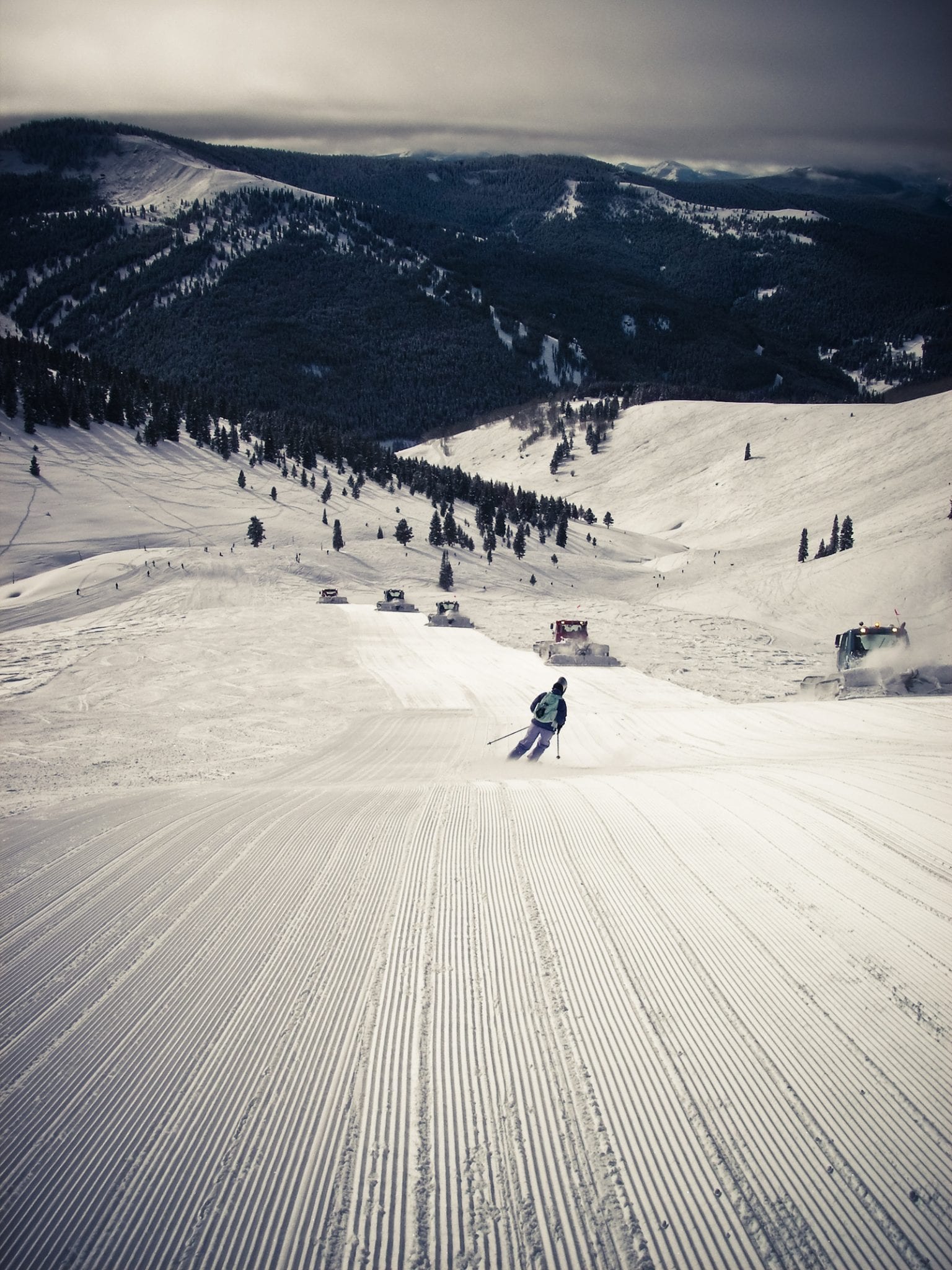
Colorado’s ski season typically commences in mid-November and can extend well into April or even May, offering one of the longest ski seasons in North America. However, the exact opening day for each resort is a keenly watched event, often shifting year to year based on weather patterns. Generally, the race to open first begins in October, with a couple of high-elevation, snowmaking-focused resorts often vying for the title. Most major resorts follow suit by Thanksgiving week, signaling the true start of the winter travel season.
Several factors influence these critical opening dates:
- Natural Snowfall: The most significant determinant. Early-season storms can accelerate opening plans, allowing resorts to groom more terrain quickly.
- Snowmaking Capabilities: Modern ski resorts invest heavily in snowmaking technology. Sustained cold temperatures (below freezing) are essential for efficient snowmaking, providing a reliable base layer even before significant natural snow. Resorts with robust snowmaking systems often open earlier and can maintain consistent conditions.
- Infrastructure Readiness: Lifts, lodges, and support services must be fully operational, requiring staff training and safety checks.
- Market Demand: Resorts strategically time openings around major holidays like Thanksgiving to capitalize on early-season travel interest.
Travelers should think of the opening period as a gradual ramp-up. The earliest days typically offer limited terrain, focusing on a few primary runs and base areas. As more snow falls and temperatures allow for extensive snowmaking, additional lifts and runs open, gradually expanding the skiable acreage. For the most comprehensive early-season experience, it’s advisable to target trips from late November through the first half of December.
Early Birds Get the Powder: Notable Resorts and Their First Lifts
While the exact opening day can fluctuate, some Colorado resorts are renowned for being among the first to open their gates, drawing a dedicated crowd of eager skiers and riders.
Loveland Ski Area and Arapahoe Basin Ski Area: The First to Open
Often referred to as the “first to open” contenders, Loveland Ski Area and Arapahoe Basin Ski Area consistently vie for the honor of kicking off the Colorado ski season, sometimes as early as mid-October. Their high elevations, strategic locations on the Continental Divide, and excellent snowmaking capabilities contribute to their early starts. These resorts become pilgrimage sites for enthusiasts desperate to feel snow underfoot, even if only on a limited number of runs. An early season trip to either of these destinations offers bragging rights and a unique opportunity to experience the pristine, early-winter landscape. Travelers planning to visit these areas should be aware that initial operations typically involve one or two chairlifts accessing a single groomed run, but the atmosphere of excitement is palpable.
Major Players: Vail, Breckenridge, and Aspen Snowmass
Following closely behind the early openers, Colorado’s larger, internationally renowned resorts typically aim for a mid-to-late November opening, often timed with the Thanksgiving holiday week. These include giants like Vail, Breckenridge, Keystone Resort, Copper Mountain, and Winter Park Resort, all conveniently located within a few hours’ drive of Denver along the Interstate 70 corridor. Aspen Snowmass, comprising four distinct mountains—Snowmass, Aspen Mountain, Aspen Highlands, and Buttermilk—also typically targets a late November opening for at least one or two of its mountains, gradually bringing the others online as conditions permit. These resorts boast extensive terrain, world-class amenities, and vibrant resort villages, making them prime destinations for a more comprehensive early-season ski trip. While early conditions might still be building, the sheer scale and variety of options available ensure a memorable experience. Travelers choosing these destinations in November can often find attractive pre-season lodging deals and enjoy less crowded slopes before the peak holiday rush.
North and South: Diverse Options
Beyond the I-70 corridor, other Colorado resorts offer diverse early-season experiences. To the north, Steamboat Springs often opens in late November, renowned for its “Champagne Powder” and Western heritage. To the south, resorts like Telluride, Wolf Creek Ski Area, and Purgatory Resort in the San Juan Mountains generally follow a similar mid-to-late November opening schedule. Wolf Creek, in particular, often boasts some of the deepest natural snow in the state, making it an excellent, albeit more remote, option for early-season powder hounds. Eldora Mountain Resort, near Boulder, and Crested Butte Mountain Resort, known for its extreme terrain, also aim for late November openings, rounding out the early-season choices for travelers exploring different parts of the state.
Beyond Opening Day: The Full Arc of the Colorado Ski Experience
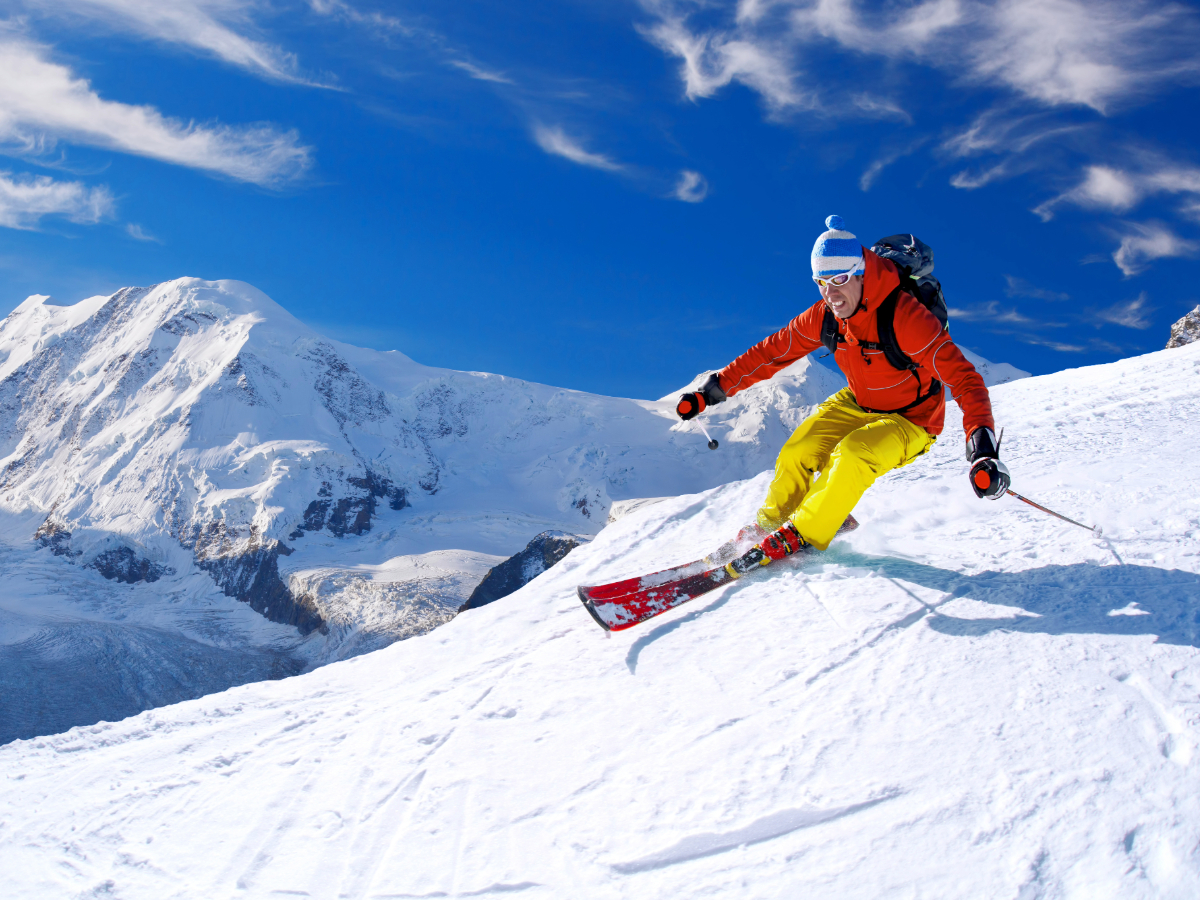
While the start of the season is exciting, understanding the progression of winter conditions is key to planning the ideal ski vacation. The Colorado ski season evolves considerably from its initial days in November through its grand finale in spring.
Early Season: What to Expect
The period from mid-November to mid-December is characterized by building snow bases. Early-season skiing often means groomed runs and limited off-piste access. The focus is on getting your ski legs back, enjoying crisp mountain air, and experiencing the quiet beauty of the resorts before the peak crowds arrive. Temperatures can be quite cold, especially at higher elevations, so proper layering is essential. This time of year often presents opportunities for excellent deals on lift tickets and lodging, making it an attractive option for budget-conscious travelers or those seeking a more relaxed experience. However, travelers should manage expectations regarding the full breadth of terrain available; many expert runs, bowls, and glades require more substantial snow depths.
Mid-Winter Magic: Peak Conditions and Events
From late December through February, Colorado’s ski season truly hits its stride. This is when resorts typically have 100% of their terrain open, the snowpack is at its deepest, and consistent snowfall delivers those coveted powder days. Mid-winter is ideal for travelers seeking the full spectrum of a Colorado ski vacation, from challenging expert terrain to wide-open cruisers and vibrant après-ski scenes. Holiday periods, particularly Christmas, New Year’s, and Presidents’ Day, are peak travel times, characterized by higher prices, larger crowds, and festive atmospheres. Booking well in advance for these periods is crucial. Many resorts also host special events, concerts, and competitions during this time, adding to the allure.
Spring Skiing: A Grand Finale
As March and April arrive, the ski season transitions into its renowned spring skiing phase. Longer daylight hours, warmer temperatures, and softer, “corn snow” conditions define this period. Mornings often start firm, softening to buttery smooth conditions by midday, perfect for carving. Spring skiing is also famous for its vibrant social scene, with sunny patio lunches, live music, and themed events. Many resorts host major festivals and competitions, and the atmosphere is generally more relaxed and celebratory. While some lower-elevation terrain may begin to close, the high-altitude resorts often remain open well into April and even May, offering fantastic late-season turns. Arapahoe Basin, in particular, is famous for its extended season, sometimes reaching early June, and its legendary “Beach” parking lot parties. Travelers seeking a festive atmosphere, sunny skies, and milder temperatures should consider a spring ski trip.
Planning Your Premiere Ski Trip: Tips for Early Season Visitors
Embarking on an early-season ski trip to Colorado can be incredibly rewarding, offering a unique opportunity to experience the start of winter. Careful planning, however, is key to a seamless and enjoyable journey.
Monitoring Conditions and Forecasts
Flexibility and diligent monitoring of weather reports are paramount for early-season travel. Websites like OnTheSnow, OpenSnow, and resort-specific snow reports provide real-time updates on snowfall, base depths, and open terrain. Keep an eye on long-range forecasts for cold temperatures, which are vital for snowmaking. It’s advisable to have alternative plans or be prepared to pivot to a different resort if conditions at your primary choice aren’t ideal. Some resorts offer early-season discounts that come with the caveat of variable conditions, so understanding the terms and conditions is important.
Booking Travel and Accommodation Strategically
For early-season trips, particularly around Thanksgiving, booking flights and lodging well in advance is recommended. While crowds are generally lighter than peak season, popular dates still fill up quickly. Consider staying in mountain towns like Frisco, Dillon, or Silverthorne for potentially better value accommodation and easy access to multiple resorts along the I-70 corridor. Many hotels and property management companies offer early bird specials, but these often have strict cancellation policies. Ensure your travel insurance covers weather-related disruptions if you’re concerned about limited terrain. Also, factor in potential road closures or difficult driving conditions, especially over mountain passes like Vail Pass, Berthoud Pass, or Monarch Pass, and consider shuttle services from airports like Denver International Airport to avoid driving in snow.
Gear and Preparedness
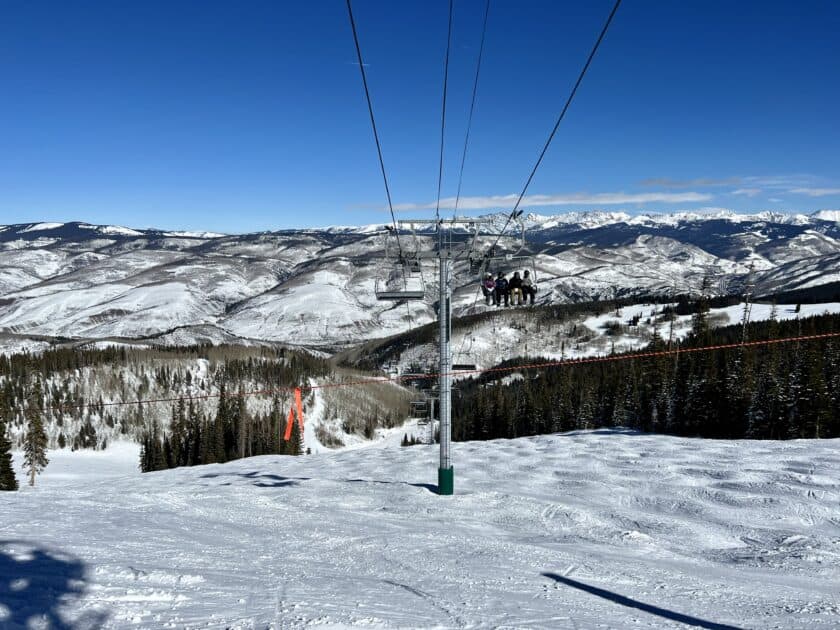
Early season conditions can be variable, ranging from icy patches to surprisingly deep powder. Pack layers suitable for cold temperatures, including waterproof outer shells, warm base layers, and extra gloves or mittens. A helmet is always recommended. If renting equipment, check with the rental shop about their early-season availability and if they offer tune-ups for potentially rockier base conditions. Given the potentially limited terrain, consider bringing wider, all-mountain skis or boards that can handle varied snow. Hydration is also critical at Colorado’s high altitudes, so carry a water bottle and drink plenty of fluids. Embrace the festive spirit, enjoy the quieter slopes, and savor the start of another spectacular Colorado ski season.
LifeOutOfTheBox is a participant in the Amazon Services LLC Associates Program, an affiliate advertising program designed to provide a means for sites to earn advertising fees by advertising and linking to Amazon.com. Amazon, the Amazon logo, AmazonSupply, and the AmazonSupply logo are trademarks of Amazon.com, Inc. or its affiliates. As an Amazon Associate we earn affiliate commissions from qualifying purchases.