
Florida Southern College, nestled on the shores of Lake Hollingsworth in Lakeland, Florida, stands as a monumental landmark in American architecture and higher education. Far more than just an academic institution, it is home to the world’s largest single-site collection of Frank Lloyd Wright architecture, earning it national and international recognition. This extraordinary campus, often referred to as the “Child of the Sun,” embodies Wright’s innovative vision and his philosophy of organic architecture, where structures are in harmony with their natural surroundings. Visiting Florida Southern is not merely a trip to a university; it is an immersive journey into the mind of a modernist master, a tangible lesson in architectural history, and a testament to enduring design principles.

The Architectural Legacy of Frank Lloyd Wright: Child of the Sun
The story of Florida Southern College’s distinctive campus began in 1938 when then-President Ludd M. Spivey, a visionary educator, sought to create a unique and inspiring environment for his students. He boldly approached Frank Lloyd Wright, already an iconic figure in American architecture, with an audacious proposal: design an entire campus from the ground up. Despite the Great Depression and the college’s limited budget, Wright accepted the challenge, viewing it as an unprecedented opportunity to implement his architectural theories on a grand scale. The collaboration spanned over two decades, resulting in a complex of twelve original Wright structures, with plans for more that were never fully realized.
Wright’s vision for Florida Southern, which he dubbed “A great experiment,” aimed to integrate buildings seamlessly with the Florida landscape. He drew inspiration from the local climate, the abundant sunshine, and the native flora, crafting structures that felt indigenous to their setting. His signature Usonian principles — an architectural style characterized by simple, functional, and aesthetically pleasing homes and public buildings designed for the American middle class — were adapted for a collegiate environment. This included the use of local materials, a strong emphasis on natural light, open floor plans, and a horizontal emphasis that echoed the flat Florida topography. The buildings are constructed primarily from reinforced concrete blocks, cast on-site by students themselves, a testament to the collaborative and hands-on spirit of the project. This unique construction method not only helped reduce costs but also imbued the campus with a tangible sense of communal effort and historical depth.
Signature Structures and Innovative Design Elements
Among the twelve Wright structures, several stand out for their innovative design and historical significance. The Annie Pfeiffer Chapel, completed in 1941, was the first building constructed and is arguably one of the most iconic. Its towering spire, pierced with abstract stained-glass windows, and its dynamic geometry are immediately striking. The Pfeiffer Chapel exemplifies Wright’s use of natural light, which floods the interior, creating an ethereal and contemplative atmosphere.
Another masterpiece is the E.T. Roux Library (originally the Administration Building), with its cantilevered rooflines and intricate “textile block” patterns that integrate seamlessly with the natural environment. The Danforth Chapel, a smaller, more intimate space, showcases Wright’s ability to create profound spiritual spaces using humble materials and a mastery of light and shadow. The Esplanades, covered walkways that connect many of the buildings, are an ingenious solution to Florida’s sun and rain, providing sheltered pathways that also serve as integral design elements. These “walkways” were envisioned by Wright as a central nervous system for the campus, unifying the diverse structures into a cohesive whole and encouraging continuous engagement with the outdoor environment. Their geometric cutouts create mesmerizing patterns of light and shadow throughout the day, transforming pedestrian movement into an artistic experience.
A Living Museum: Preservation and Education
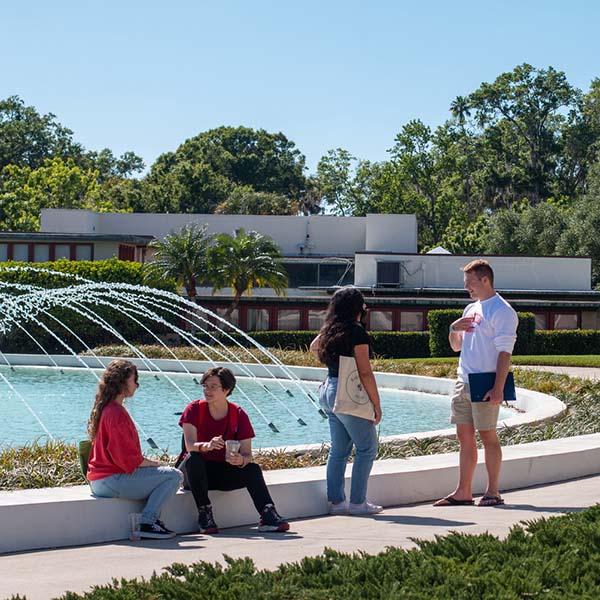
The architecture of Florida Southern College is not static; it is a living, breathing landmark that continues to inspire and educate. Recognizing the immense value of this architectural treasure, the college has undertaken significant efforts to preserve and restore Wright’s original designs. The subtropical climate, with its humidity and intense sunlight, poses unique challenges to concrete structures, necessitating ongoing maintenance and careful restoration work. The college has established the Frank Lloyd Wright Visitors Center and the Frank Lloyd Wright Foundation has designated Florida Southern College as a national historic landmark, acknowledging its unparalleled collection and cultural significance.
Restoration projects are meticulously planned and executed, often involving specialized conservators and historians to ensure authenticity. The goal is not merely to repair but to understand and respect Wright’s original intent while integrating modern preservation techniques. This commitment extends beyond the physical structures to the landscape design, which Wright considered an inseparable part of his architectural vision. The college strives to maintain the gardens and natural areas in a manner consistent with Wright’s organic philosophy, creating a holistic experience for visitors and students alike.
Educational and Cultural Impact
As a major landmark, Florida Southern College plays a crucial role in architectural education and cultural enrichment. It serves as an invaluable resource for students of architecture, design, and history, offering a direct encounter with one of the 20th century’s most influential architects. The campus itself is a dynamic classroom, demonstrating principles of scale, proportion, material use, and the interplay between built and natural environments. Faculty often integrate the campus architecture into their curricula, providing students with unique learning opportunities.
Beyond academia, Florida Southern attracts countless tourists and architecture enthusiasts from around the globe. It offers various tours, from self-guided explorations to in-depth docent-led experiences, allowing visitors to delve into the intricacies of Wright’s genius. The presence of such a significant landmark also contributes to the cultural vibrancy of Lakeland and the wider Central Florida region, drawing attention to its unique heritage and fostering a deeper appreciation for design and innovation. Events and exhibitions related to Wright and modern architecture are regularly hosted, further solidifying the college’s role as a cultural hub.
Planning Your Visit to this Architectural Gem
Visiting Florida Southern College is an essential experience for anyone interested in architecture, history, or simply appreciating beauty and innovation. Located conveniently in Lakeland, it is easily accessible from major Florida cities like Orlando and Tampa. The Frank Lloyd Wright Visitors Center, situated within the Sharp Family Tourism and Education Center, is the starting point for all tours and provides valuable context and information. Here, visitors can purchase tickets, browse educational exhibits, and explore a gift shop filled with Wright-inspired merchandise.
Various tour options cater to different interests and time commitments. The self-guided audio tour allows for a flexible exploration of the campus at one’s own pace, with detailed commentary on each structure. For a more immersive experience, docent-led tours offer expert insights into Wright’s philosophy, the challenges of construction, and fascinating anecdotes from the campus’s history. Specialized tours, focusing on specific aspects like interior access or advanced architectural details, may also be available. It is advisable to check the college’s official website for current tour schedules, pricing, and any booking requirements, especially during peak seasons.
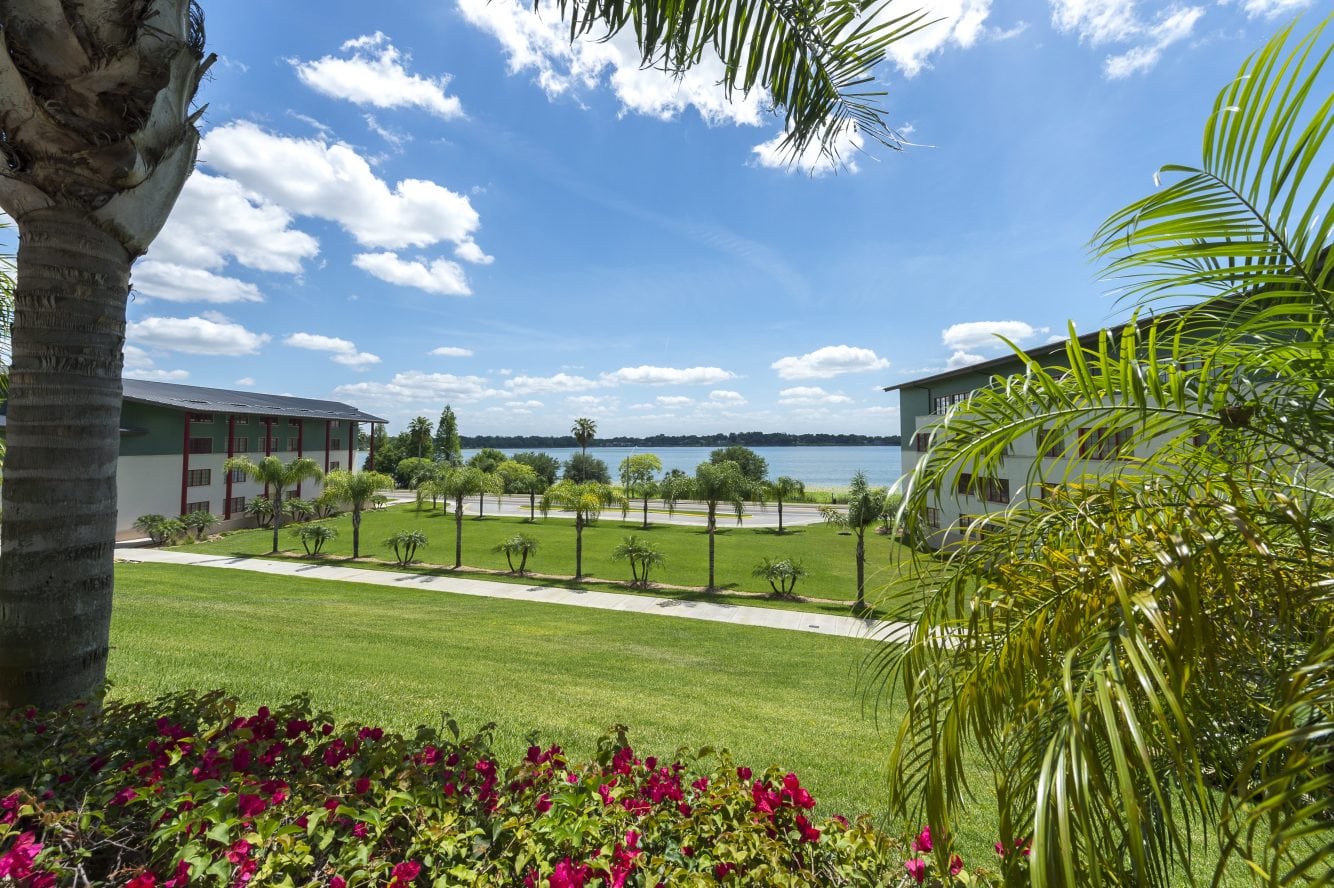
The best time to visit Florida Southern College is during the cooler months of Florida, from late fall to early spring, when the weather is most pleasant for walking and outdoor exploration. Comfortable walking shoes are a must, as the campus is quite expansive. Allow at least 2-3 hours for a comprehensive visit, though architecture enthusiasts might find themselves captivated for much longer. The interplay of light and shadow on Wright’s unique structures changes throughout the day, offering new perspectives with every hour. Beyond the Wright buildings, the campus itself, with its beautiful lakefront setting and meticulously maintained grounds, offers a serene and inspiring environment for reflection and enjoyment.
In conclusion, Florida Southern College is an extraordinary landmark that beautifully fuses education with architectural brilliance. Its dedication to preserving the legacy of Frank Lloyd Wright ensures that future generations can continue to marvel at and learn from his visionary “Child of the Sun” campus. It is a destination that transcends the typical university visit, offering a profound appreciation for design, history, and the enduring power of human ingenuity.
LifeOutOfTheBox is a participant in the Amazon Services LLC Associates Program, an affiliate advertising program designed to provide a means for sites to earn advertising fees by advertising and linking to Amazon.com. Amazon, the Amazon logo, AmazonSupply, and the AmazonSupply logo are trademarks of Amazon.com, Inc. or its affiliates. As an Amazon Associate we earn affiliate commissions from qualifying purchases.